
UK biotech financing 2026
April – June 2026

 Overall figures
Venture capital
Public markets
Finance Report 2023
Finance Report 2026 Q1
Finance Report 2025
Finance Report 2024

 Overview
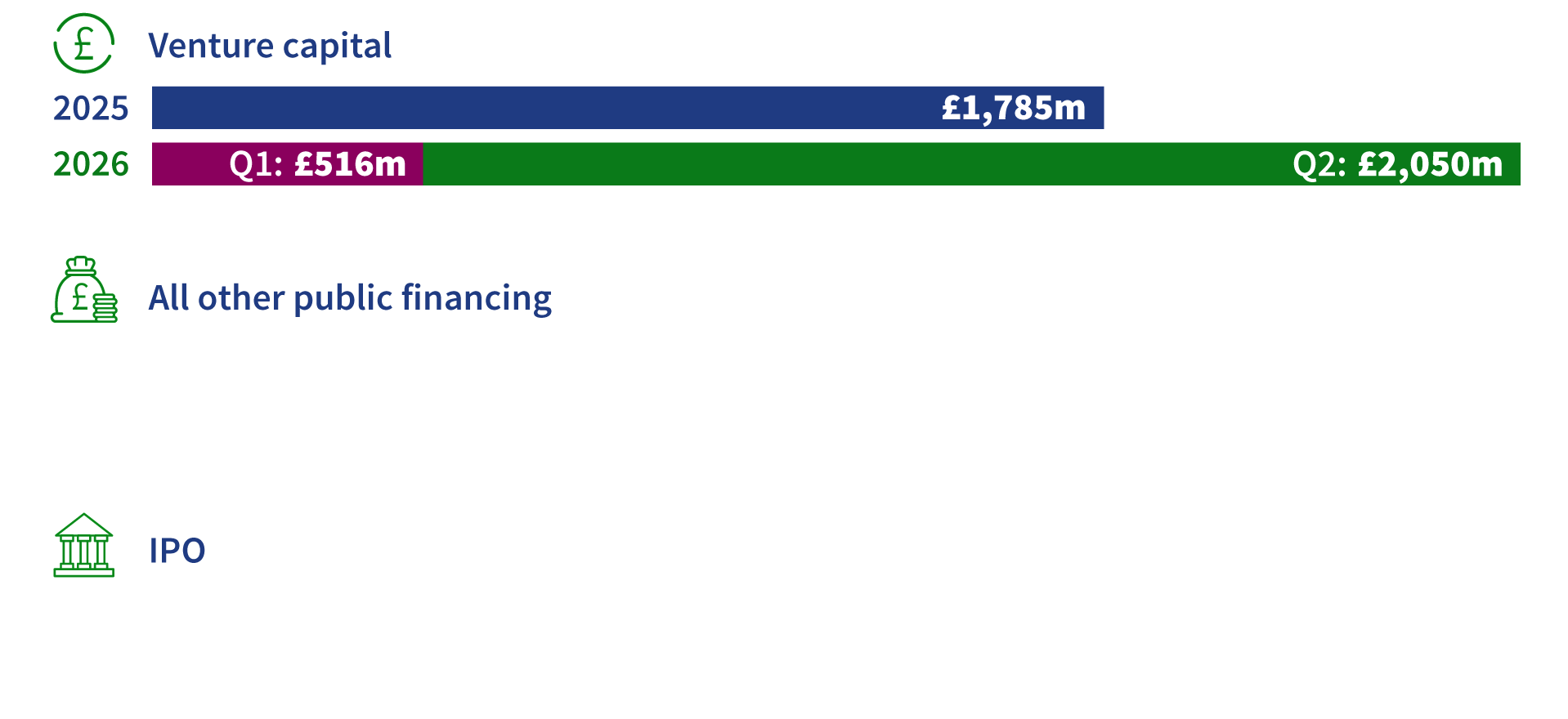
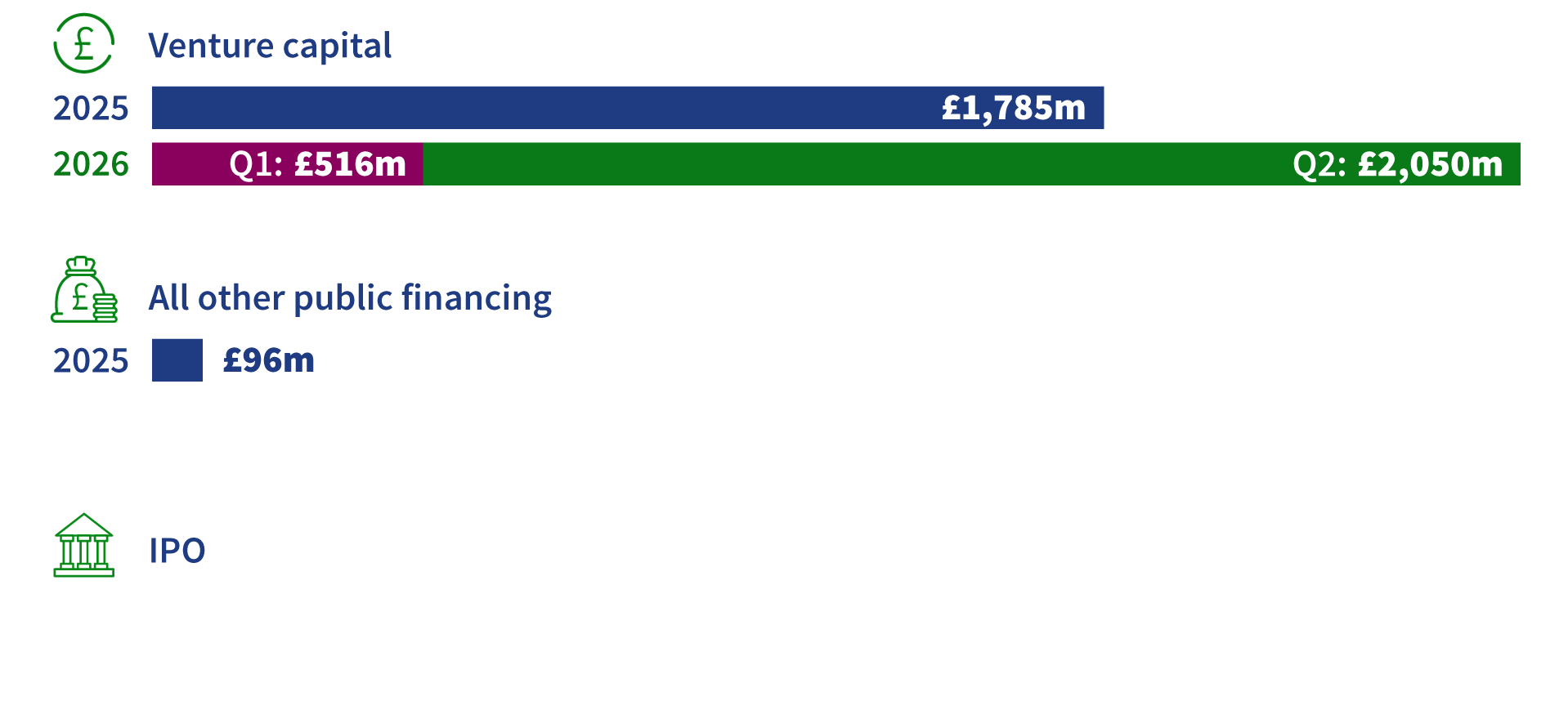
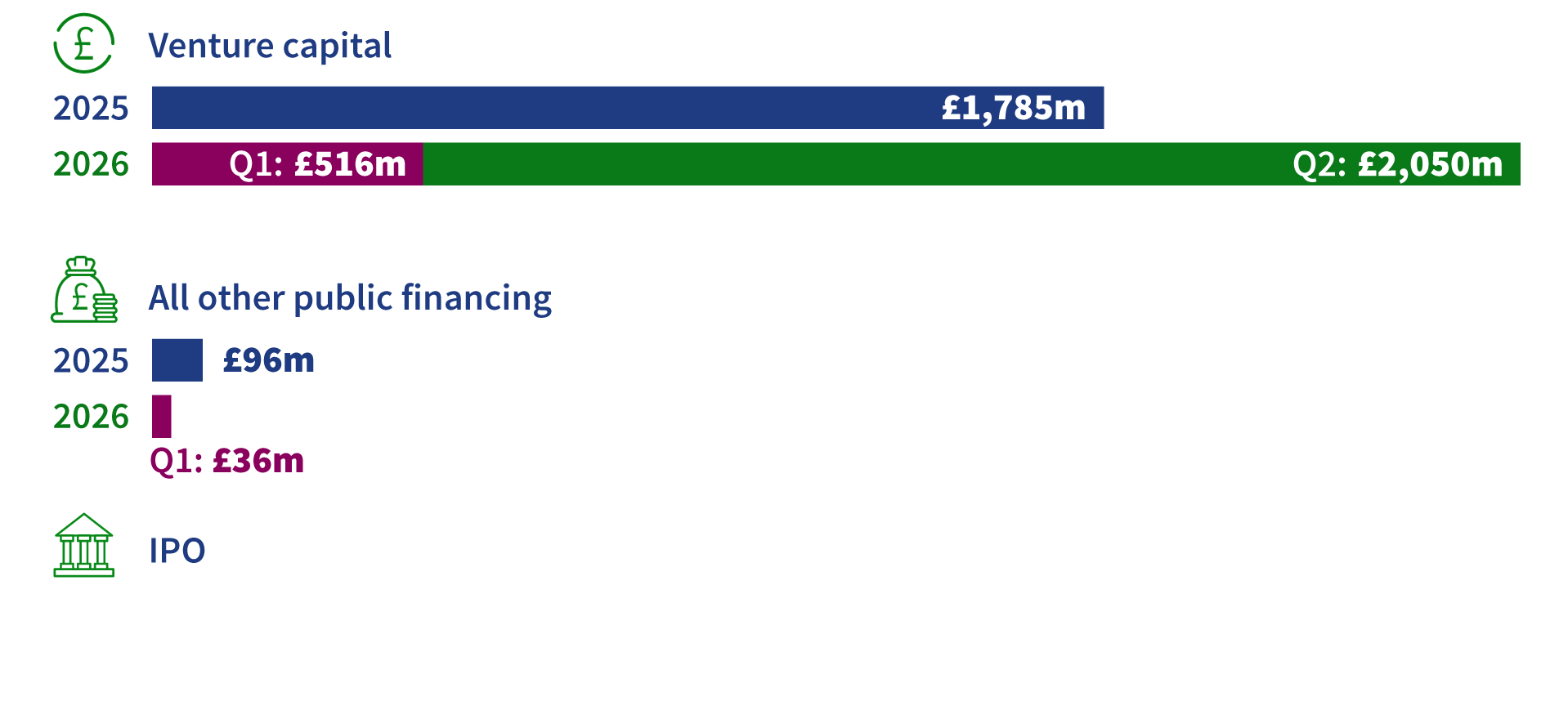
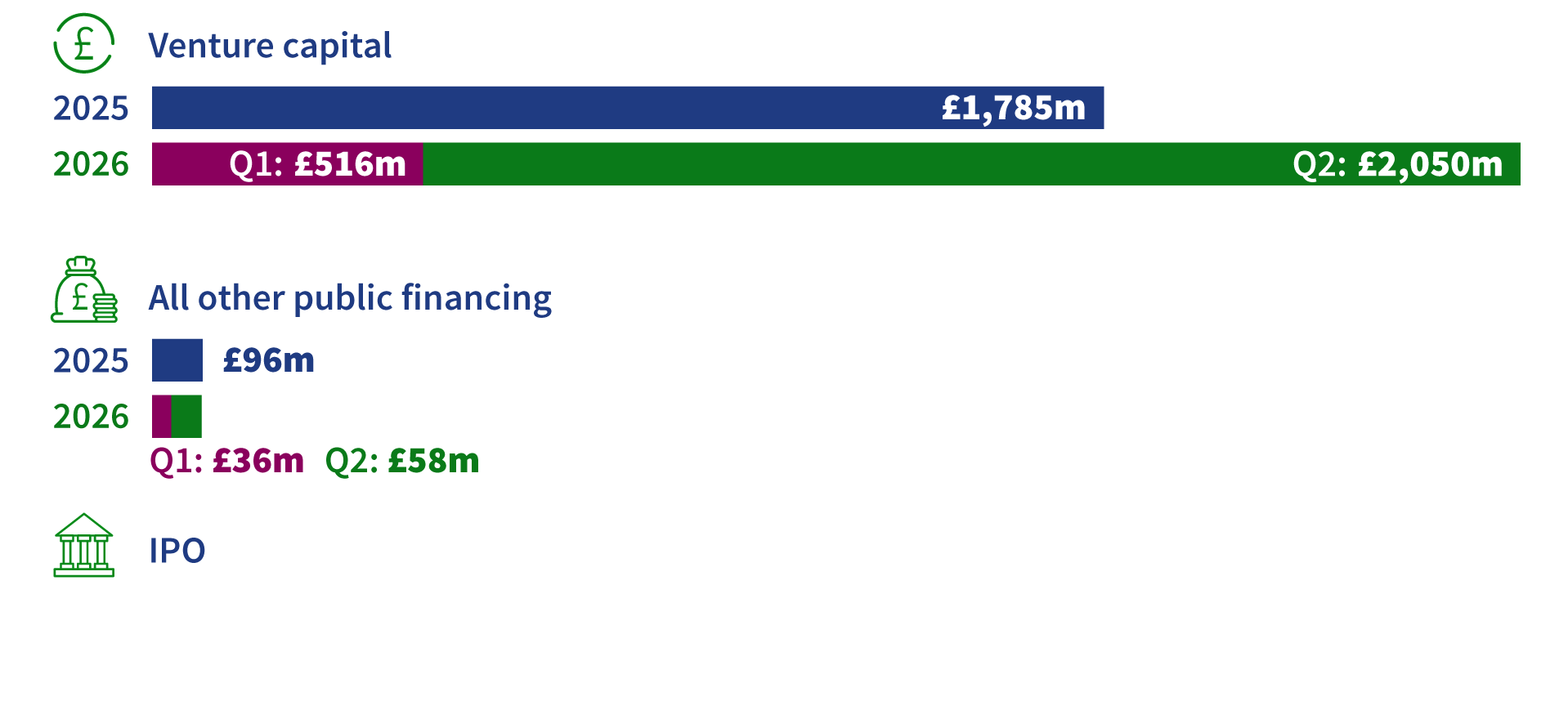
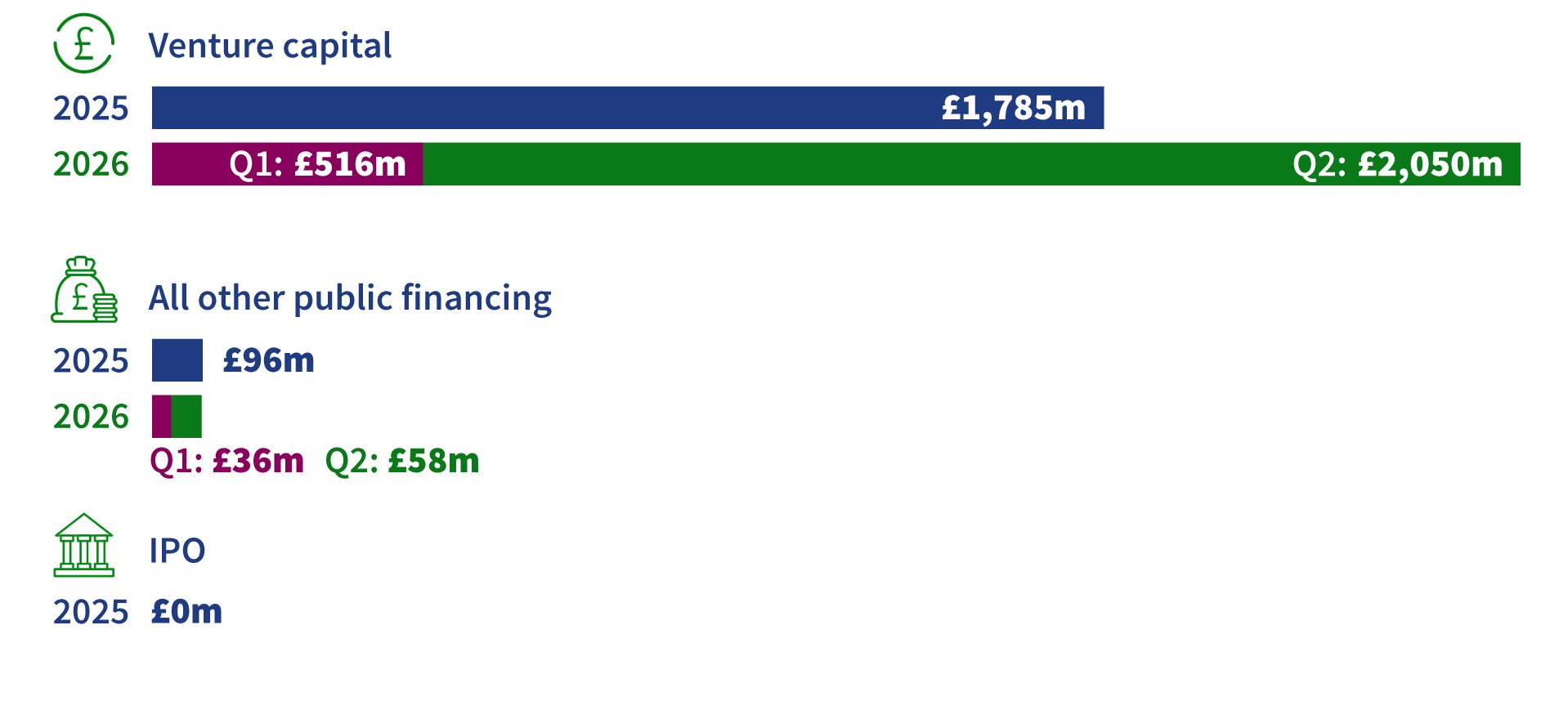
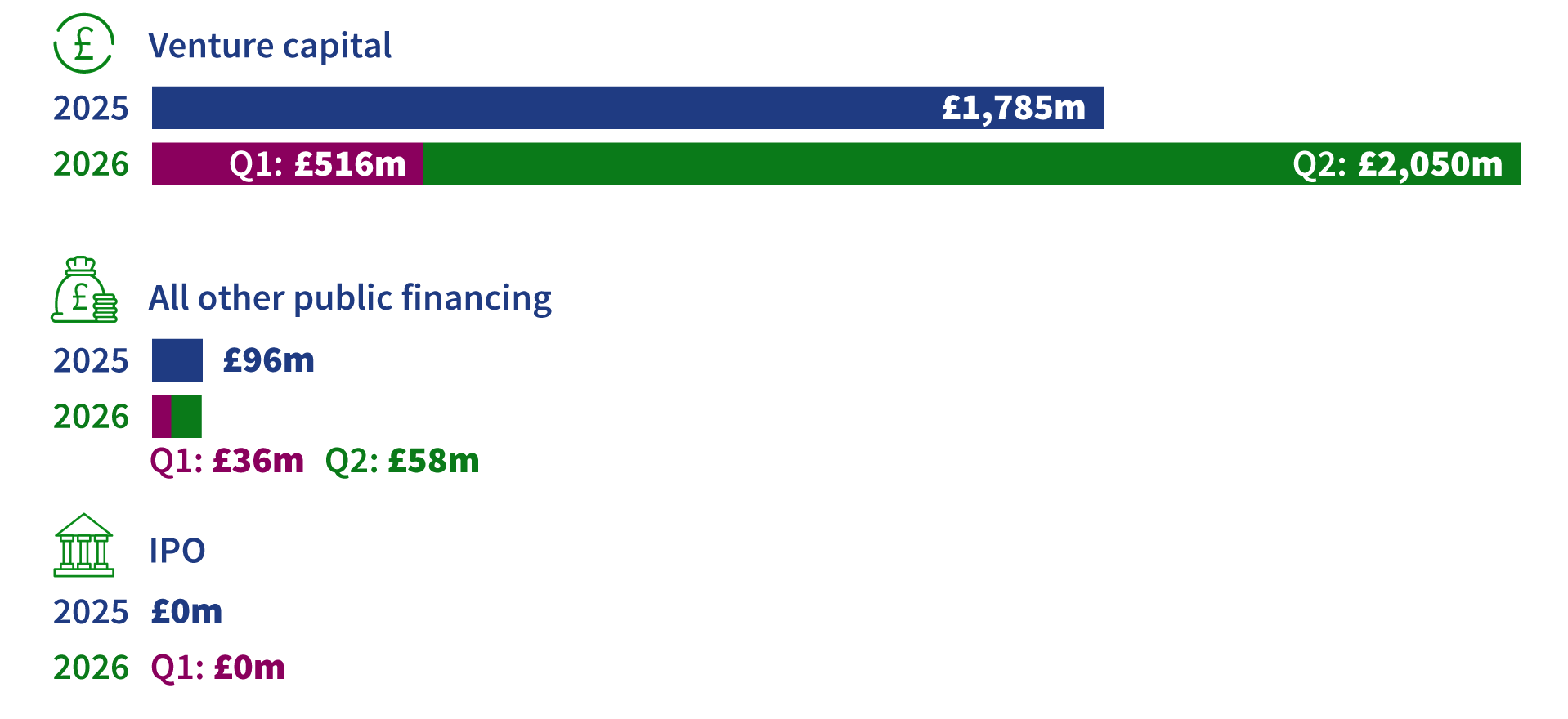
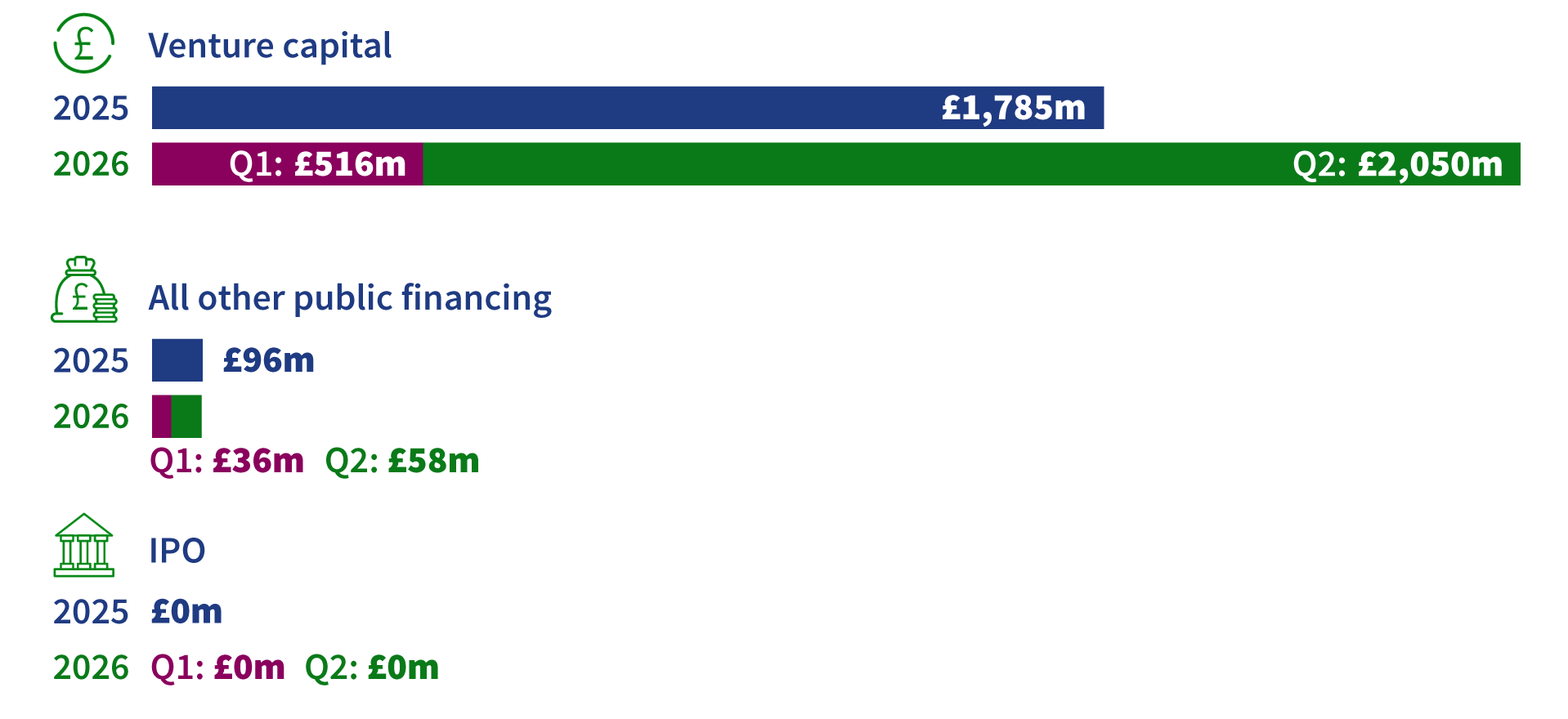
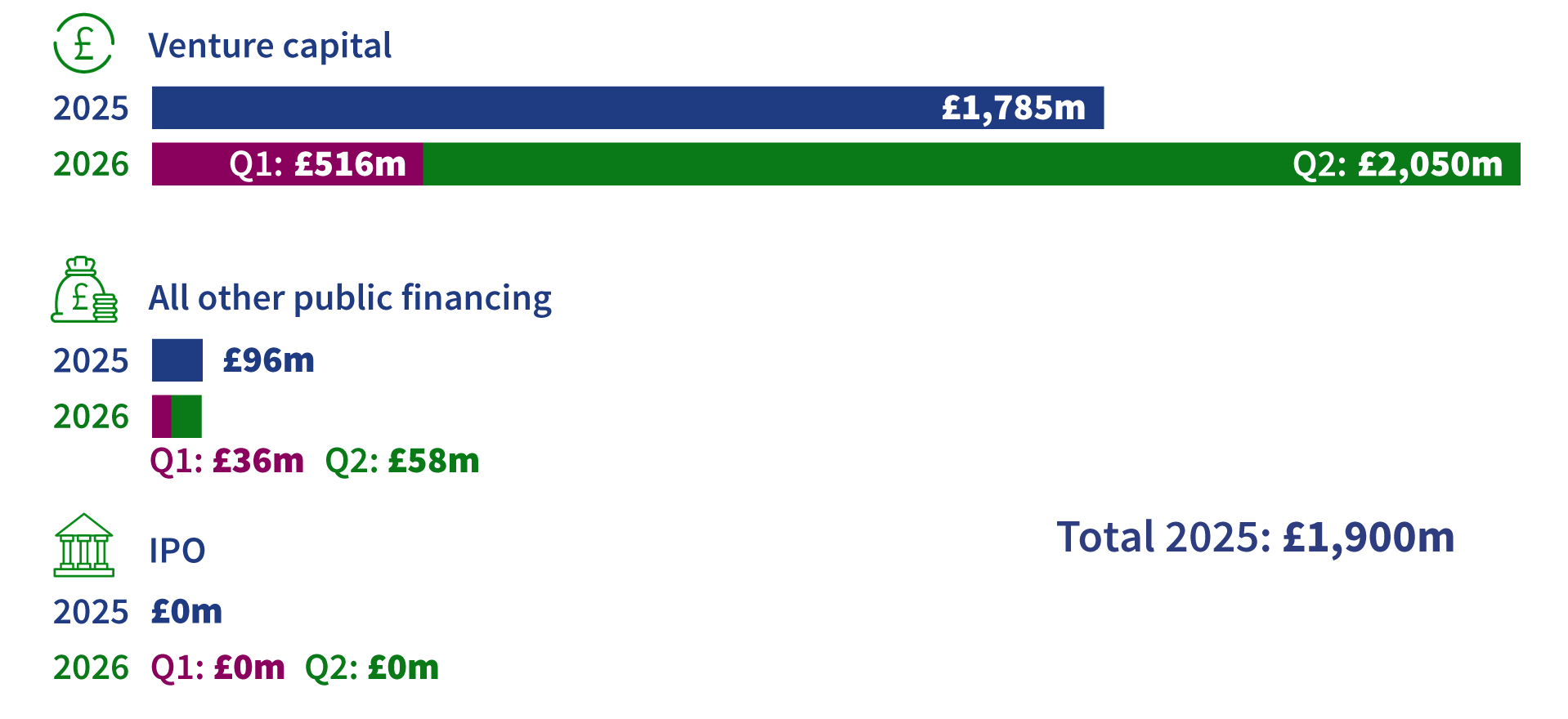
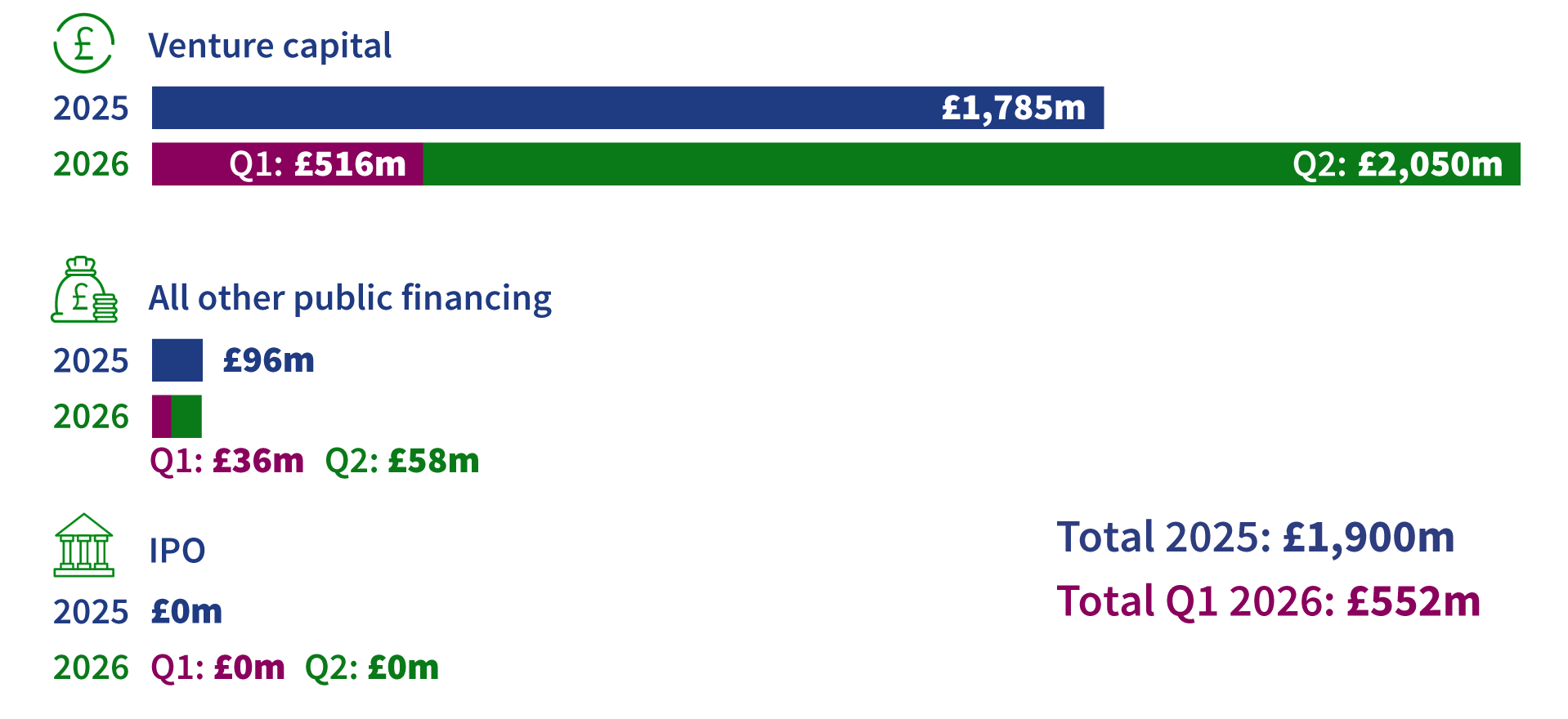
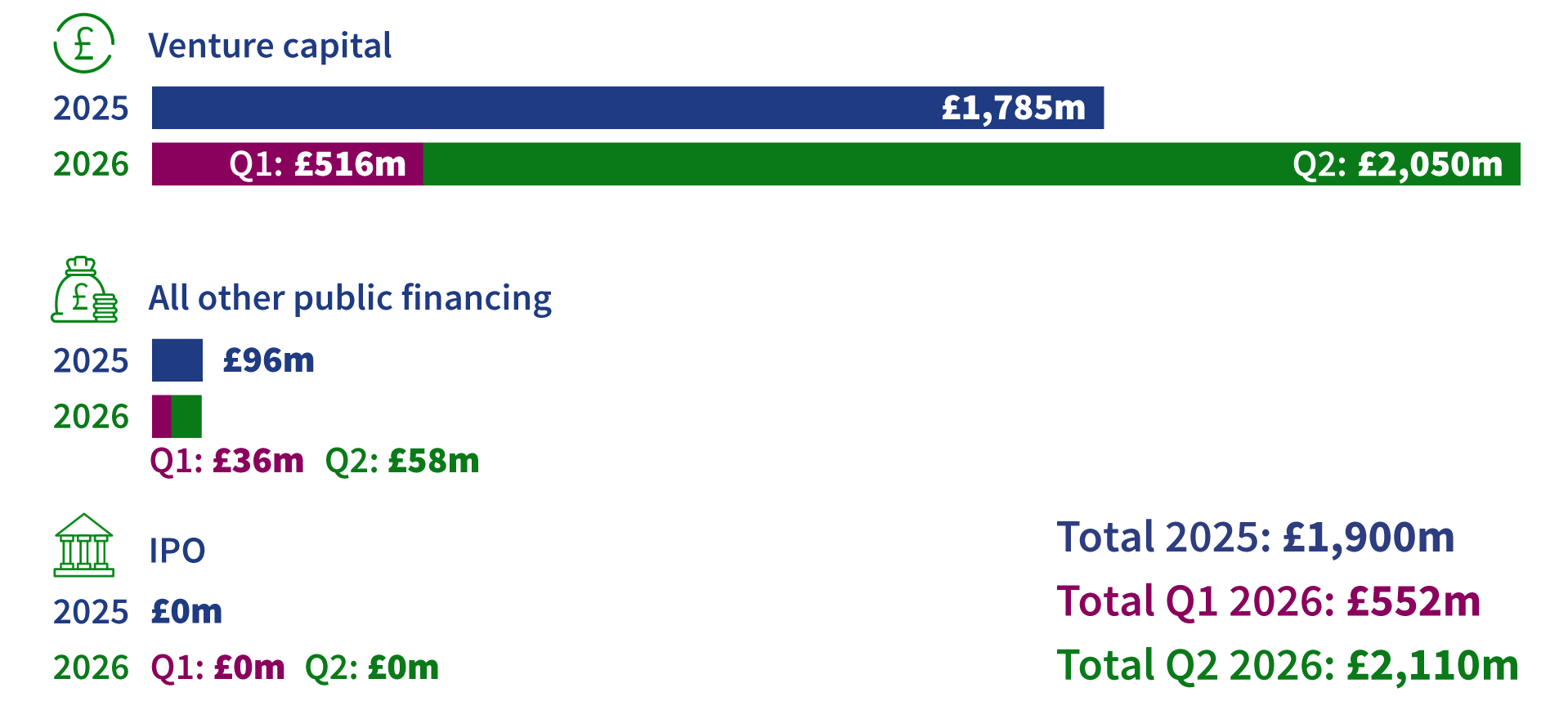
UK biotech financing reached a five-year high in Q2 2026, with total equity financing of £2.11 billion, including a record £2.05 billion in venture capital. Combined with the positive momentum seen in Q1, the first half of 2026 has delivered private investment at all levels, from start-ups to unicorns, plus a billion-dollar M&A, signalling a sustained recovery in fundraising and recyclable returns for both private and public sector investors.
The UK also reinforced its position as Europe’s leading biotech investment destination, accounting for 61% of Europe’s £3.3 billion venture capital placements during the quarter.
While the UK’s impressive headline was driven by Isomorphic Labs’ landmark £1.6 billion Series B, the underlying market recovery remains real. Excluding this landmark deal, UK biotech companies secured £498 million in venture capital during Q2, substantially outperforming the £279 million raised in Q2 2025. The fact that this sum included eight seed deals, averaging £6.4 million, with Series A and B+ each raising approximately £190 million and £225 million respectively shows investor appetite starting to cautiously extend across multiple stages of company growth.
Public markets, however, continue to trail private financing, showing relatively modest signs of improvement. Follow-on financing reached £58 million in Q2 2026 up from £36 million in Q1, and almost four times the £15 million raised in Q2 2025. Also, despite more positive signals before the conflicts in the Middle East, no UK biotech IPOs have been filed or launched so far in 2026.
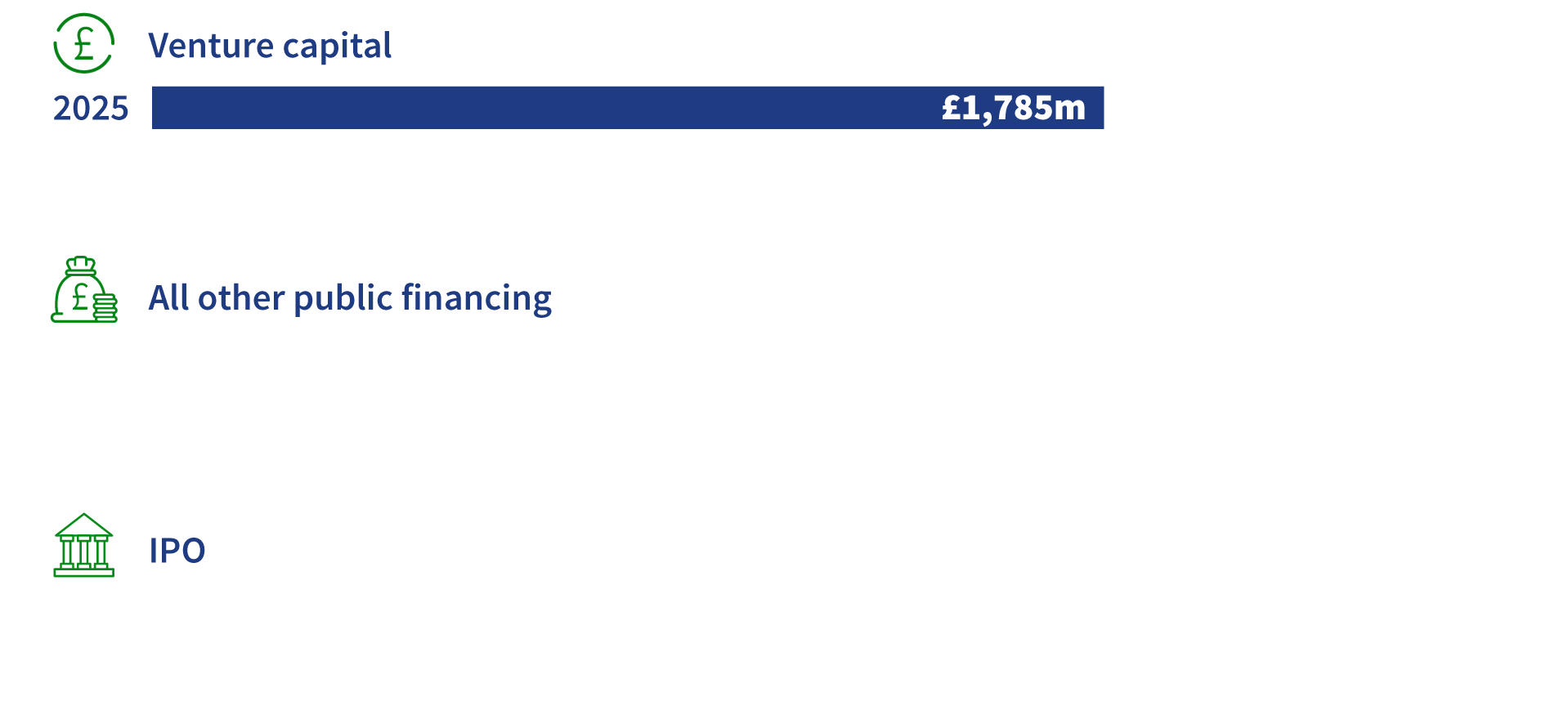
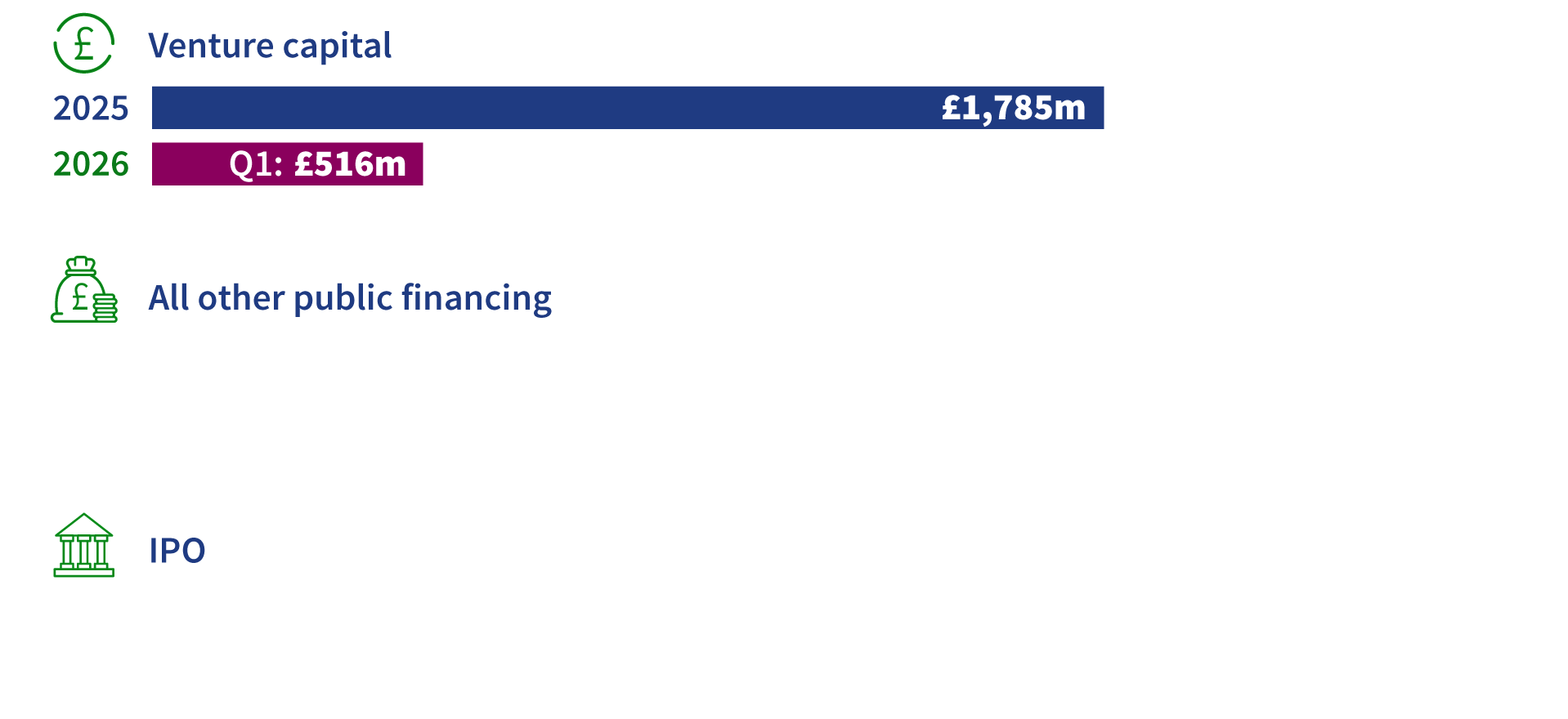
2025 and 2026 Q2 figures at a glance



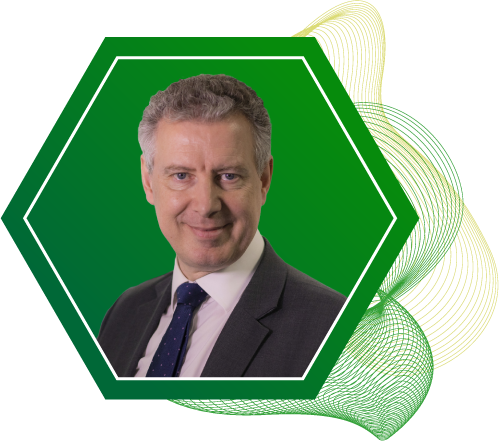
Chris Molloy
CEO, BIA
This quarter represents a continued improvement in funding confidence and deal flow right across the UK biotech sector. Its major headline is the strongest single quarter for UK life sciences venture funding in the last five years, with over £2 billion in venture capital placed. It has seen fundraising rounds from Seed to Series D at world class valuations. It has also seen a major milestone in Novartis’ acquisition of Myricx Bio for up to $1.5 billion, whose reinvestible proceeds are vital to the sustained success of our sector.
This momentum is accelerated by the British Business Bank, which is deploying Fund of Fund capital – with a mandate to commit £2 billion annually to venture capital and growth – alongside its largest direct life sciences investment to date: with £25 million placed into Alchemab. Crucially, the structural plumbing of UK finance is also supporting this push, highlighted by Nest’s landmark announcement of a £1 billion venture capital allocation for UK pension savers via Schroders Capital UK Innovation LTAF.
Private fundraising numbers this quarter are dominated by Isomorphic Labs’ historic £1.6 billion Series B round, a totemic validation of the UK’s global leadership in AI-driven drug discovery. Yet, the wider renaissance of our ecosystem lies beneath that headline in that an increasingly wide UK biotech cohort secured £498 million, nearly doubling the capital raised during the same period last year and maintaining a steady upward trajectory in scale and deal flow over the last three quarters.
Alongside continued growth in investment in later-stage companies, the critical mid-market funding bracket, companies raising between £10 million and £25 million, has seen a resurgence. Halfway through 2026, twice as many companies have successfully raised rounds in this tier compared to all of 2025. Seed funding is also a standout feature of the quarter, showing that capital is starting to flow from the top right to the roots of the sector, to value and foster the best new biology.
Whilst our private investors remain the powerhouse of European fundraising, our public markets remain subdued, lagging behind European peers such as France with follow-on financing of just £58 million and with no IPO activity.
Our collective focus must be to ensure that:
1. this momentum is maintained;
2. the proven returns our investors are making attract more institutional capital to back this sector;
3. public markets recognise, cover, and return to supporting our ecosystem; and
4. this private momentum is joined by robust, investor-advised translational funding to sustain growth across every tier.
 Venture capital
In Q2 2026, UK biotech companies raised £2.05 billion in venture capital, bringing total H1 investment to £2.6 billion. This already exceeds the total venture capital raised in every full year from 2022 to 2025, making 2026 the strongest start to a year for UK biotech investment in the past five years.
The sharp increase reflects a step change in investment activity. While the quarter was driven by Isomorphic Labs’ landmark £1.6 billion Series B, the underlying market also remained resilient, demonstrating renewed investor confidence across the UK biotech sector.
The distribution of capital across funding stages reflects the impressive impact of Isomorphic Labs’ £1.6 billion Series B, with later-stage rounds (Series B+) accounting for £1.77 billion of the £2.05 billion raised during the quarter. Across four deals, the average later-stage financing reached £444 million, highlighting the scale of investment attracted by the UK’s most mature biotech companies.
Excluding the Isomorphic Labs financing presents a more balanced picture of the funding landscape. Series A and later-stage (Series B+) companies raised £190 million and £224 million respectively, demonstrating that investment was spread across multiple stages of company growth rather than concentrated in a single record-breaking transaction. Later-stage rounds remained the largest source of funding outside the megadeal, with three financings averaging £75 million, while four Series A rounds raised an average of £47 million.
Early-stage investment also remained resilient. Eight seed companies raised £51 million during the quarter, with an average deal size of £6.4 million. Although seed accounted for the smallest share of capital raised, deal activity remained strong, highlighting continued investor appetite for innovative early-stage companies alongside larger growth-stage financings.
Top five UK biotech venture capital deals
| Company | Date | Round | Value (£m) |
|---|---|---|---|
| Isomorphic Labs | 12/05/2026 | Series B | 1,551 |
| CellCentric | 06/05/2026 | Series D | 163 |
| RQ Bio | 05/05/2026 | Series A | 85 |
| Cytospire | 24/06/2026 | Series A | 61 |
| STORM Therapeutics | 05/05/2026 | Series C | 42 |
The largest financing of the quarter was Isomorphic Labs, which raised a record-breaking £1.6 billion Series B. The financing represents the largest private biotech investment secured by a UK company and marks a significant milestone for AI-driven drug discovery, with the proceeds supporting the advancement of the company’s AI drug design platform and clinical pipeline.
Several companies also completed substantial venture financing. Notably, CellCentric raised £163 million in a Series D round to advance its lead oncology programme and STORM Therapeutics secured £42 million in a Series C round. Meanwhile, RQ Bio and Cytospire collectively raised £146.5 million across two substantial Series A rounds. The strength of these growth-stage and early-stage financings demonstrates that investor appetite extended well beyond a single record-breaking deal, supporting companies across multiple stages of development.
Capital distribution and concentration
The first half of 2026 was characterised by a record level of venture capital investment, although headline figures were heavily influenced by Isomorphic Labs’ landmark £1.6 billion Series B financing. As a result, £100 million+ rounds accounted for the majority of capital raised, highlighting the continued importance of megadeals in driving overall investment totals.
However, excluding megadeals presents a markedly different picture. Capital was distributed more evenly across funding sizes, with a notable increase in activity among £10–£25 million and £25–£50 million financings. This suggests that the recovery in venture investment extends beyond a handful of exceptional transactions, with a broader range of companies successfully raising growth capital.
Deal count tells a similarly encouraging story. While smaller financings of £5 million or less continued to account for the largest proportion of transactions, the number of companies raising £10–£25 million has already reached 12 in the first half of 2026, double the total recorded during the whole of 2025. This points to improving liquidity in the funding bracket which is critical for companies progressing from early-stage development towards commercial scale.
These trends suggest that while landmark financings continue to shape the headline figures, the underlying funding landscape is becoming broader and more balanced. Investor confidence is returning across the wider ecosystem, providing stronger support for companies beyond both the earliest stages and the small number of established scale-ups.
VC financing in Europe and the US
US and European biotech venture capital investment rebounded strongly in Q2 2026. The US raised £6.8 billion, an increase of 78% from £3.8 billion in Q1, while European venture capital almost quadrupled, rising 276% from £893 million to £3.3 billion. The broad-based improvement across both regions points to renewed investor confidence following a slower start to the year.
The UK remained Europe’s leading biotech venture capital market, raising £2.05 billion in Q2, accounting for 61% of total European venture investment. Rapid growth was also recorded across other major European markets, with Germany increasing 226% quarter-on-quarter to £293 million and France rising 254% to £283 million. These results suggest that the recovery in biotech venture financing is being felt across the wider international ecosystem, rather than being confined to a single market.
 Public markets
IPOs
The absence of new UK biotech listings continued through Q2 2026, leaving the first half of the year without an IPO.
While financing conditions have improved elsewhere in the market, companies continue to delay public listings until market conditions become more favourable.
International IPOs
While IPO activity remained limited globally, the US recorded £2.2 billion in biotech IPO financing during Q2 2026, more than doubling the £1.0 billion raised in Q1. Massachusetts-based Parabilis Medicines completed the largest US biotech IPO of the quarter, raising approximately $770.5 million. The proceeds will support the advancement of its lead Wnt/β-catenin inhibitor, zolucatetide, into Phase 3 development for desmoid tumours, while also progressing additional oncology programmes into the clinic.
In Europe, activity remained limited, with Denmark the only country to record a biotech IPO. This was achieved by Danish-headquartered Hemab Therapeutics Holdings, which raised approximately £258 million on NASDAQ. This transaction may serve as an early indicator of returning stability in the international public markets. Crucially, an improving market window could allow companies thinking of UK listings to confidently pick up strategic discussions that had been paused since the outbreak of conflicts in the Middle East.
Follow-on financings
Activity remained concentrated in a number of relatively small financings across AIM and the Main Market, with no large-scale follow-on transactions completed during the quarter.
There was also no follow-on activity by UK biotech companies on NASDAQ, extending the continued absence of UK issuers accessing the world’s largest biotech public market.
Top five UK biotech public follow-on deals
| Company | Date | Market | Amount (£m) |
|---|---|---|---|
| Avacta Group | 07/04/2026 | AIM | 19 |
| IXICO | 27/04/2026 | AIM | 10 |
| Immupharma | 08/04/2026 | AIM | 6.5 |
| Faron Pharmaceuticals | 15/04/2026 | AIM | 5.2 |
| Aptamer Group | 16/04/2026 | AIM | 4.5 |
The largest follow-on financing of the quarter was completed by Avacta Group, which raised £19 million on AIM consisting of £10 million raised on 7 April 2026 and £9 million raised 11 June 2026. The proceeds will support the continued advancement of the company’s clinical-stage oncology pipeline and broader corporate activities.
All five of the quarter’s largest follow-on raises were completed on AIM, highlighting the continued importance of the London market for smaller public biotech financings despite the absence of UK follow-on activity on NASDAQ.
International follow-ons
International follow-on financing strengthened significantly in Q2 2026. US-listed biotech companies raised £9.5 billion, a 25% increase from £7.6 billion in Q1 and more than four times the £2.2 billion raised in Q2 2025. Activity was led by California (£3.8 billion) and Massachusetts (£2.5 billion), which together accounted for two-thirds of US follow-on financing.
European follow-on financing also rebounded strongly, rising from £310 million in Q1 to £1.94 billion in Q2, and more than quadrupling from £430 million in Q2 2025. France led Europe with £936 million, followed by the Netherlands (£238 million), Switzerland (£236 million) and the UK (£58 million). While the UK improved from both Q1 2026 and Q2 2025, its total remained modest compared with other leading European markets, highlighting the uneven recovery in public market fundraising across the region.

Charts, maps and tables are based on BIA analysis of data from Beauhurst, h2Radnor, LSE and Pitchbook, 2026.