
UK biotech financing 2025
July – September 2025

 Overall figures
Venture capital
Public markets
Finance Report 2022
Finance Report 2023
Finance Report 2025 Q1
Finance Report 2025 Q2
Finance Report 2024
Finance Report 2025

 Overview
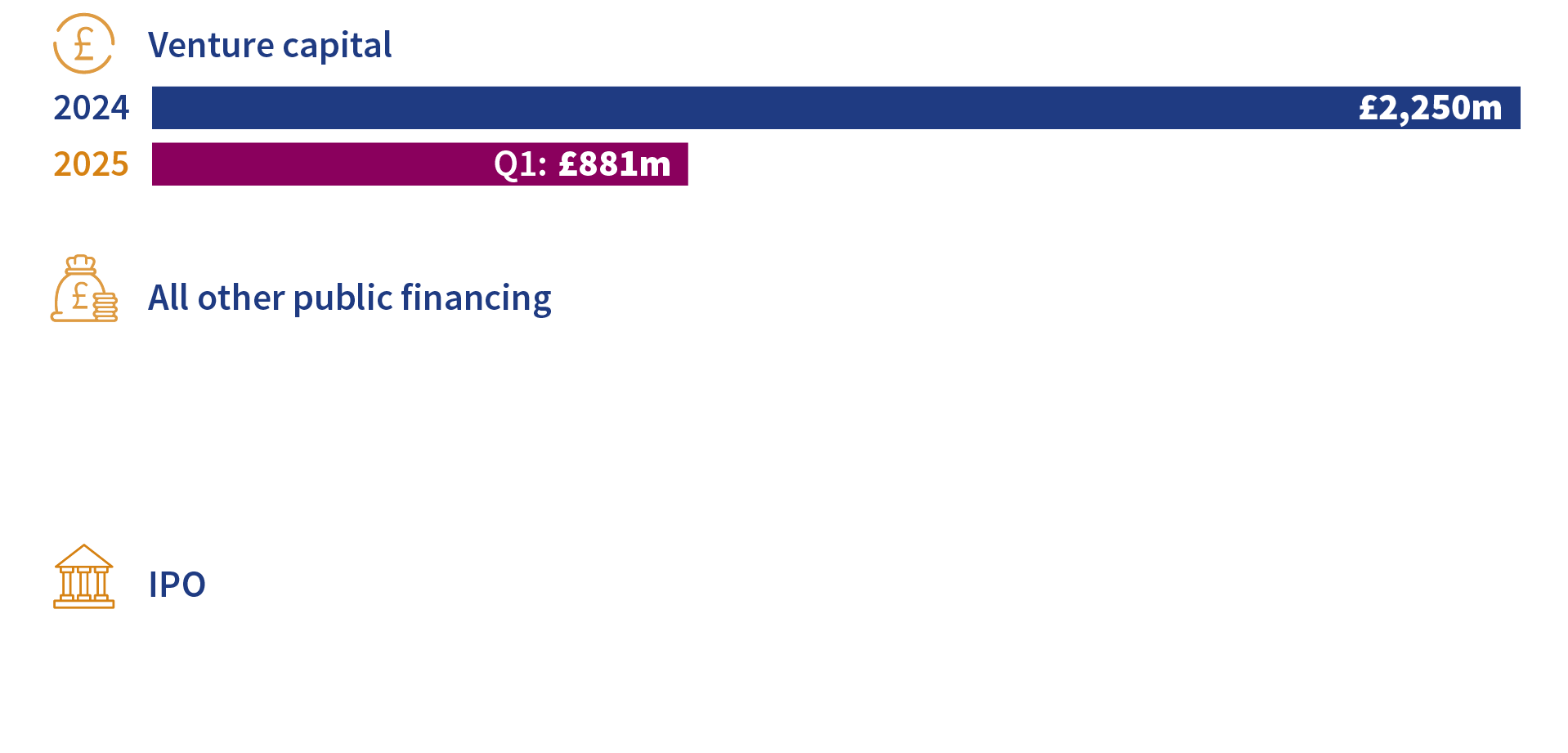
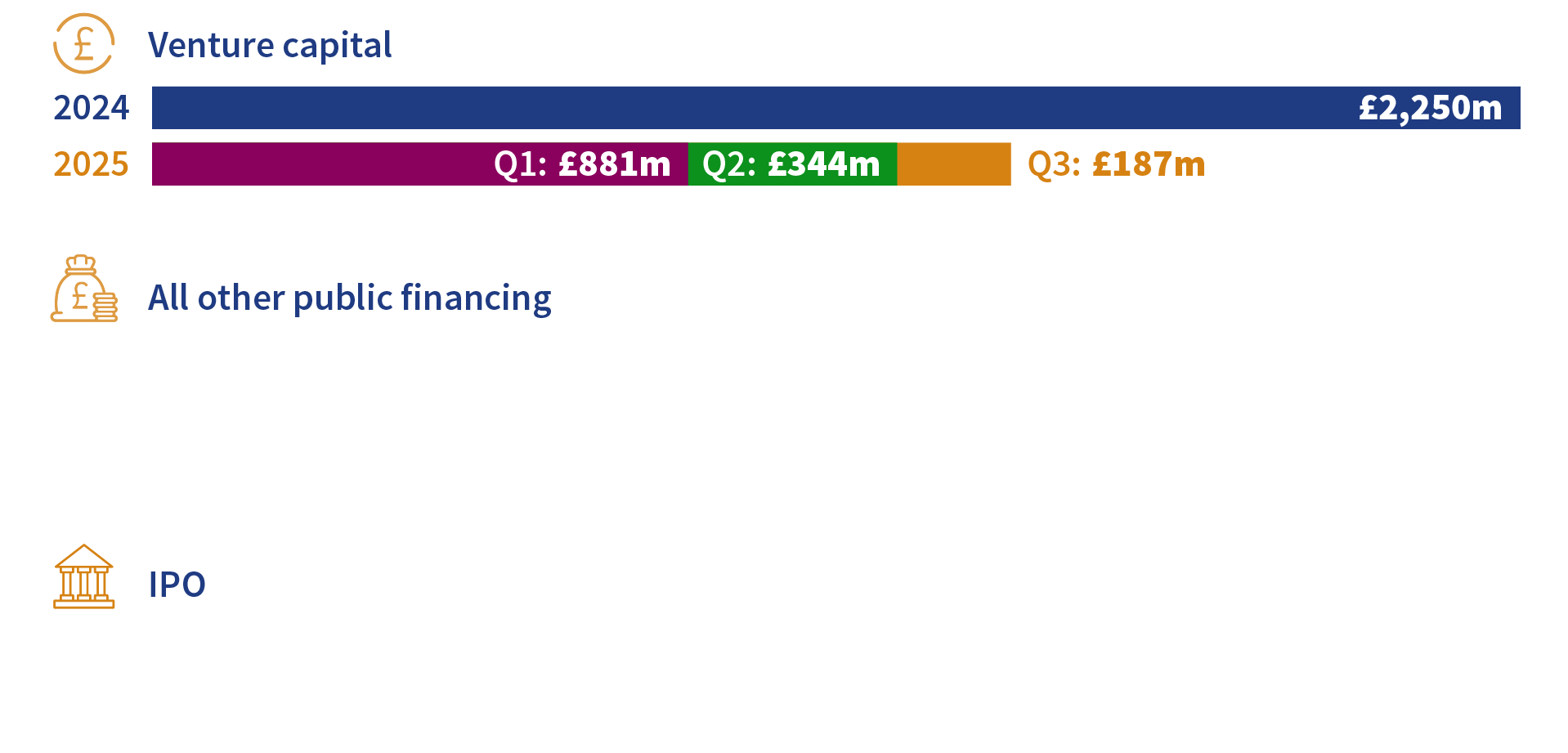
The first three quarters of 2025 have demonstrated the sustained, resilient strength of UK biotech innovation, with total venture capital investment reaching £1.41 billion, already exceeding the total raised in all of 2023.
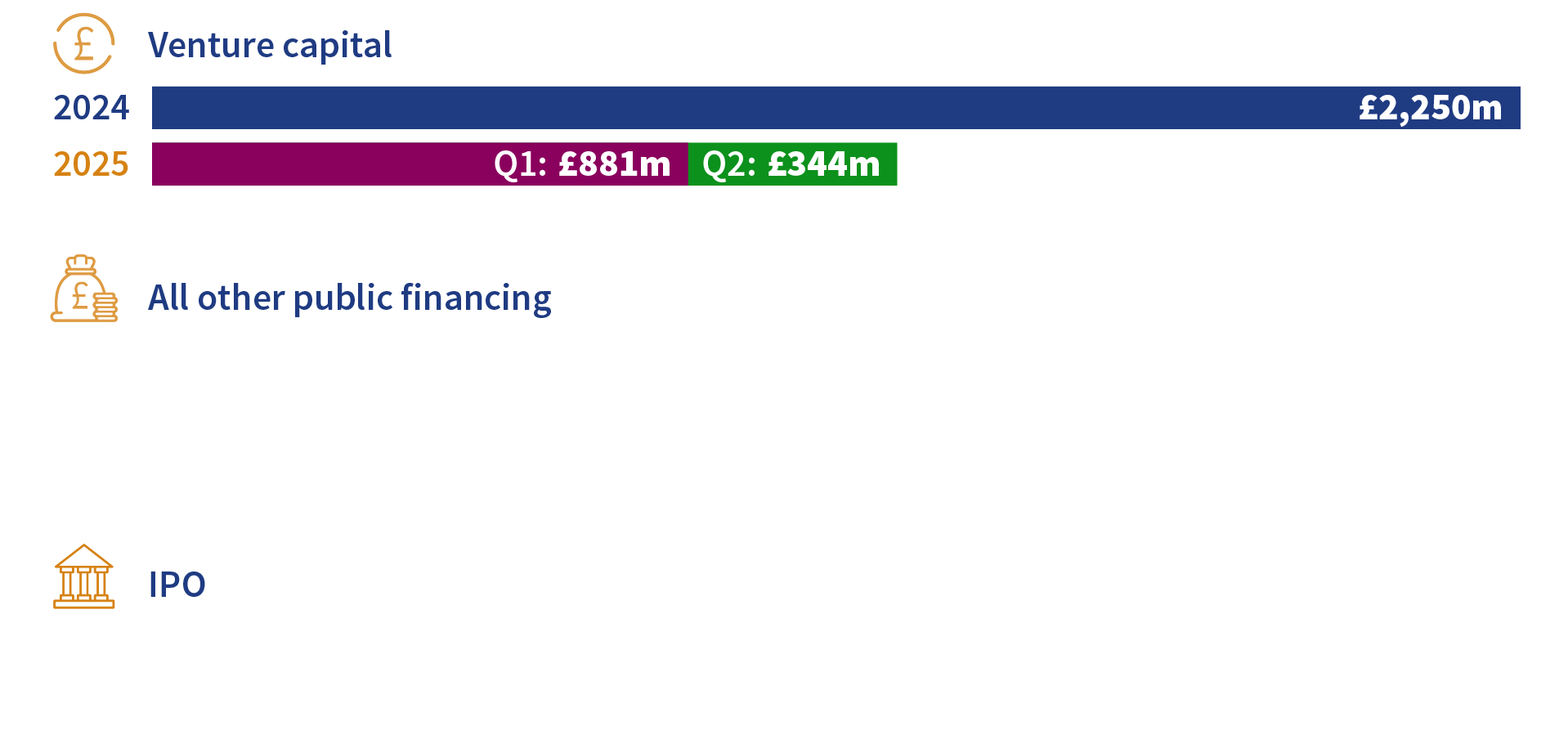
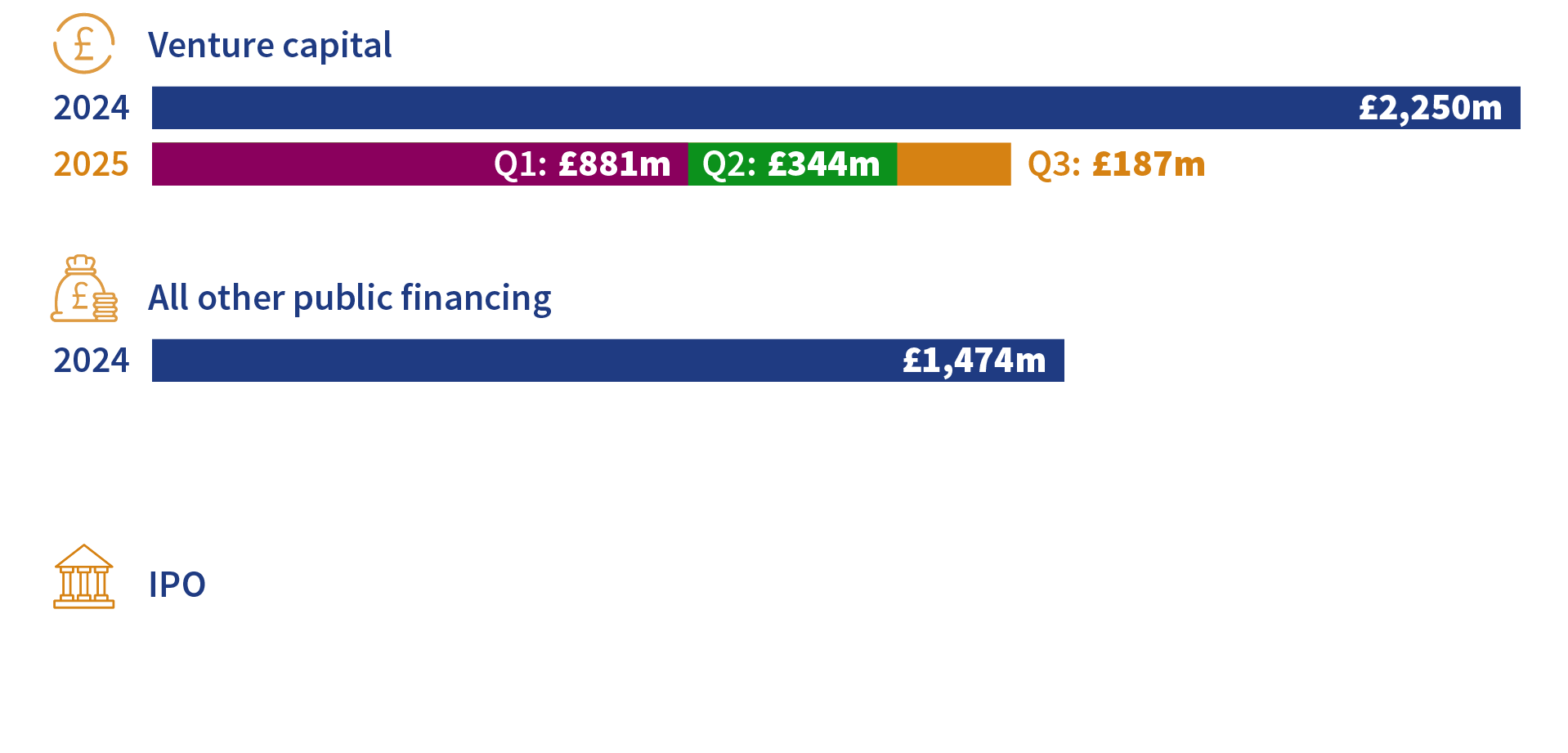
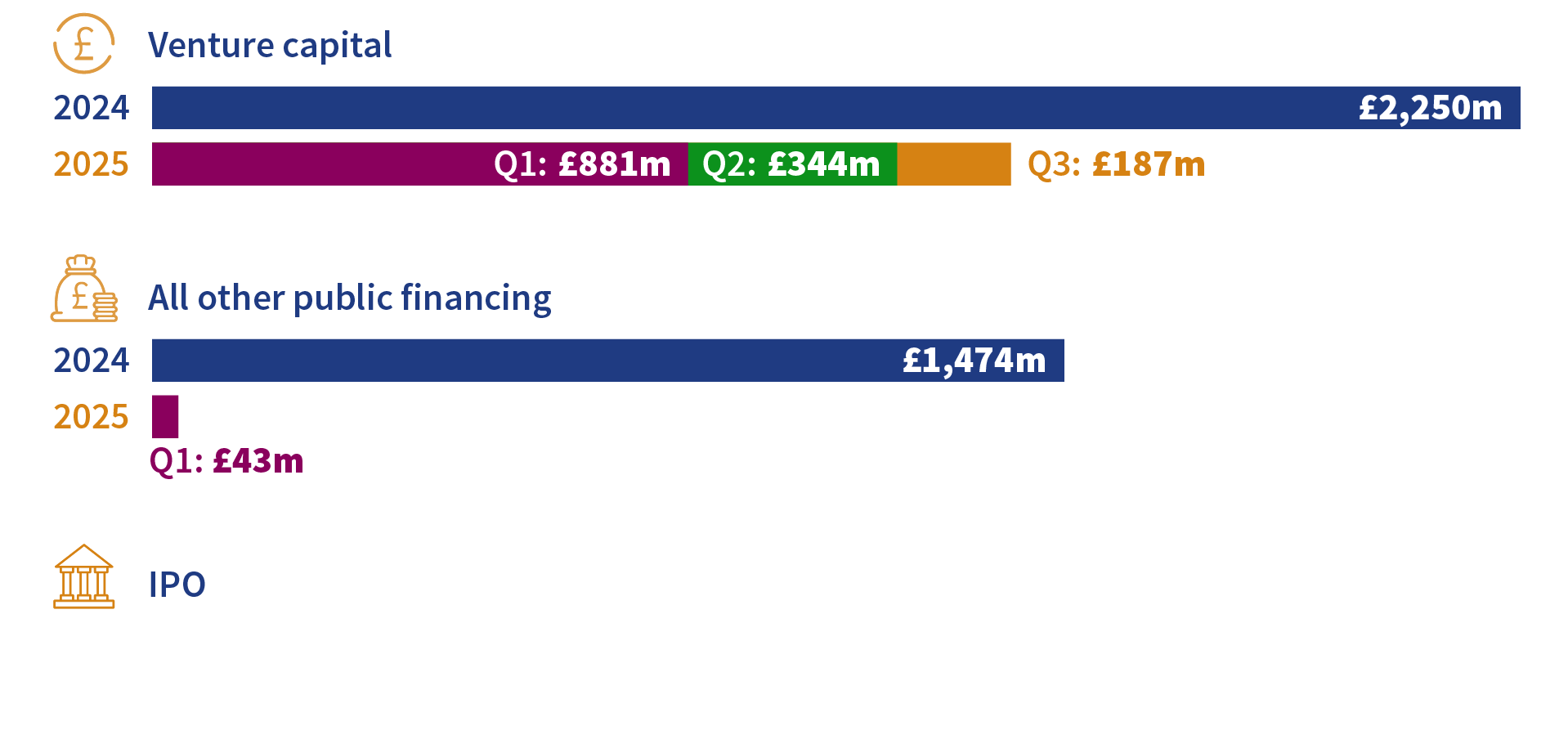
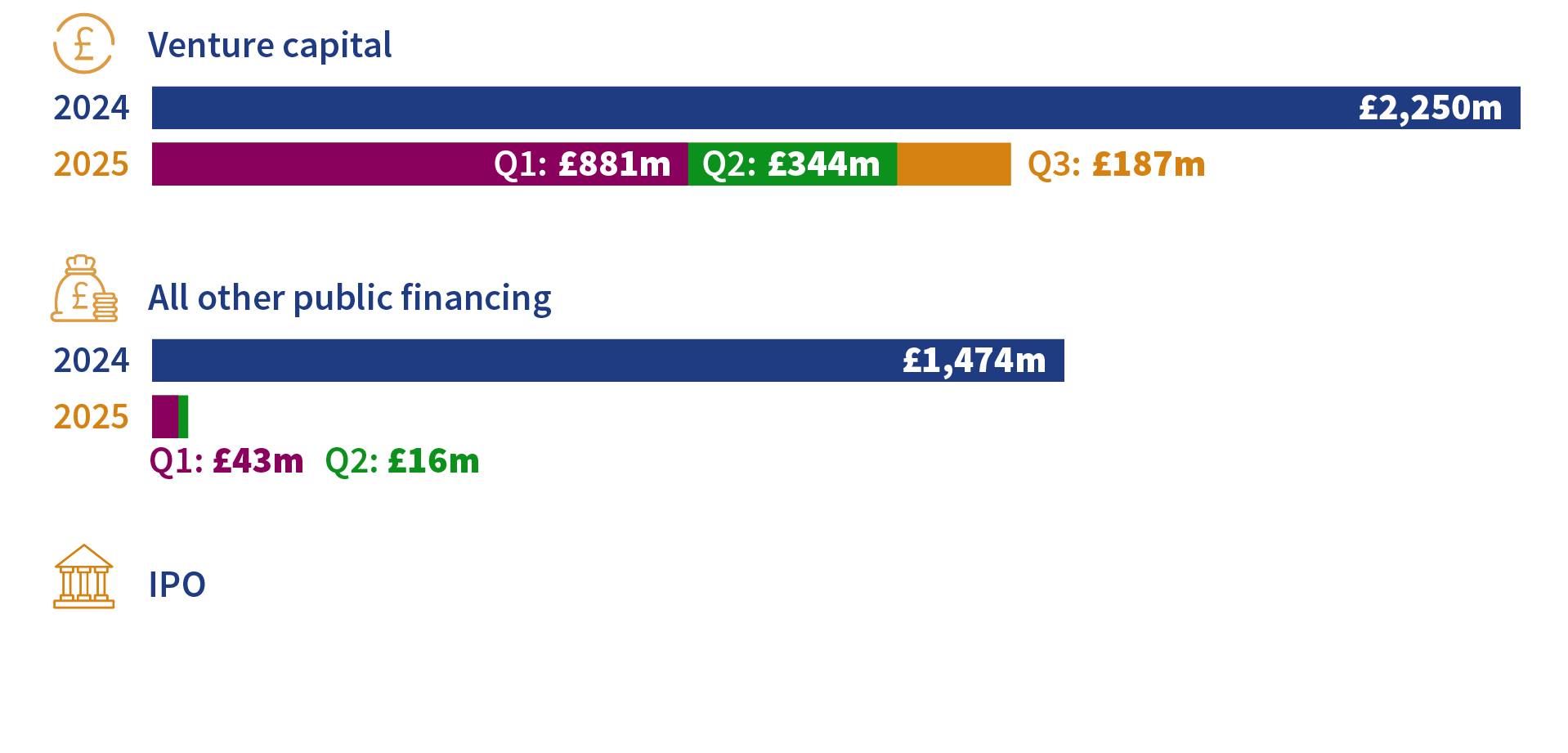
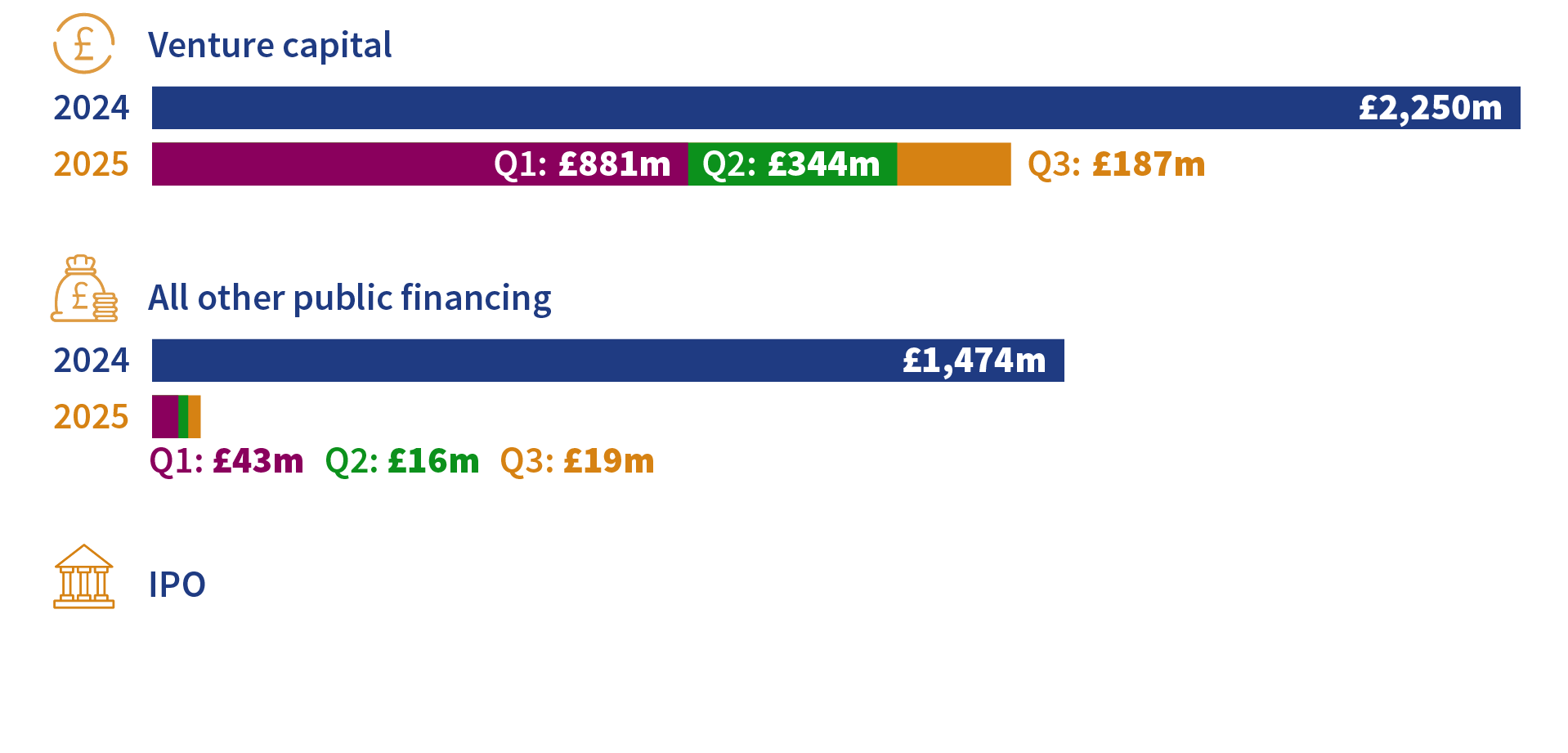
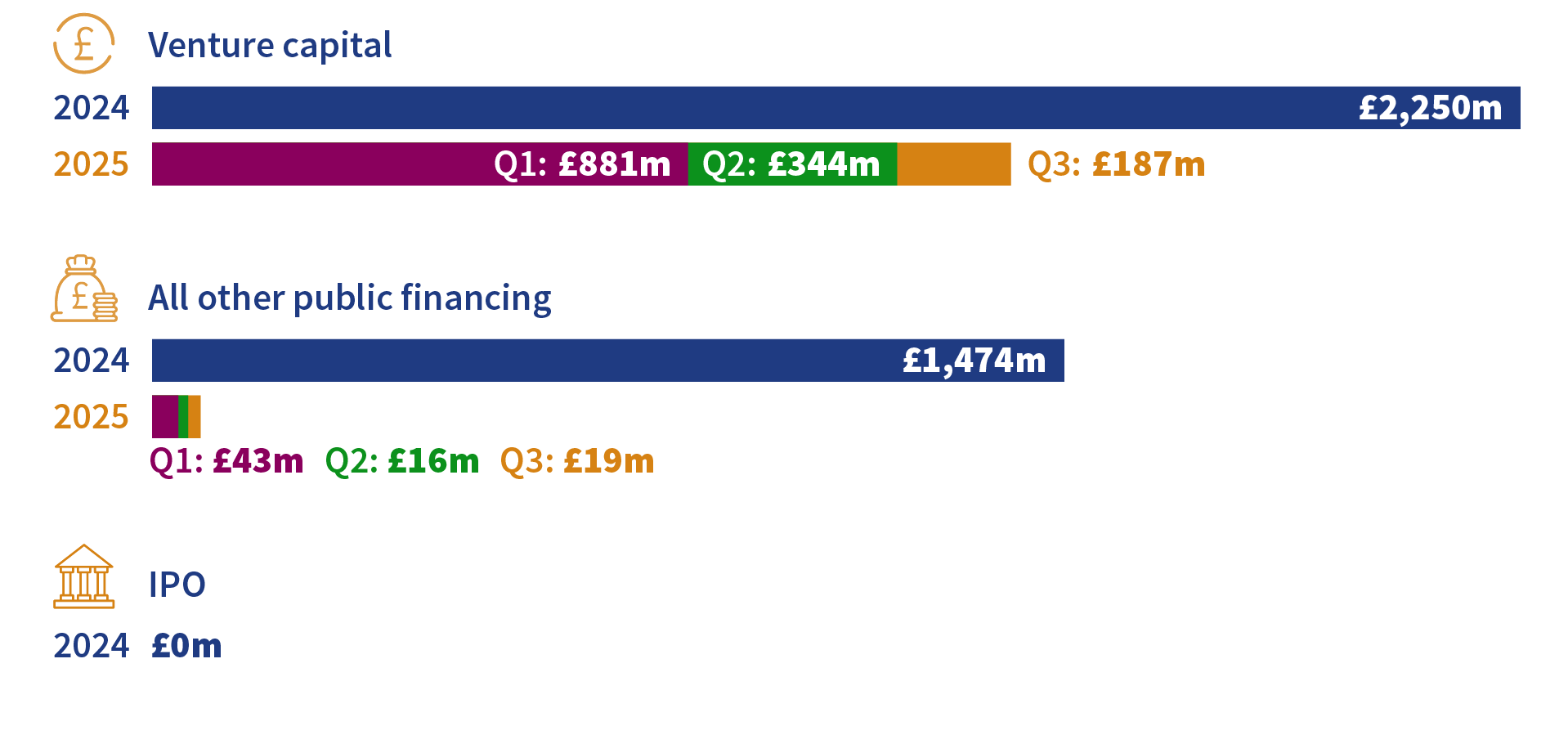
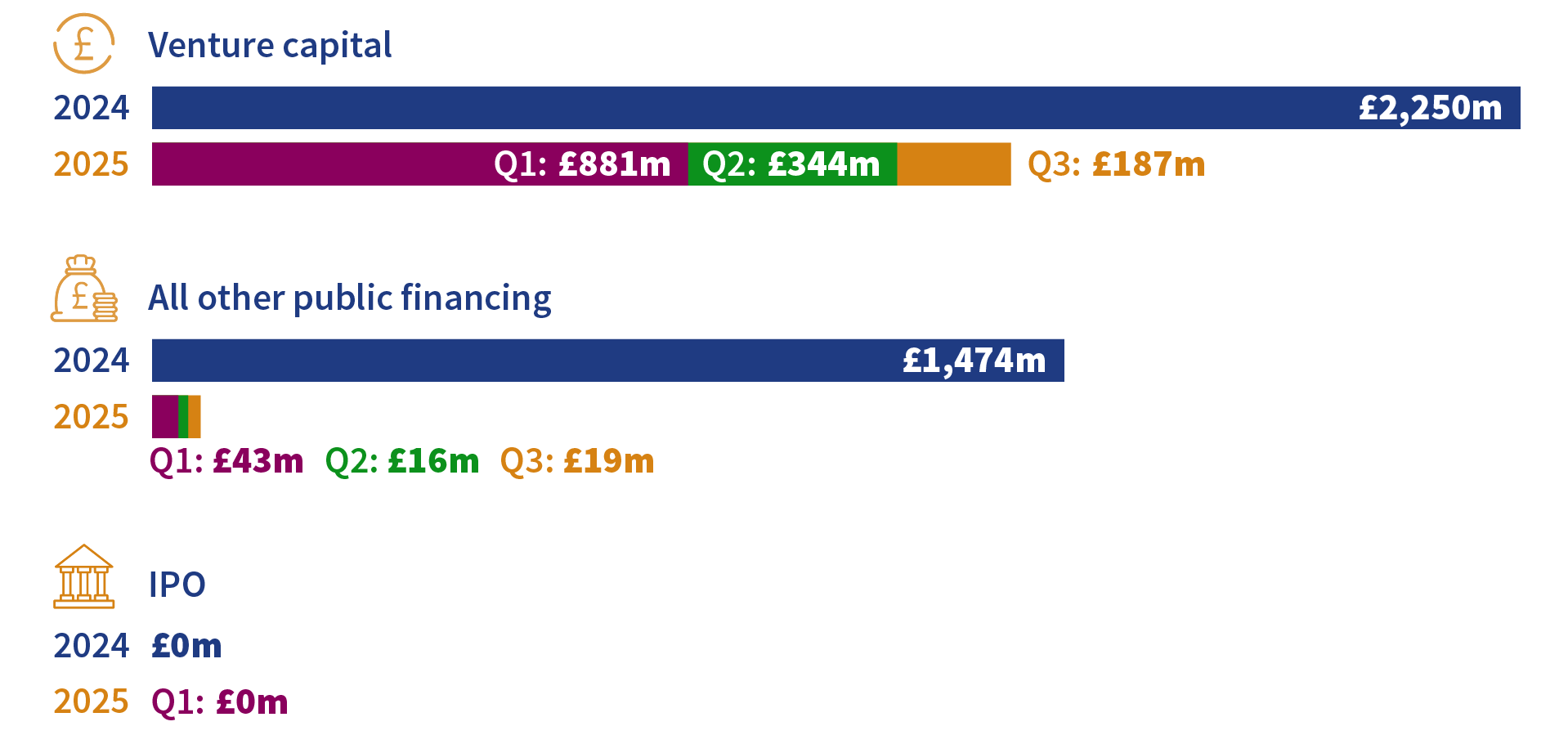
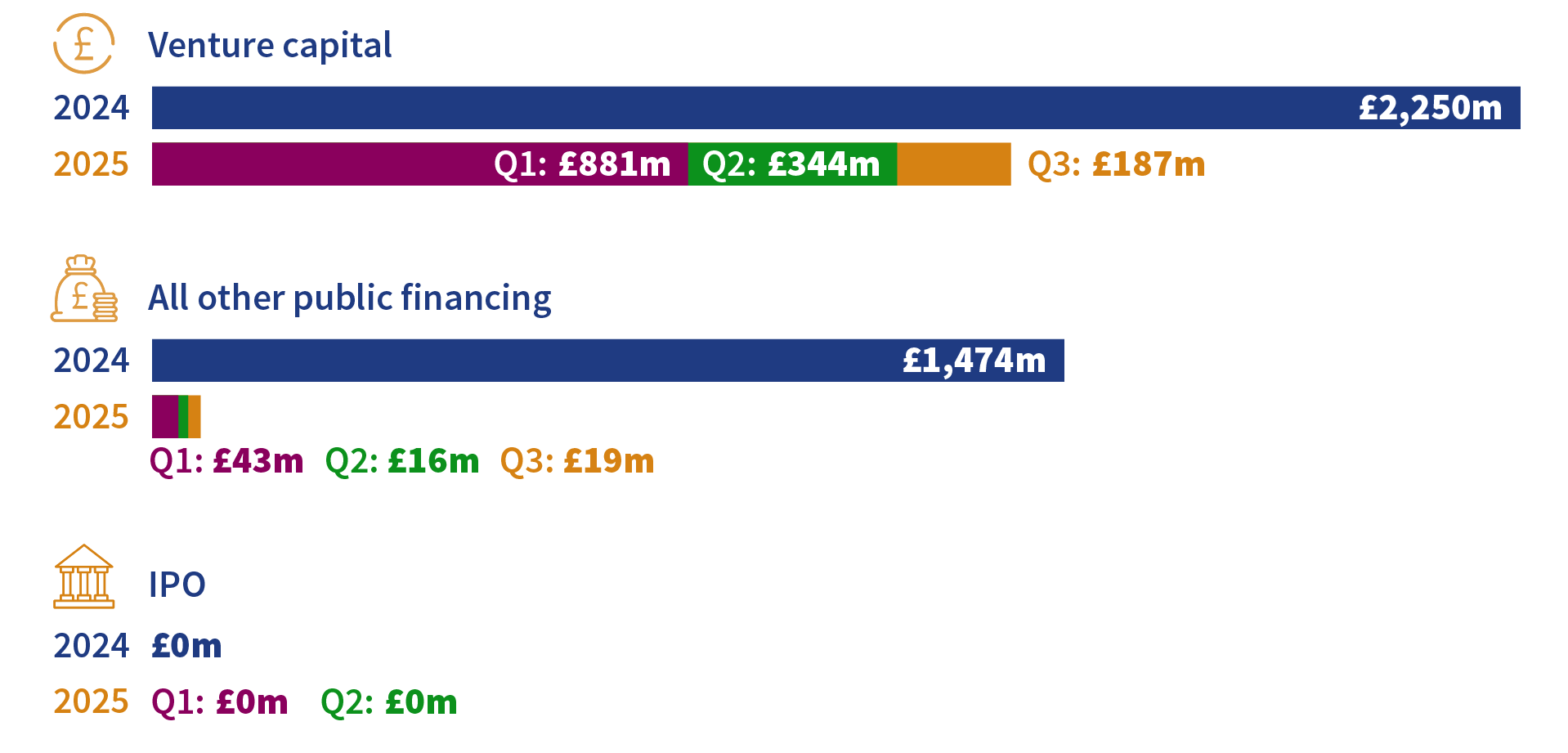
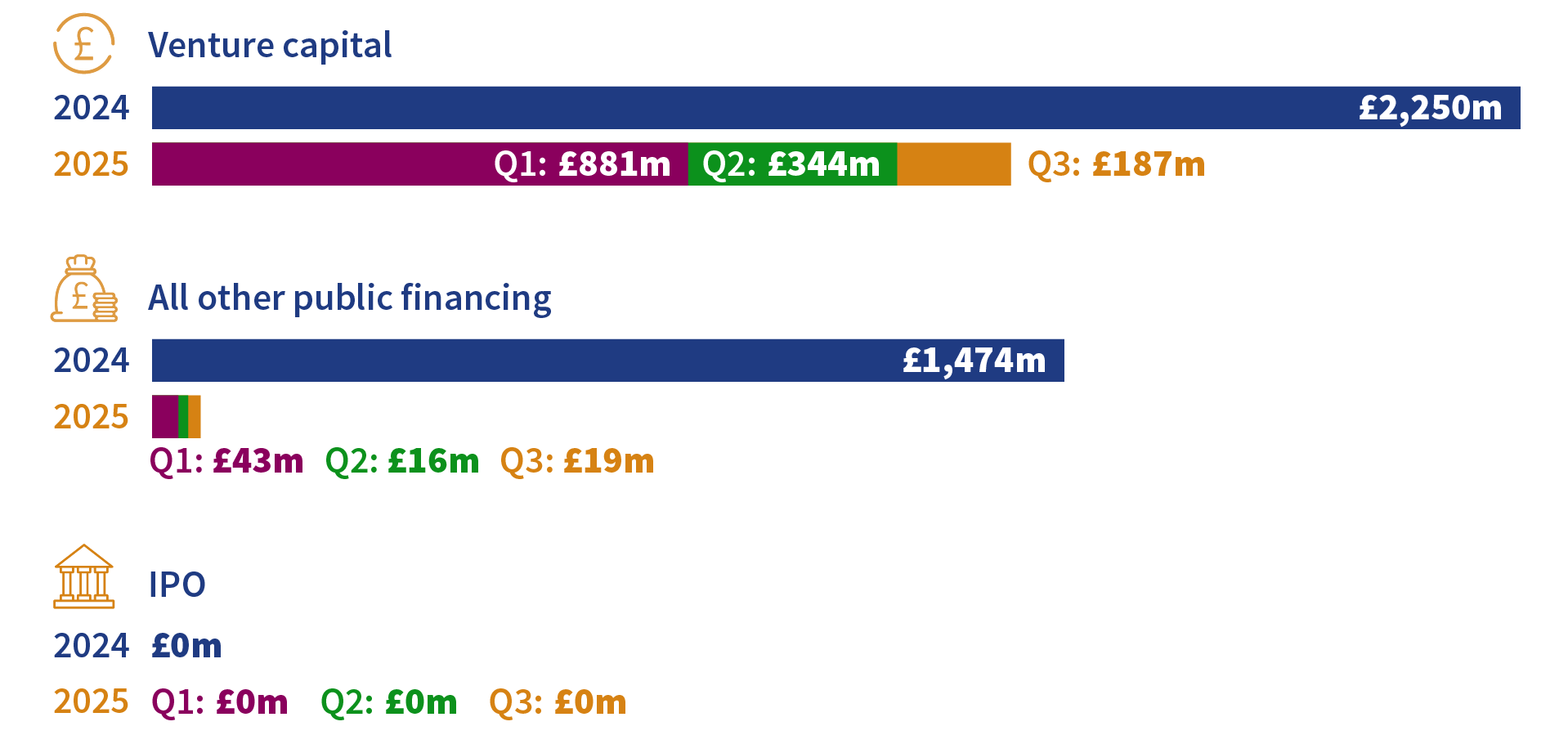
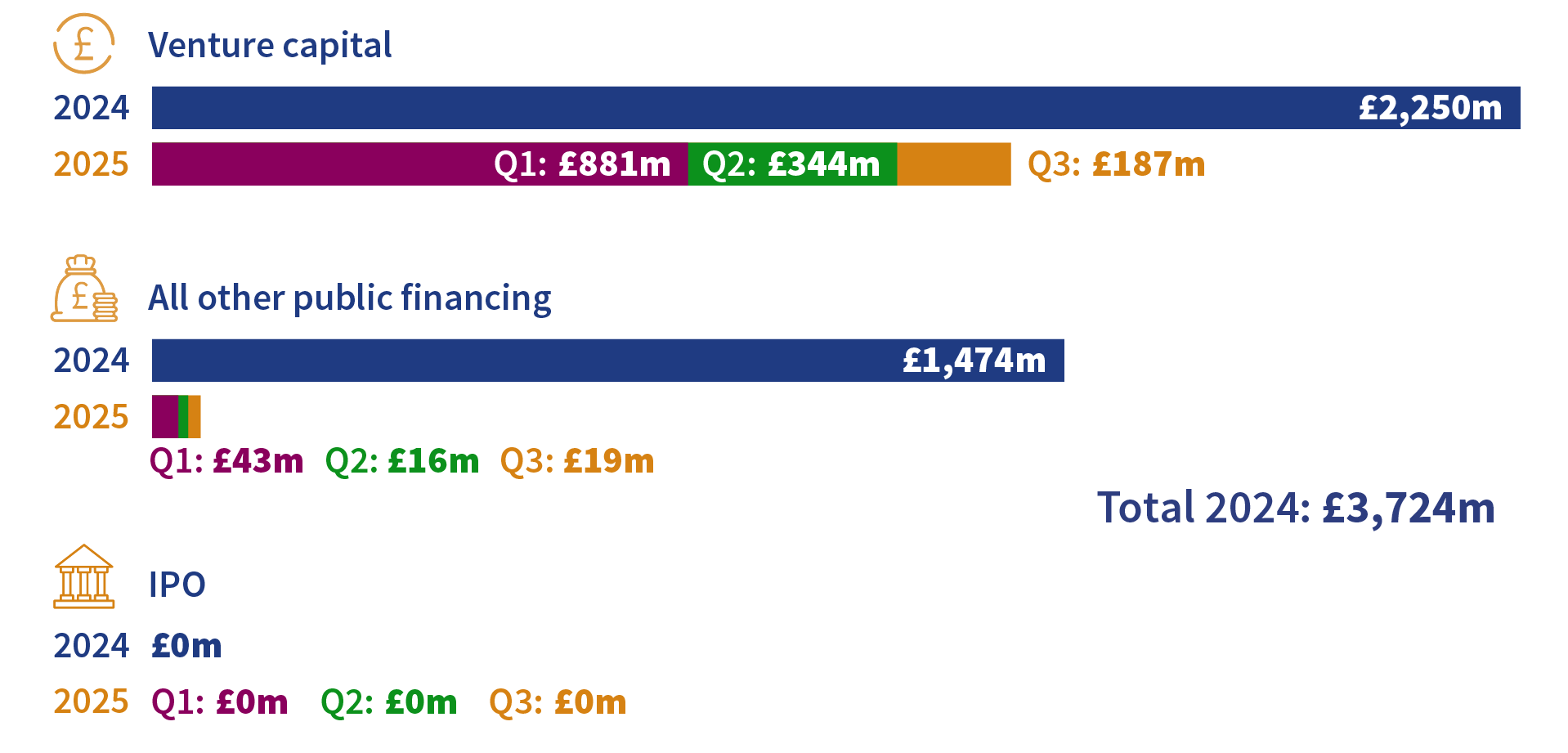
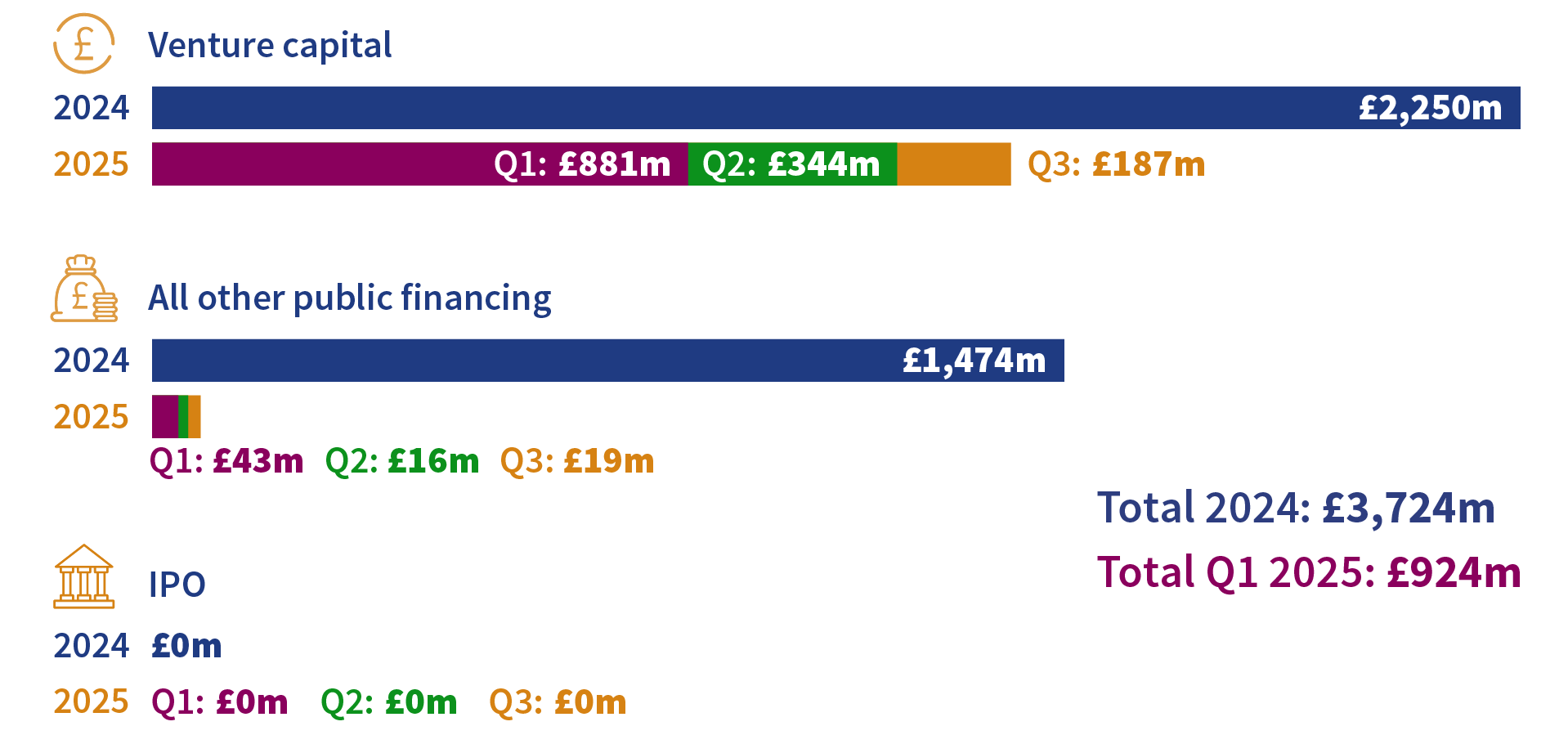
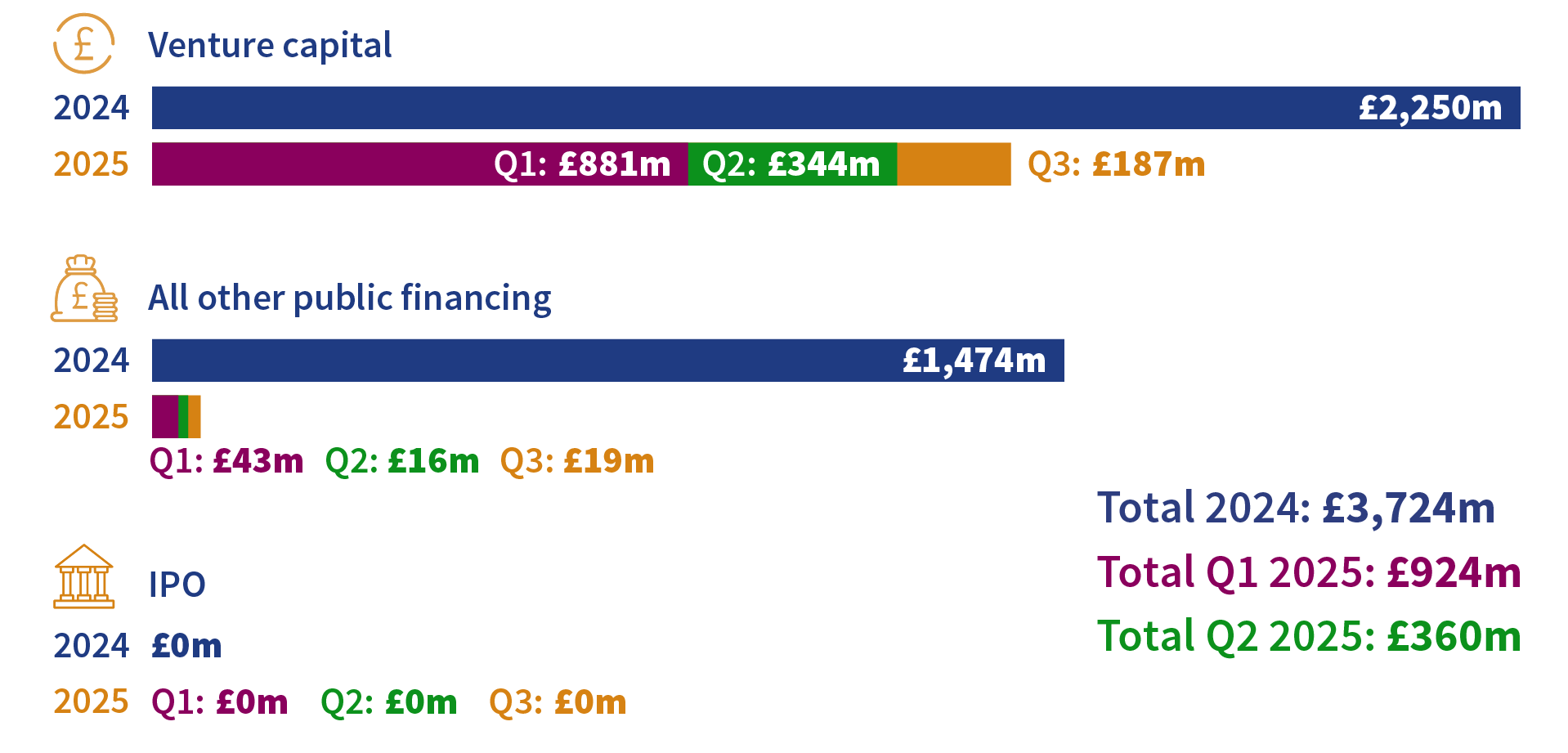
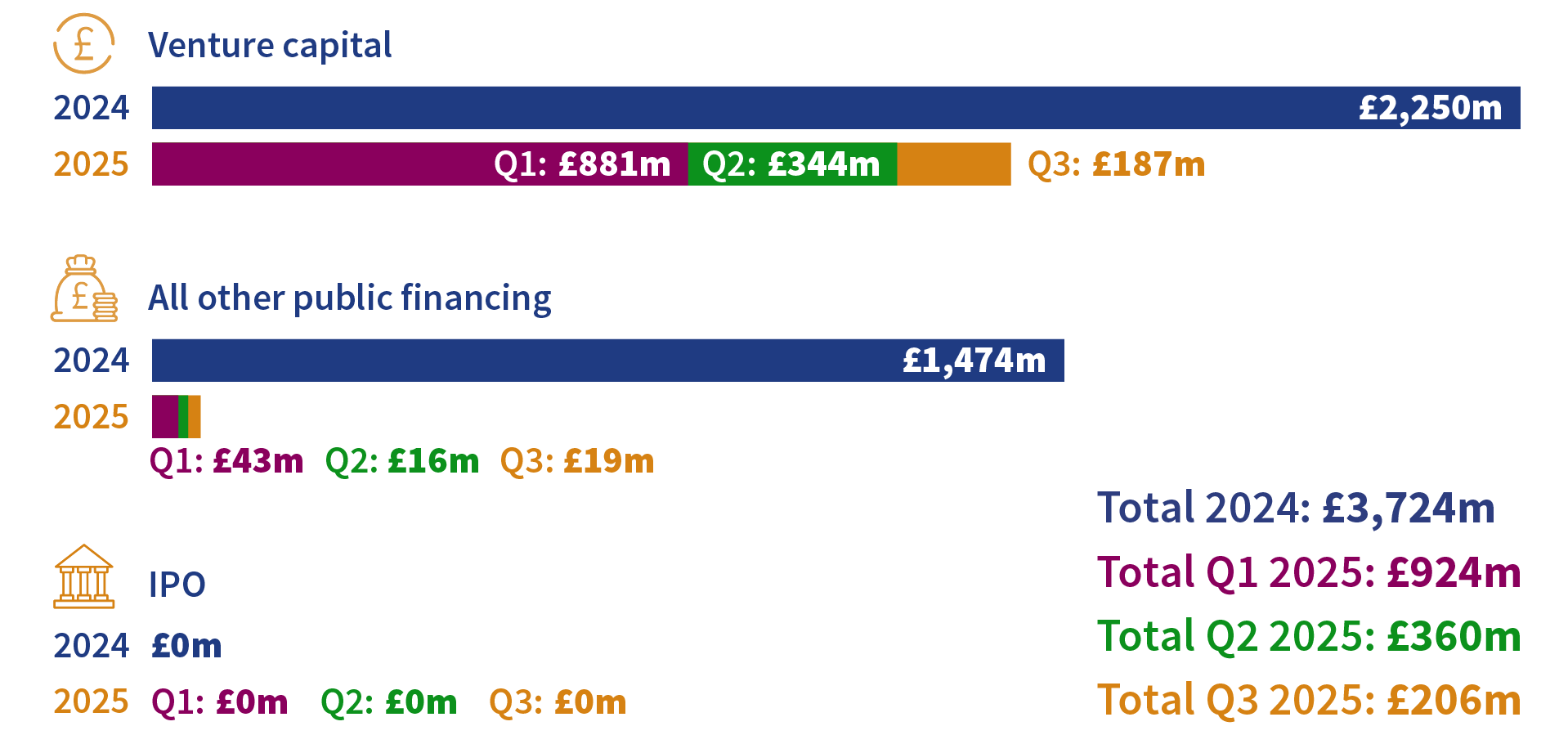
UK biotech companies secured £187 million in venture capital (VC) investment during Q3 2025, representing a 46% decrease compared to the prior quarter (£344 million). This contraction followed global trends as investors showed increased caution. Despite the lower capital volume, the deal count remained the same, with fourteen VC rounds completed.
Across the first three quarters of 2025, UK companies have raised a resilient £1.41 billion in VC funding, already surpassing the £1.25 billion total recorded for the whole of 2023. Funding activity remained concentrated in later-stage financings, with limited seed-stage participation.
The UK’s trend for the quarter was consistent with the wider European market downturn. Biotech venture financing in Europe declined to £832 million (down from £1.21 billion in Q2), signalling a more selective and cautious investment environment across the continent. This contrasts with the US, where biotech venture financing increased to £4.63 billion (up from £3.96 billion in Q2), driven by specific large deals.
In public markets, macroeconomic conditions continued to constrain activity. UK-listed companies raised £29.6 million through follow-on financings compared to £16 million in Q2, while no IPOs were completed during the quarter.
The quarter also saw continued M&A activity, most notably Sanofi’s £1.18 billion acquisition of ViceBio, which underscores ongoing international confidence in the strength of UK biotech innovation and its capacity to generate strategic assets.
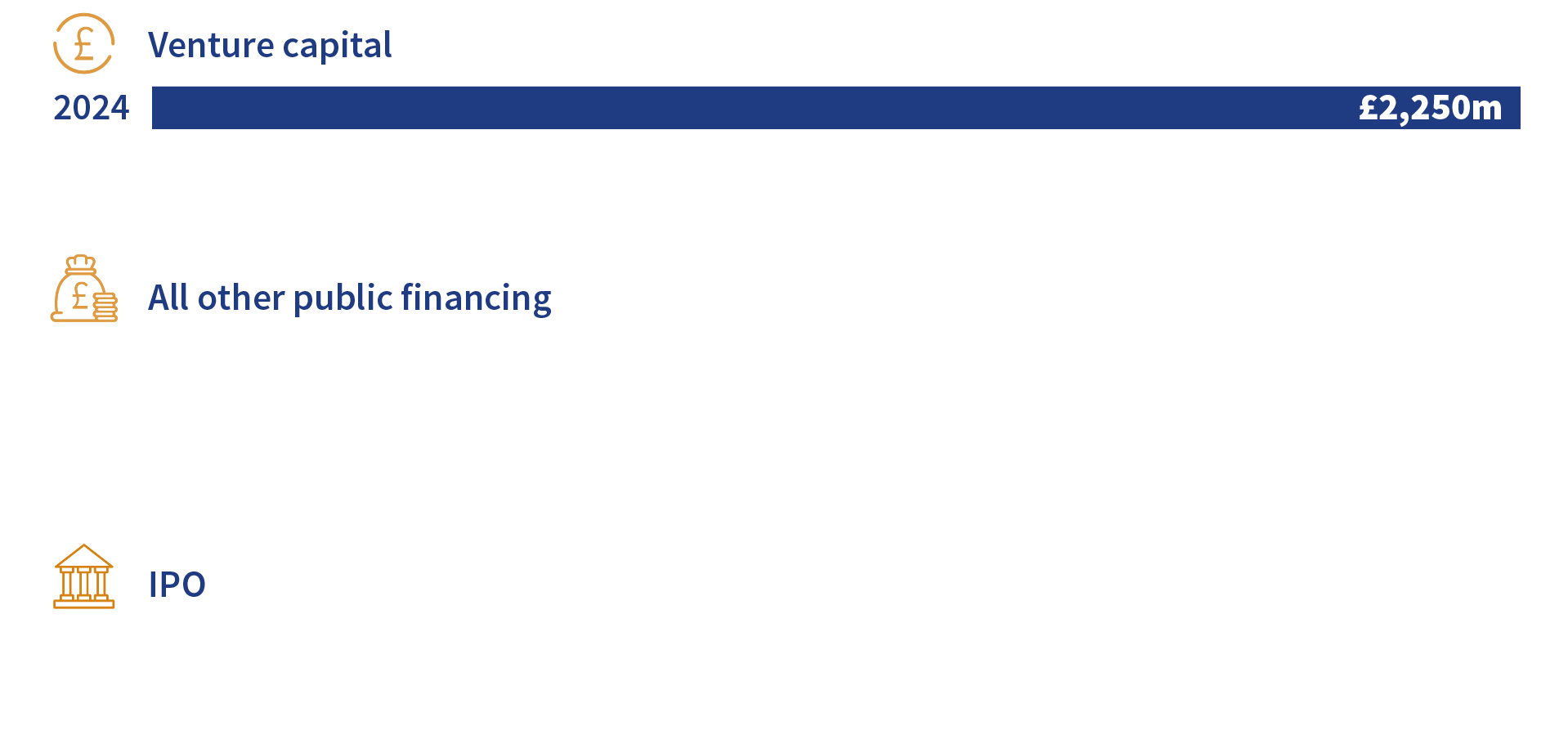
2024 and 2025 Q3 figures at a glance


Jane Wall
Managing Director, BIA
The £1.18 billion acquisition of ViceBio by global player Sanofi is a clear validation of UK science but the overall Q3 figures reflect a fragile sector under strain from the prolonged global funding headwinds.
As we head towards the Autumn Budget, the message to government is clear: global and domestic headwinds can easily undermine our ability to create and scale domestic champions that deliver jobs and economic growth. This is the time to double down on investment and the Industrial Strategy, not look for short-term cost savings. The long-term economic and social returns from backing life science companies and entrepreneurs far outweigh the immediate fiscal pressures.
We have the policy mechanisms ready. Structural reforms like the Mansion House Accord and the recent positive news from key investors like Syncona that they and their shareholders are backing Britain demonstrate that UK capital can be unlocked. We are urging the government to accelerate the delivery of the Industrial Strategy and the Life Sciences Sector Plan, deploy investment through the British Business Bank, unlock UK pension capital and to back innovation and innovators. This is vital for cementing the UK’s position as a global life sciences powerhouse and delivering economic growth in a fragile environment.
 Venture capital
 investment remains central to the success of the UK life sciences sector, driving the year-to-date funding total to an impressive £1.41 billion and providing the foundational capital for innovation and growth.
In Q3 2025, UK venture capital investment reached £187 million, a 72% decrease compared to Q3 2024 (£659 million). Fifteen deals were completed, with later-stage rounds accounting for the majority of capital raised.
The largest UK venture round of the quarter was CHARM Therapeutics’ £59.4 million Series B, co-led by New Enterprise Associates (NEA) and SR One, with participation from existing investors OrbiMed, F-Prime Capital, Khosla Ventures, and NVIDIA. The funding will support clinical development of CHARM’s next-generation menin inhibitor and expansion of its structure-based drug discovery platform, which integrates AI-driven molecular design.
NRG Therapeutics closed a £49.7 million Series B, led by SV Health Investors’ Dementia Discovery Fund (DDF). The financing will enable NRG to achieve clinical proof of concept in ALS/MND and generate clinical data in Parkinson’s disease patients to advance their mitochondrial-targeted approach to neurodegeneration.
Together, these two Series B rounds accounted for over 59% of total VC investment in Q3 2025, reflecting continued investor appetite for clinically focused, high-innovation UK biotech companies.
VC financing in Europe and the US
Across regions, US biotech VC rose by 17% from Q2 to £4.63 billion, while European investment fell to £997 million, down 18% from Q2. The UK accounts for 35% of the regional figure, maintaining its role as the leader for biotech venture funding in Europe.
 Public markets
IPOs
Public market activity reflected the sector’s highly selective and cautious approach to new listings in Q3 2025, but the robust increase in follow-on financing demonstrated underlying investor support for established companies.
No biotech IPOs recorded in the UK in Q3 2025, extending the listing drought. Public equity markets remain volatile, with most companies continuing to prioritise private fundraising.
International IPOs
Biotech IPO activity increased slightly in Q3 2025, with three US companies completing listings and a combined total of £454 million raised.
- Cloudbreak Pharmaceutical raised £57.4 million through an IPO on the Hong Kong Stock Exchange, becoming one of the few US-based biotechs to list in Asia.
- LB Pharmaceuticals completed a £211.1 million IPO on NASDAQ to support the advancement of its central nervous system disorder pipeline.
- MapLight Therapeutics filed to go public on NASDAQ, targeting proceeds of £185.6 million to fund clinical trials for its neurological disease programmes.
Follow-on financings
The secondary public market provided a key source of capital for established companies during the quarter.
UK follow-on financing activity edged higher in Q3 2025, with a total of £18.5 million raised across seven AIM-listed companies, compared to £16 million in Q2. Although the increase is modest, it marks a slight upturn after several quarters of subdued market activity
The majority of this capital was directed toward growth-stage, AIM-listed companies such as Verici Dx, Genedrive, and Avacta Life Sciences, demonstrating confidence in their clinical and commercial milestones.
International follow-ons
International follow-on financing rose sharply in Q3 2025, led by a strong rebound in US markets. US companies raised £5.6 billion, more than double the £2.18 billion recorded in Q2. Massachusetts (£1.63 billion), California (£1.47 billion) and New York (£1.27 billion) remained the primary hubs, together accounting for nearly 75 percent of total US proceeds.
France led European activity with £556 million raised, largely driven by Abivax’s substantial follow-on offering on Euronext Paris. The proceeds will support the commercial launch of Abivax’s inflammatory bowel disease therapy and advance its broader immunology pipeline.
The Netherlands (£148 million) and Switzerland (£122 million) followed, with activity across other European markets remaining limited.
The quarter’s data suggest a gradual improvement in investor sentiment toward public biotech equities globally, with increased appetite for follow-on offerings in established markets and among companies demonstrating late-stage clinical or commercial progress.

Charts, maps and tables are based on BIA analysis of data from Beauhurst, h2Radnor, LSE and Pitchbook, 2025.