
UK biotech financing 2023
The latest UK biotech financing report, published by the BioIndustry Association (BIA)

 Overview
Foreword
Methodology
Executive summary
Equity
Venture capital
Business deals
Public markets
Mergers and acquisitions
Licensing
Grants
UK biotech
share price performance R&D

 Overview
Key findings of the report
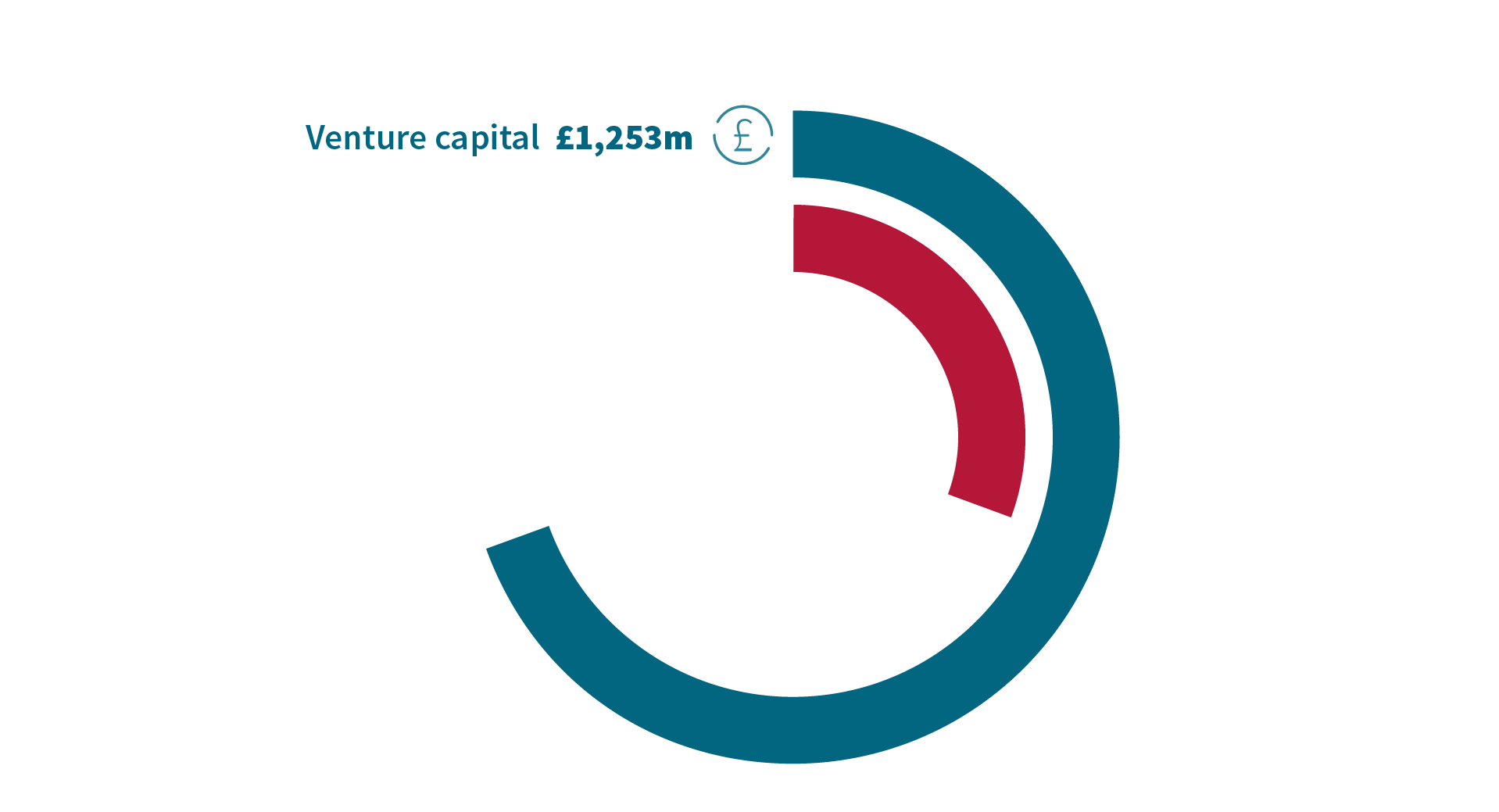
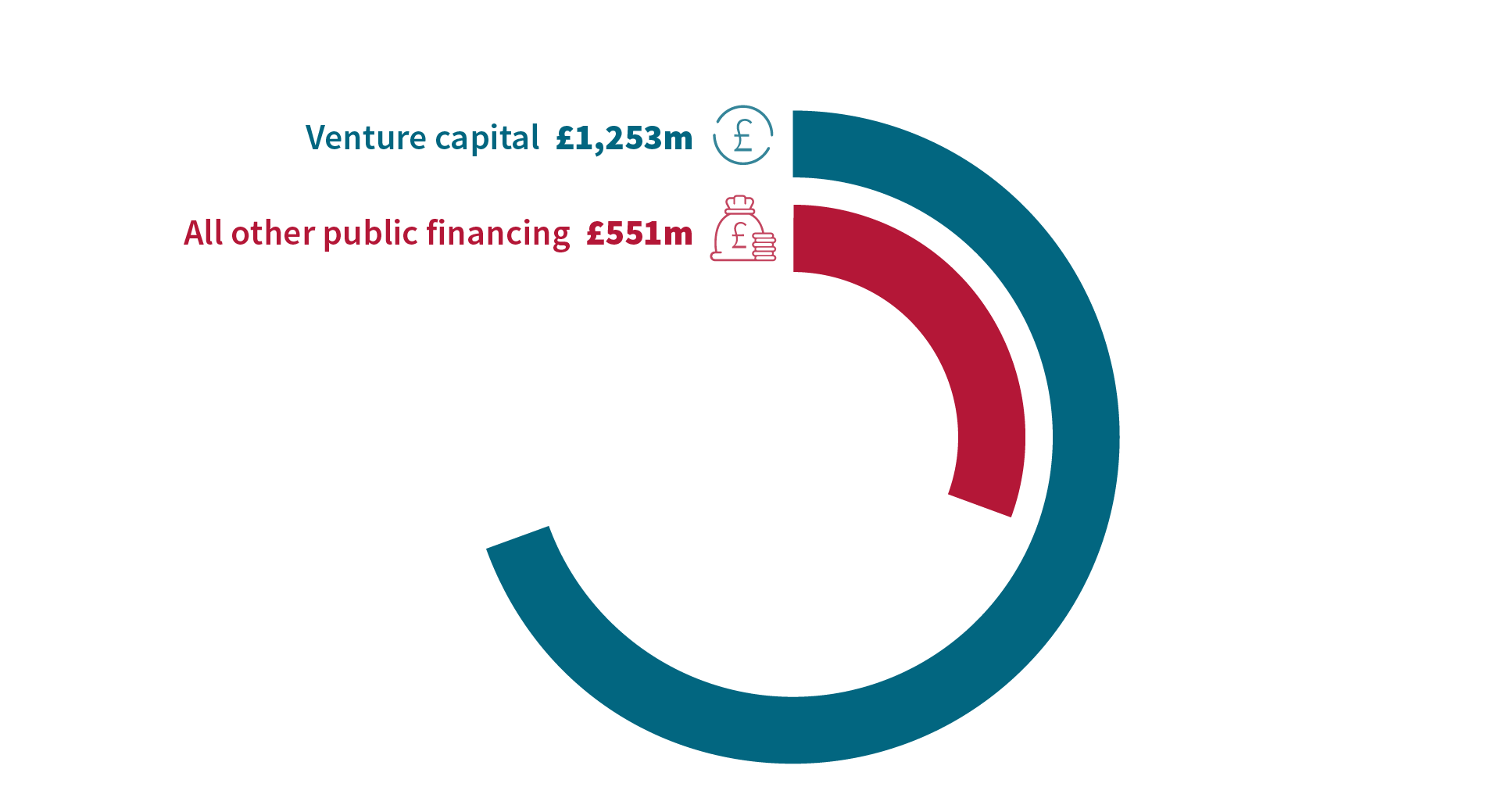
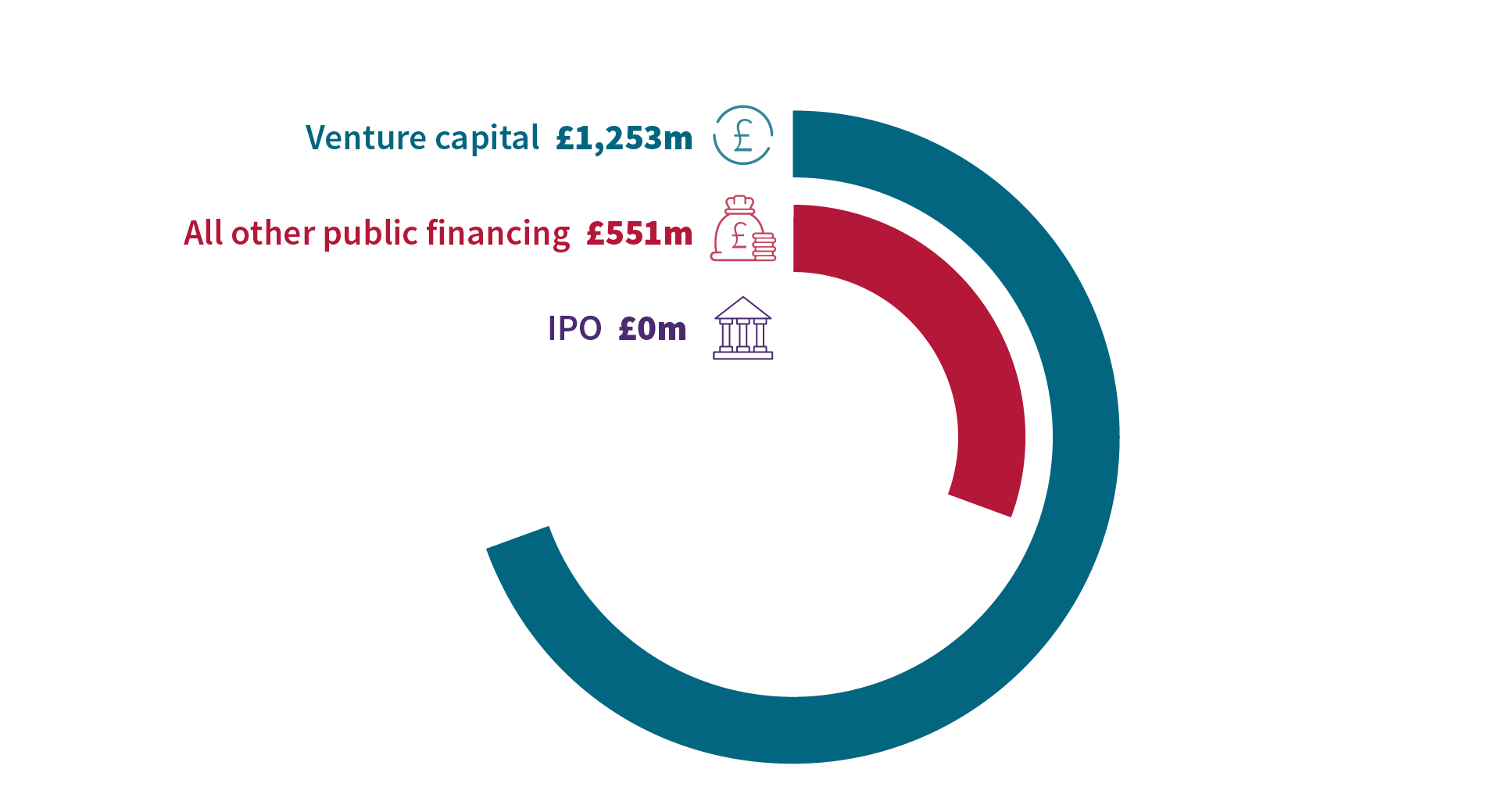
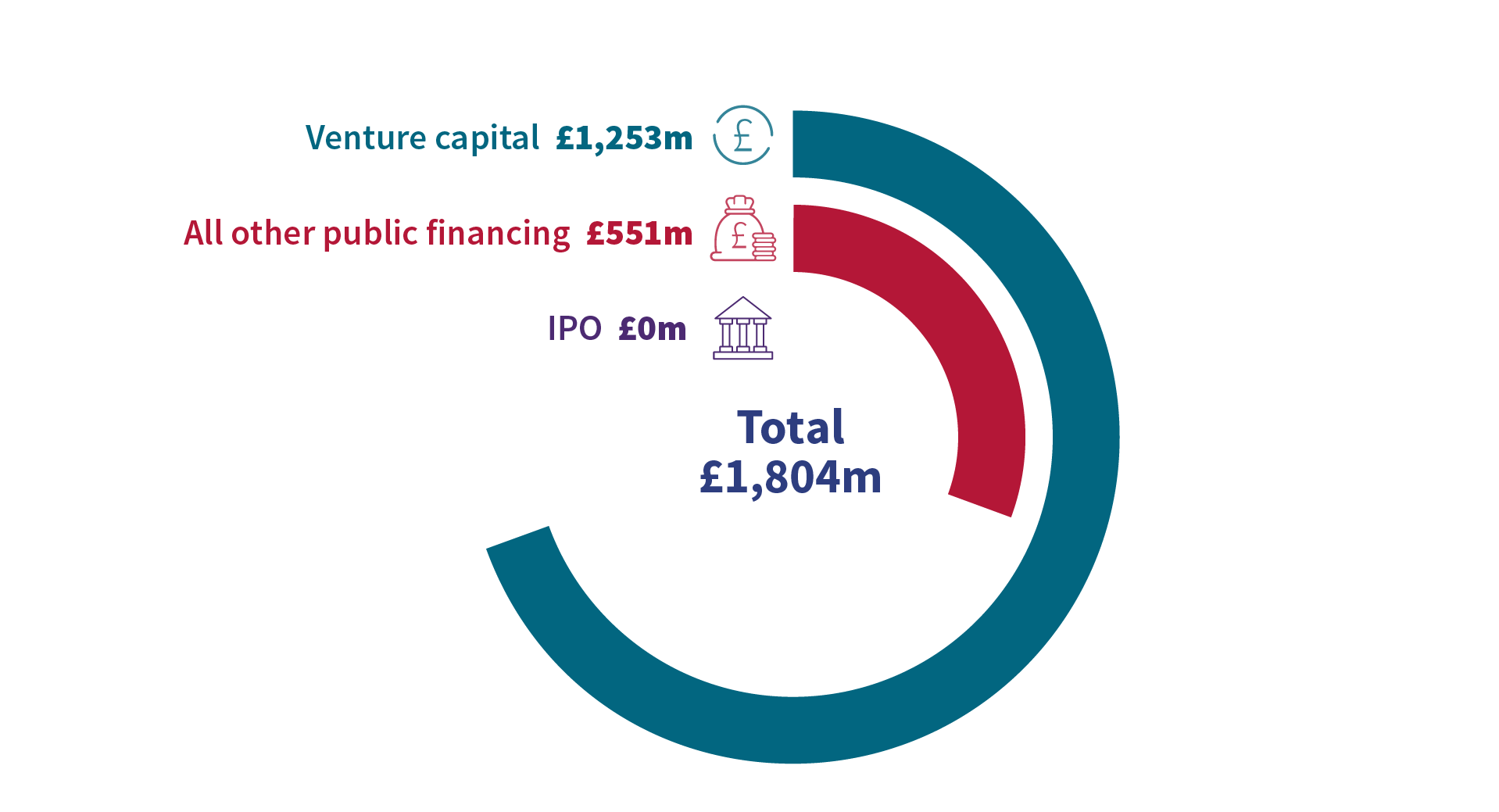
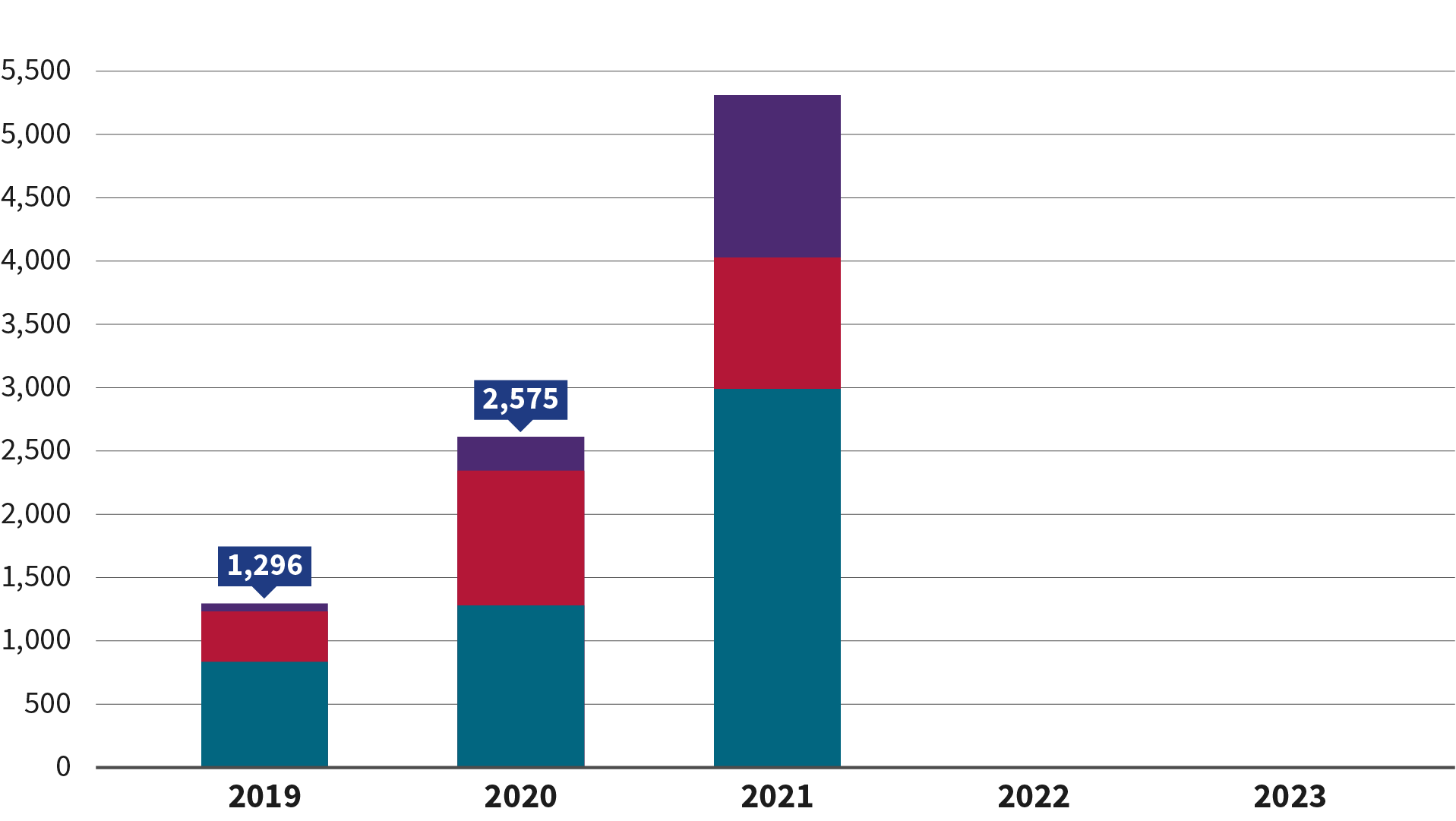
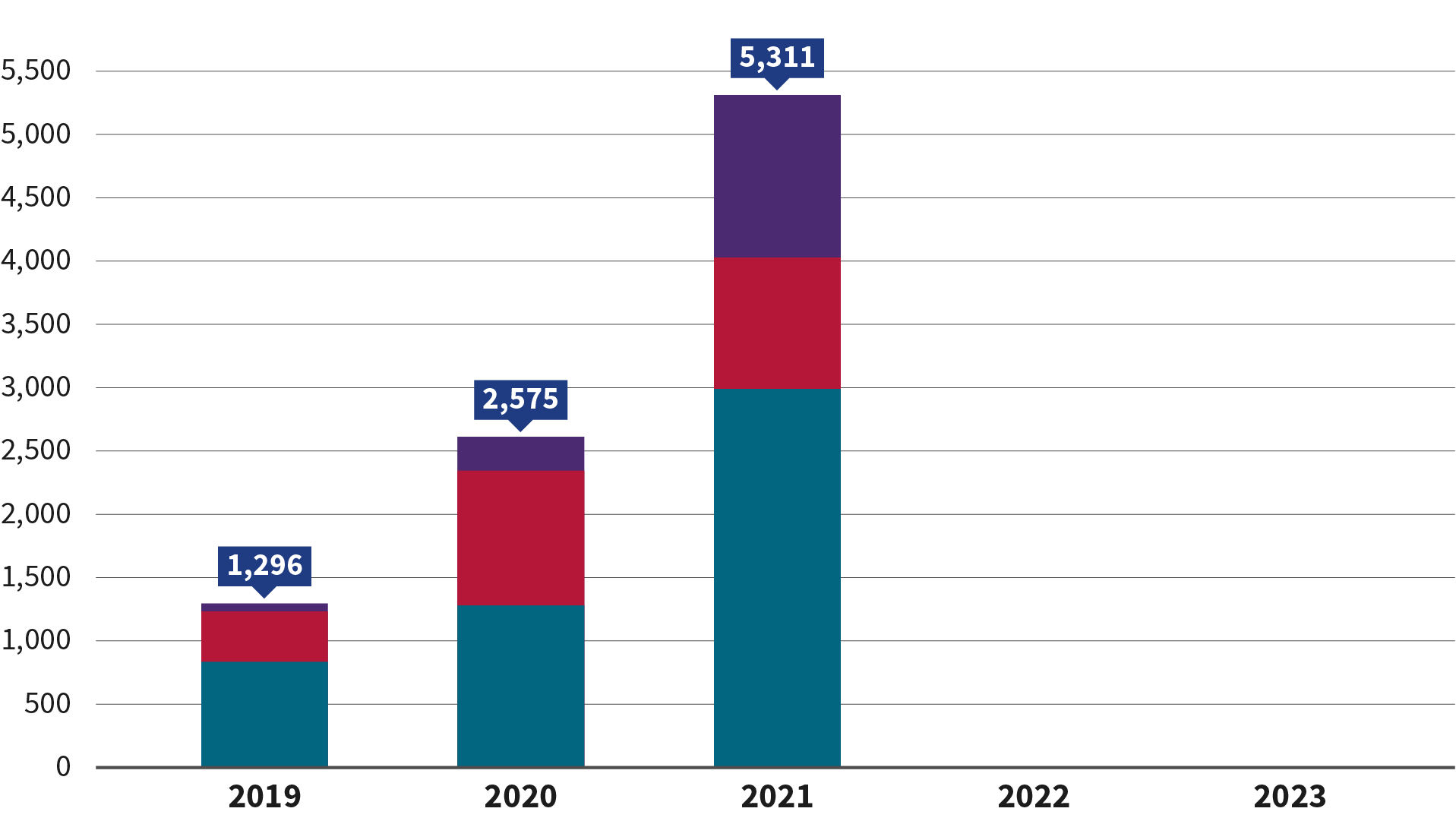
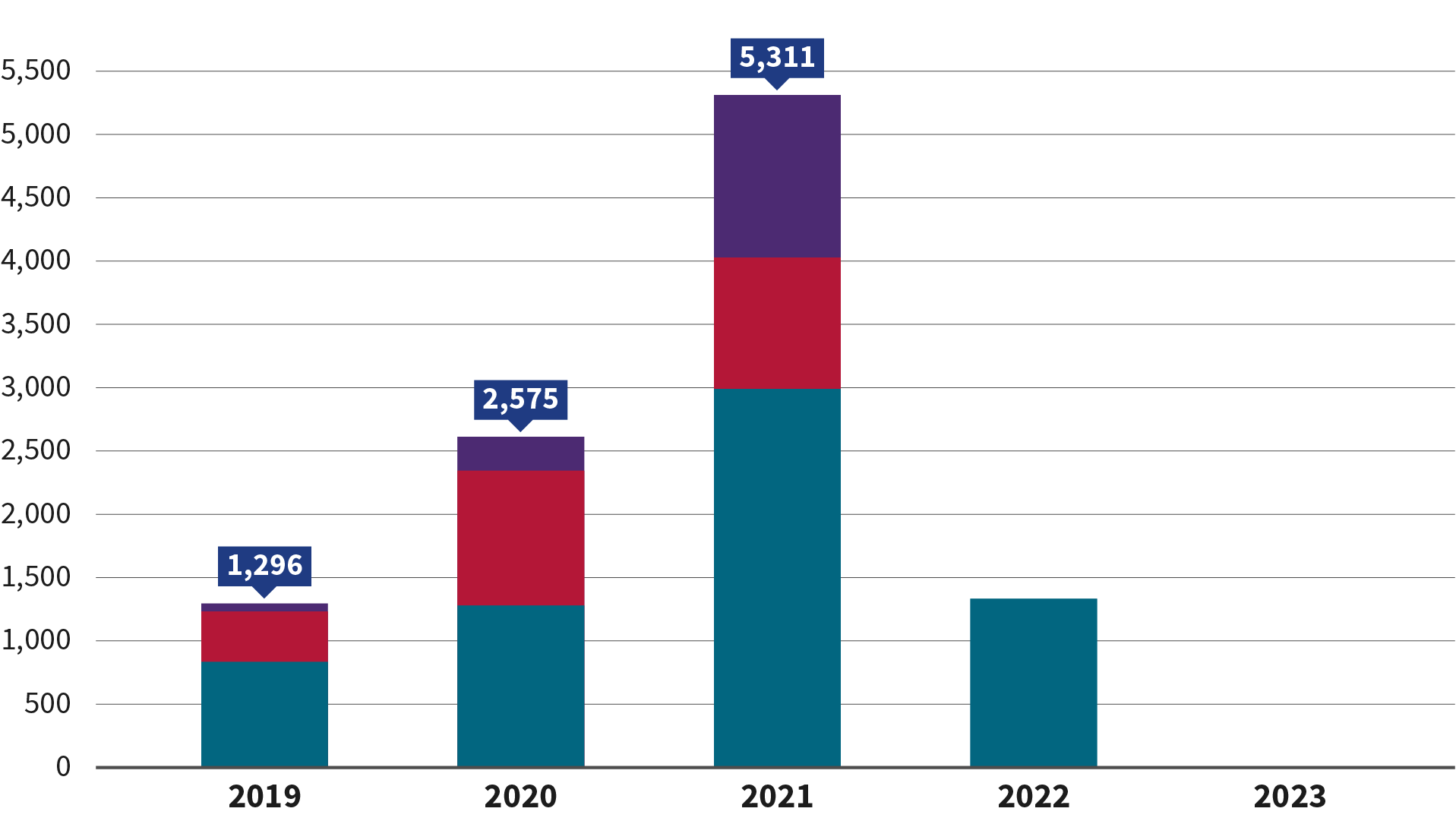
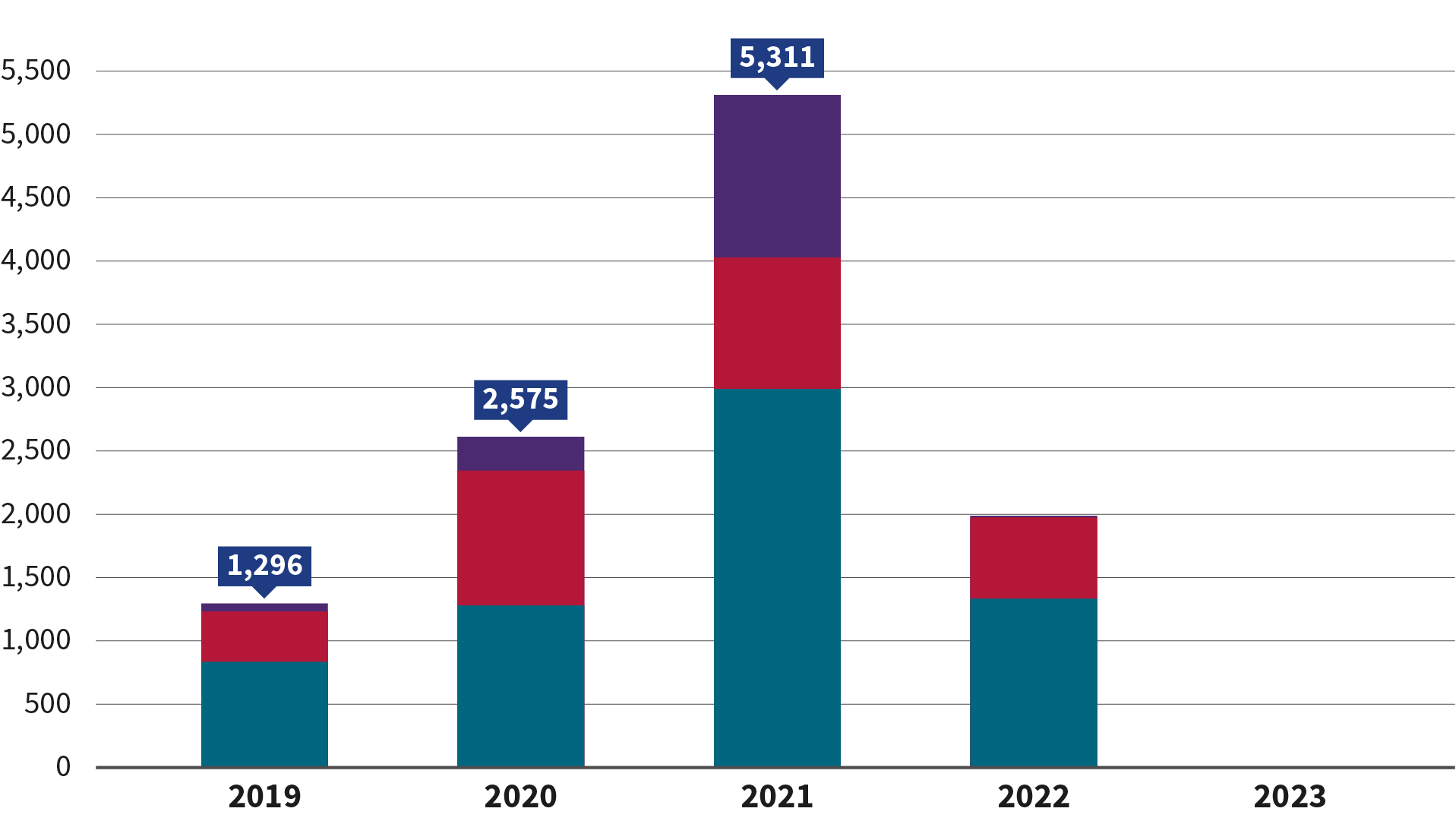
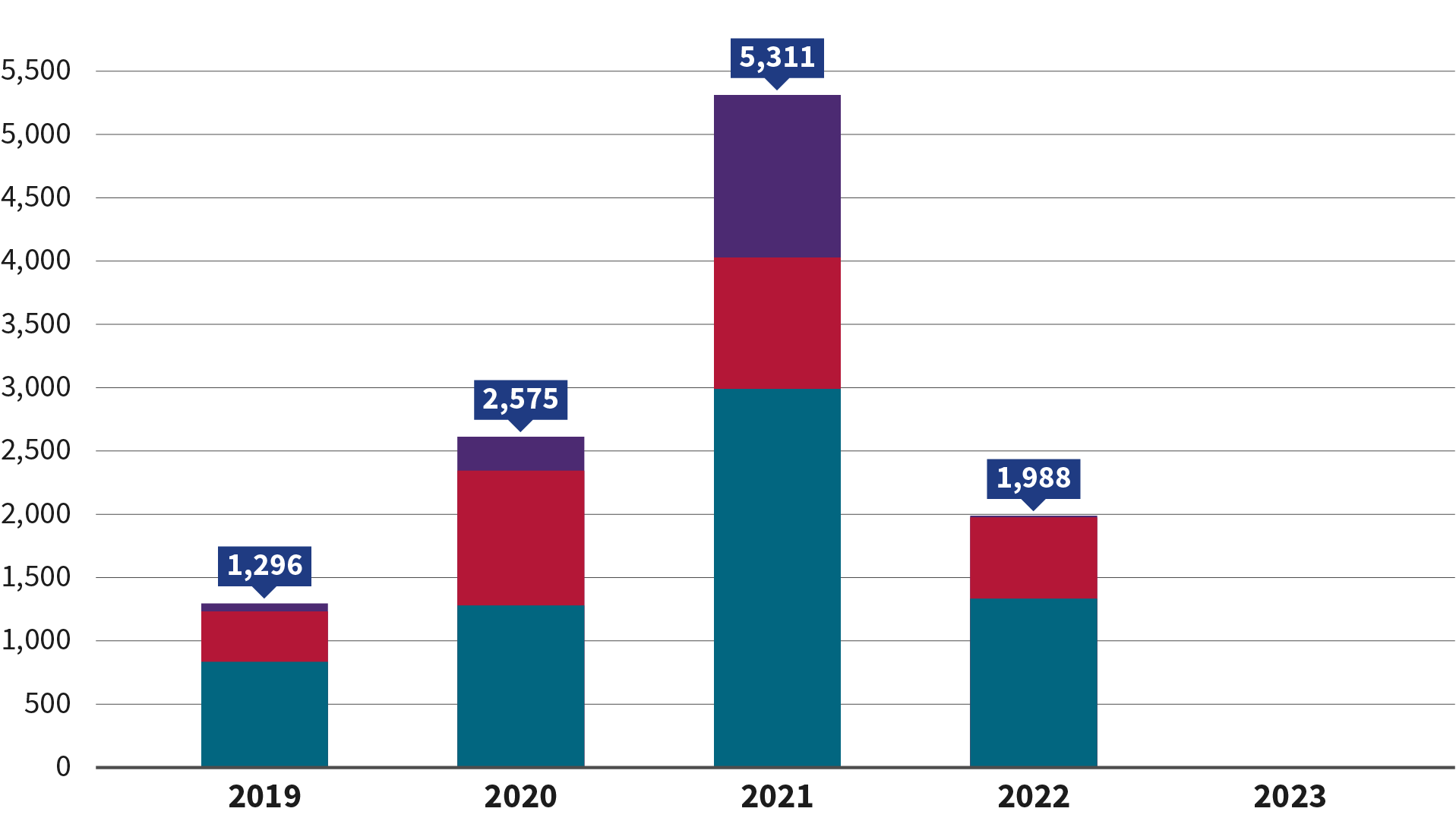
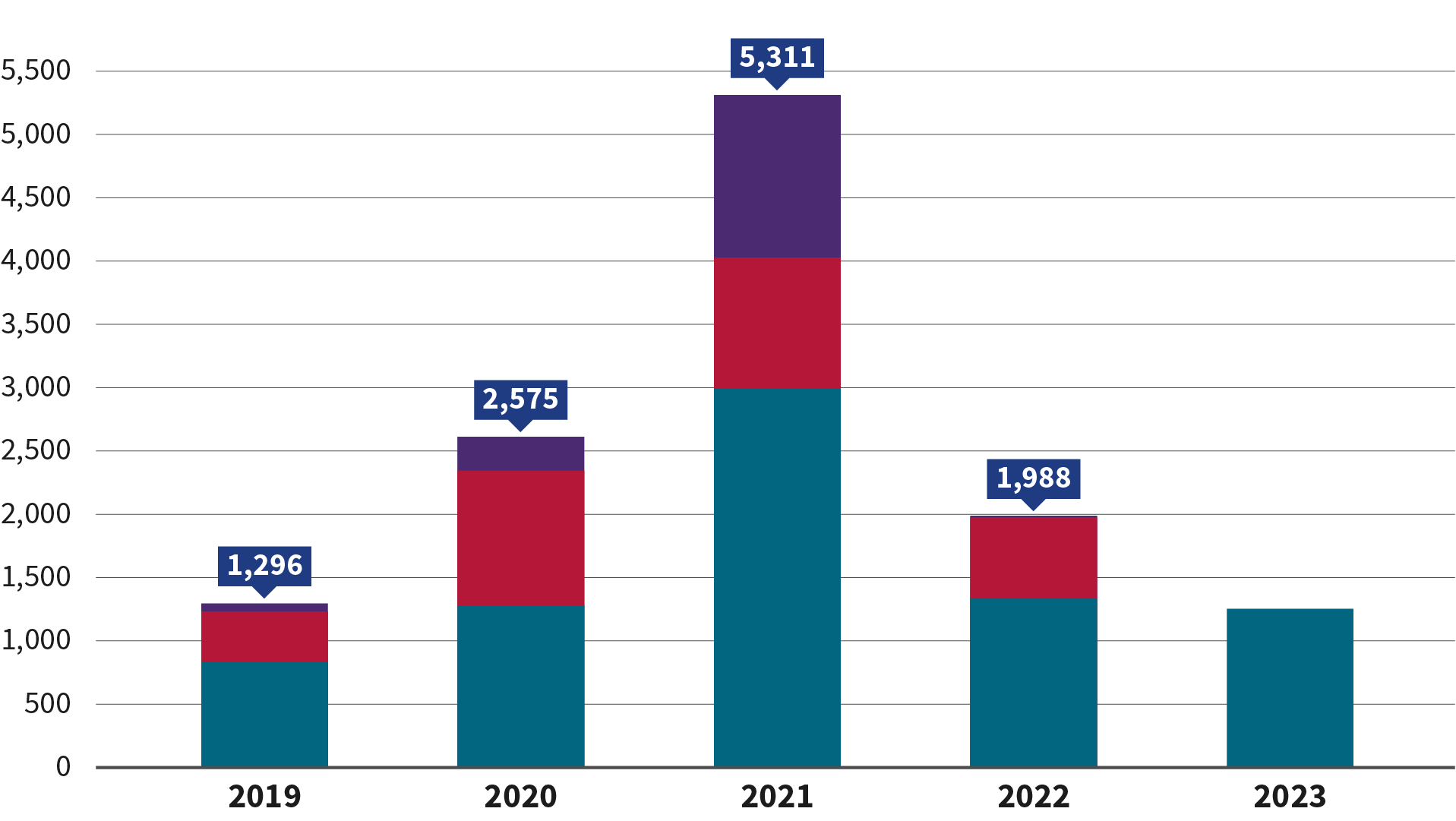
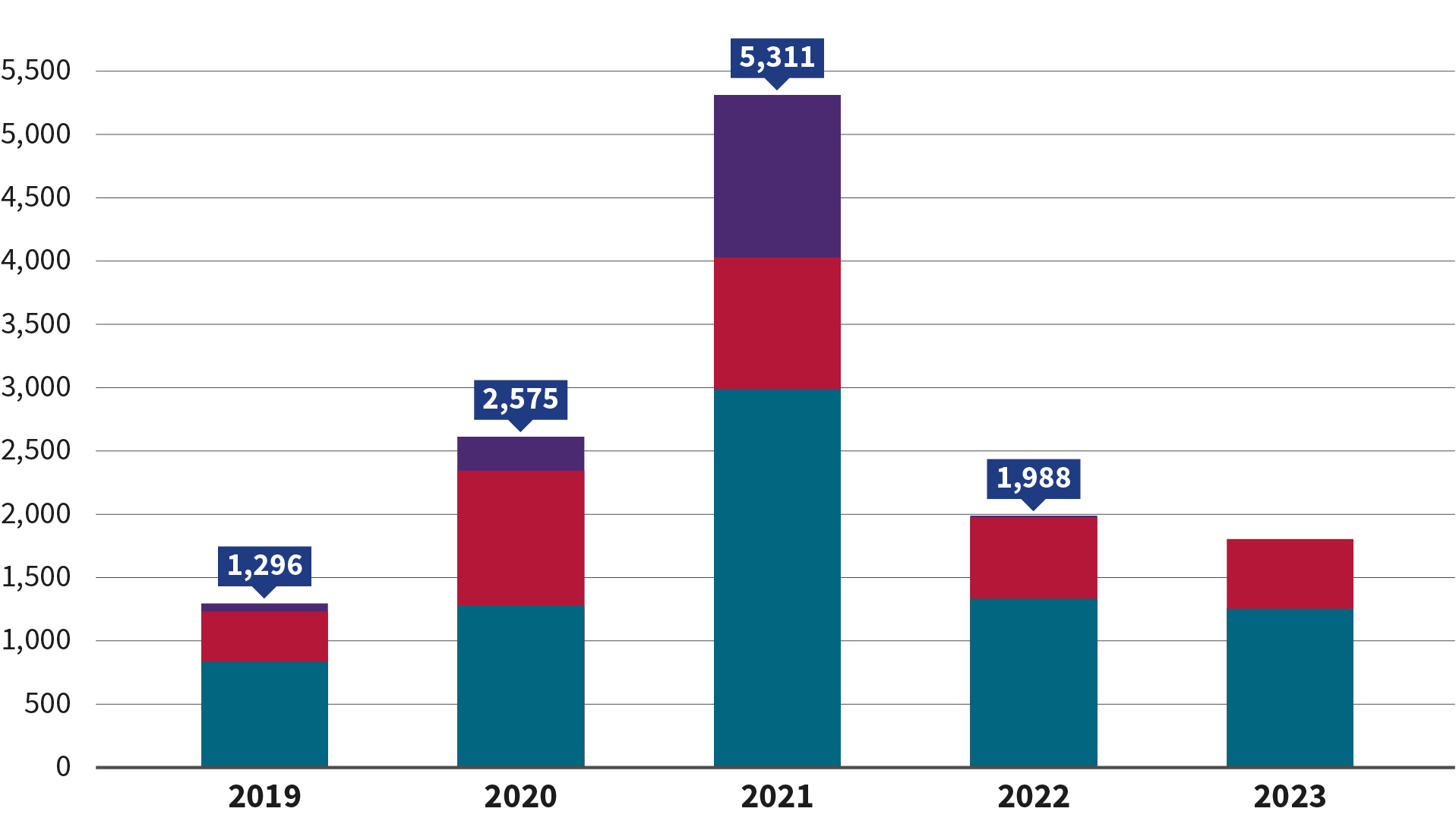
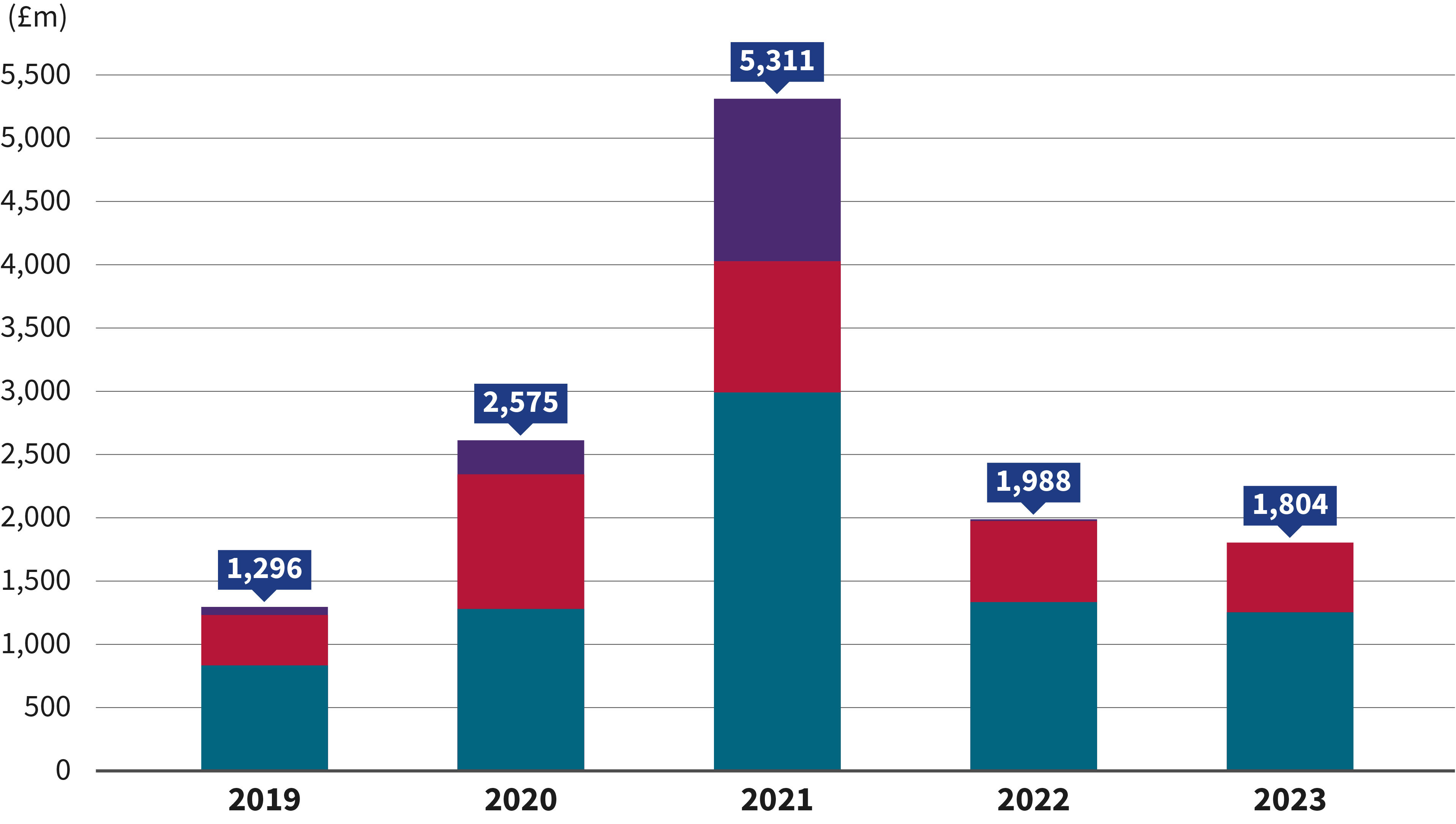
- UK biotechs secured £1.8 billion in equity financings in 2023, down only 9% from 2022.
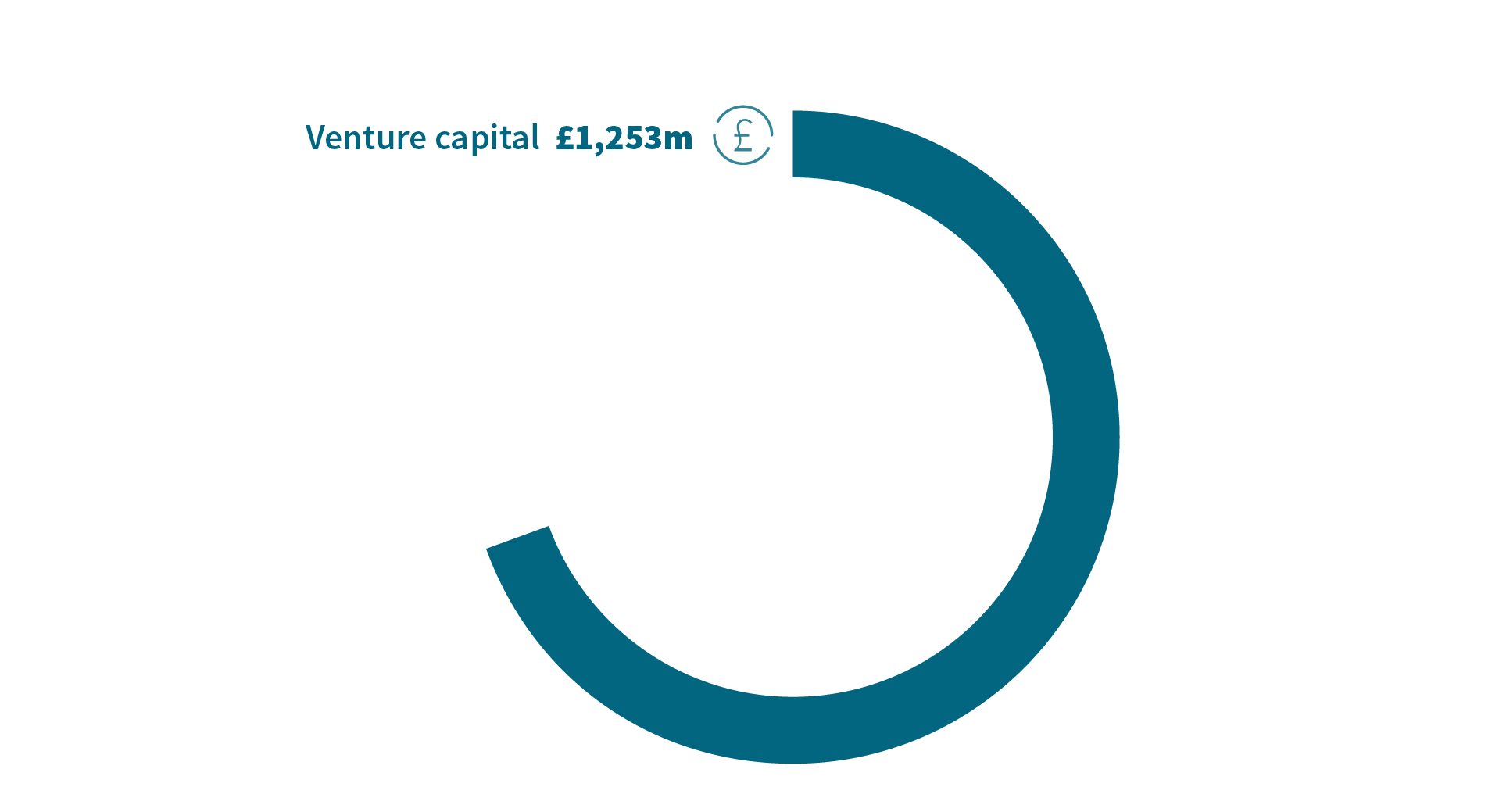
- £1.25 billion was raised in venture capital in 2023, only a 6% decrease year-on-year, against a backdrop of 43% reduction for all UK VC investment.
- The UK retains top spot in Europe, receiving 41% of total venture capital invested into biotechs across the region.
- The collective share price of London-quoted UK biotechs is up approximately 250% compared to pre-pandemic levels, showing the sector delivers long-term returns for investors.
- Public follow-ons remained stable and there were no new market launches due to continued low investor appetite, however, two European listings on Nasdaq signals a potential recovery on the horizon.
- The UK leads Europe with the highest number of companies conducting clinical trials, and major licensing and M&A deals demonstrate the ongoing quality and attractiveness of UK science.

 Foreword

Steve Bates OBE
CEO, BIA
In 2015, BIA published our Vision for the UK life sciences sector in 2025, which set out where we wanted to be in what is now next year. Naturally, increasing growth equity was a key enabler we identified for our ecosystem, and we said unlocking pension funds would be our pathway to achieve this.
Our annual finance reports, which we have published every year since 2015, provide a benchmark by which we measure the ongoing success of UK biotech. This year, we are proud to have brought production fully in-house for the first time, to enable us to leverage multiple data sources to give a more bespoke insight into the dynamics of our fantastic ecosystem.
We have seen some incredible highs for our sector since 2015, and in 2021 we smashed the target we set ourselves in the Vision to have ten times more investment. But, like all sectors, there are lows too, and 2023 was a tough year for many companies in our sector, as investors held off making new commitments as interest rates rose and budgets tightened for everyone.
There are many reasons to be positive, however. The science is stronger than ever, young scientists and entrepreneurs are building exciting companies in the UK at the cutting edge of science and technology – many in the new space we call TechBio – and investment levels and deal sizes are still better than they were pre-pandemic.
Perhaps the biggest reason for optimism, is that, in 2023, the UK’s pensions industry committed to investing 5% of their assets into unlisted companies by 2030, including in the life sciences sector. As Dan Mahony, BIA’s Chair and the UK Government’s Life Sciences Investment Envoy, explains in his commentary later in this report, the Mansion House Compact was a watershed moment for the financing of our sector that promises to unlock £50 billion of capital from its pension fund signatories.
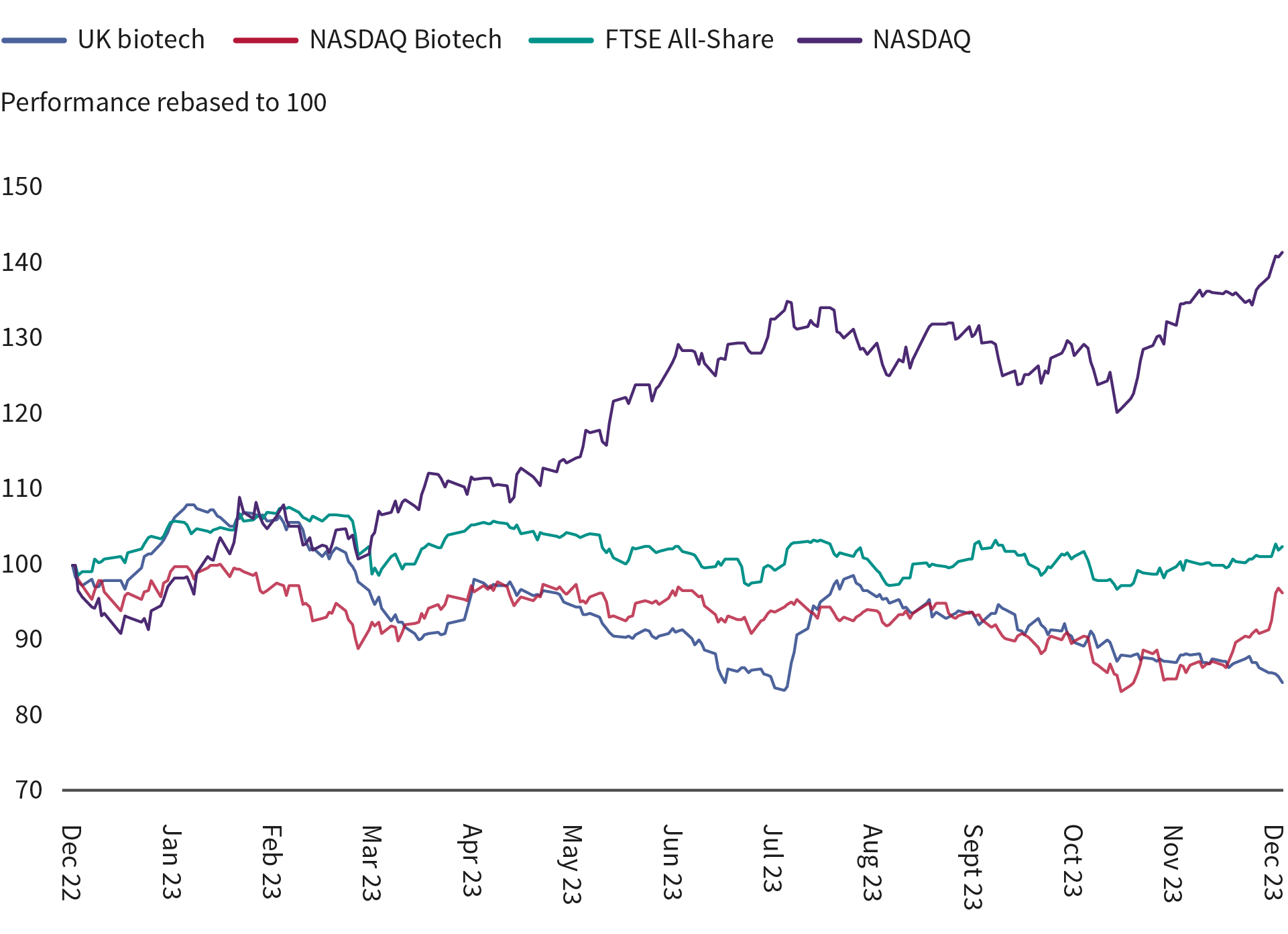
Our sector is ripe for investment. For the first time in this report, we are able to publish share price performance data. It shows UK biotech companies on the London Stock Exchange outperformed the wider market, and even the Nasdaq biotech index, in the past five years.
We are also pleased to publish more detailed information on who is currently investing in our sector at different stages – expert investors from the UK and beyond who recognise and value the opportunity our ecosystem presents for financial gains and new medicines that transform lives.
So, to those new to UK biotech: welcome, I hope this report provides insight into the quality companies we have and the experts with whom you can partner to gain access to them. And to our members, partners, and investors in our ecosystem, thank you for your support. I hope you enjoy this report and will share it far and wide to spread the word on what we have to offer.
 Executive summary
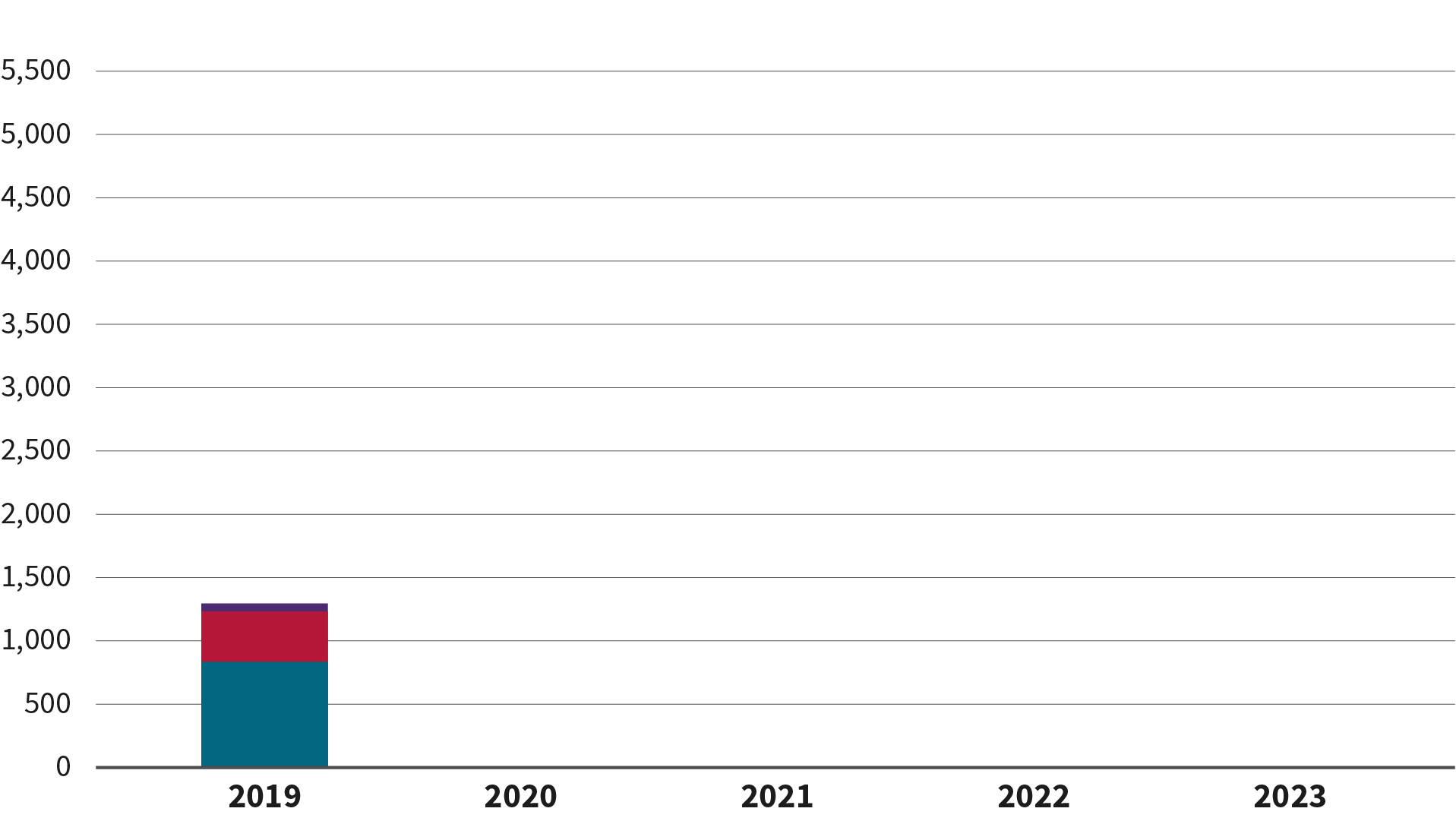
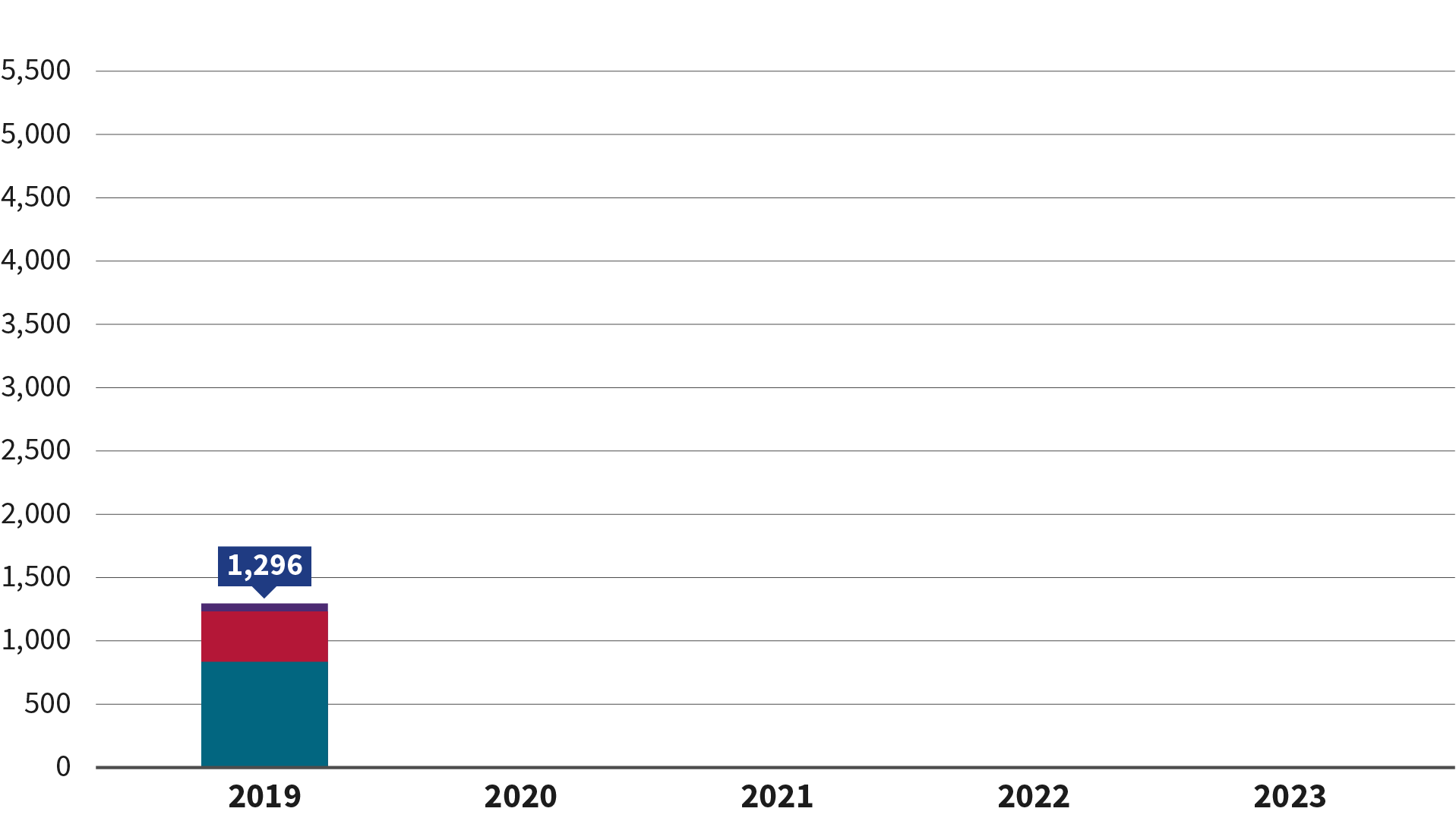
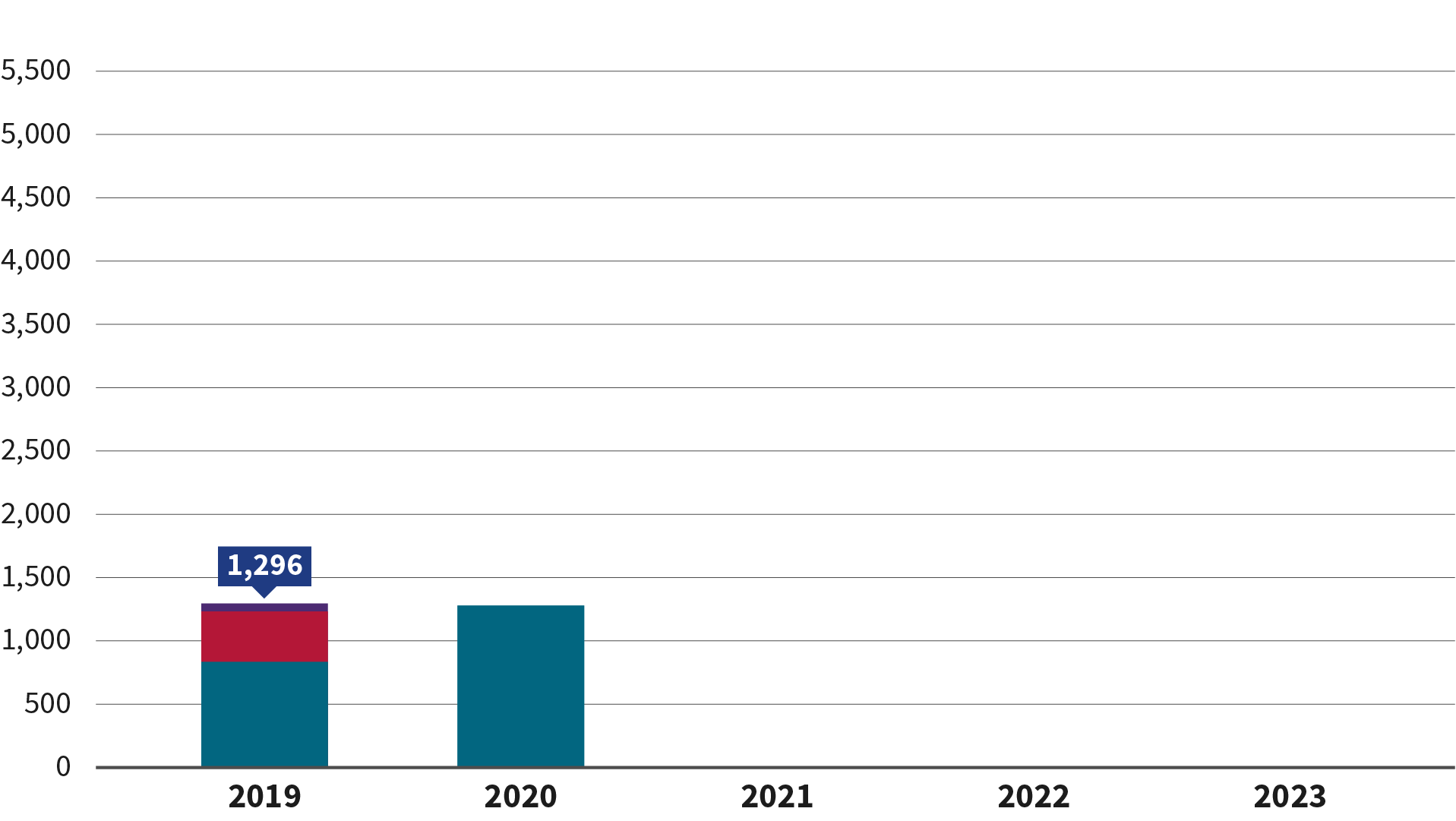
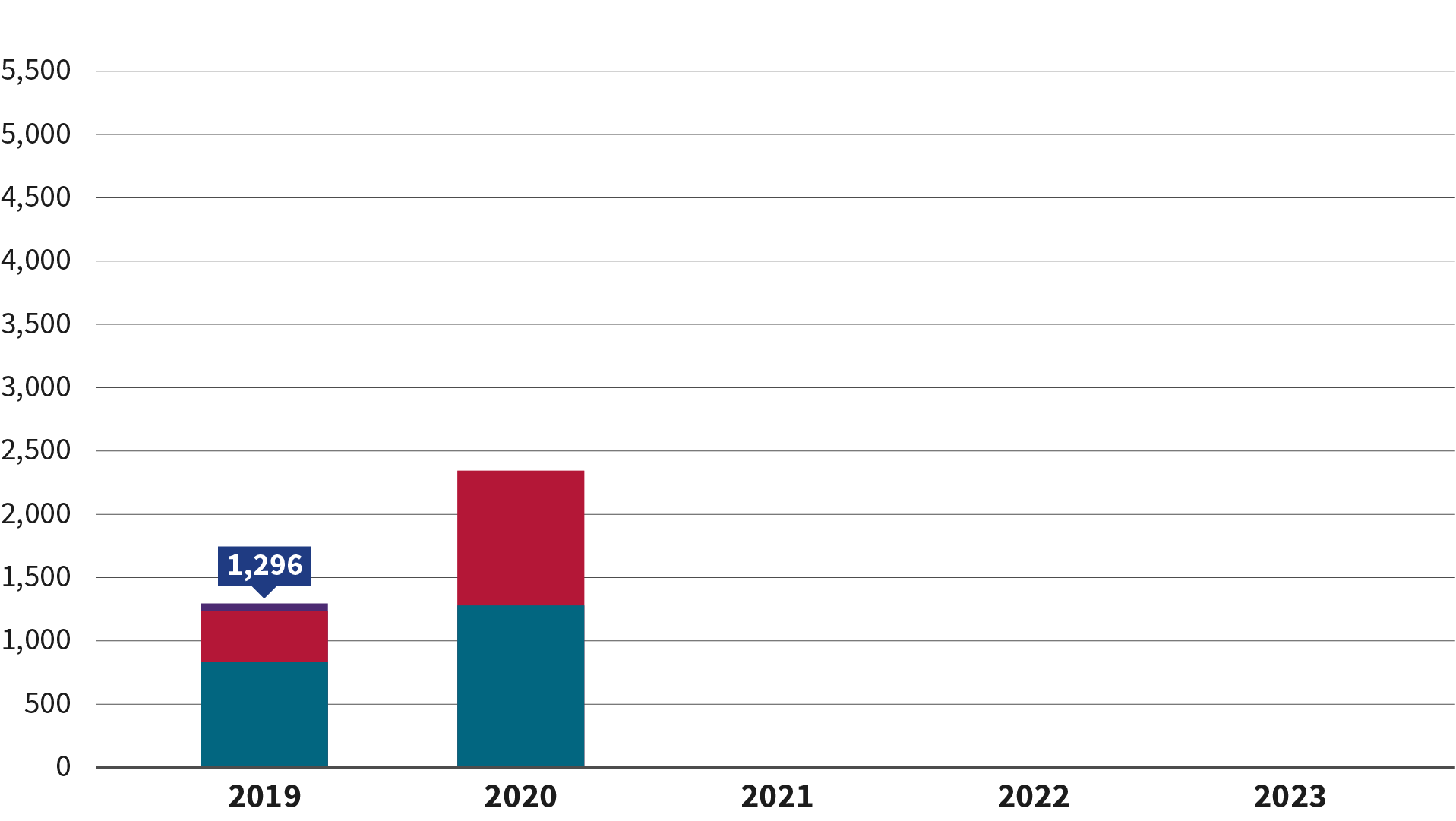
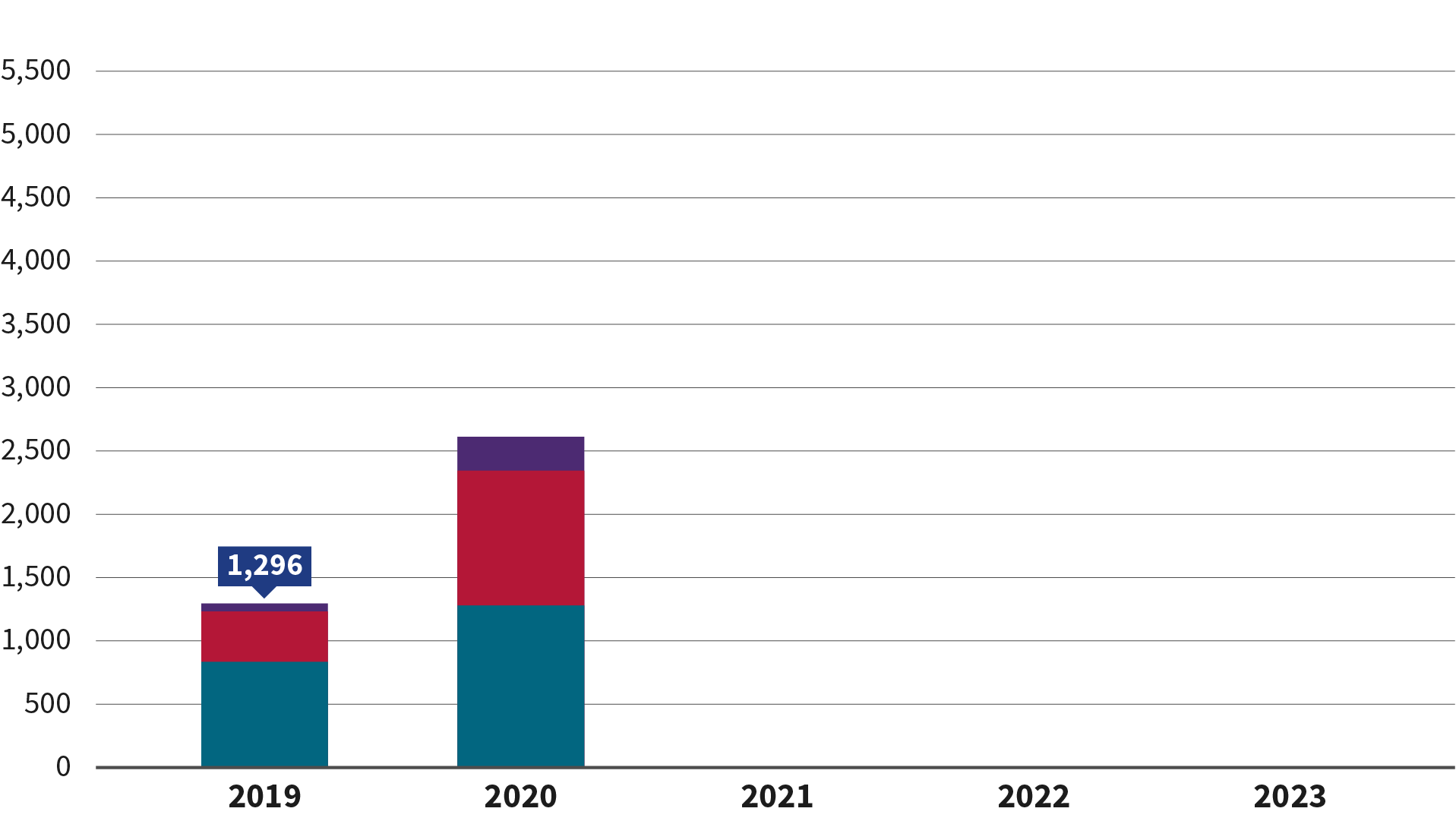
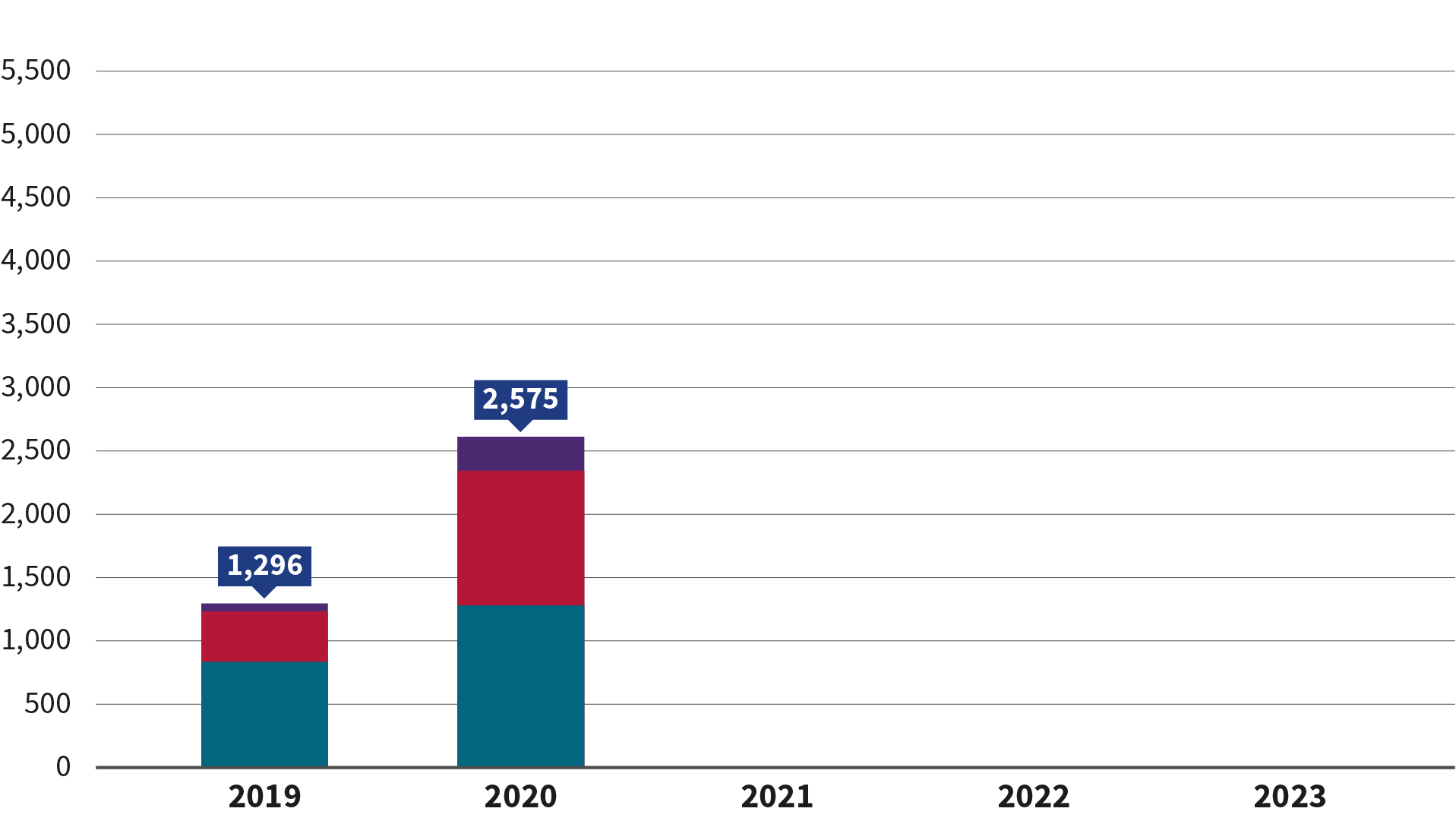
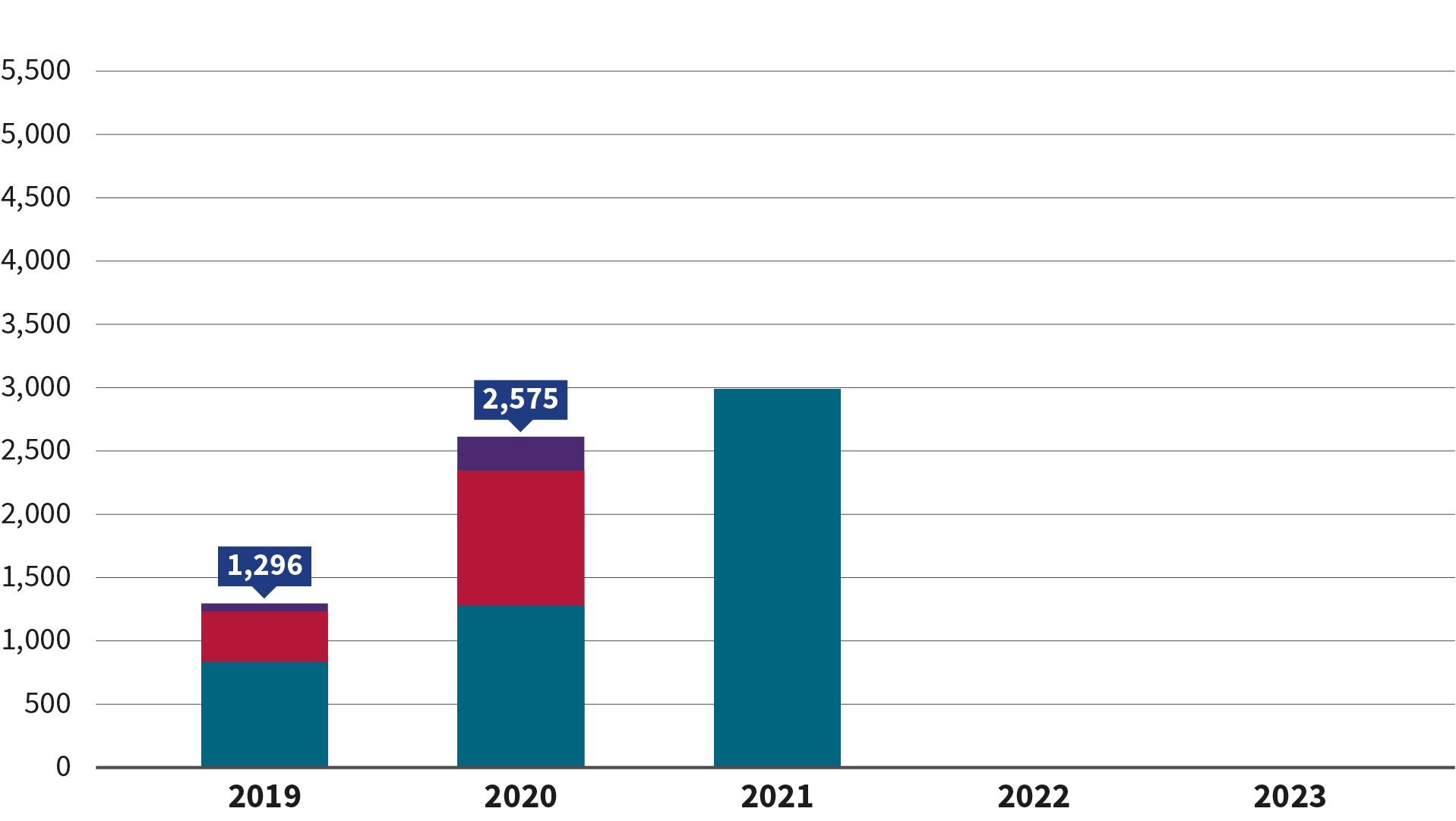
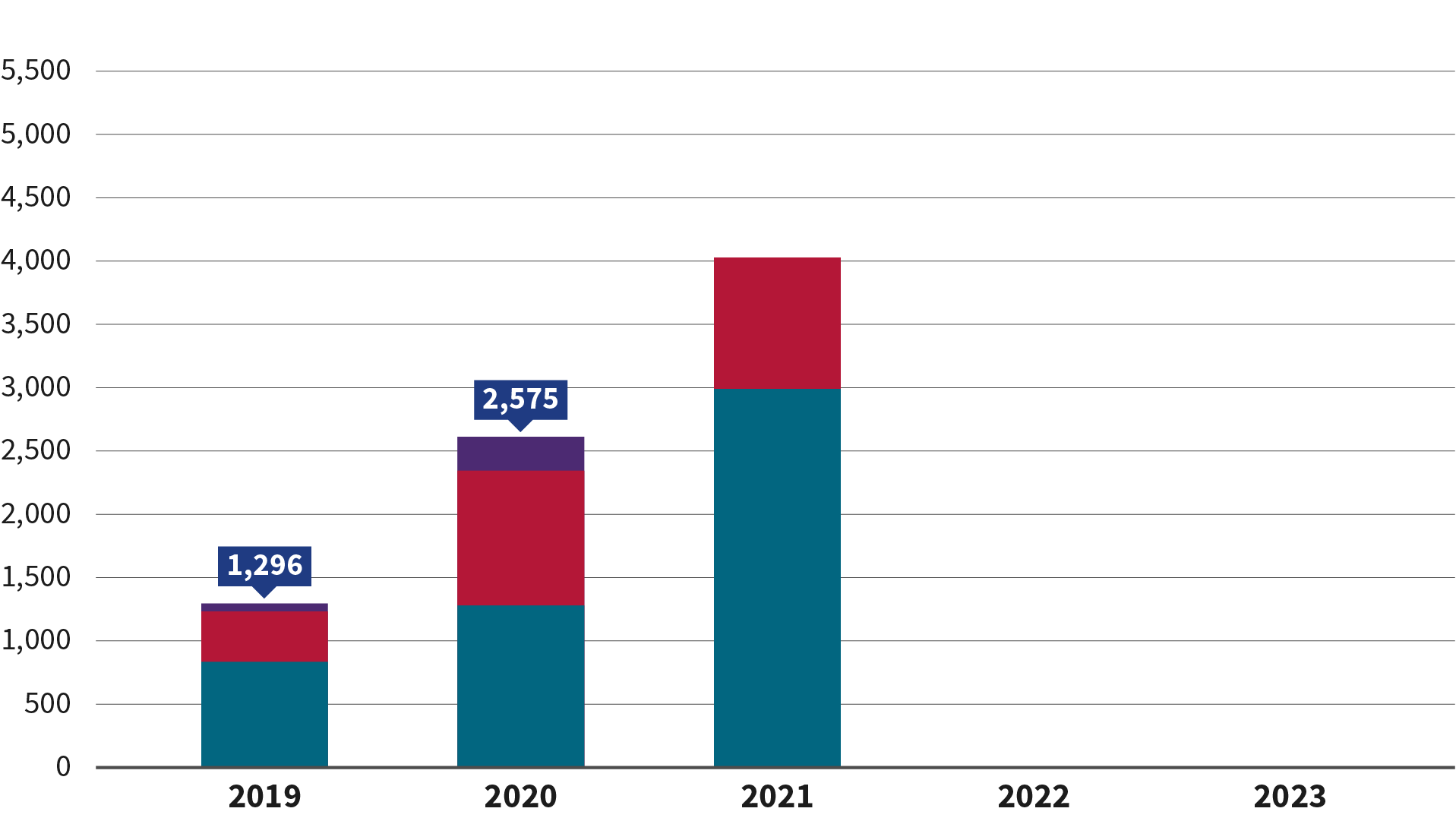
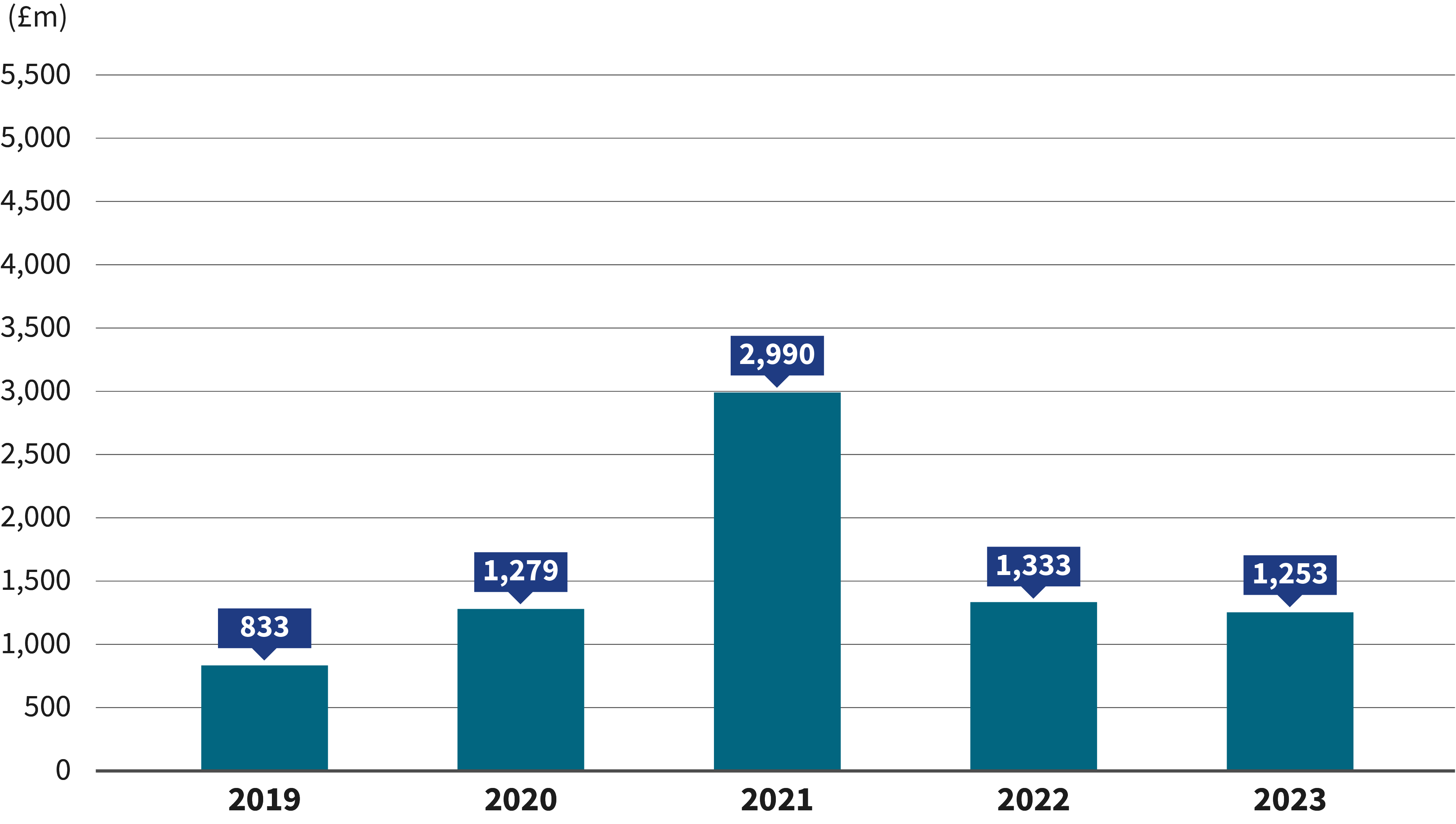
A total of £1.8 billion in equity finance was invested in the UK’s innovative life sciences and biotech businesses in 2023. Mirroring the struggles seen across other industries, companies continued to face challenges securing new capital for the second year running, with total takings decreased by 9% compared to 2022.
Despite the global economic downturn, UK life sciences companies secured £1.25 billion in venture financing, constituting 11% of the total venture capital investment in UK companies this year. This share has been maintained even amid the decline in investment from the remarkable highs of 2021, suggesting that the decline in investment is likely due to economic conditions and global events rather than industry-specific reasons. The sector therefore remains an attractive and reliable destination for venture capital investments.
The UK upheld its position as Europe’s leading biotech hub, contributing to 41% of the total venture capital raised across the continent. European countries experienced only a slight dip in venture funding compared to the previous year whereas US companies suffered the biggest fall in takings at -39%.
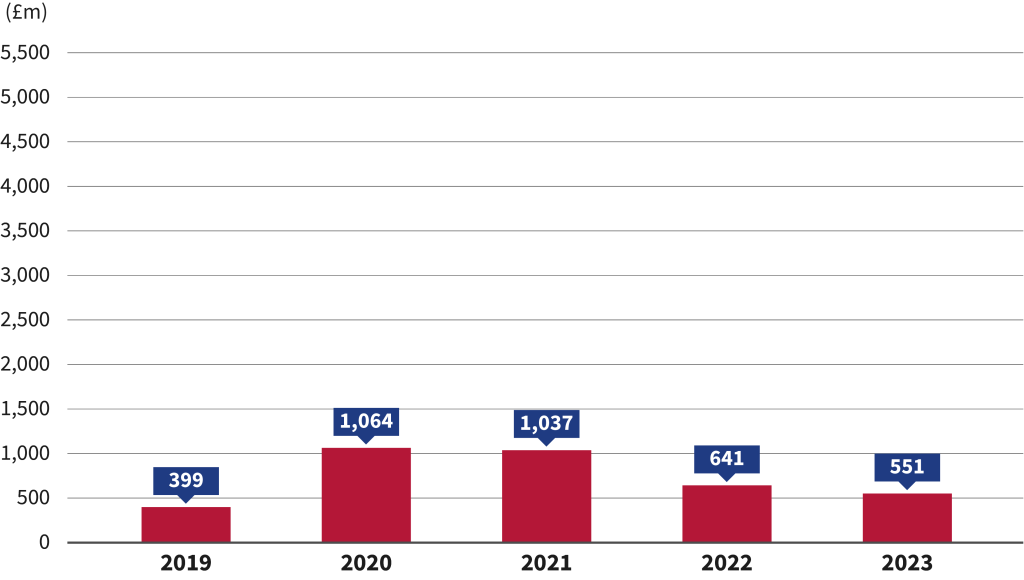
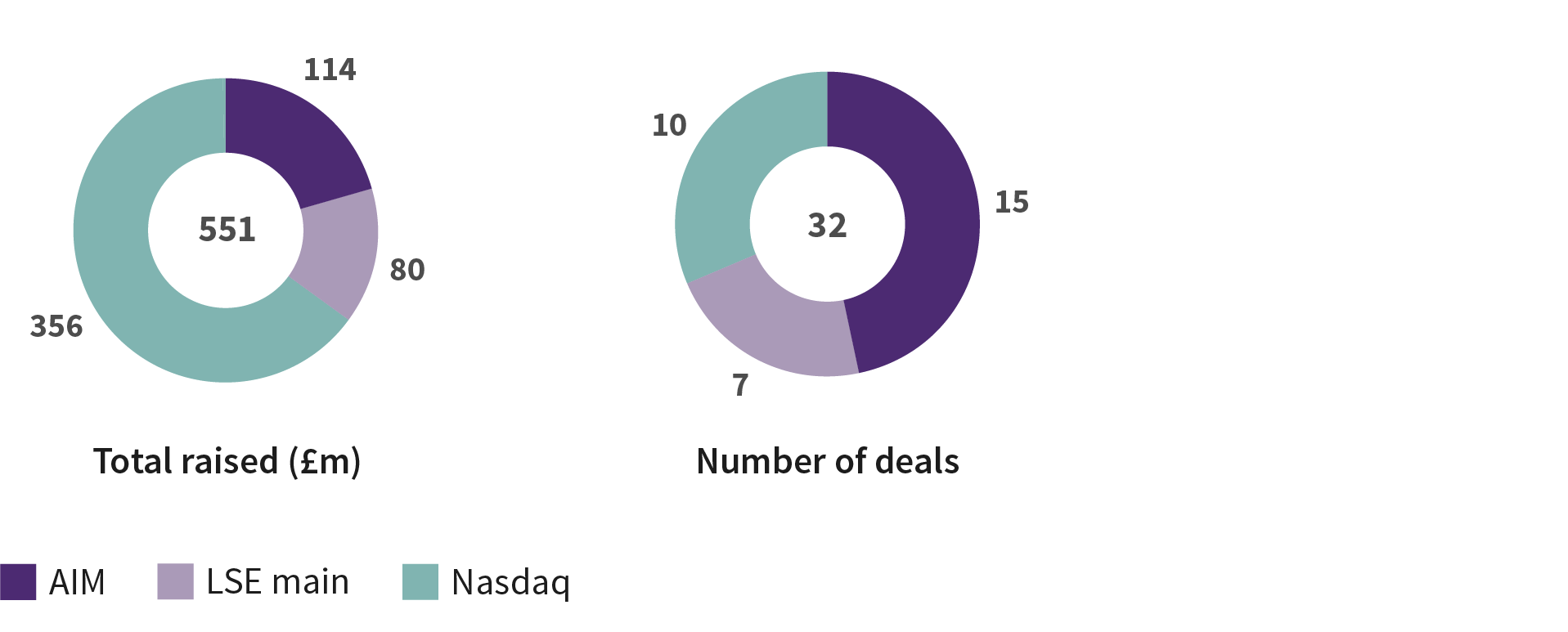
Companies on the public markets struggled from low investor appetite for the second year in a row as UK biotechs saw a follow-on fundraising decrease of 16%, with only £551 million raised. There were also no new public launches. However, Europe’s two new Nasdaq-listed biotechs could signal a slowly improving public market for 2024.
Our London biotech share price index, presented for the first time, also shows a more positive picture, as the sector outperforms the wider market in the long term and has not lost the substantial value gains secured during the pandemic. Some strong licensing and M&A deals in the year also demonstrate the ongoing quality and attractiveness of UK science.
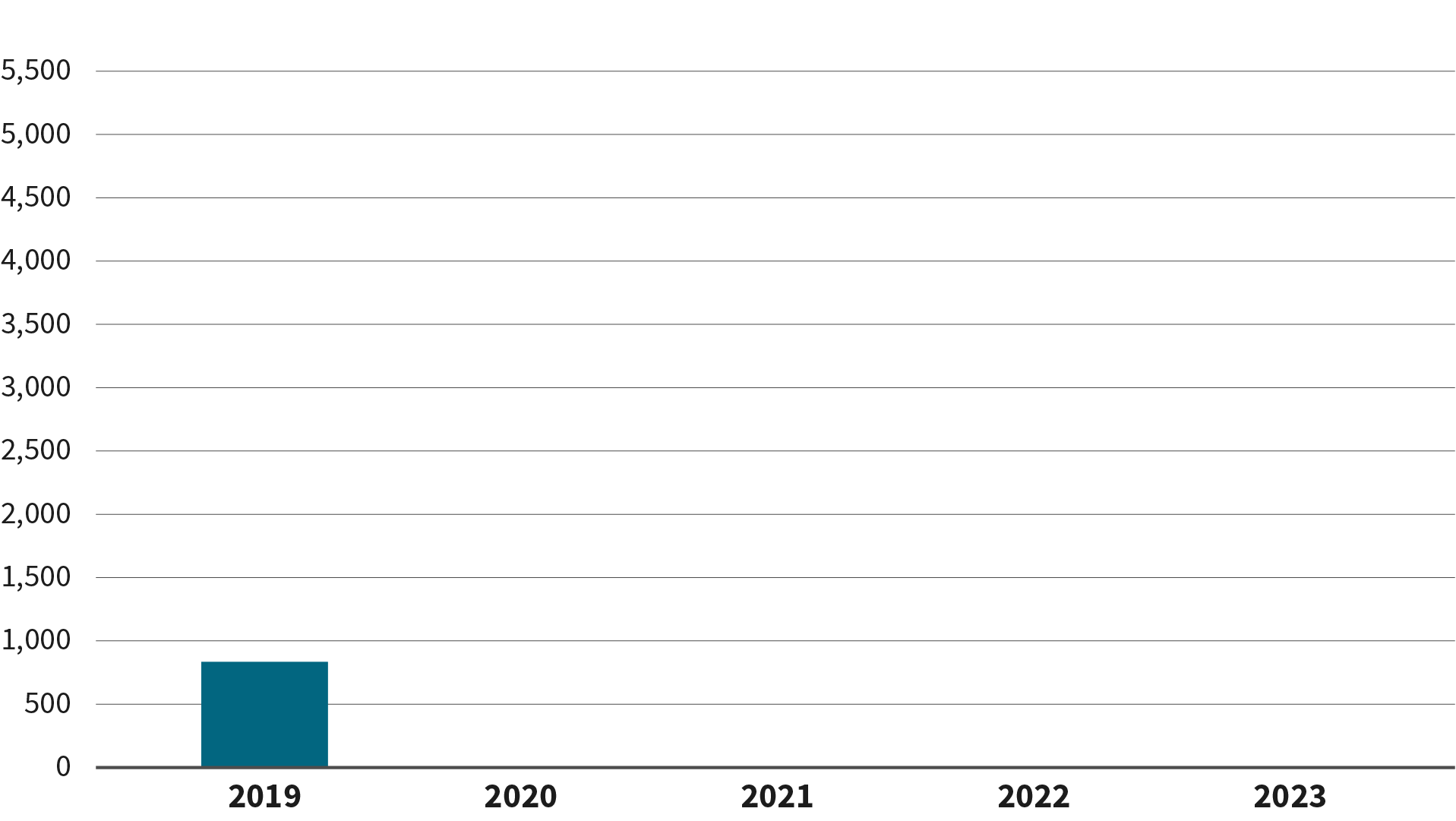
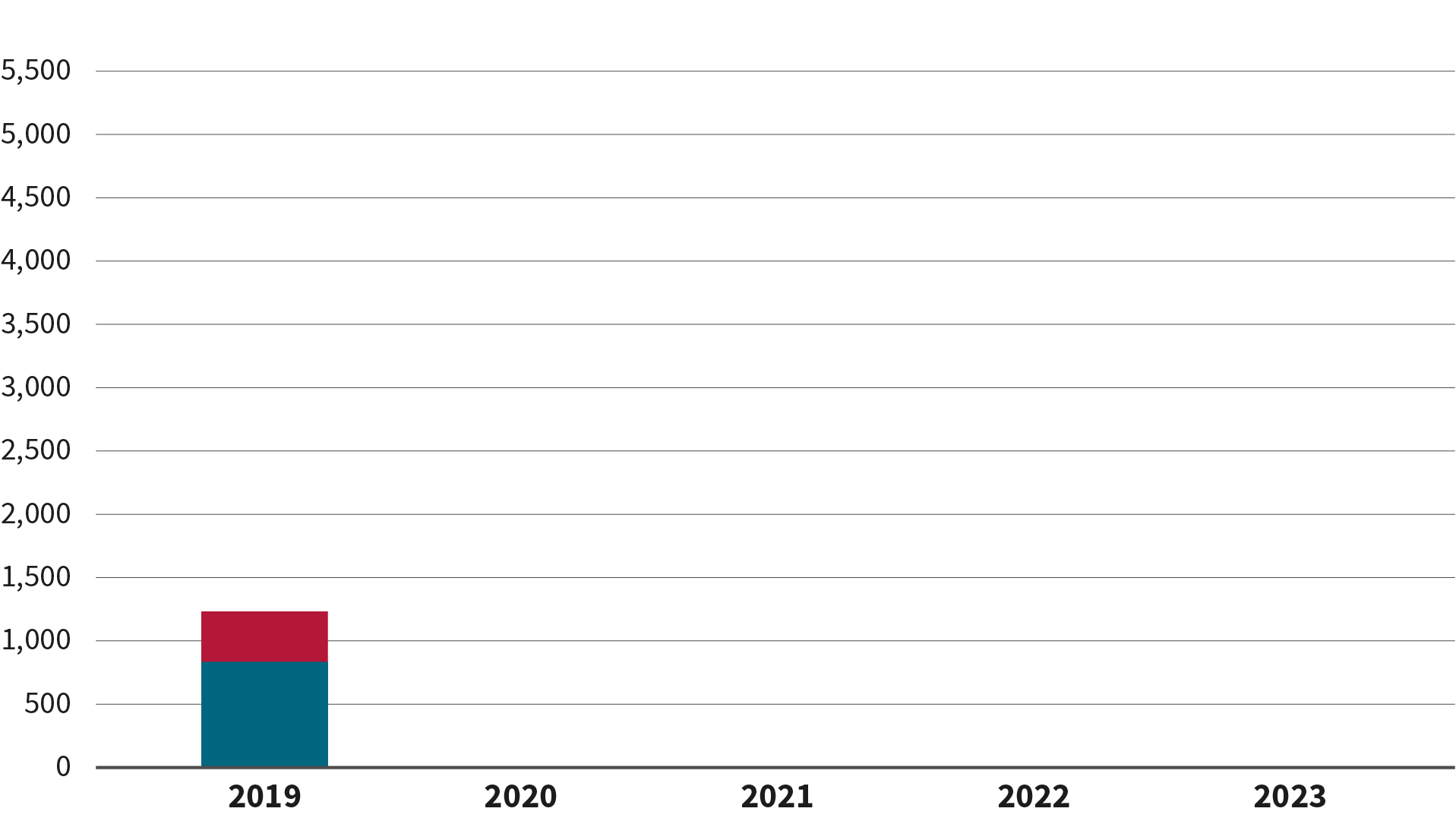
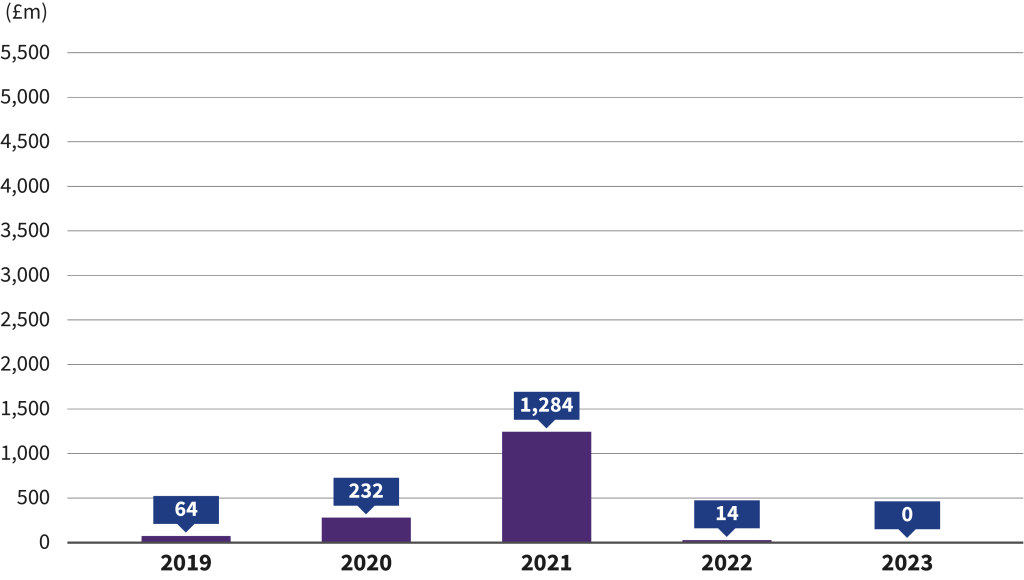
Finance raised by UK-based biotech companies
 Methodology
In this report, we examined innovative life sciences and biotech companies that are research-intensive and focus on discovering and developing new treatments. This includes companies working on their own therapeutics, or creating breakthrough technologies that aid others’ R&D programmes, as well as innovative Contract Development and Manufacturing Organizations (CDMOs) that support all stages of the drug development process. Company domicile is based on the registered headquarters of the company.
The data collation and analyses span a 5-year period from 2019 to 2023, with a global perspective, emphasis on UK, Europe, the US and Asia. Annual data covers the first day of the given calendar year to the final day of the year. The information used for analysis was sourced from Beauhurst, Biomedtracker and the London Stock Exchange; it was processed and analysed in-house by BIA. The biotech index data was compiled for BIA by h2Radnor.
It is important to note that due to updated methodology and sources, historical data may reveal minor discrepancies compared to previous reports. Therefore, the figures presented in this report should not be directly compared with past reports.
Where deal values were not reported in sterling, the monthly average exchange rate at the time of the deal was used, sourced from the Bank of England. GDP figures for each region and country were sourced from the Organisation for Economic Co-operation and Development’s (OCED) latest available data accessed on 5 January 2024.
 Equity
£1.8 billion was raised in all forms of equity in 2023. The lifeblood of the sector, equity financing makes up the vast majority of funds supporting the UK’s innovative life sciences and biotech sector.

Dan Mahony
BIA Board Chair and Life Sciences Investment Envoy
In my first year as the UK Government’s Life Sciences Investment Envoy, we have seen tremendous progress on both our sector’s and the UK government’s shared mission to unlock new sources of domestic capital to fuel the growth of UK life sciences.
The centrepiece of the year was the Mansion House Compact: an agreement by 10 British defined contribution (DC) pension providers to allocate a minimum of 5% to unlisted equities by 2030. This includes venture capital backed companies and those quoted on London’s growth market, AIM.
I have spoken to most of the main pension providers, and they have told us that they are reaching a critical scale (auto-enrolment began ten years ago) allowing them to diversify into venture capital and that life sciences is a growth sector that has attracted their interest.
Currently, just 1% of the £4.6 trillion of UK pensions and insurance assets, and just 0.5% of UK DC assets, are invested in unlisted UK companies. There is clearly scope to increase this allocation meaningfully as part of a diversified strategy, thereby benefitting innovative sectors of the economy and delivering better returns for savers.
The Compact is complemented by other government- and industry-led initiatives to strengthen our investment ecosystem. This includes a new UK Growth Fund being developed by the British Business Bank to give pension funds exposure to its investment pipeline, supported by the Bank’s permanent capital base of over £7 billion.
As markets look set to pick-up, after a long slumber, the UK life sciences sector is well positioned to re-accelerate its growth once more underpinned by excellent science, an entrepreneurial culture and a supportive policy environment.
 Venture capital
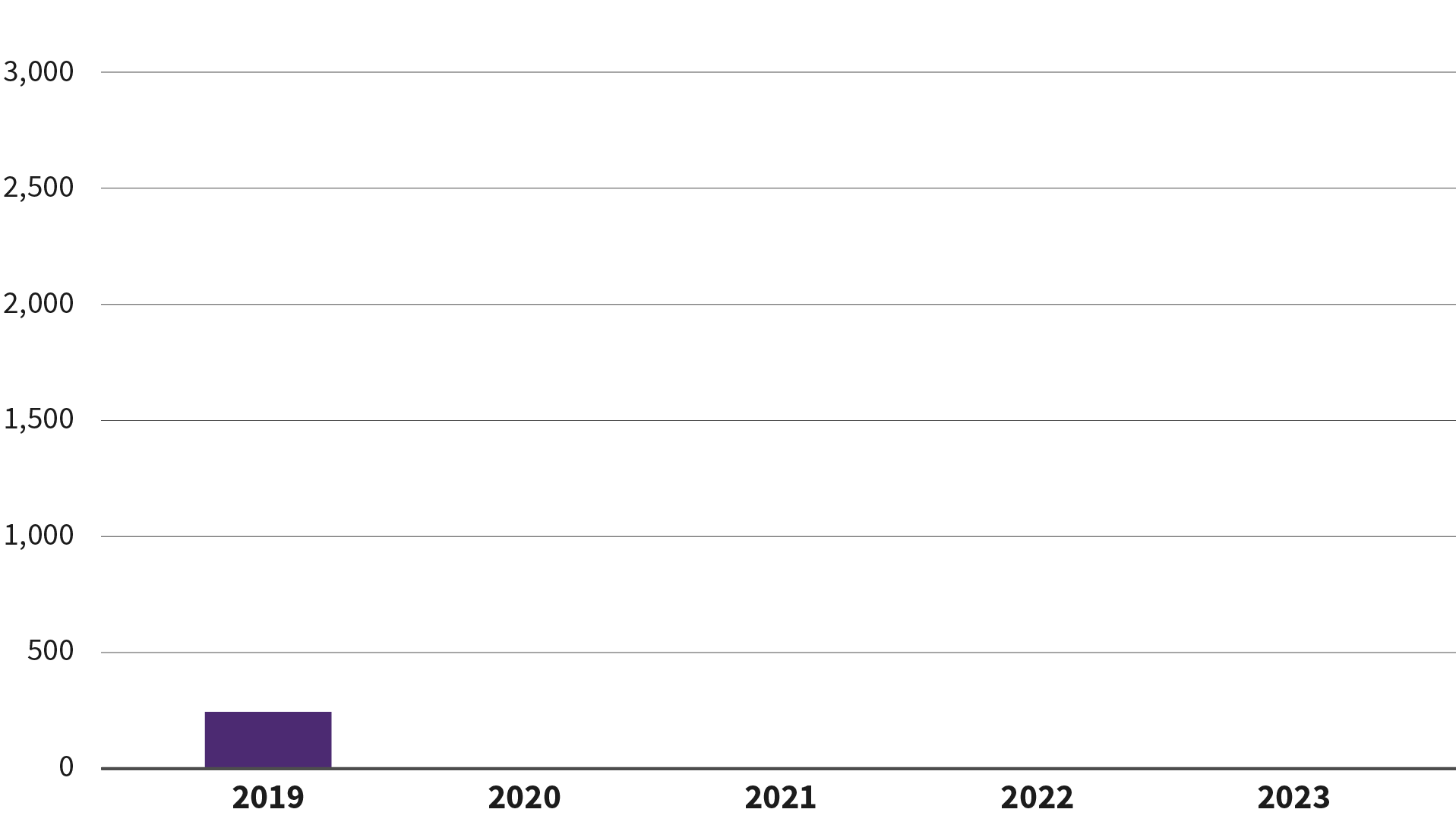
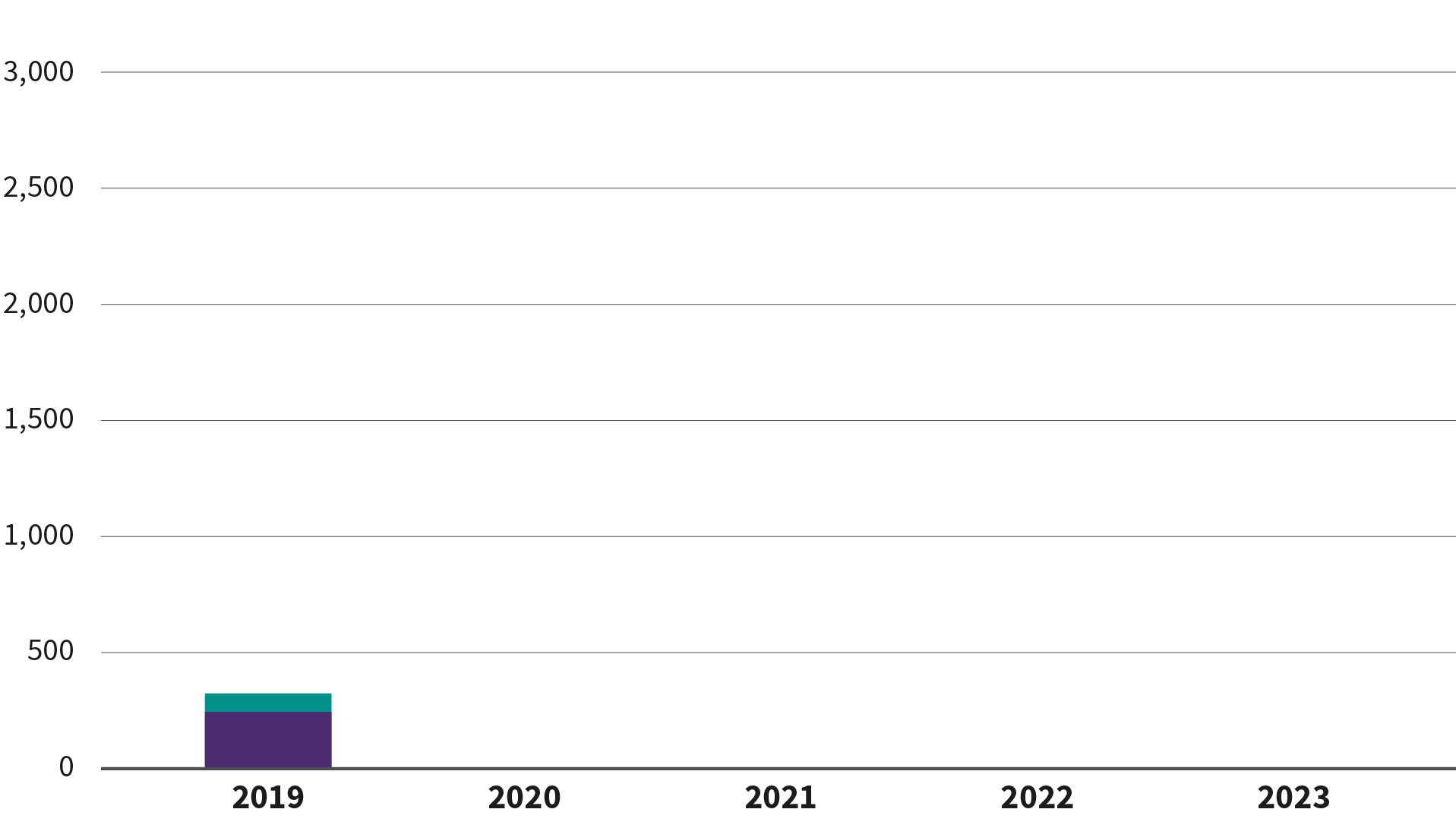
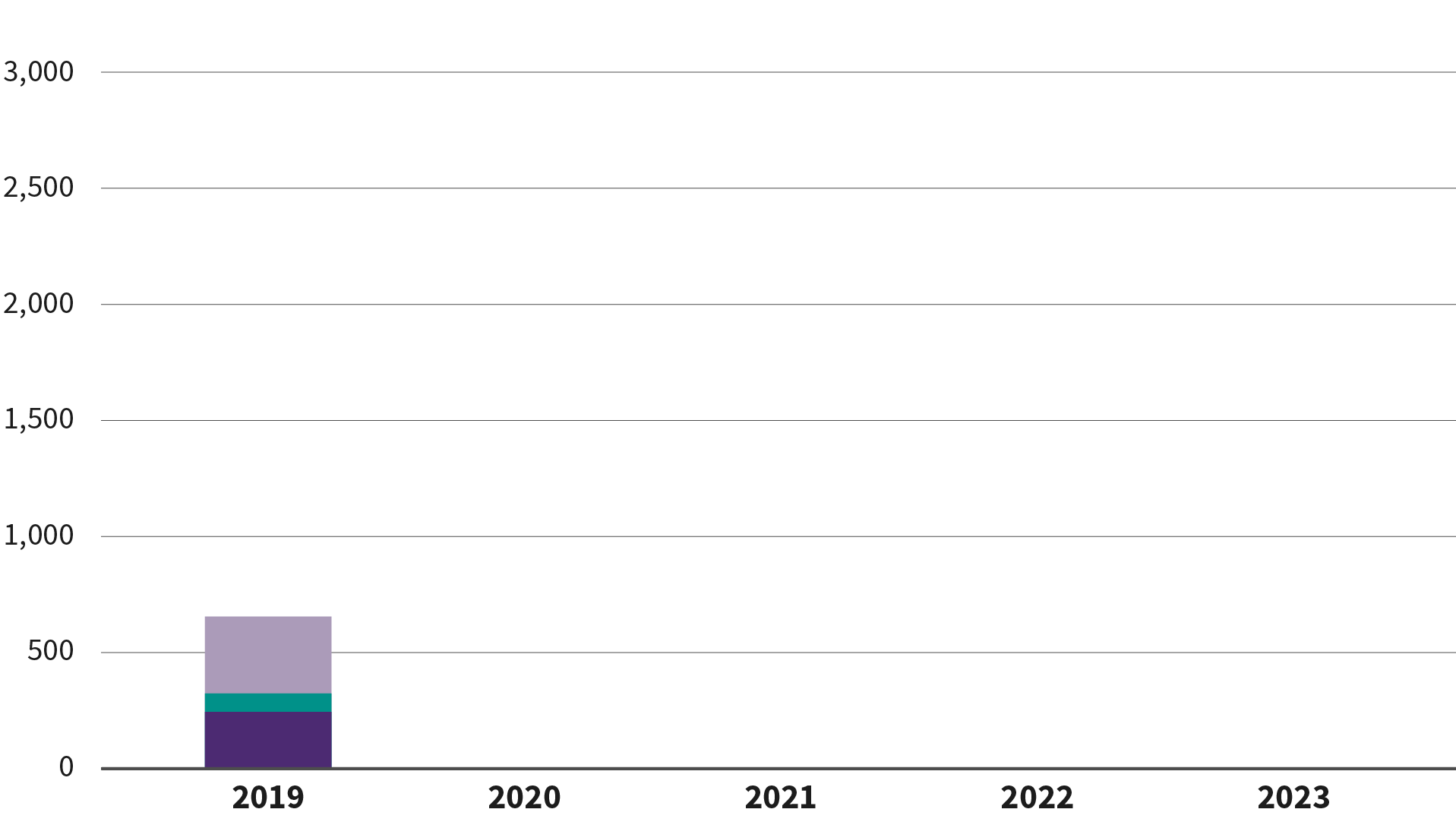
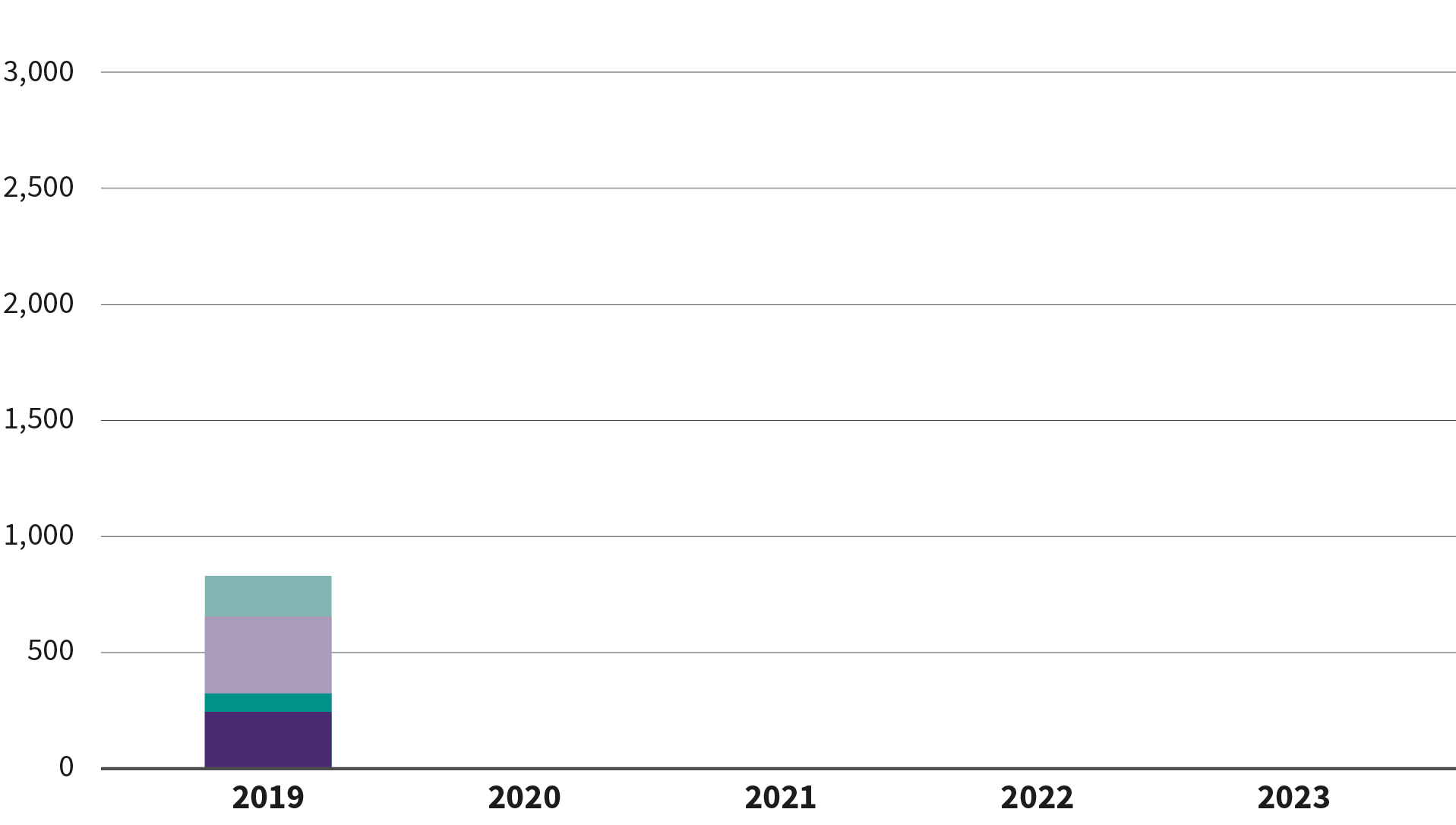
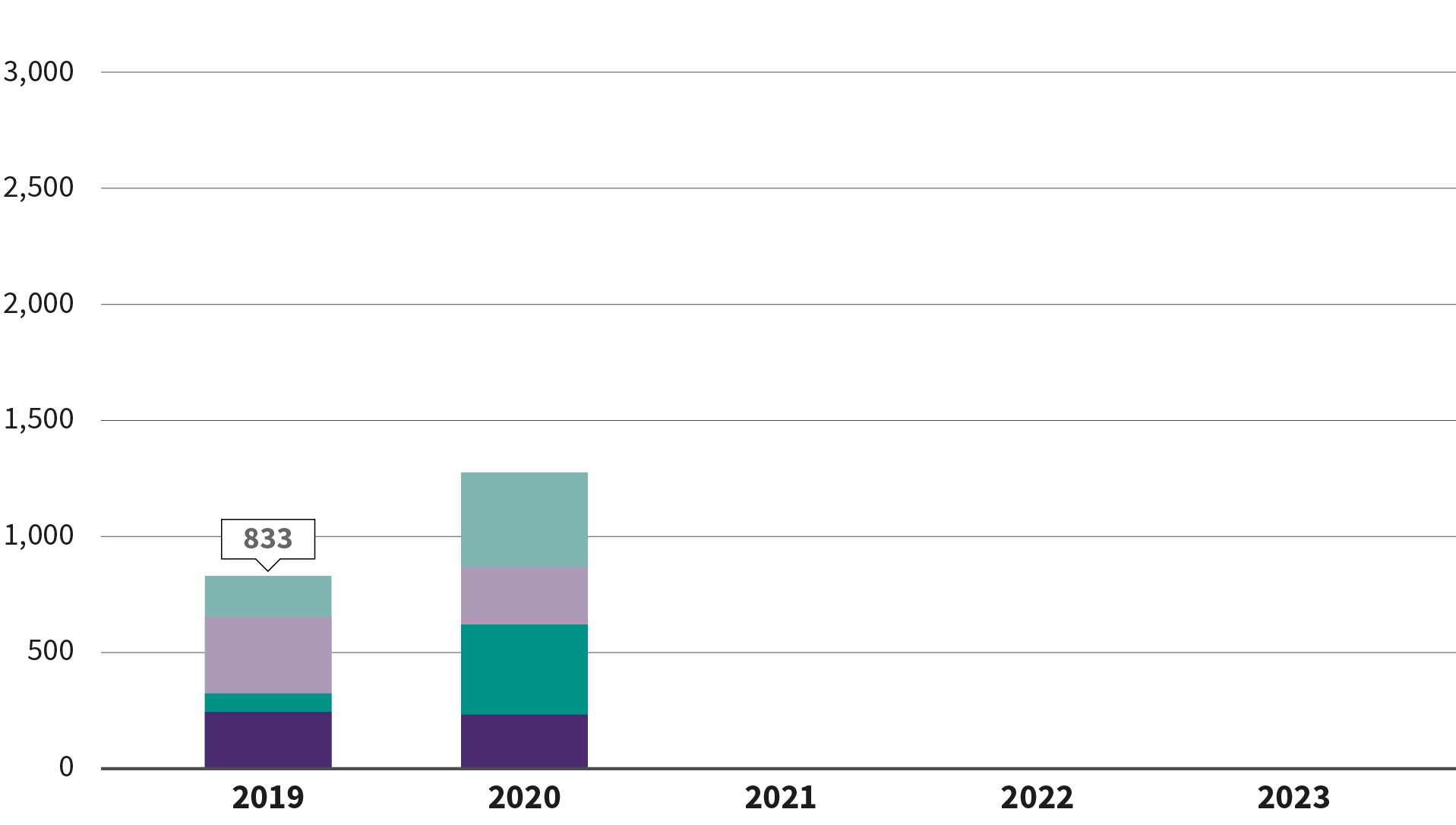
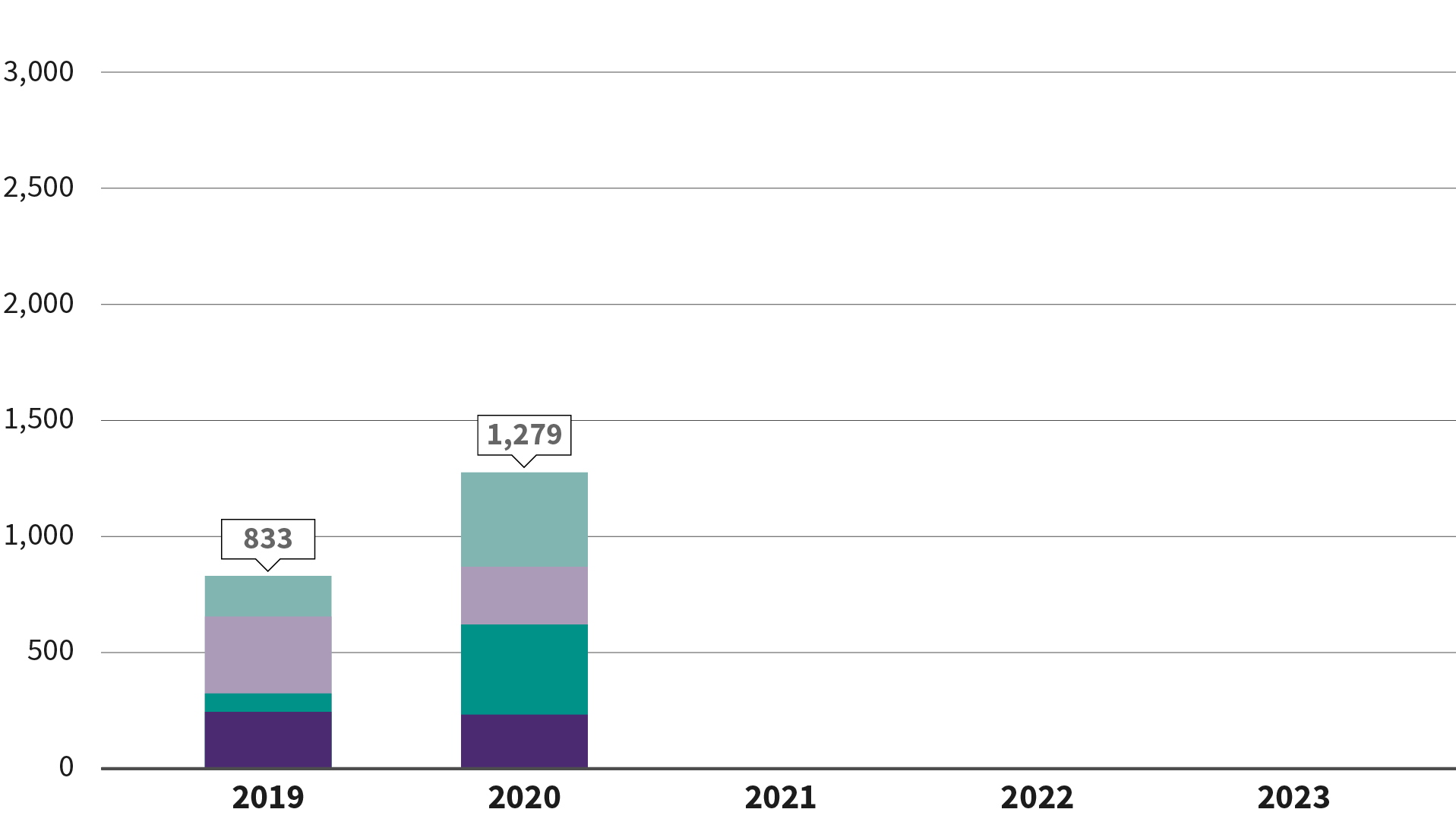
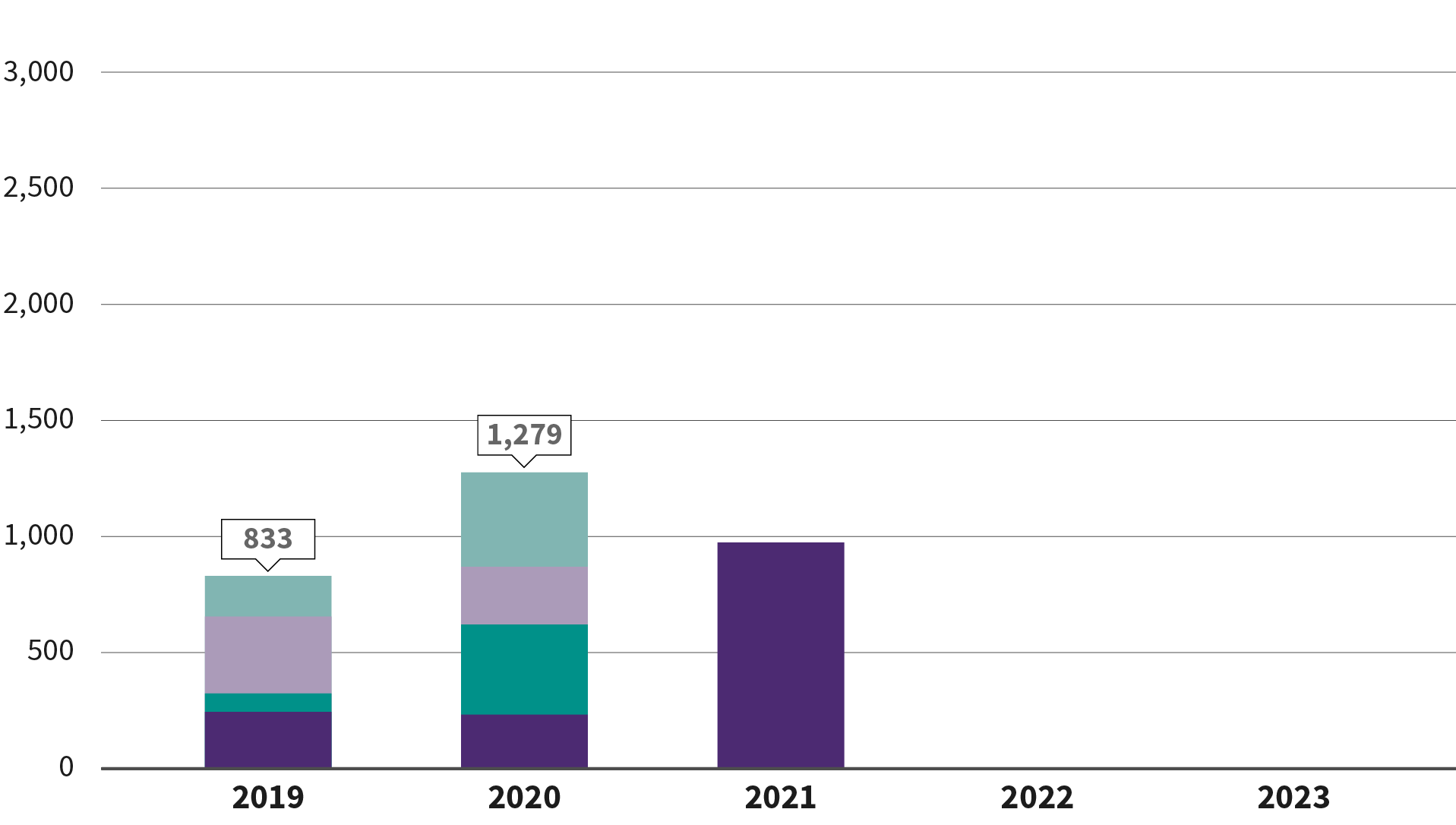
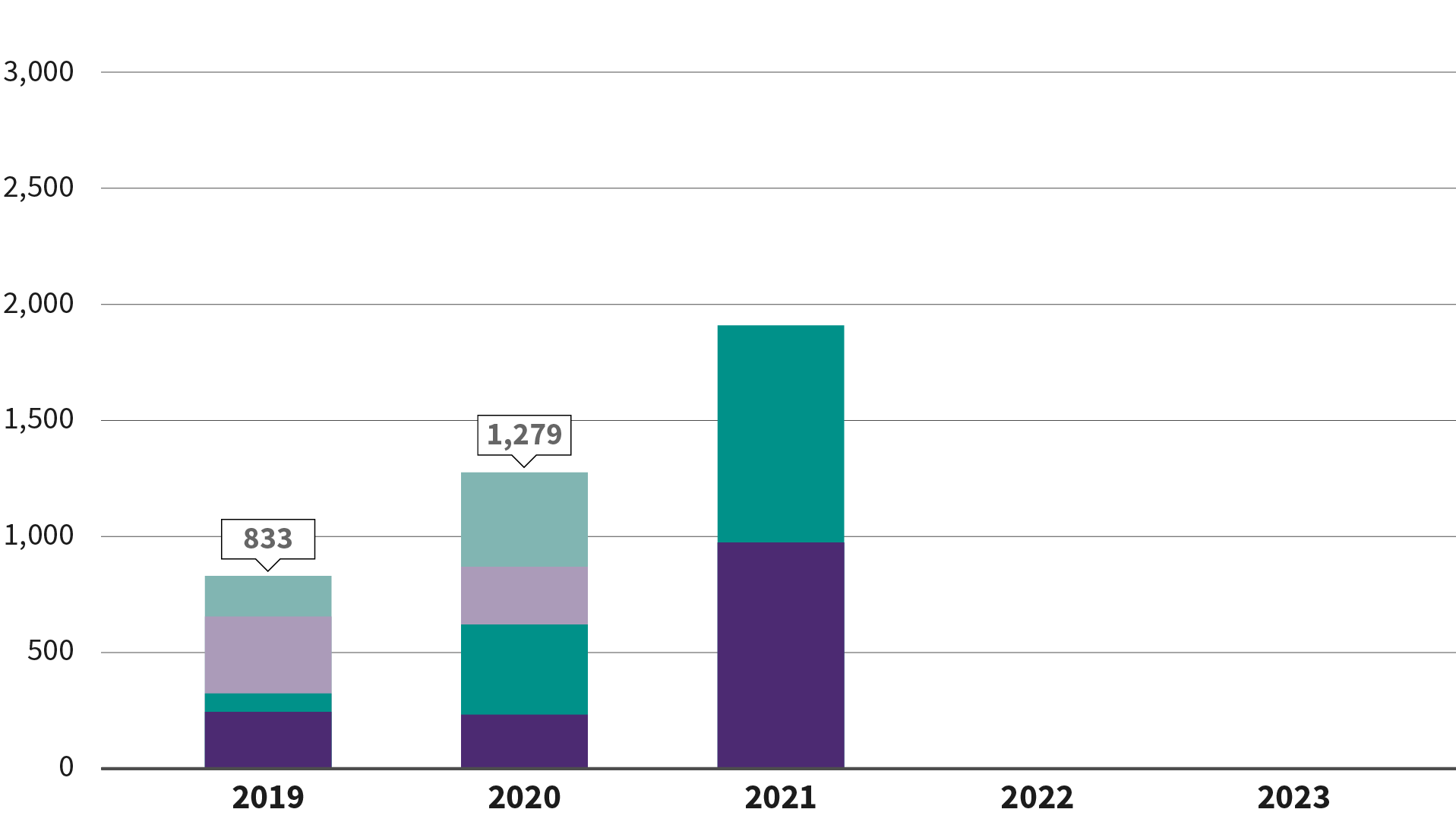
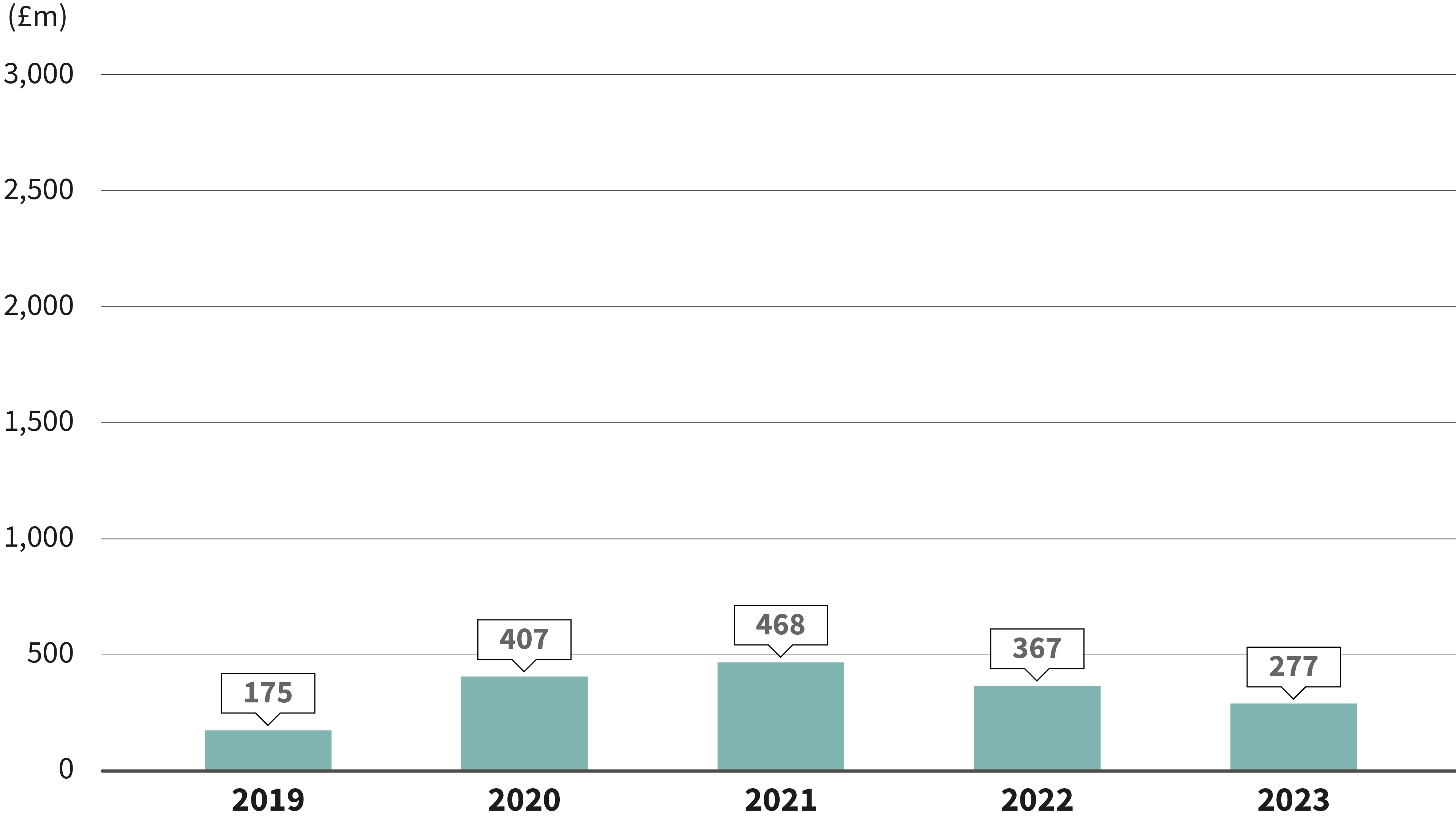
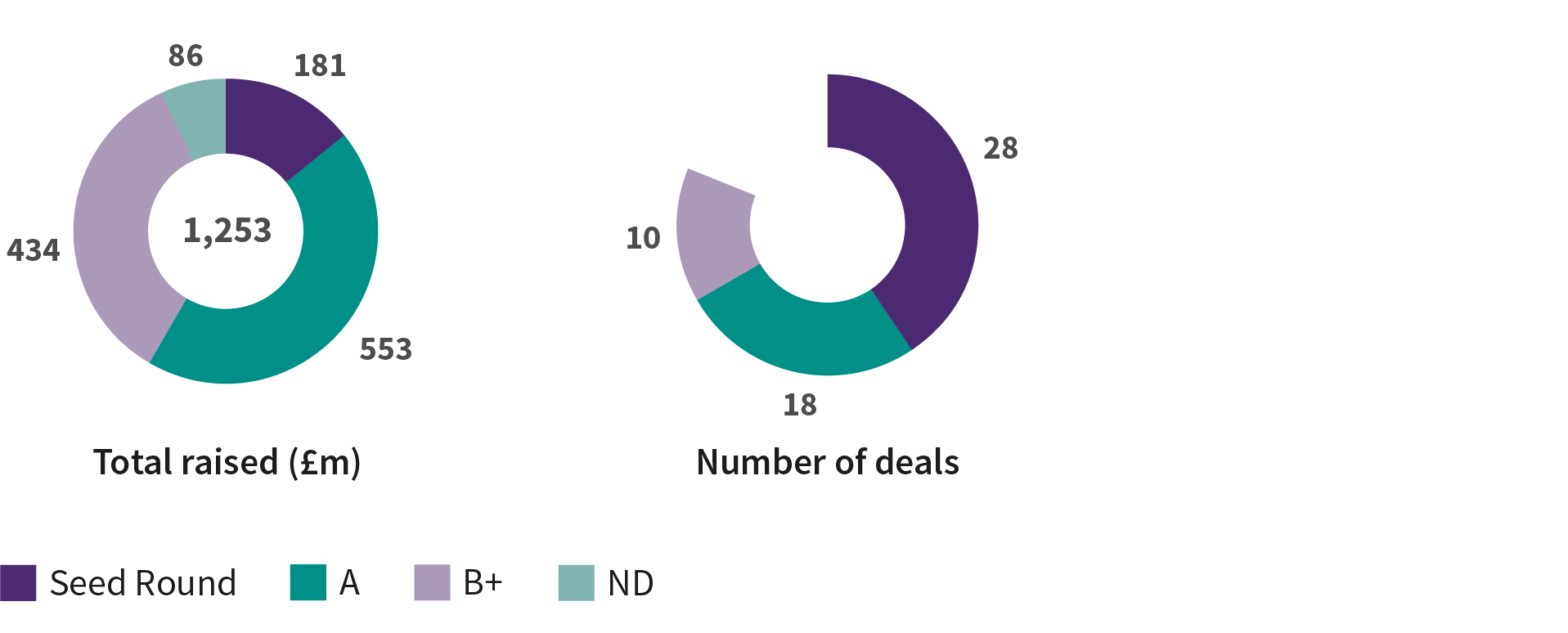
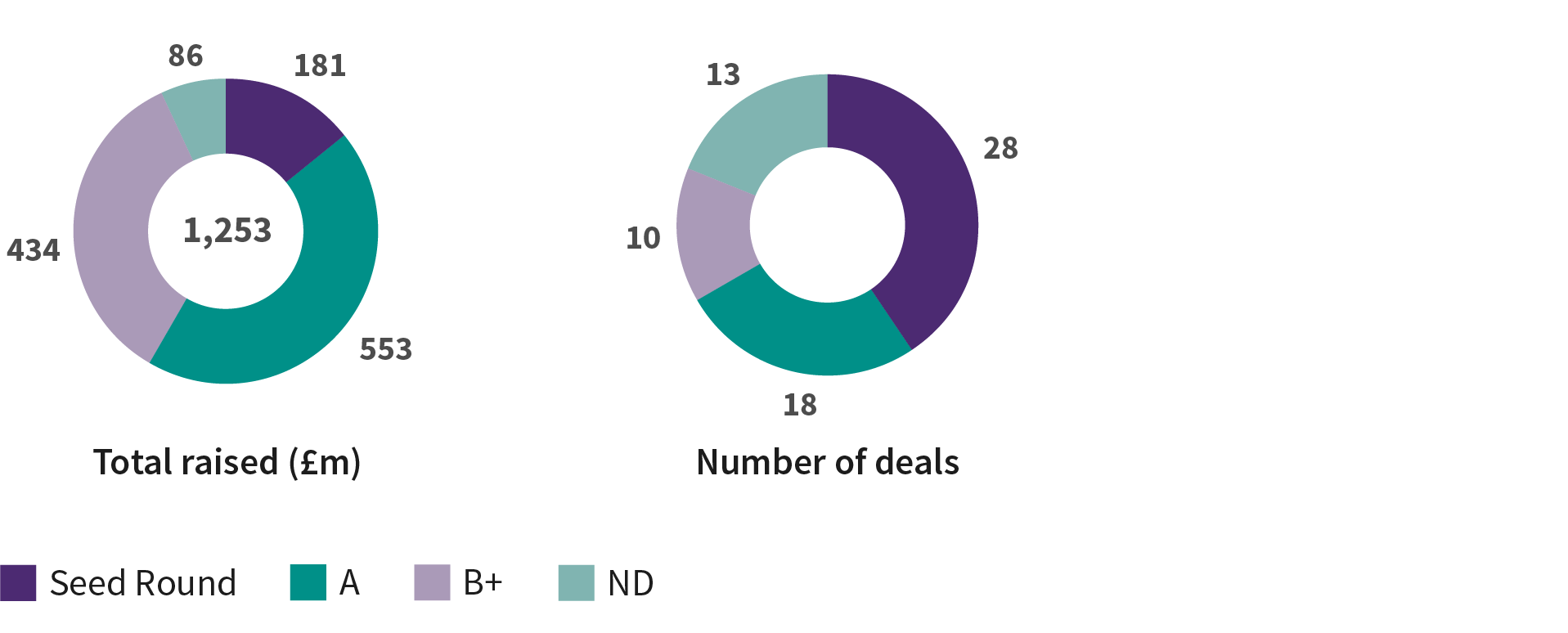
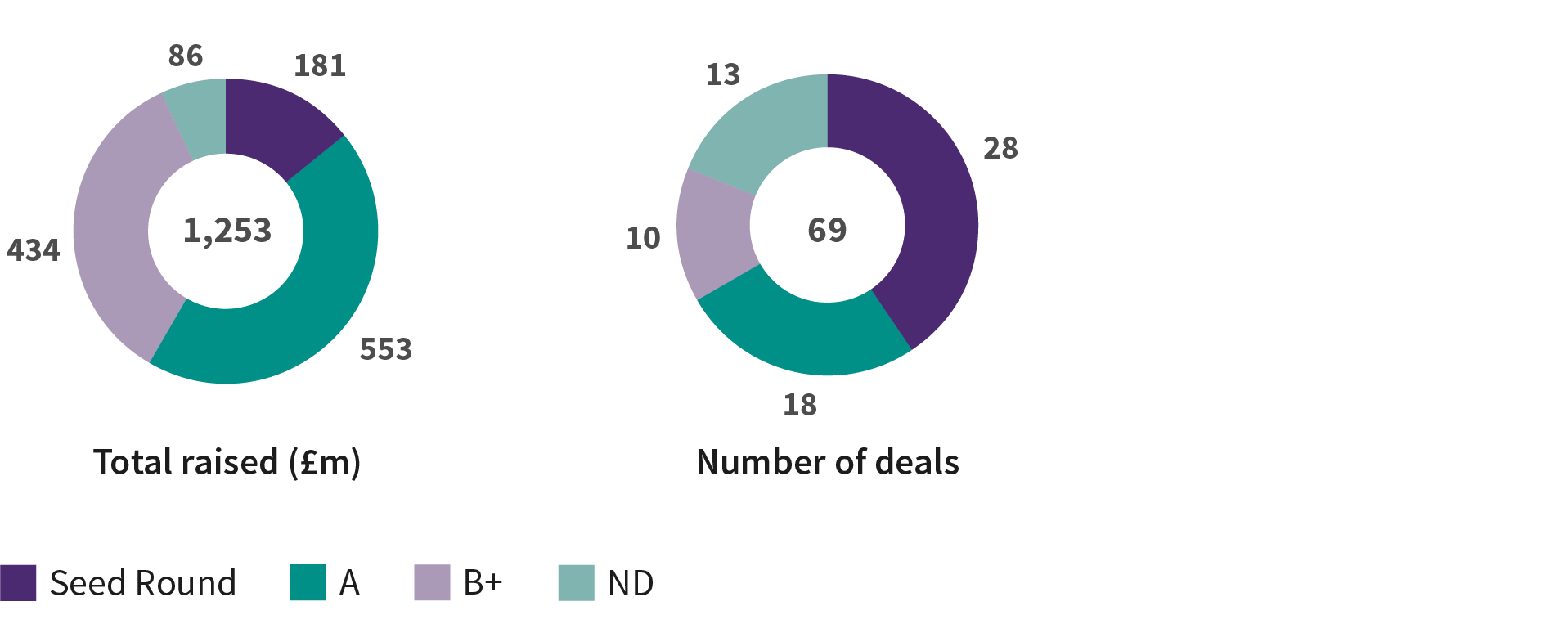
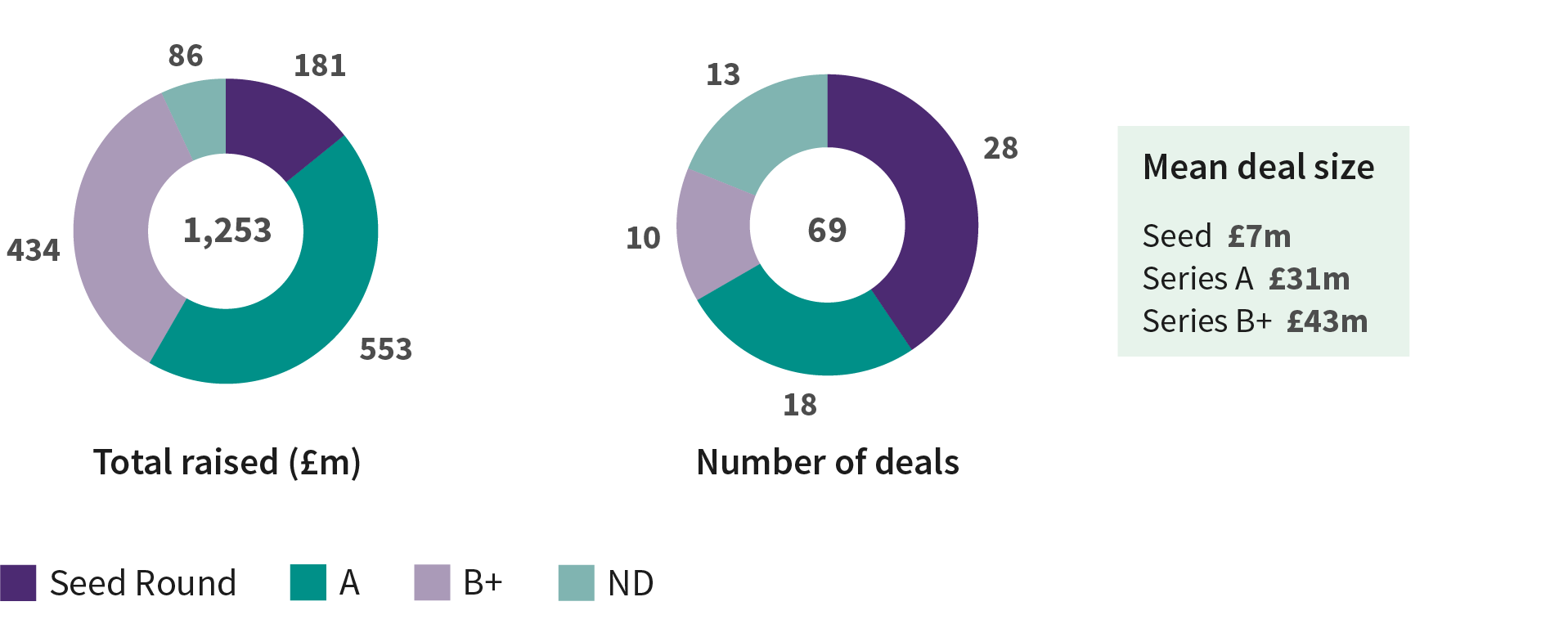
It was an average year for UK’s life sciences companies in 2023 with a total of £1.25 billion raised across 69 venture deals. This represents a 6% decrease in total value compared to the year before but is still a relatively stable figure in a historical context.
Against a challenging backdrop, the sector has performed well. Venture capital (VC) funding was scarce with 43% less invested this year into UK companies across all sectors, influenced by concerns about rising interest rates and the cost-of-living crisis.
UK biotech VC funding experienced a slow start to the year, with only £491 million raised in the first half of 2023, marking one of the lowest figures on record. However, the sector swiftly rebounded, achieving a record £486 million in Q3 alone, the highest since 2021.
Total venture capital raised by UK biotech by quarter
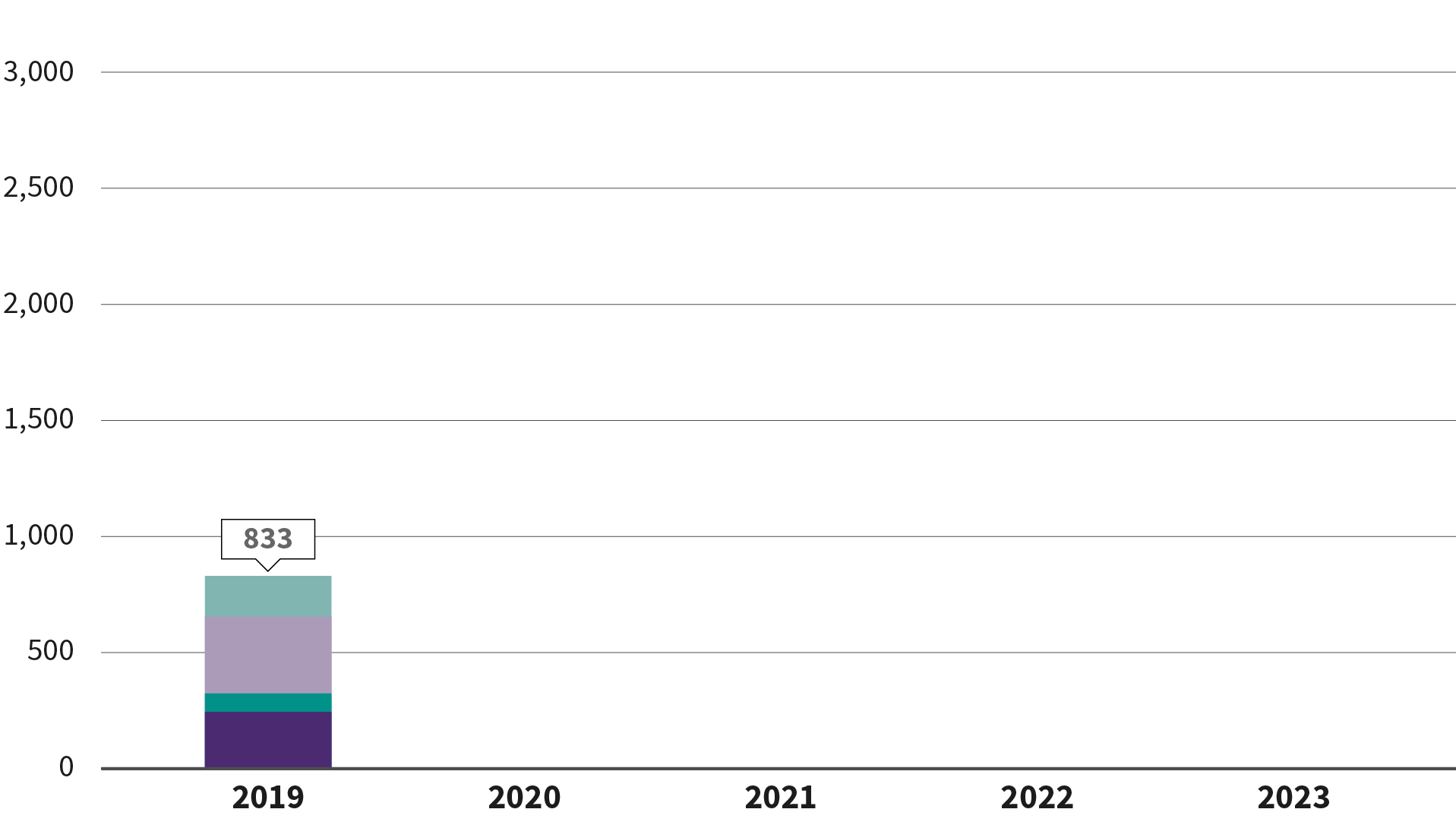
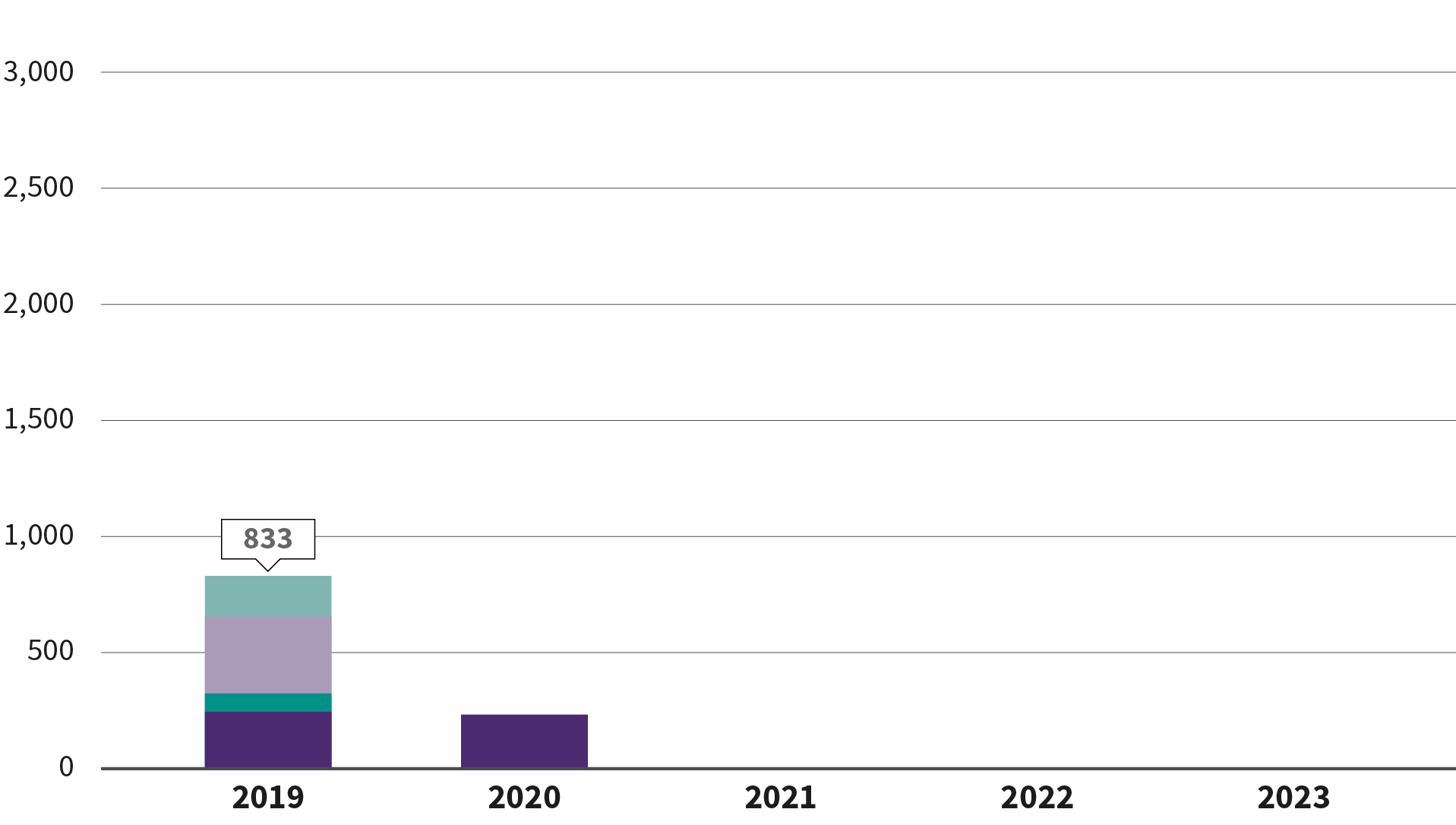
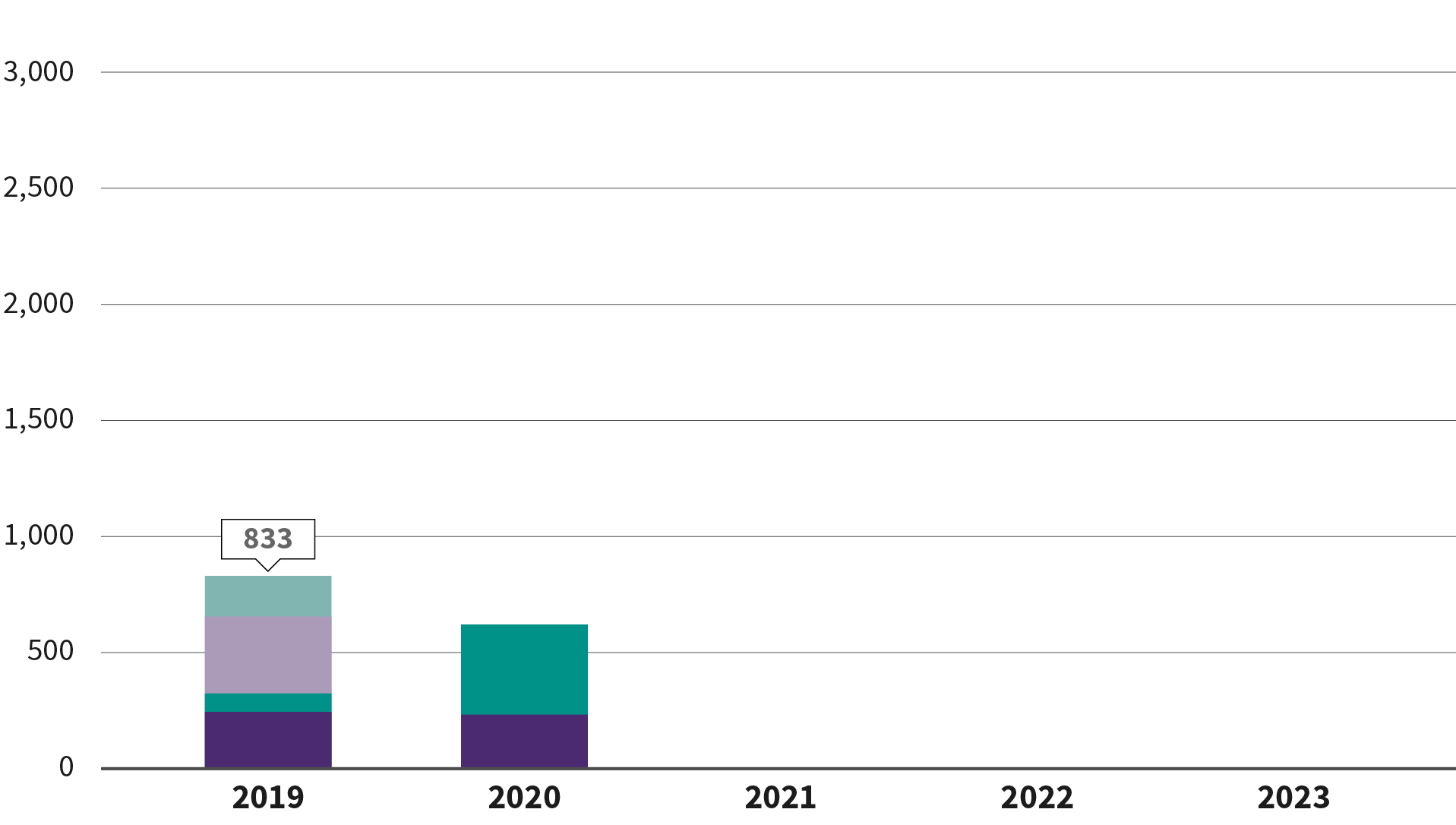
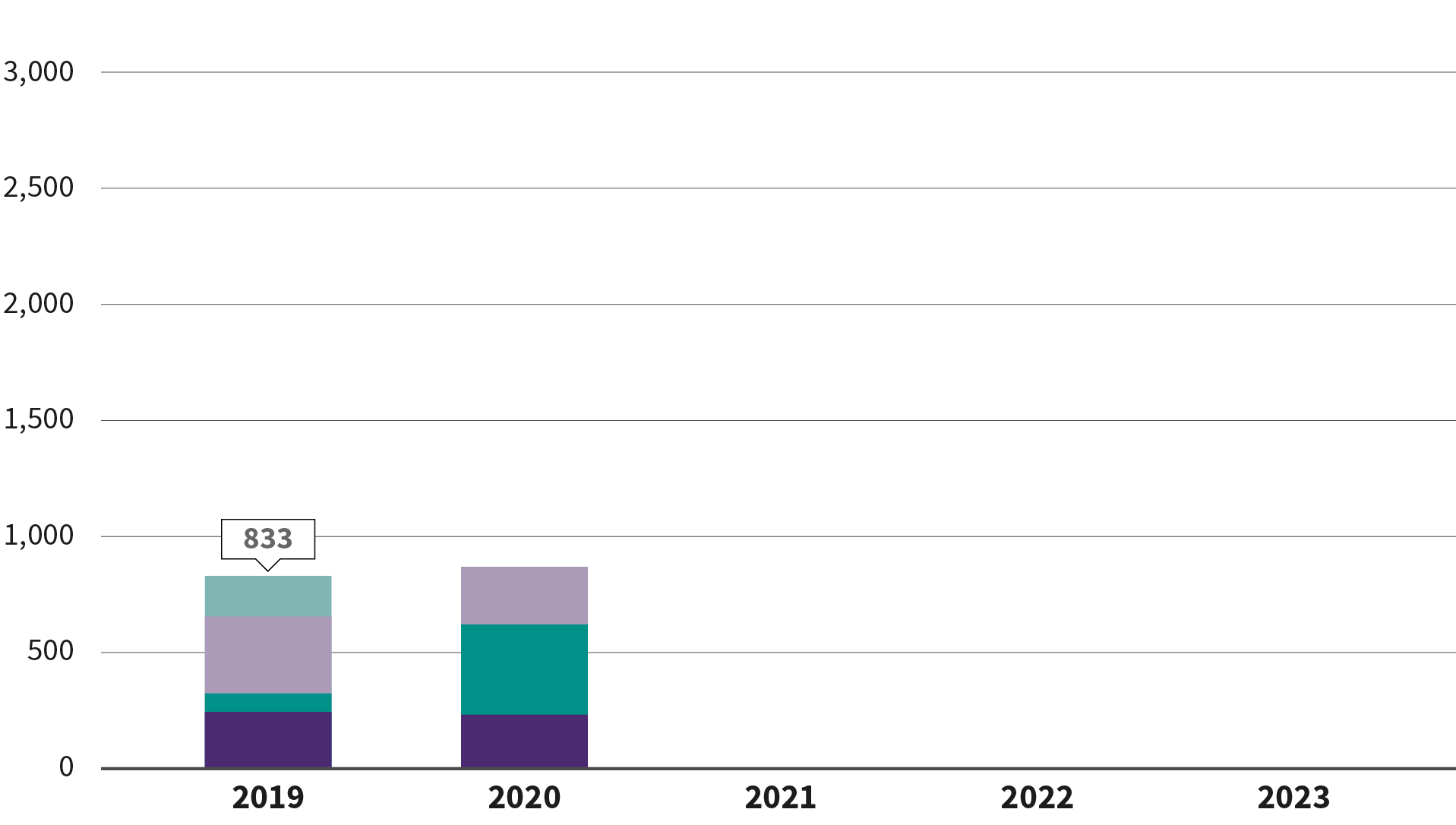
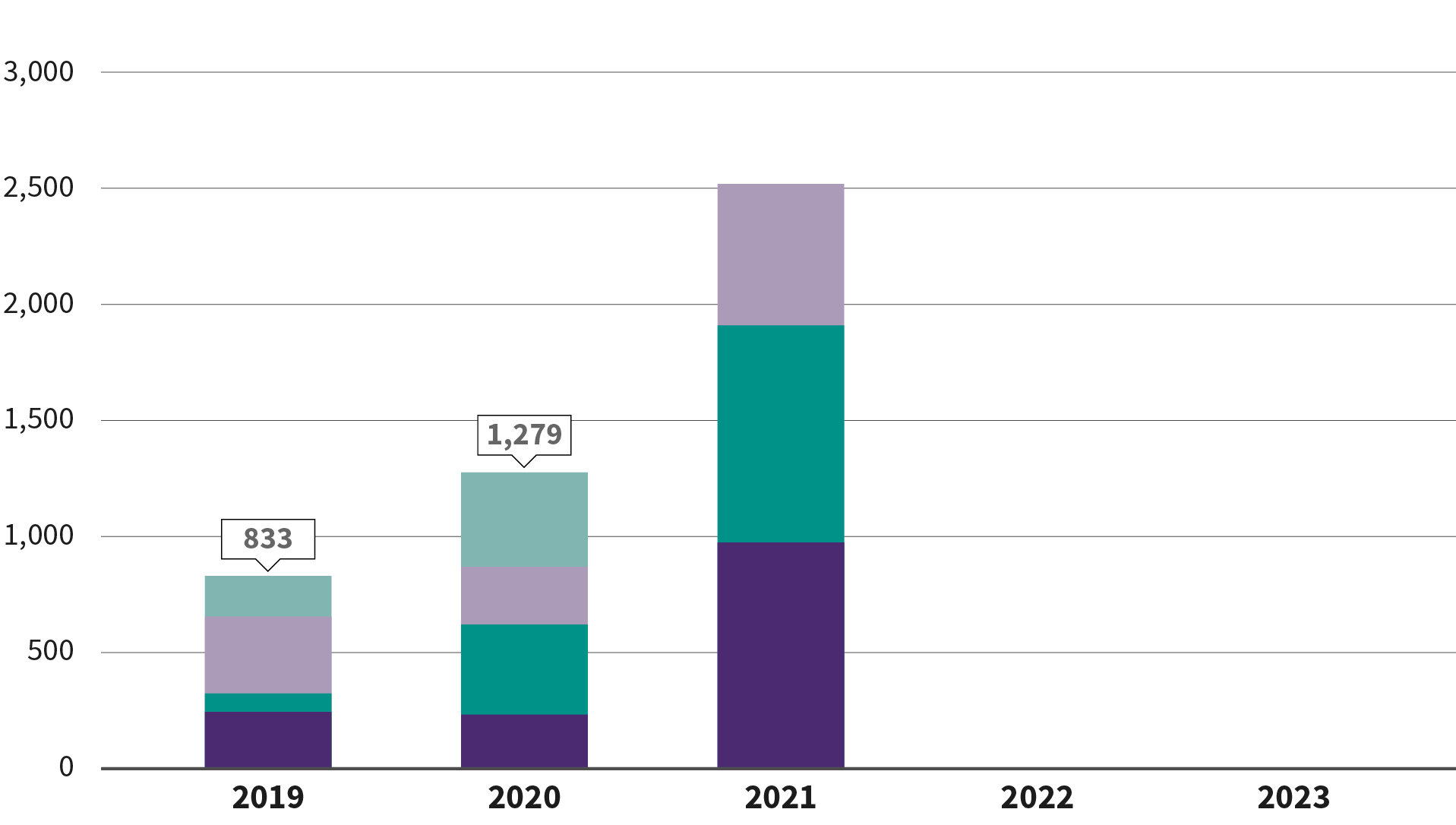
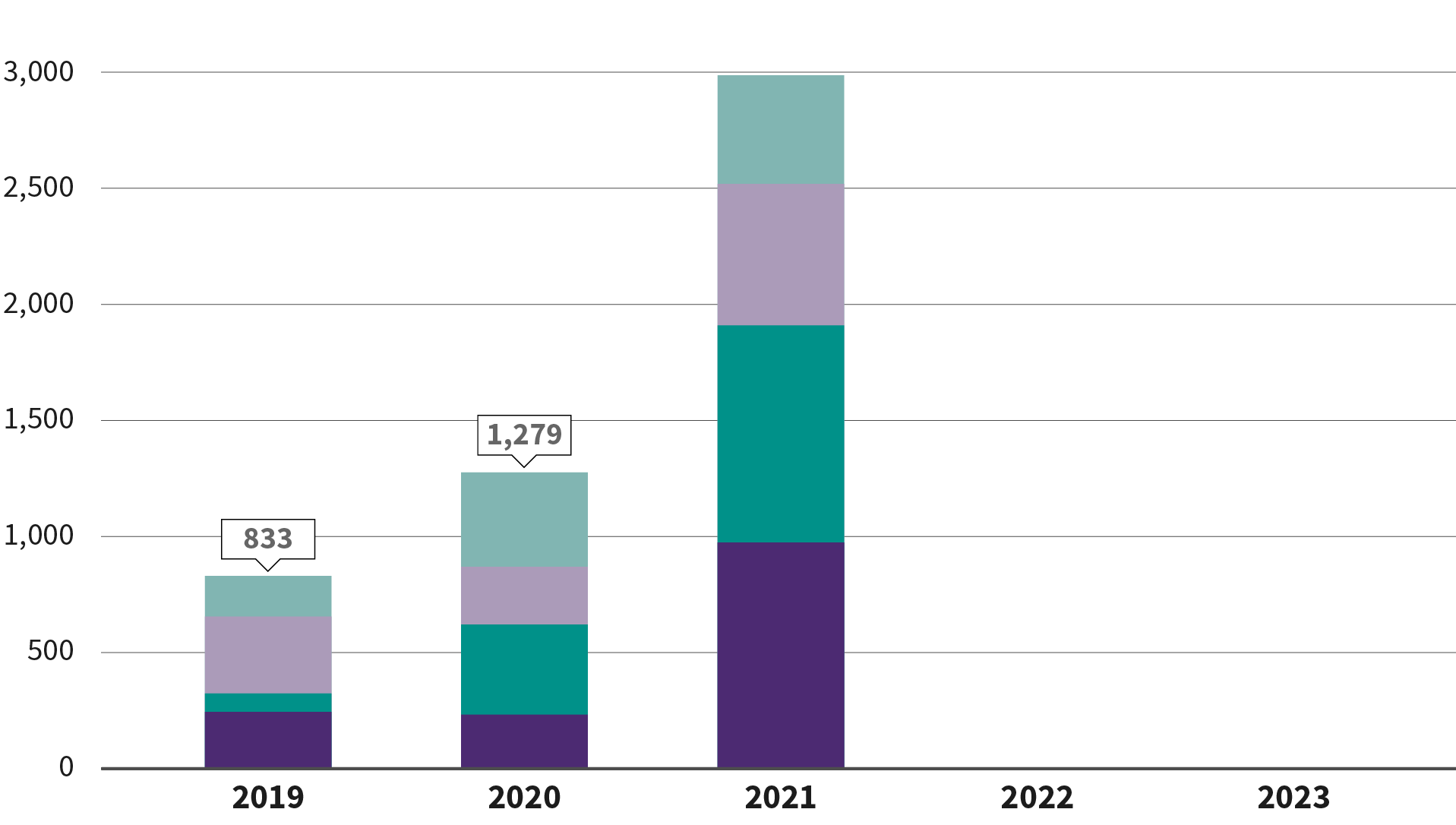
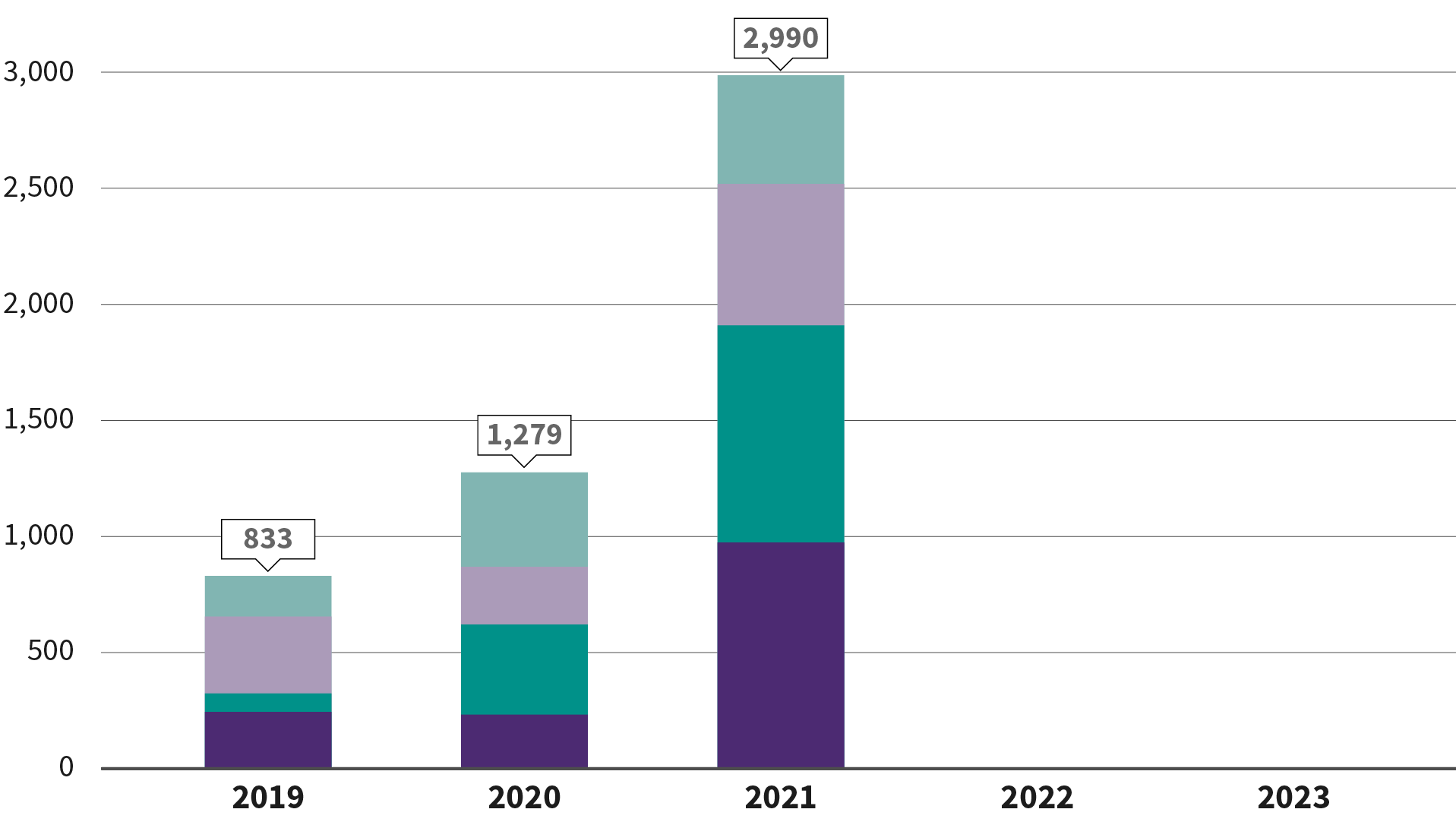
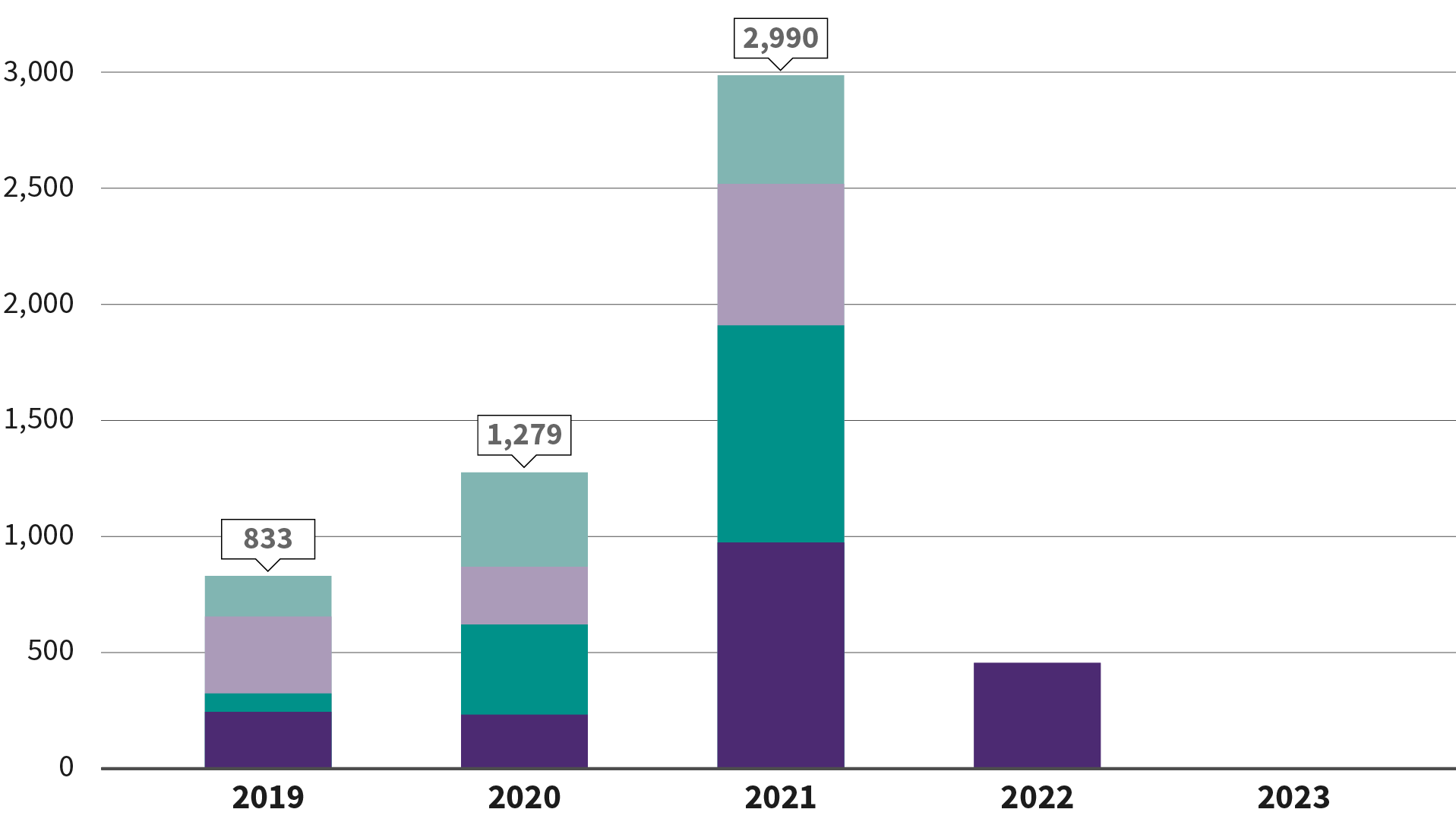
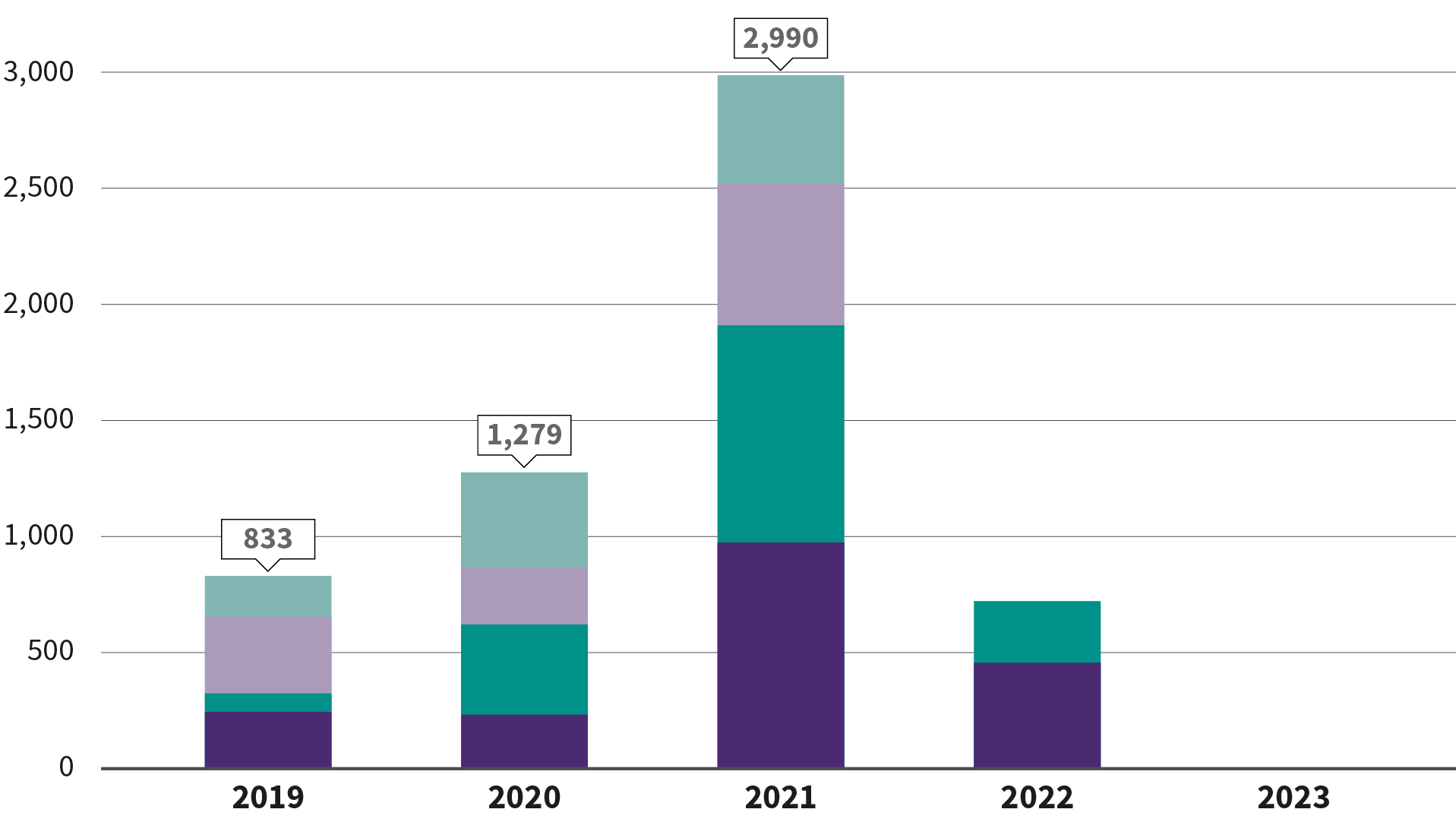
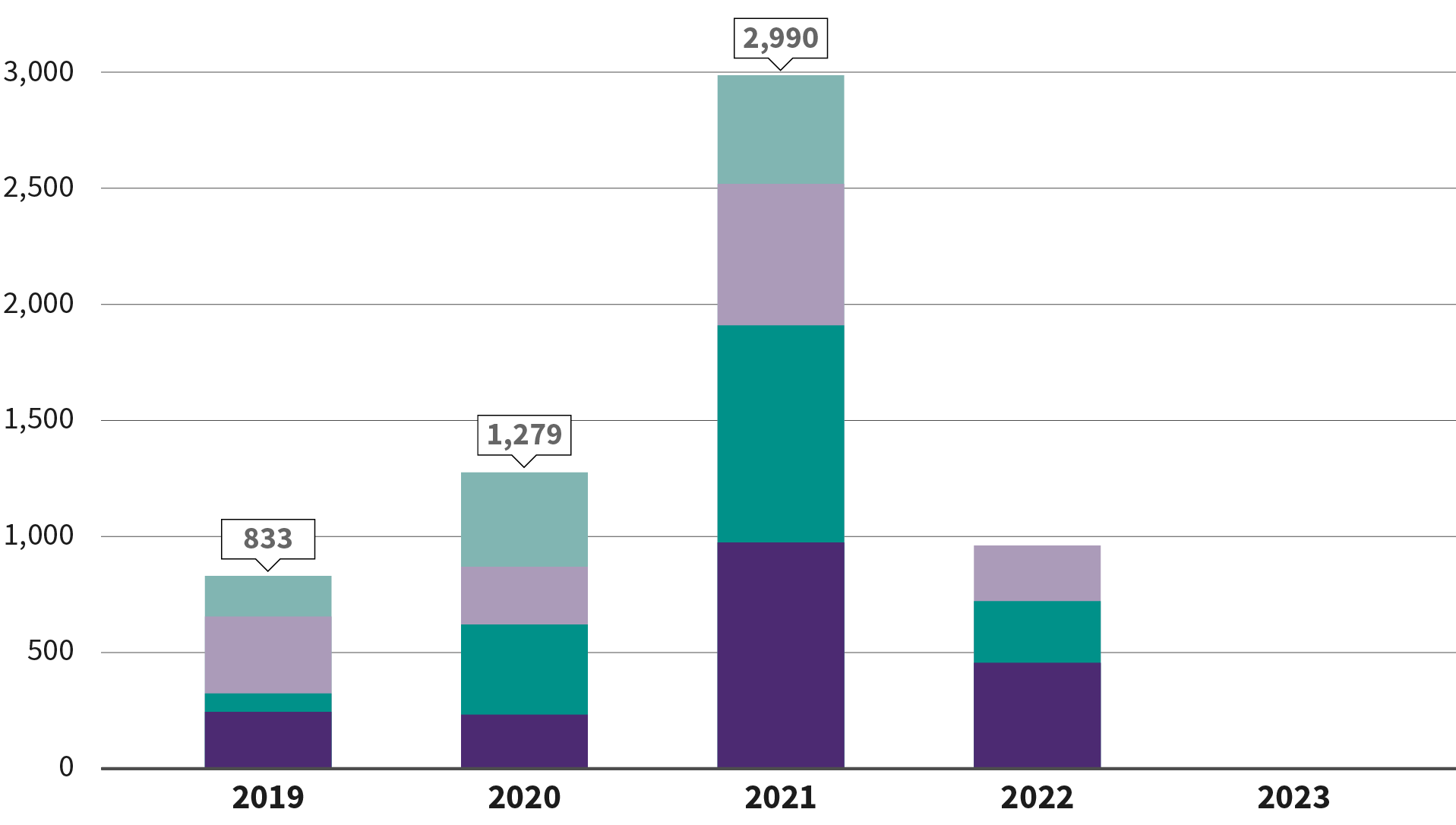
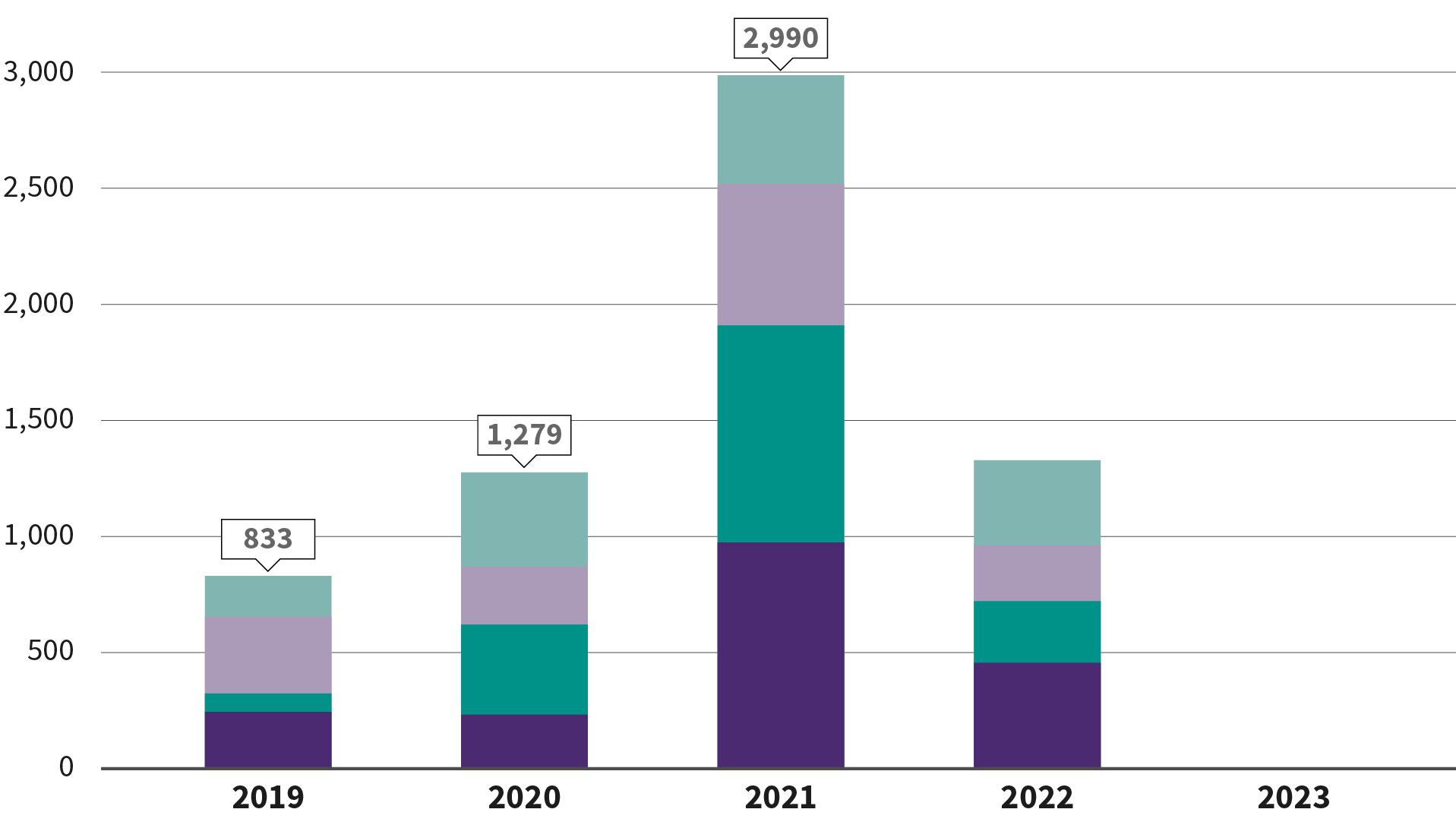
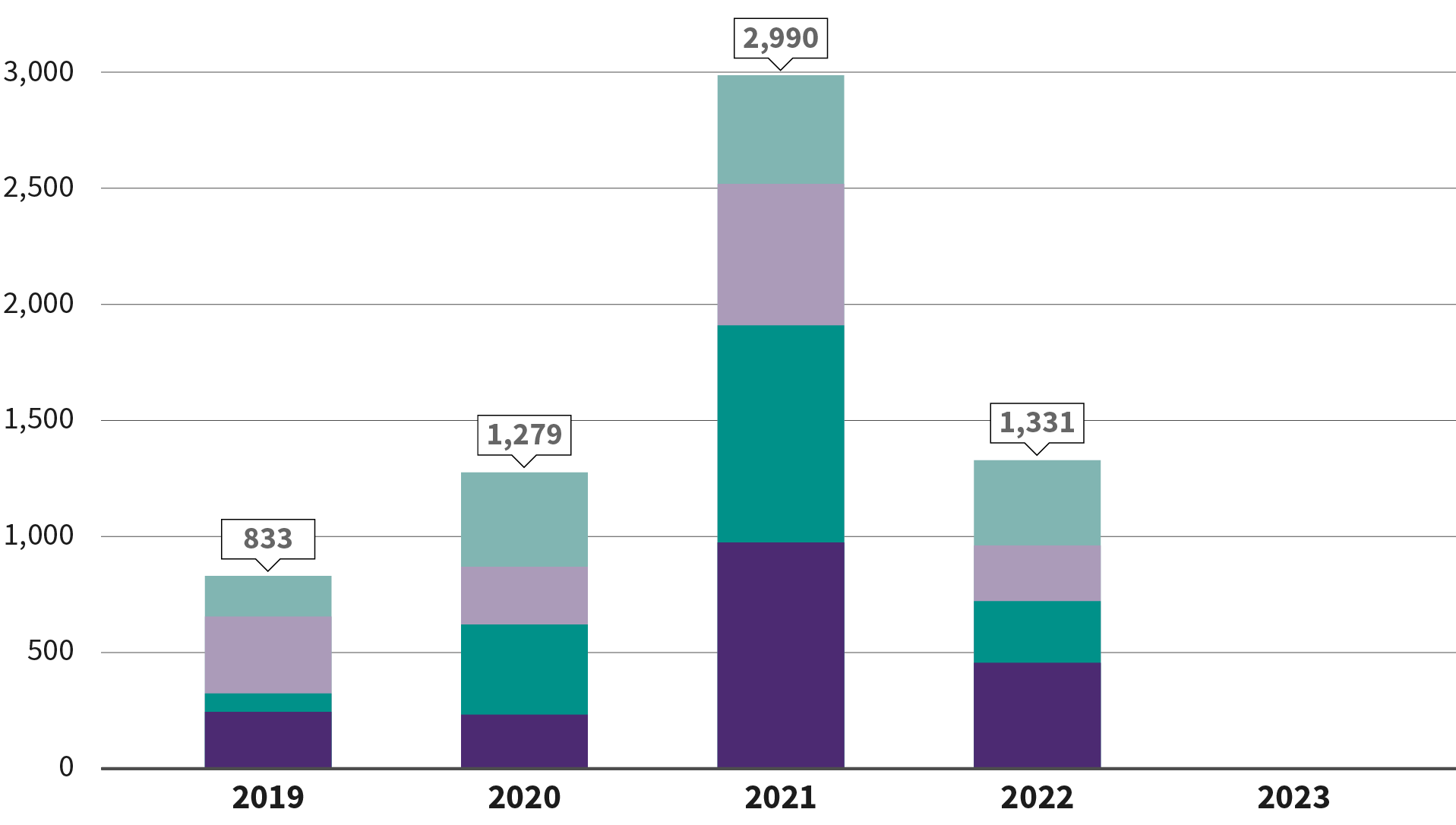
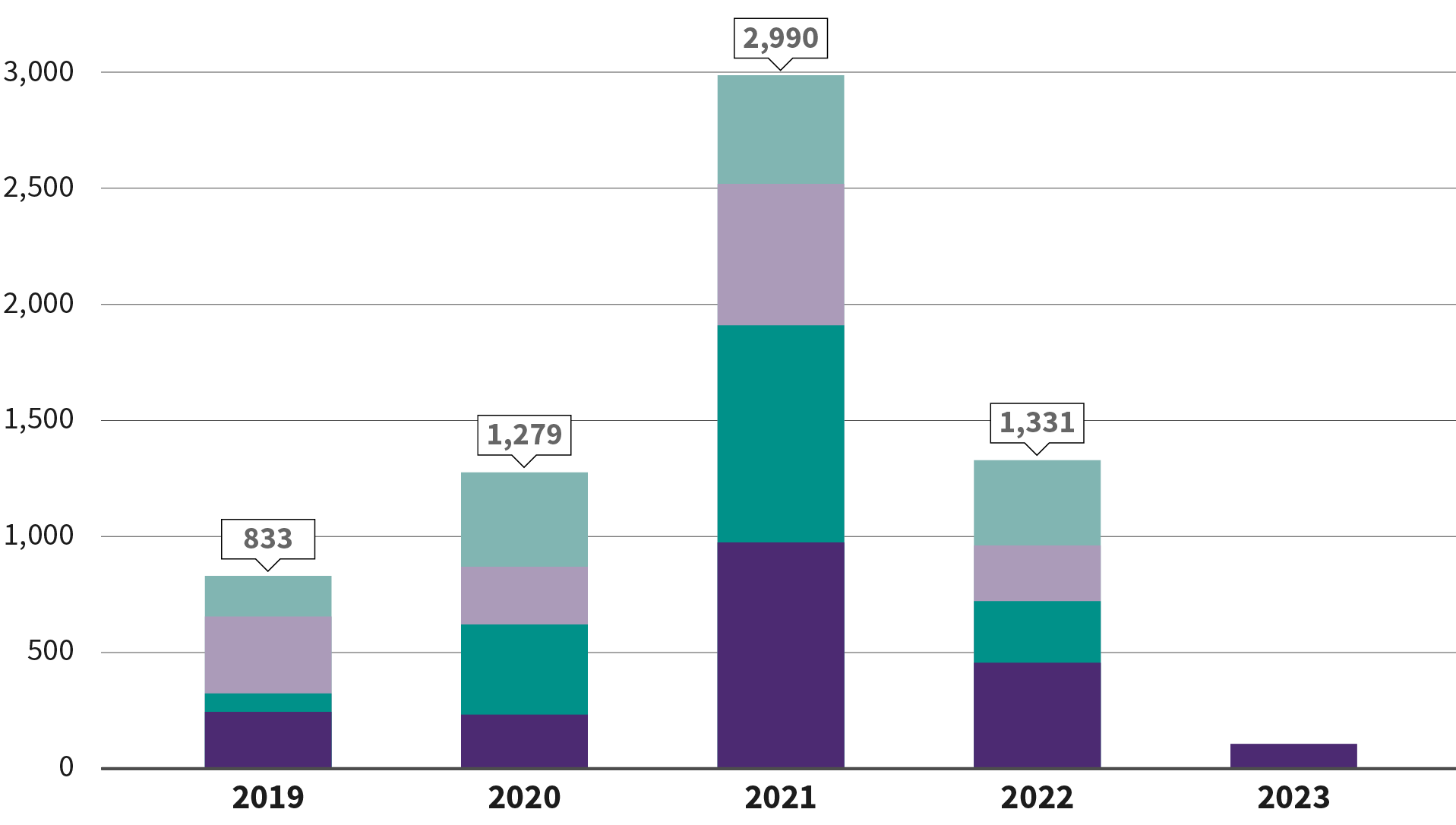
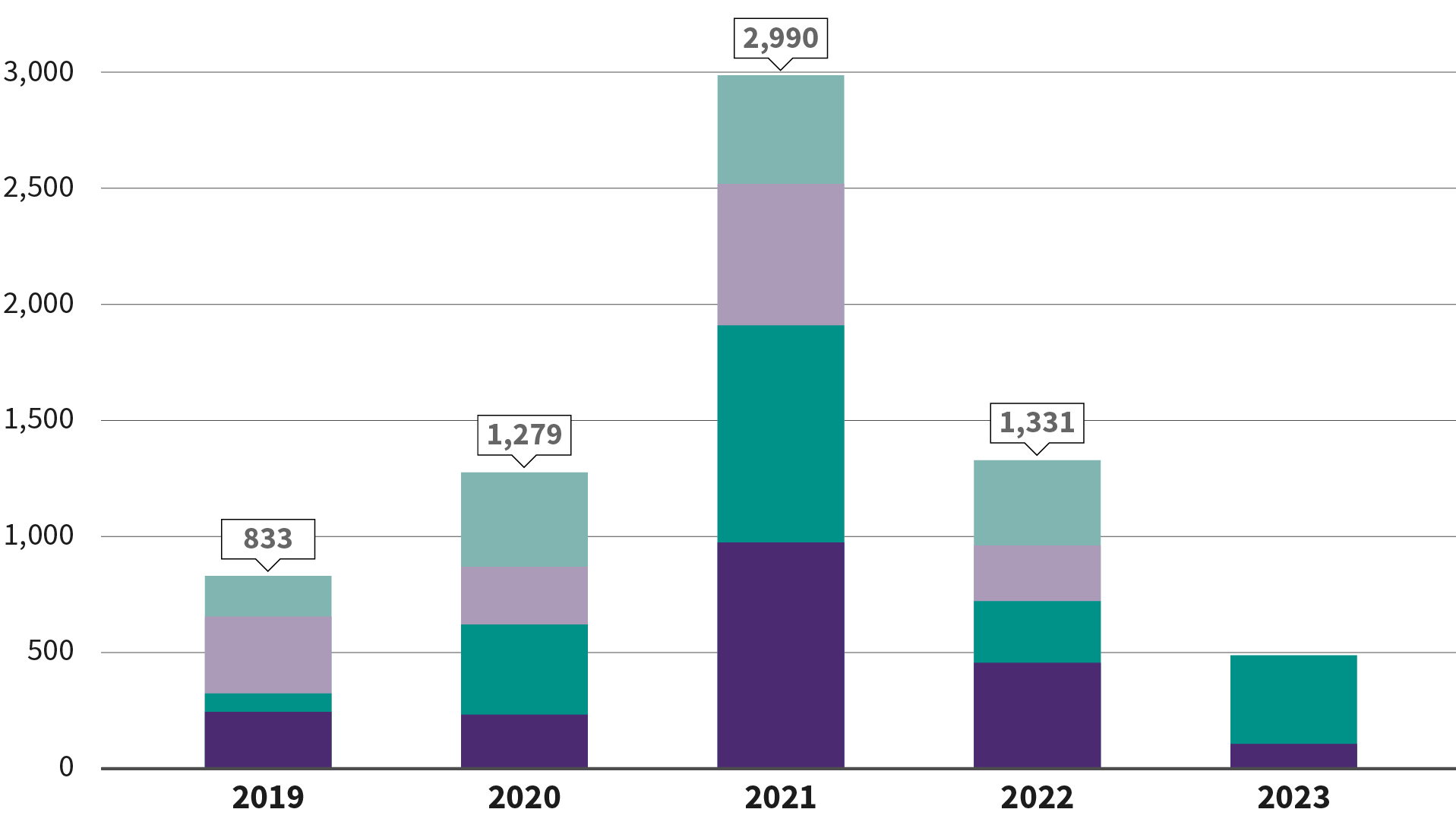
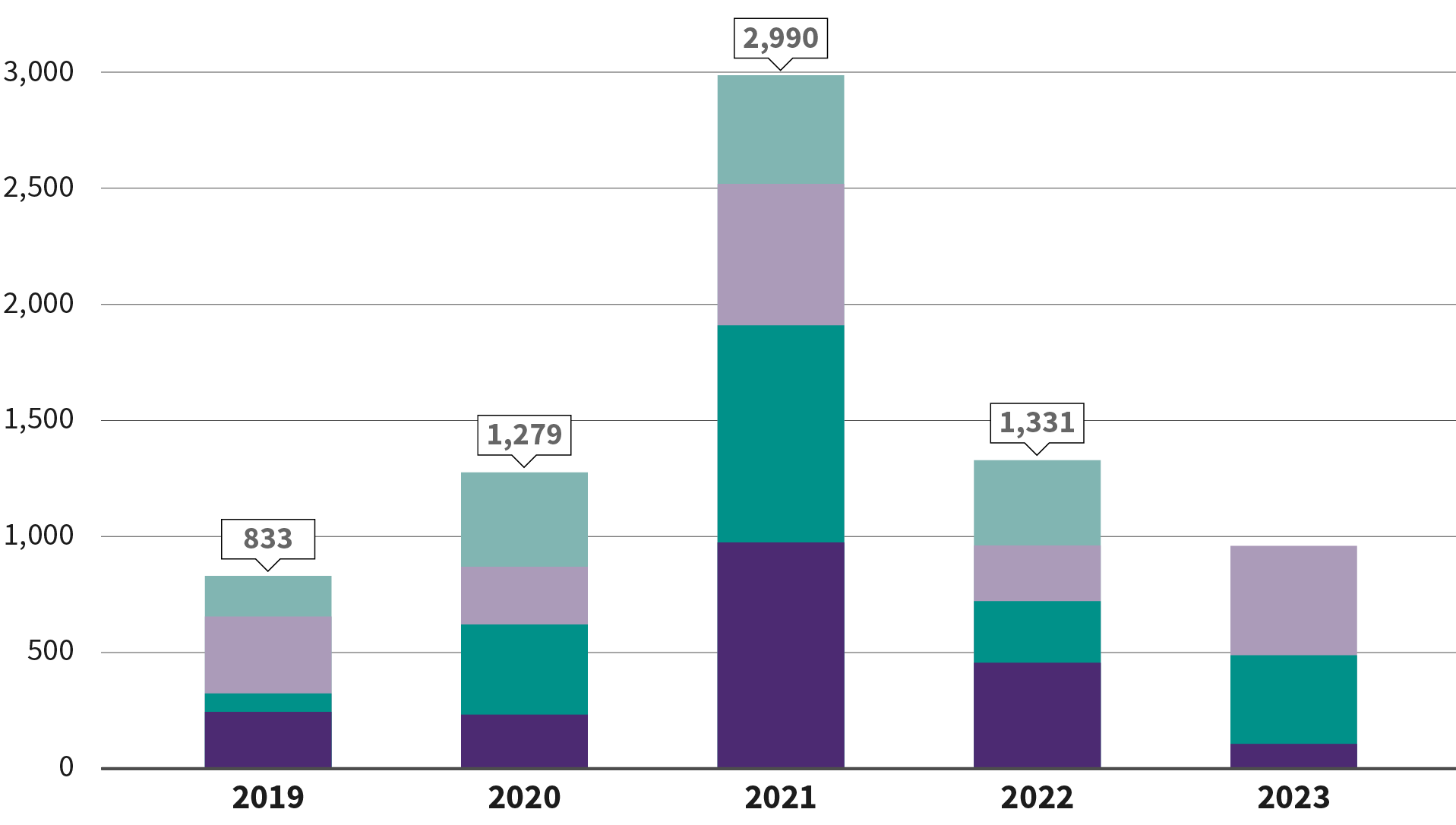
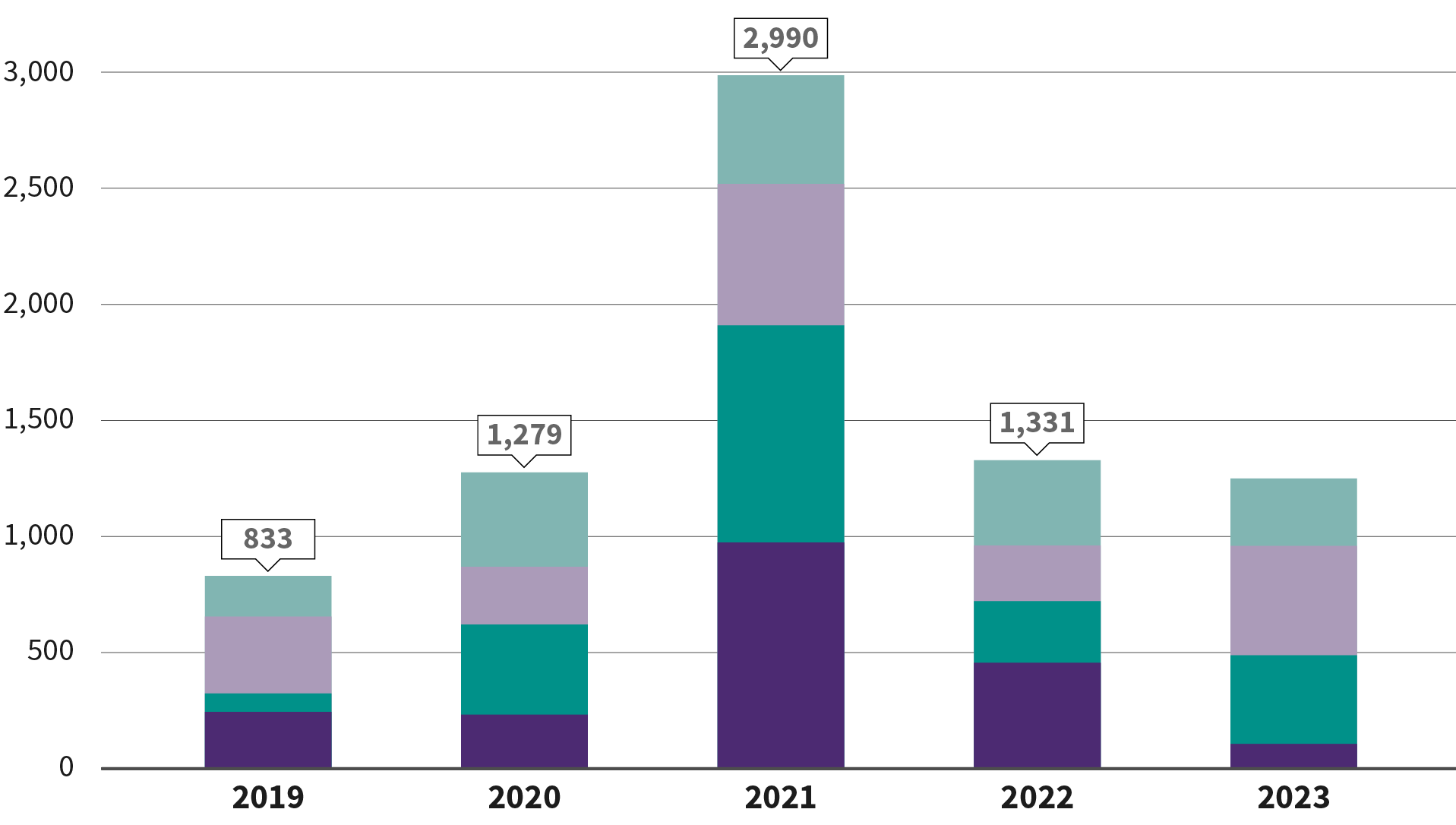
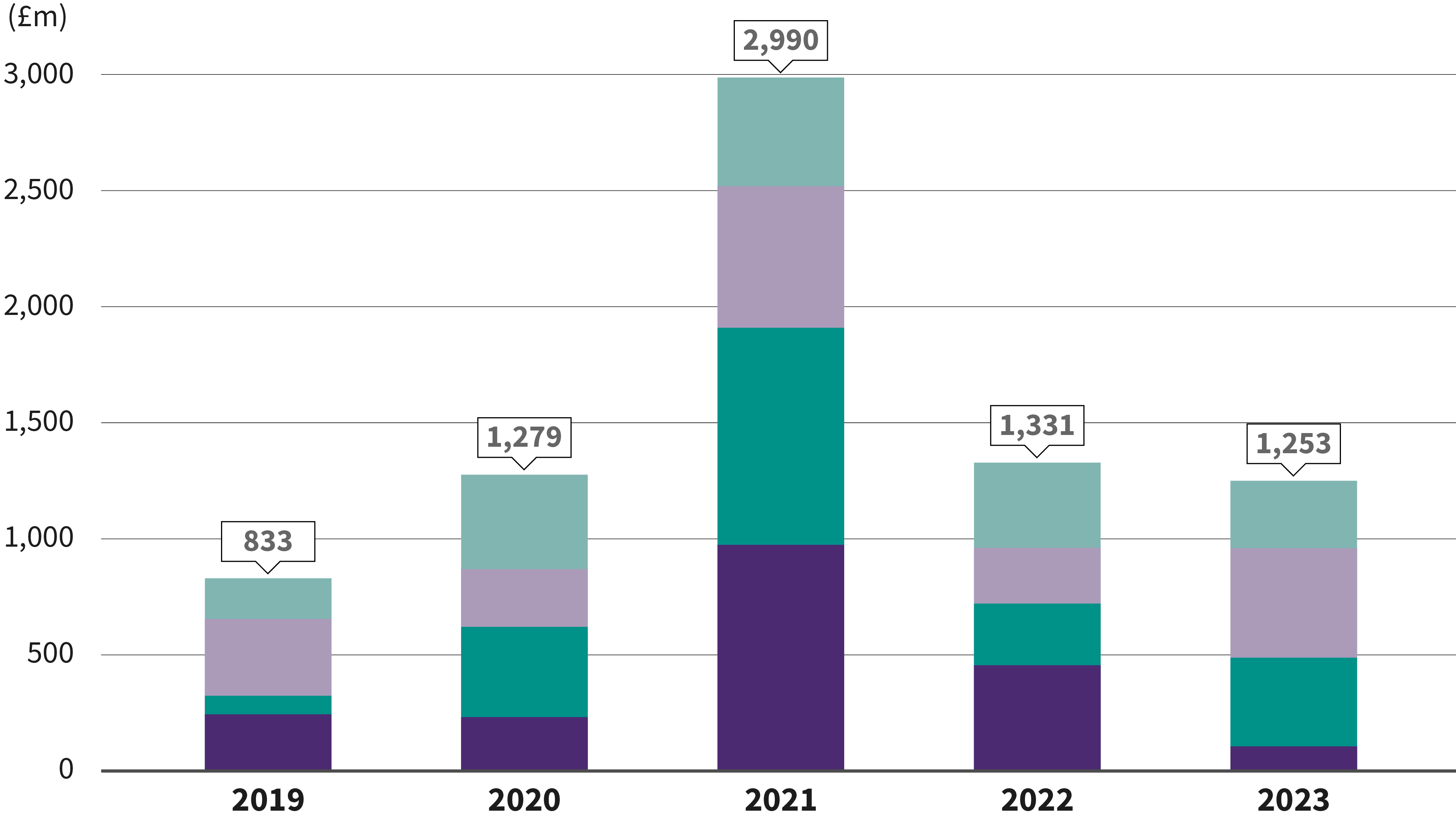
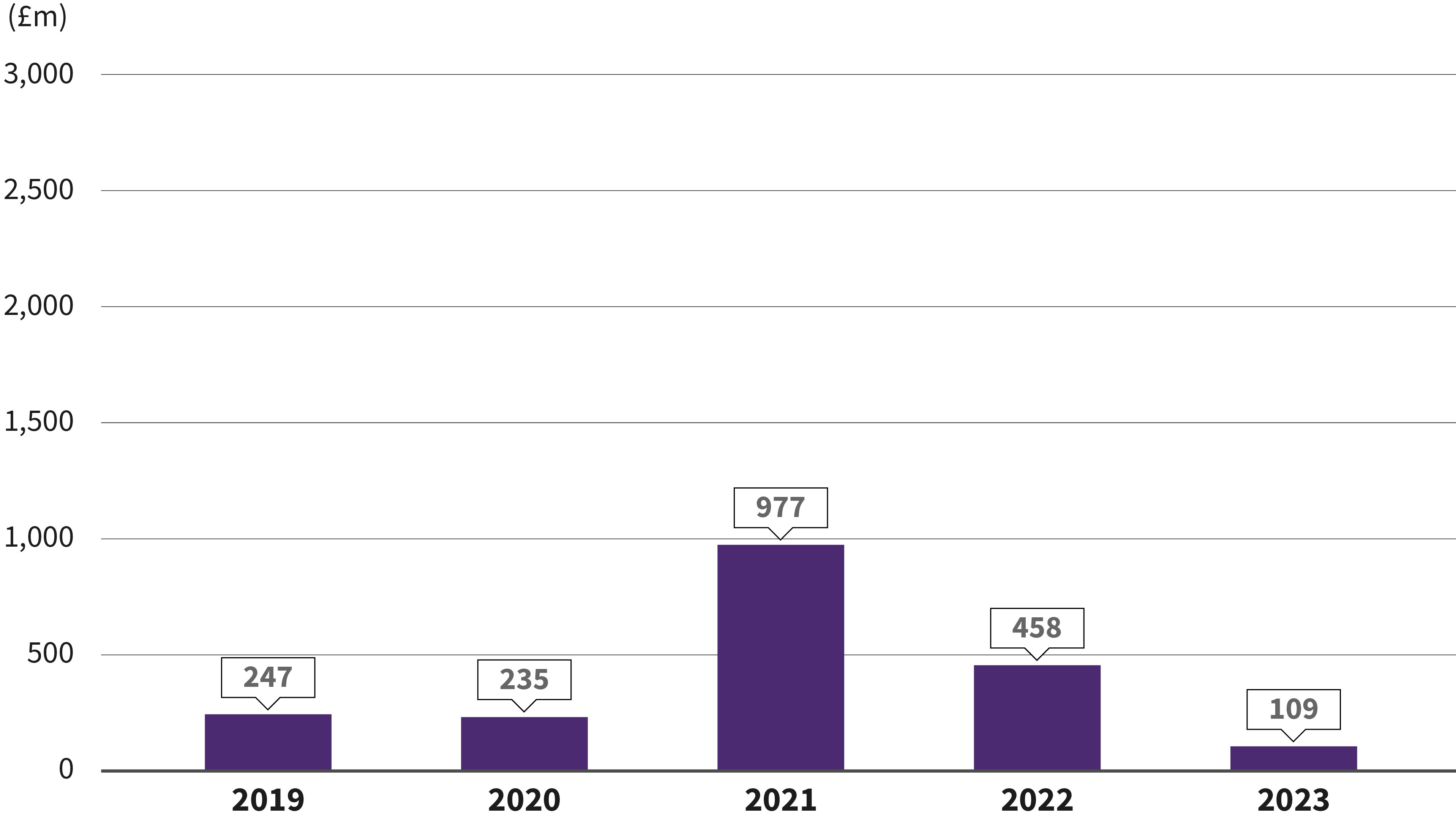
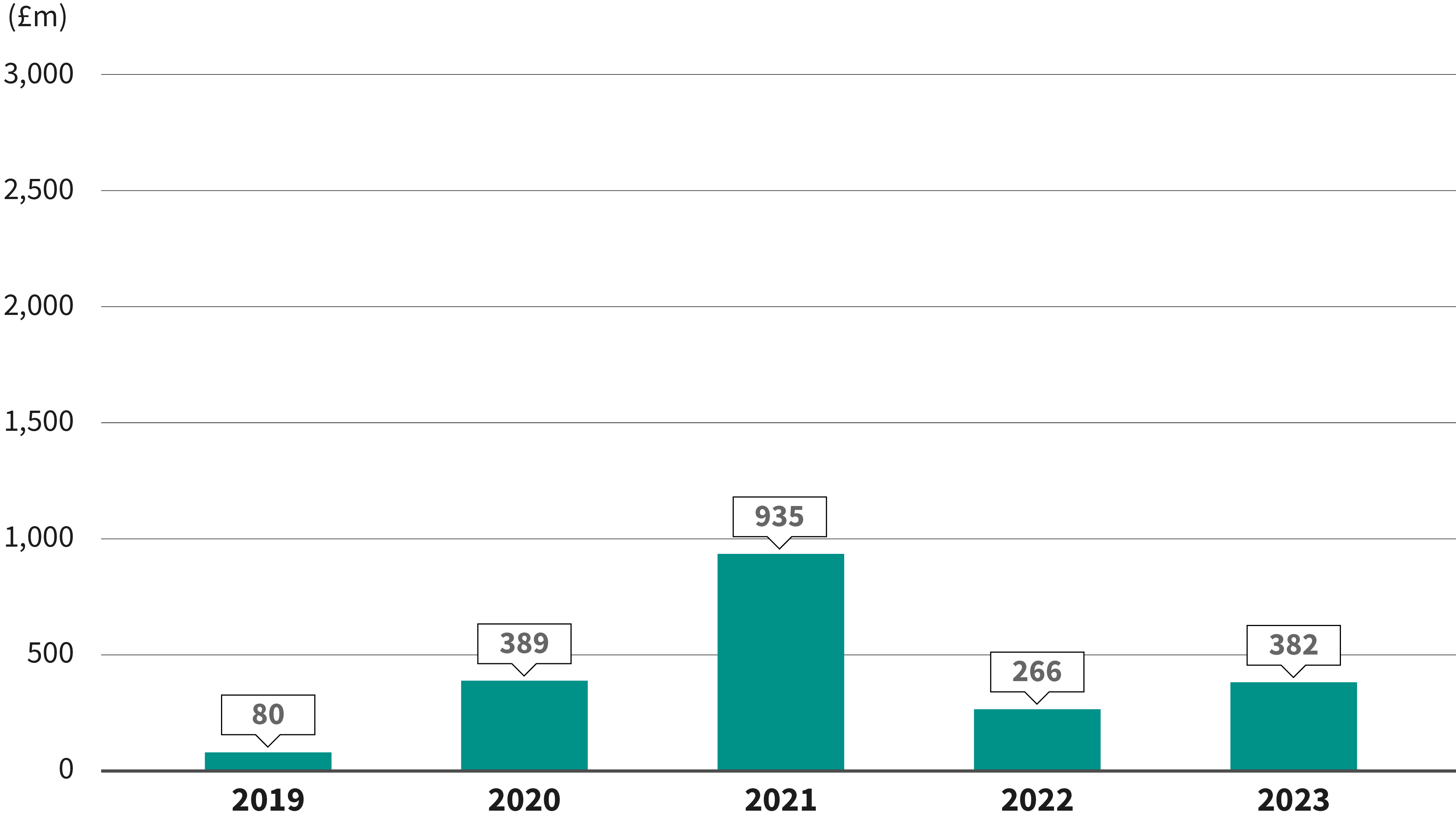
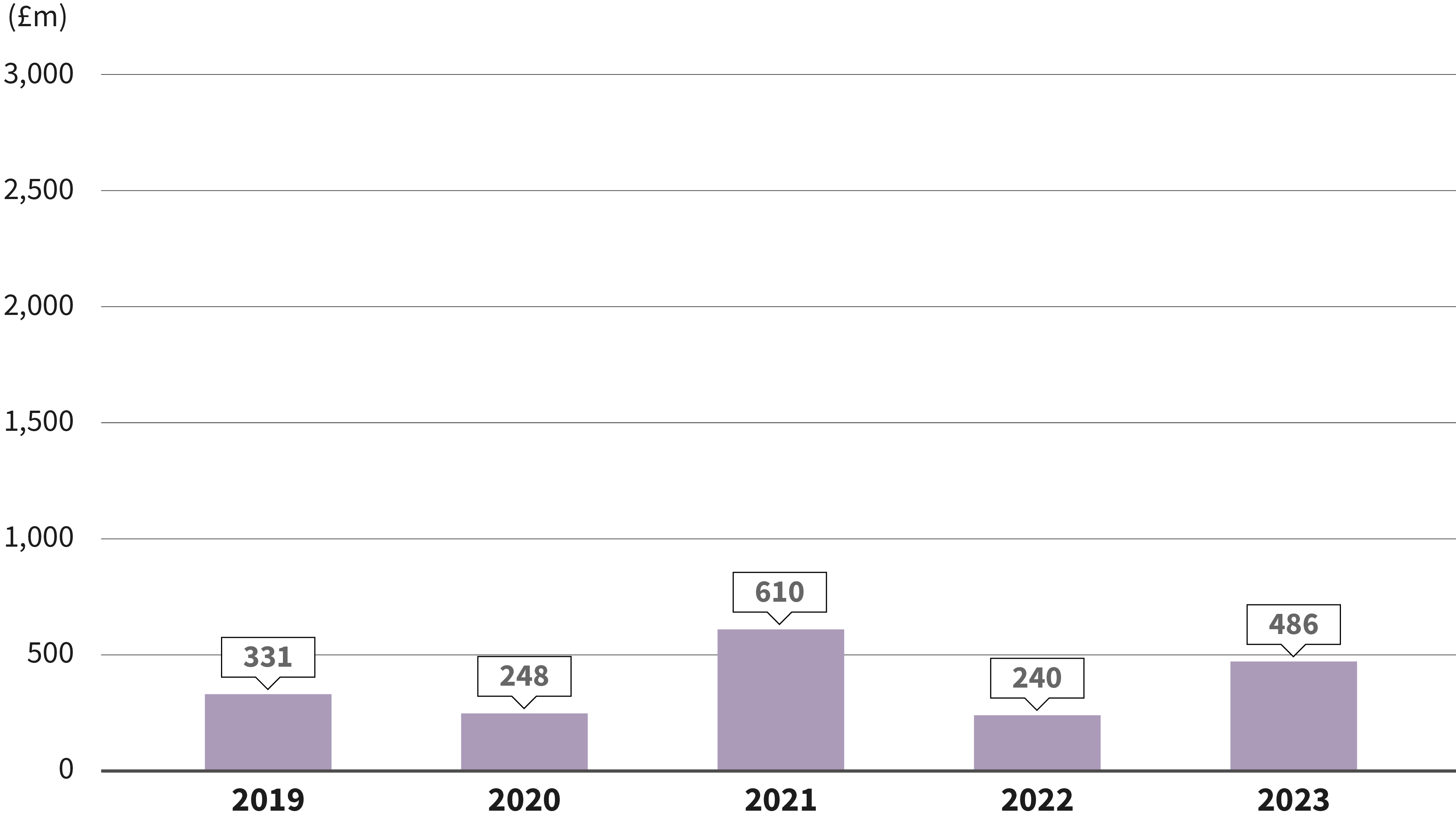
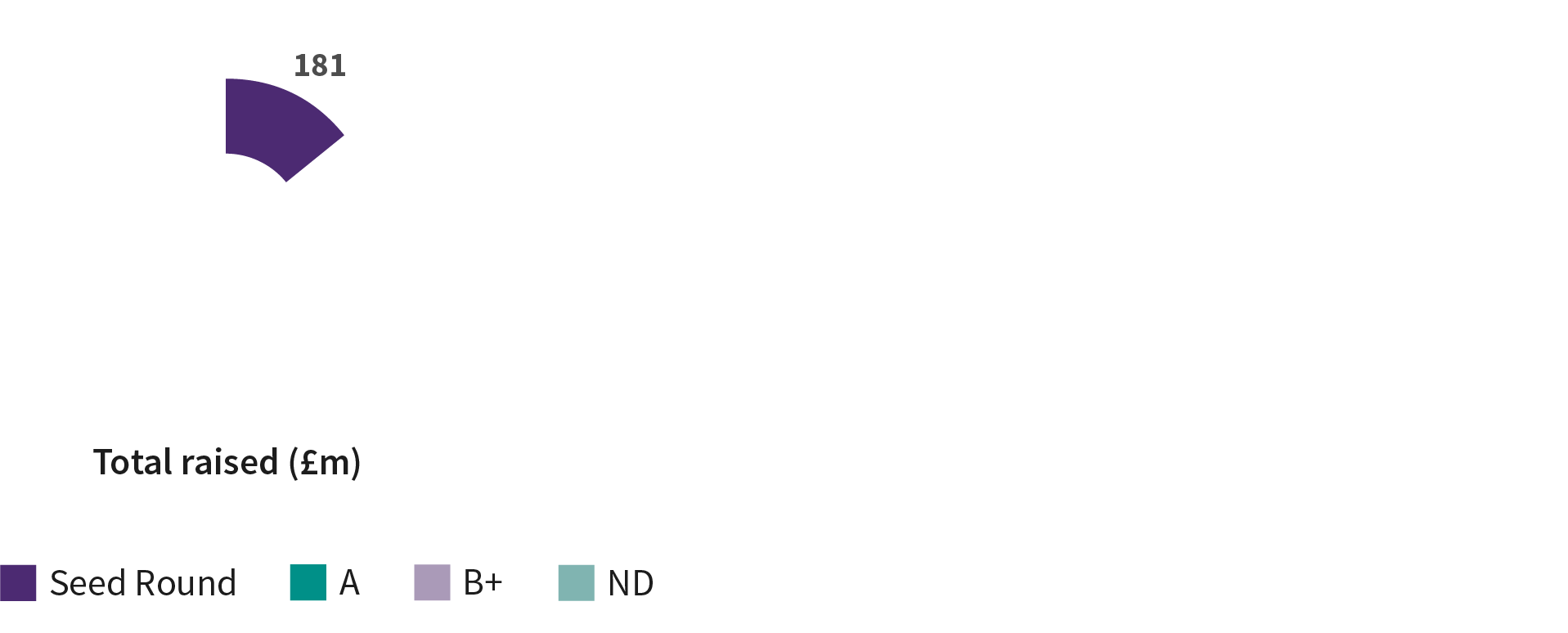
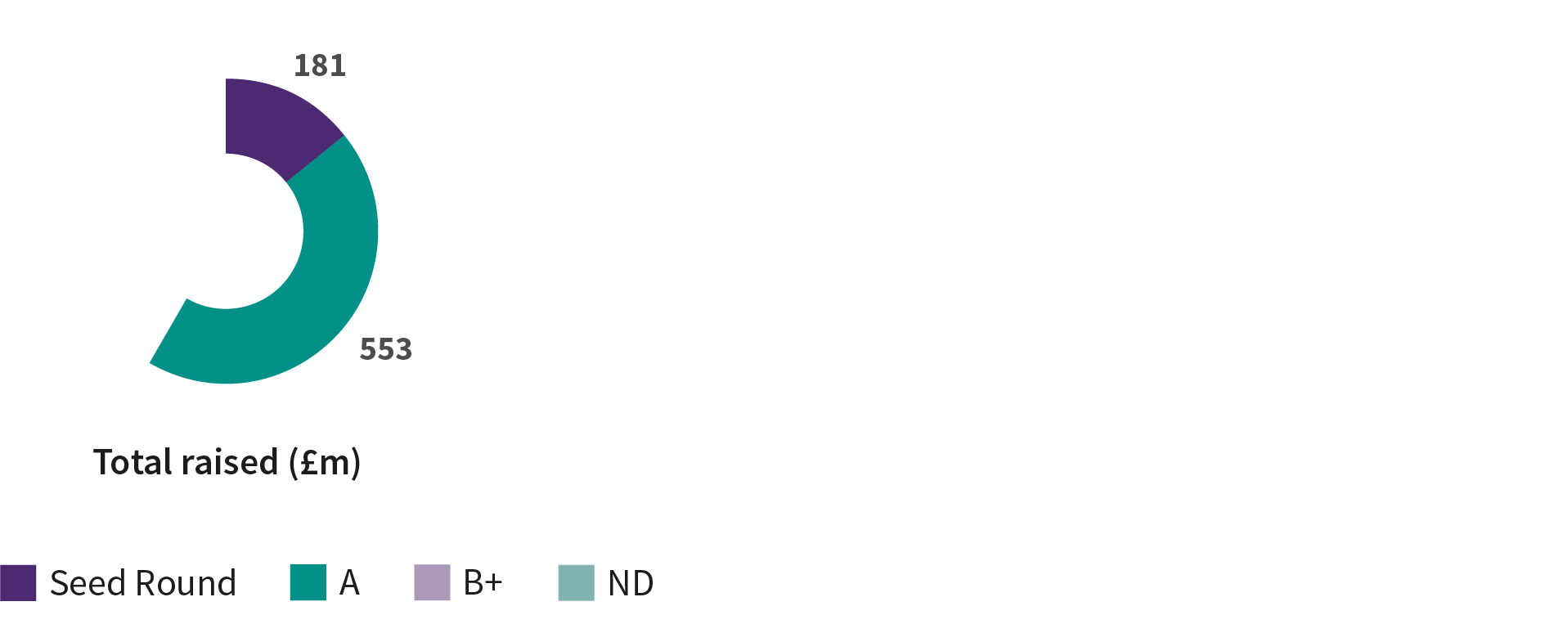
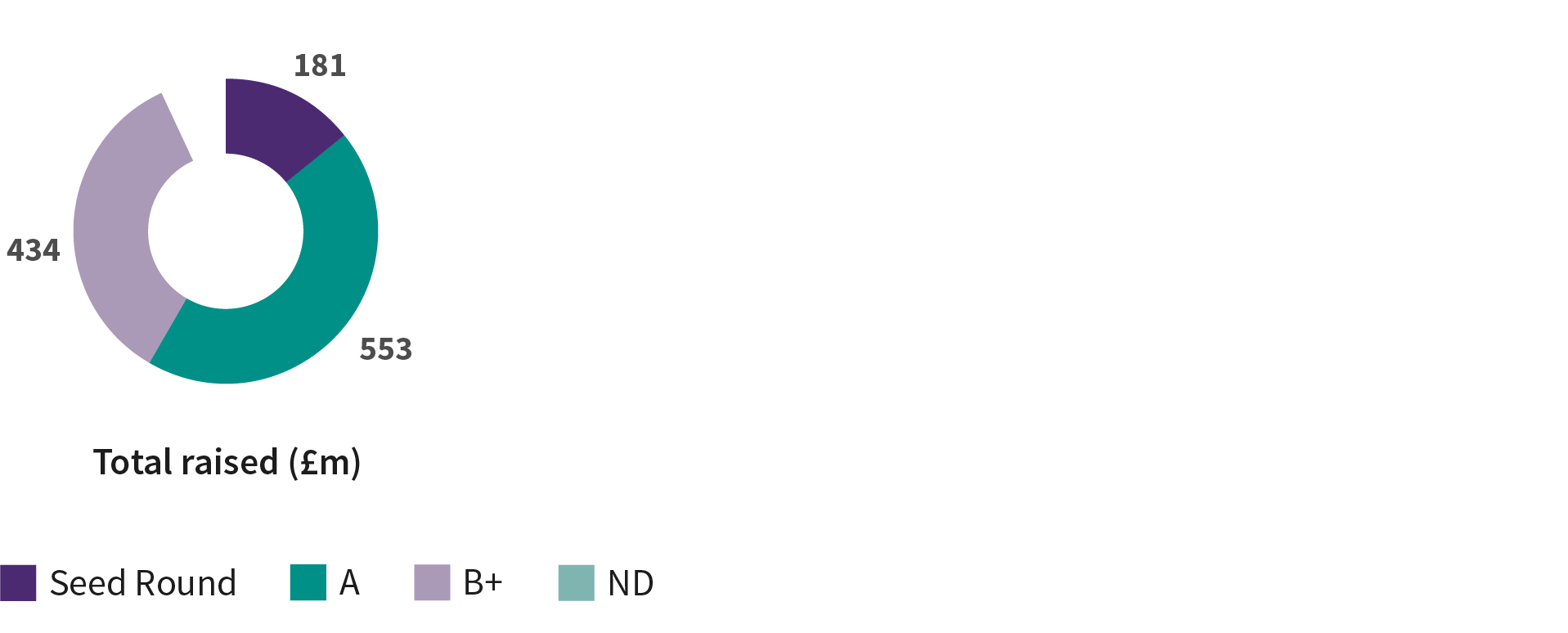
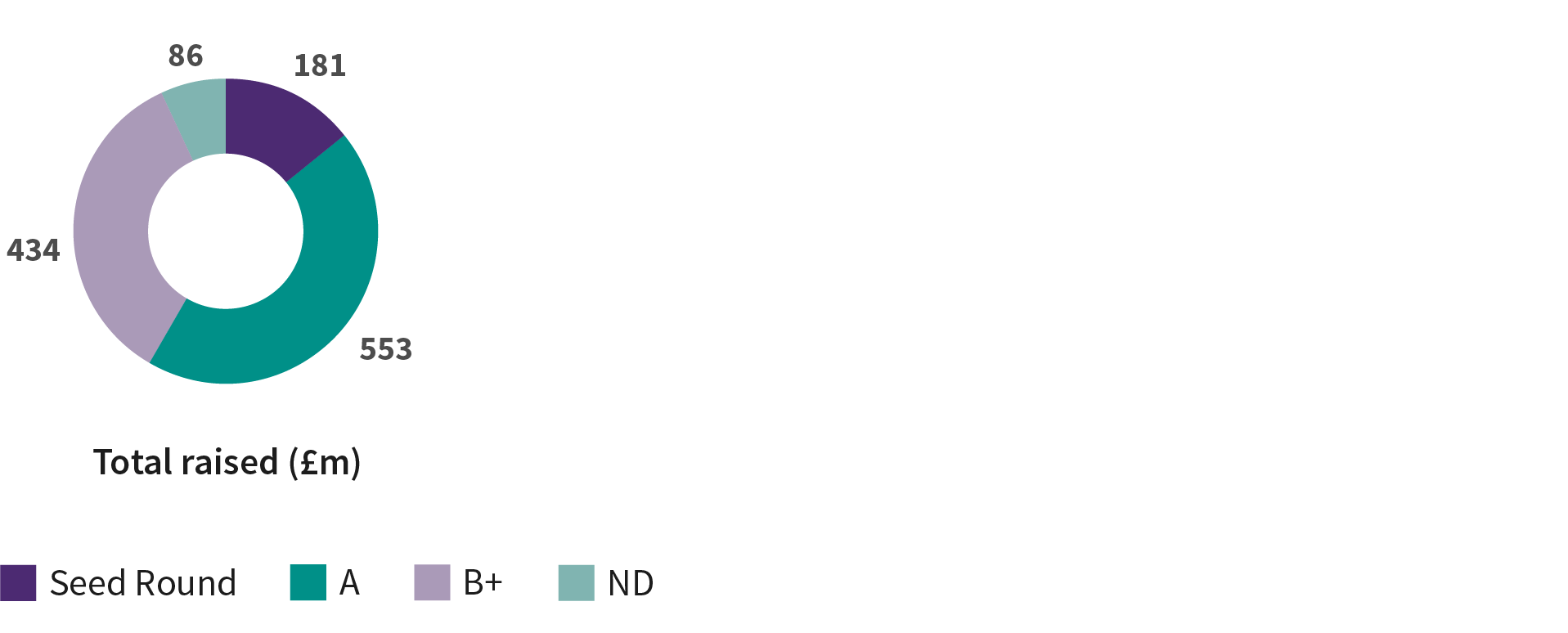
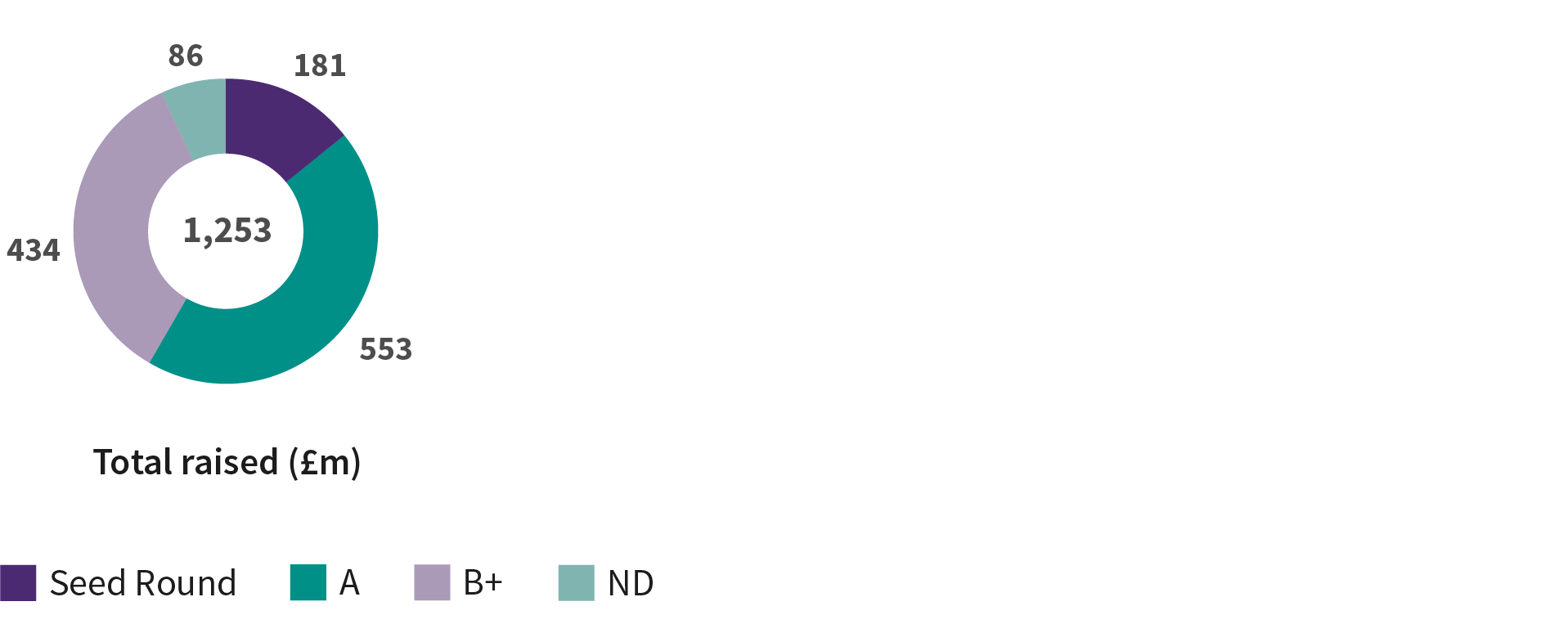
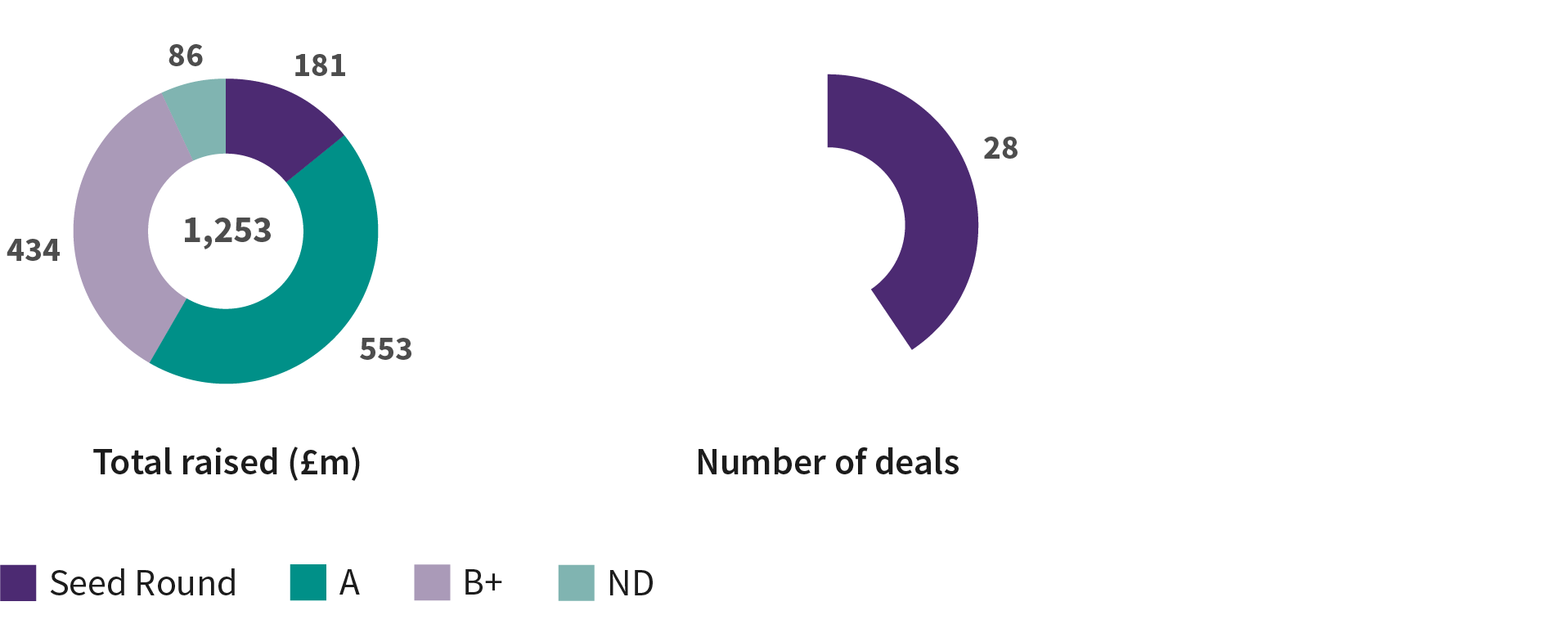
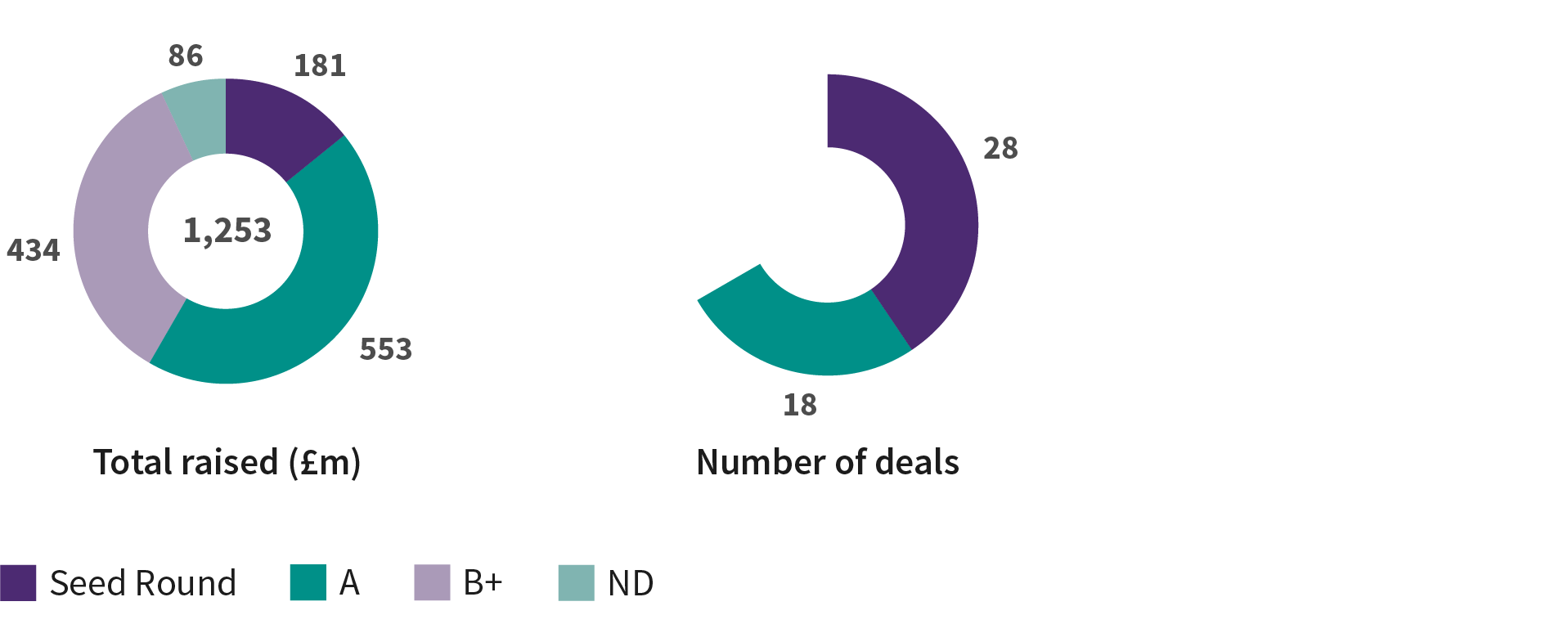
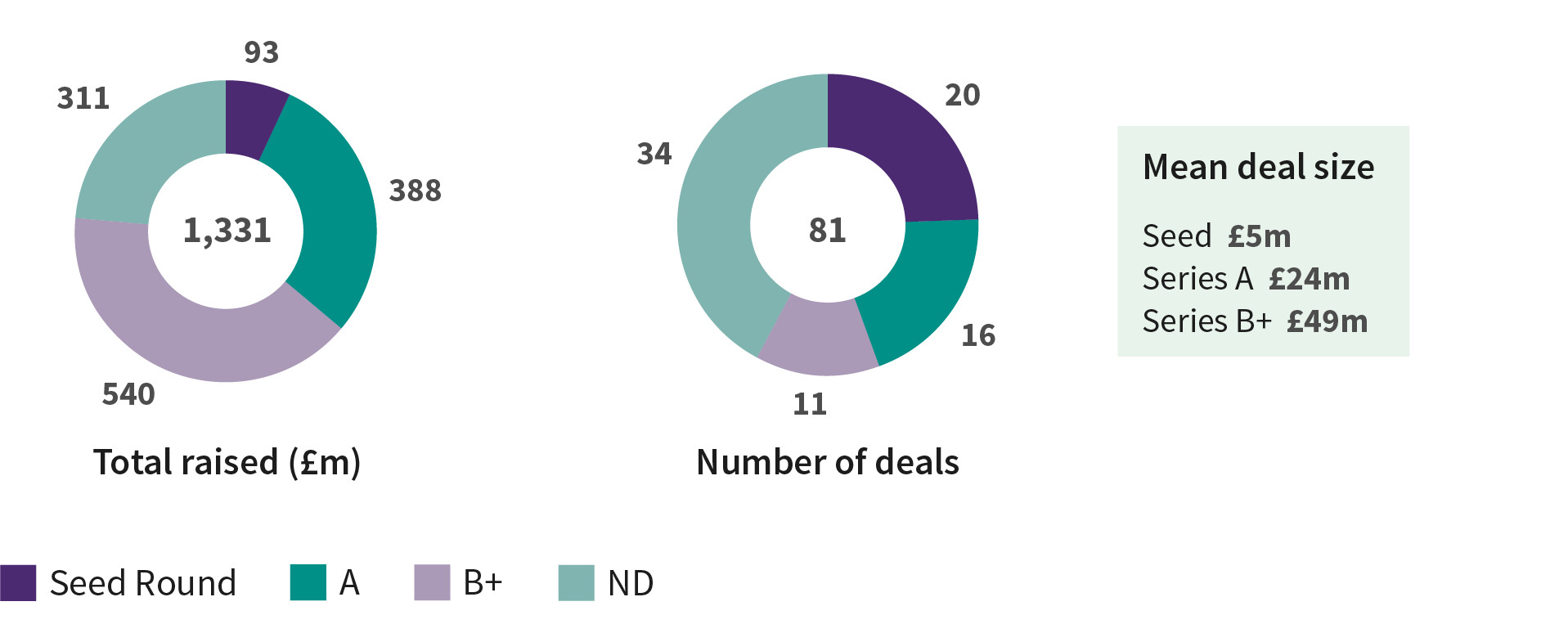
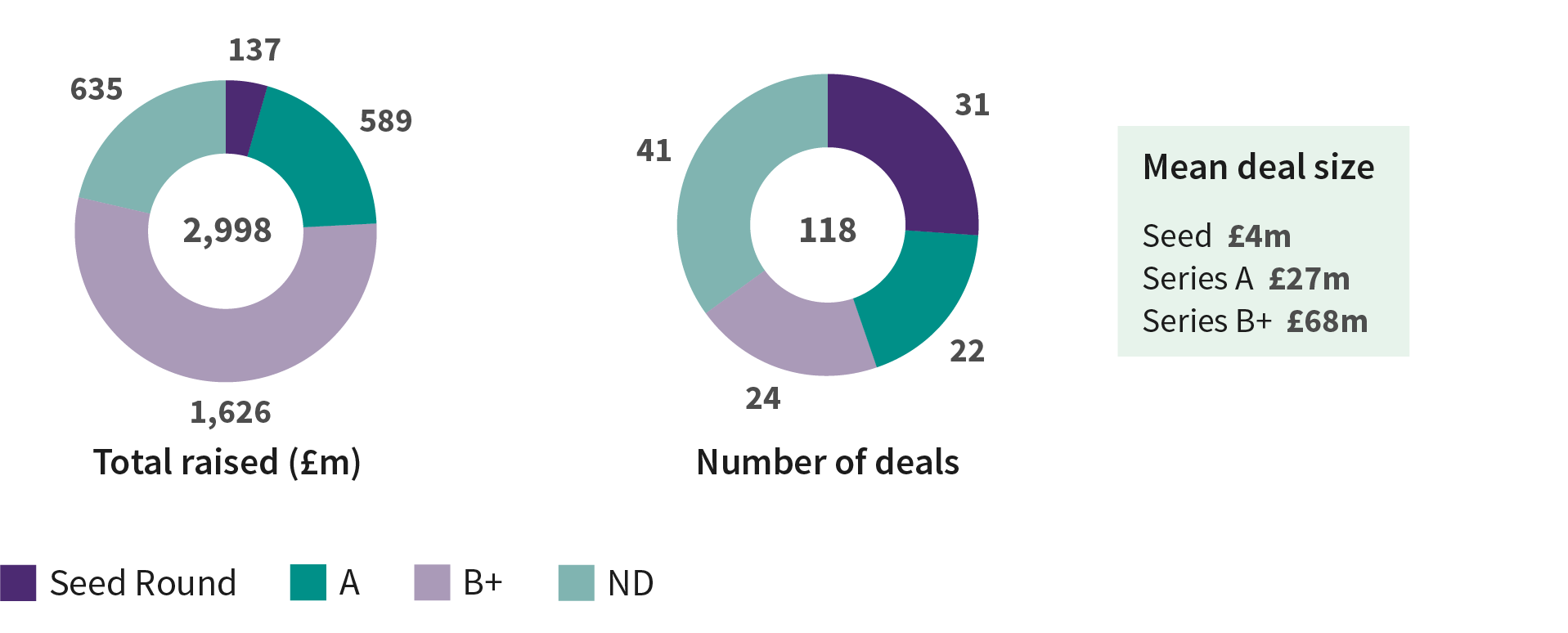
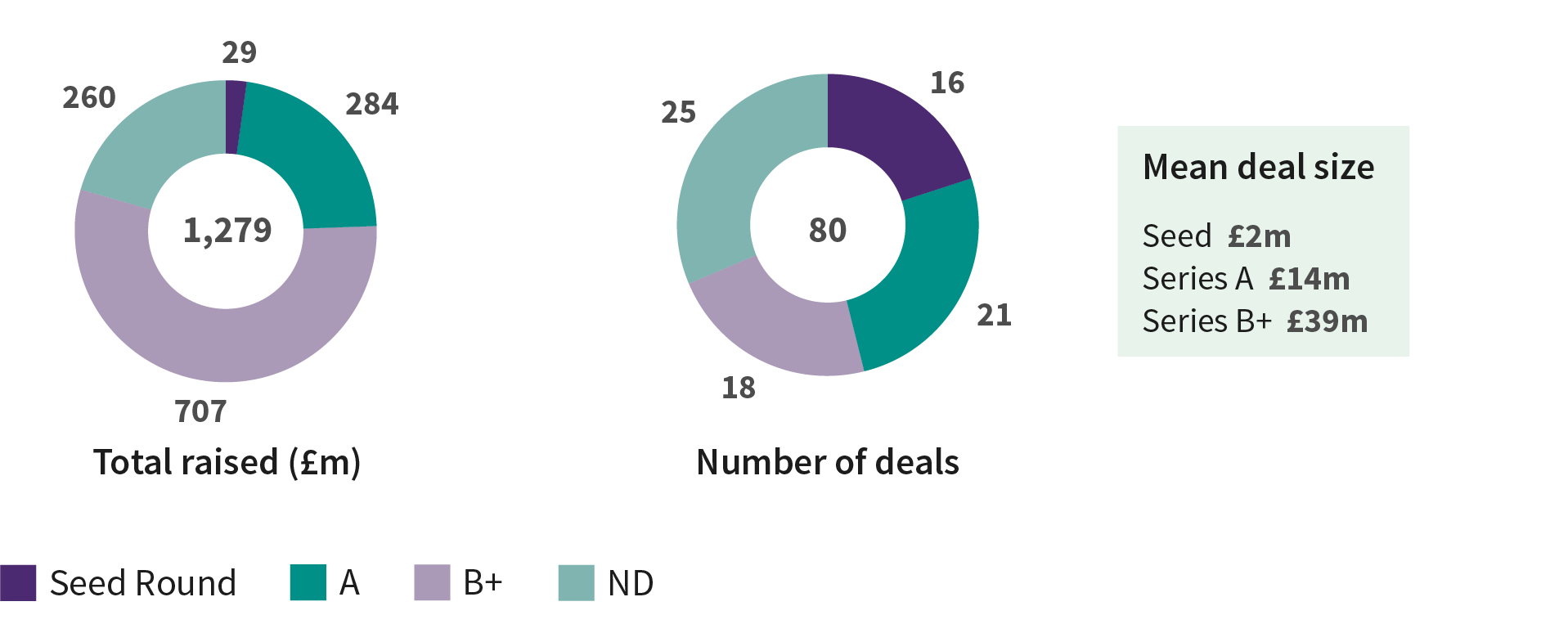
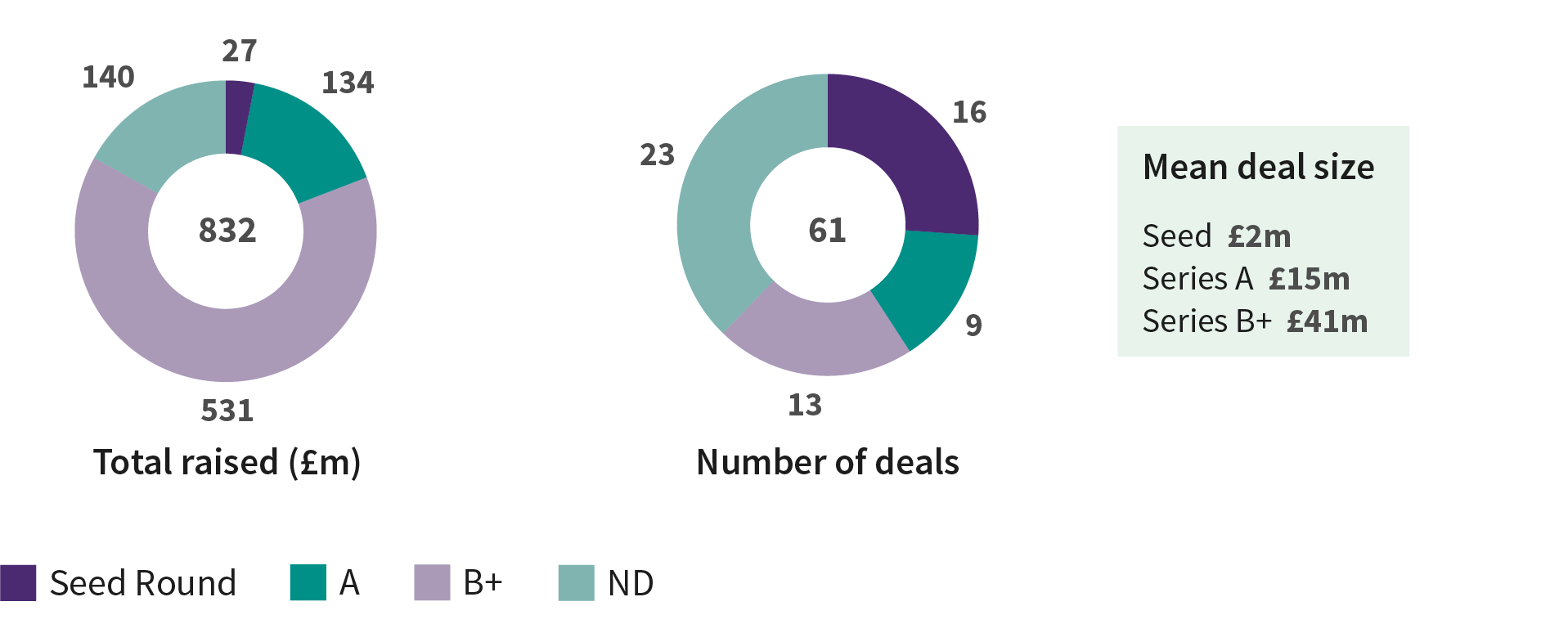
UK biotech venture capital investment by series
Emily Pilkington
HSBC Innovation Banking
The global healthcare market stabilised in 2023, with new financings down, although Series B new-investor rounds were up versus 2022. Almost half of the financings in 2023 were insider rounds, and a significant number of companies who raised new rounds, did so at revised valuations, in line with the view that “a flat valuation is the new up-round”.
We expect the current downturn to extend into 2024. The key question will be whether the prevalent insider rounds from 2022 and 2023 provide enough runway for companies to reach a value-creation event that justifies new investment. We predict stable or slightly decreased first-financing activity, as investors continue to prioritise support for existing portfolio companies, and opportunistic late-stage deals at revised valuations. The upcoming year will be a crucial phase in this downturn, as many companies must secure new investor-led rounds or face tough consequences. Valuation resets are expected to be widespread. Nevertheless, we anticipate top healthcare companies will secure large investment rounds at robust step-up valuations, experience exits with noteworthy M&A deal values (albeit at a reduced volume) and opportunistic, yet limited, IPOs. The appropriate use of non-dilutive capital, including venture debt and strategic capital, will become increasingly appealing options to provide flexibility to achieve key milestones and drive higher valuations. HSBC Innovation Banking are a committed partner to the life sciences economy; we are excited to work with companies across the sector, supporting their growth plans in 2024 and beyond.
Although there was a 6% decline in the total amount raised compared to the year before, the average deal size increased by 11%. This was the second-highest mean deal value of the years on record, beaten only by the high watermark year of 2021, which saw more than double the amount in venture funding.
The mean deal size across all stages, from seed through late VC series, for UK biotechs was £18.2 million, which falls short of both the European average of £31.2 million and the US average of £53.5 million. The largest venture deal of the year was secured by Cambridge-based Apollo Therapeutics in a series C round of venture financing that concluded in December.
Seed deals made up 41% of the total raised in venture investments. The mean seed deal size rose to £6.7 million from £4.3 million the previous year, reaching a record mean deal size in our records. This increase was due to the largest seed deal in years secured by Beacon Therapeutics. Series A and later-stage venture investments were the second-best compared to previous years, despite a significant drop since 2021 in both deal numbers and total amounts. The conservative and focused investor strategy was evident and suggested that investors favoured putting significant amounts into the most promising companies.
UK biotechs also attracted considerable international investment this year as foreign investor participation was at 40% across all venture deals.
Top UK venture deals
| Company | Date | Round | Amount (£m) |
|---|---|---|---|
| Apollo Therapeutics | 06/09/2023 | C | 209.9 |
| Ascend Gene & Cell Therapies | 09/05/2023 | A | 105.0 |
| Beacon Therapeutics | 12/06/2023 | Seed | 96.0 |
| Complement Therapeutics | 17/04/2023 | A | 63.6 |
| Tenpoint Therapeutics | 12/07/2023 | A | 54.3 |
| EyeBio | 14/11/2023 | A | 52.0 |
| T-Therapeutics | 14/11/2023 | A | 48.0 |
| AstronauTx | 09/10/2023 | A | 48.0 |
| Causaly | 13/07/2023 | B | 46.6 |
| Grey Wolf Therapeutics | 26/01/2023 | B | 39.5 |
Dr Richard Mason FRCP
CEO, Apollo Therapeutics
During 2023, Apollo Therapeutics raised $260 million through a successful Series C fundraise, the largest UK private financing over the past 12 months. As a transatlantic portfolio biopharmaceutical company, focused on translating fundamental medical research into drugs through a ‘hub-and-spoke’ approach, the proceeds will enable us to take our most advanced programs through to key clinical value inflection points.
Led by Patient Square Capital, with participation by multiple new investors including M&G plc and two of the largest US public pension plans, along with existing investors including Rock Springs Capital, the round brought the total raised since Apollo’s inception to >$450 million.
At Apollo, we operate a scalable R&D platform for the evergreen discovery and development of new medicines enabled by an unprecedented level of access to five of the world’s leading universities and research institutes, all of which are here in the UK and made possible by the strength of the science and research seen within British institutions. We are developing a broad and diversified pipeline of >20 uncorrelated therapeutic programs based on world-class science focused on unmet medical need. This Series C fundraise enables us to progress multiple assets into the clinic during 2024 and demonstrates that the ground-breaking British science being developed at universities and research institutes across the country continues to be world-leading, especially when it comes to attracting the attention of a global audience.
Top UK venture seed deals
| Company | Date | Amount (£m) |
|---|---|---|
| Beacon Therapeutics | 12/06/2023 | 96.0 |
| Laverock Therapeutics | 28/09/2023 | 13.5 |
| SynaptixBio | 14/04/2023 | 11.1 |
| Sutura Therapeutics | 24/05/2023 | 7.8 |
| MultiOmic Health | 04/05/2023 | 6.9 |
| PharmEnable Therapeutics | 22/05/2023 | 6.0 |
| Pencil Biosciences | 28/09/2023 | 5.6 |
| Crucible Therapeutics | 21/09/2023 | 5.0 |
| Glox Therapeutics | 14/11/2023 | 4.3 |
| BioCorteX | 28/03/2023 | 4.1 |
| Harness Therapeutics | 28/11/2023 | 4.0 |

David Venables
CEO, Laverock Therapeutics
Laverock Therapeutics, a gene-silencing company with a uniquely powerful technology for the development of programmable advanced therapies to tackle major diseases, completed an expanded seed round in September 2023, raising £13.5 million to advance its programmes targeting regenerative medicine and oncology, and its platform.
The investment was the second-highest seed investment in a UK company in 2023. It was led by Calculus Capital with additional participation by Eli Lilly and Company, Mercia Ventures, Maven Capital Partners, Eos, UK Innovation & Science Seed Fund and Tekfen Ventures.
While advanced therapies are already transforming medicine for some diseases, their full potential is yet to be realised due to the limitations of existing technologies. Laverock harnesses the power of the cell’s own control system – naturally occurring microRNA – and re-purposes it to conditionally regulate genes in a way which is programmable, tuneable, stable and specific. This means that the target genes are expressed at the right level, in the right cell and at the right time to have a transformative therapeutic effect. This addresses significant challenges with existing approaches to enable the development of a new generation of more effective, safer and more accessible advanced therapies.
Post-funding, Laverock has significantly grown its team to 24 people, representing growth of 50% over the past year, and expanded its R&D facilities in the Stevenage Bioscience Catalyst as it continues to build its capabilities.

Robert Thong
CEO, MultiOmic Health
MultiOmic Health originates new treatments and diagnostics for metabolic syndrome-related conditions, the world’s largest healthcare burden ($2 trillion annually). Using clinical records and bio-samples from research collaborators in the UK NHS and continental Europe, we apply computational systems biology to identify patient subpopulations with distinct clinical phenotypes and multi-omics signatures.
Our precision medicine platform spawns new treatments whose clinical trials will be smaller and shorter while yielding higher success rates compared to historical programmes in this disease space.
In 2023, we raised a £5 million Seed Extension round led by Hoxton Ventures with participation from Ada Ventures, MMC Ventures and Verve Ventures. We also won a £900,000 Innovate UK award, bringing our total financing to £7.75 million since May 2021. Although 2023 was a challenging funding environment, we were fortunate to find 3 UK investors and 1 Swiss investor building their TechBio portfolios, whereas our initial funding came from the US where TechBio investing started much earlier. We aim to close a Series A round in early 2025, based on wet-lab verification we are starting for our computationally-derived therapeutic and diagnostic concepts—proceeds will be used to pursue several proprietary programmes and strengthen our platform.
VC investors
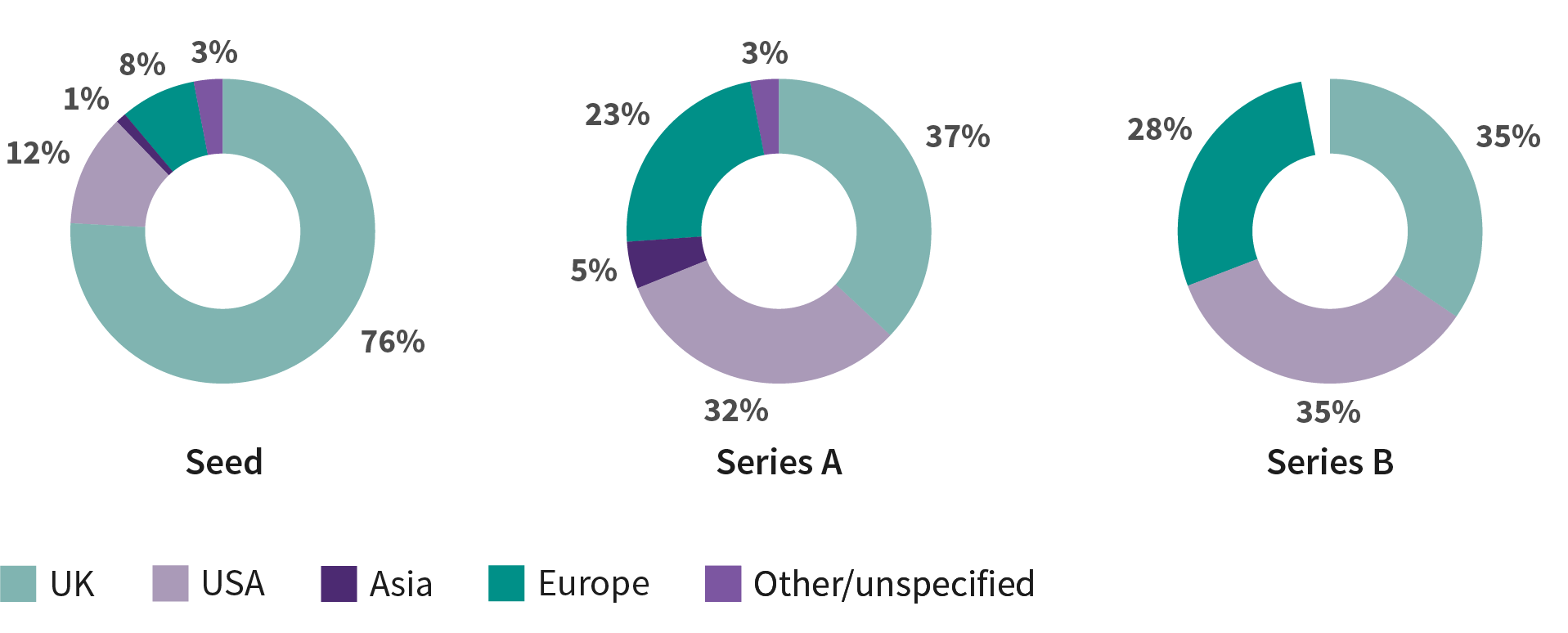
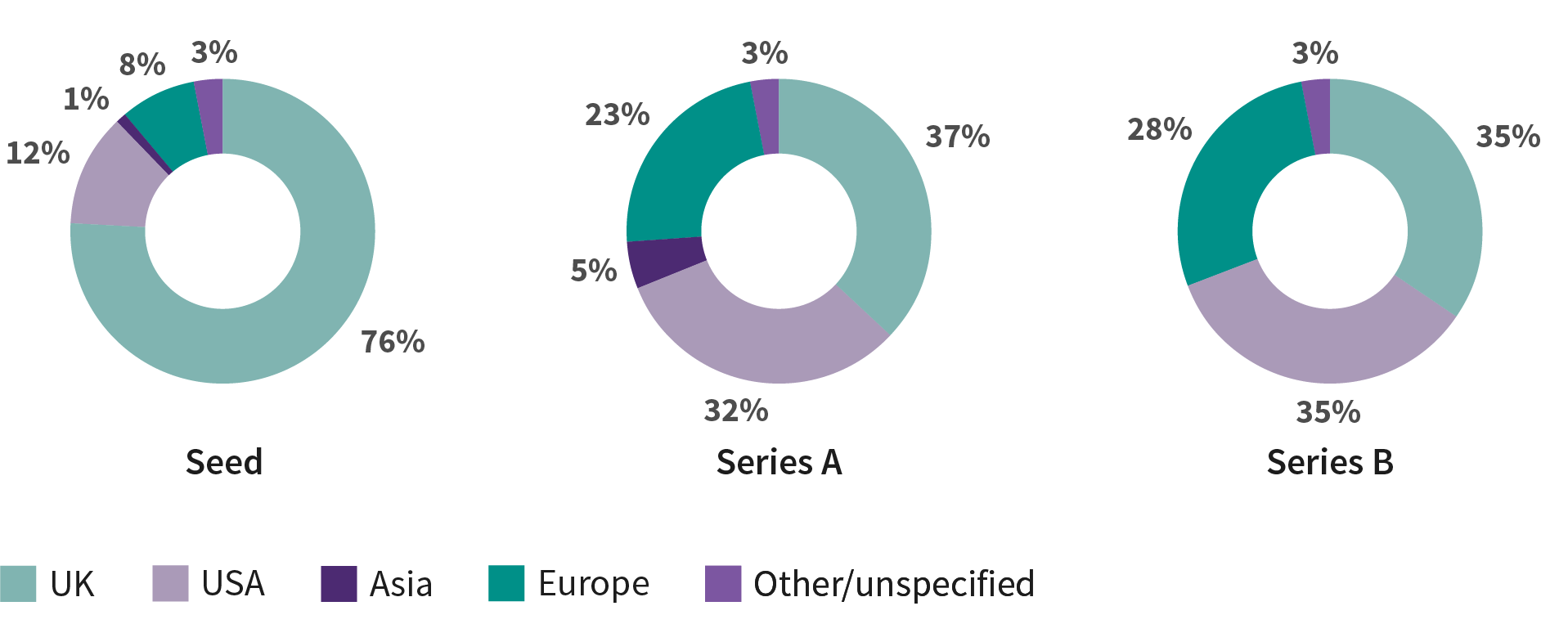
Meltwind Advisory, o2h Ventures and Sofinnova Partners were the most active investors in UK biotechs by the number of deals they participated in. The most active non-UK investors in the UK biotech sector were Sofinnova and Pfizer venture who participated in deals alongside other funds that totalled £164 million and £88 million, respectively. 45% of investors were based outside the UK, which is a stable figure historically.
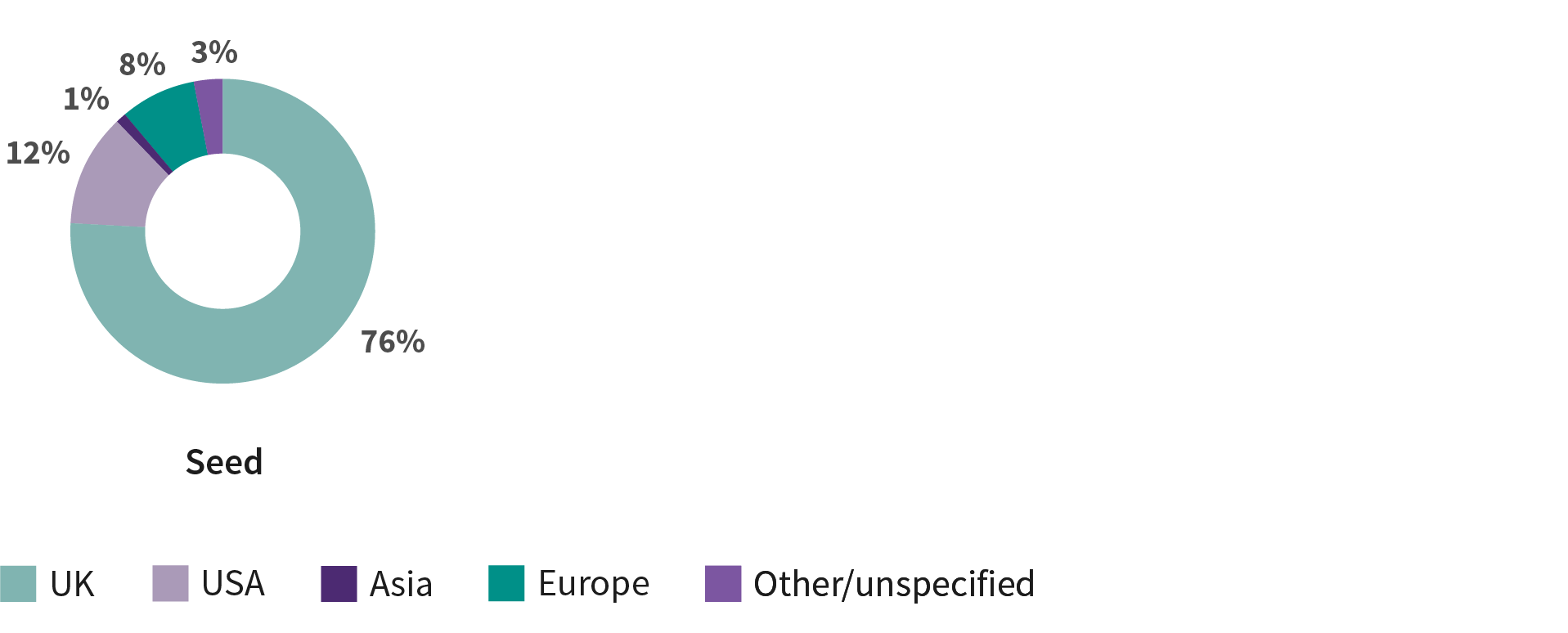
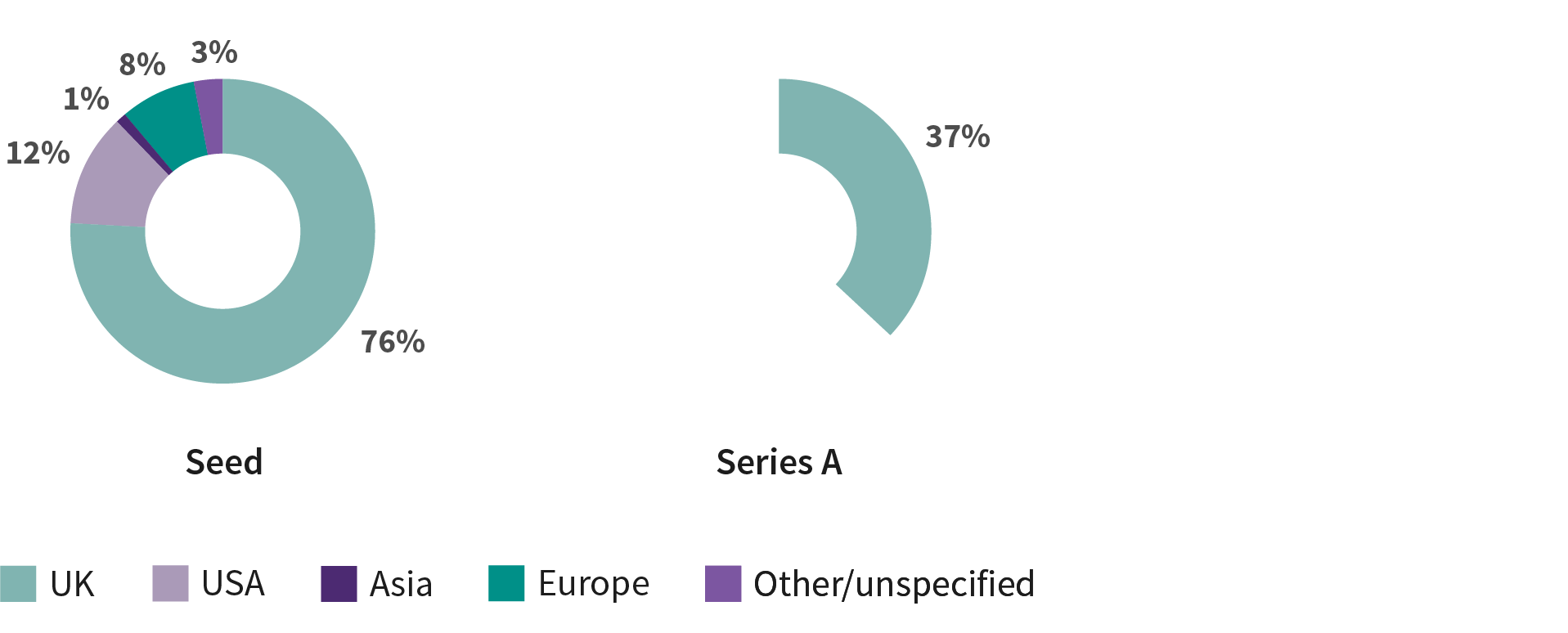
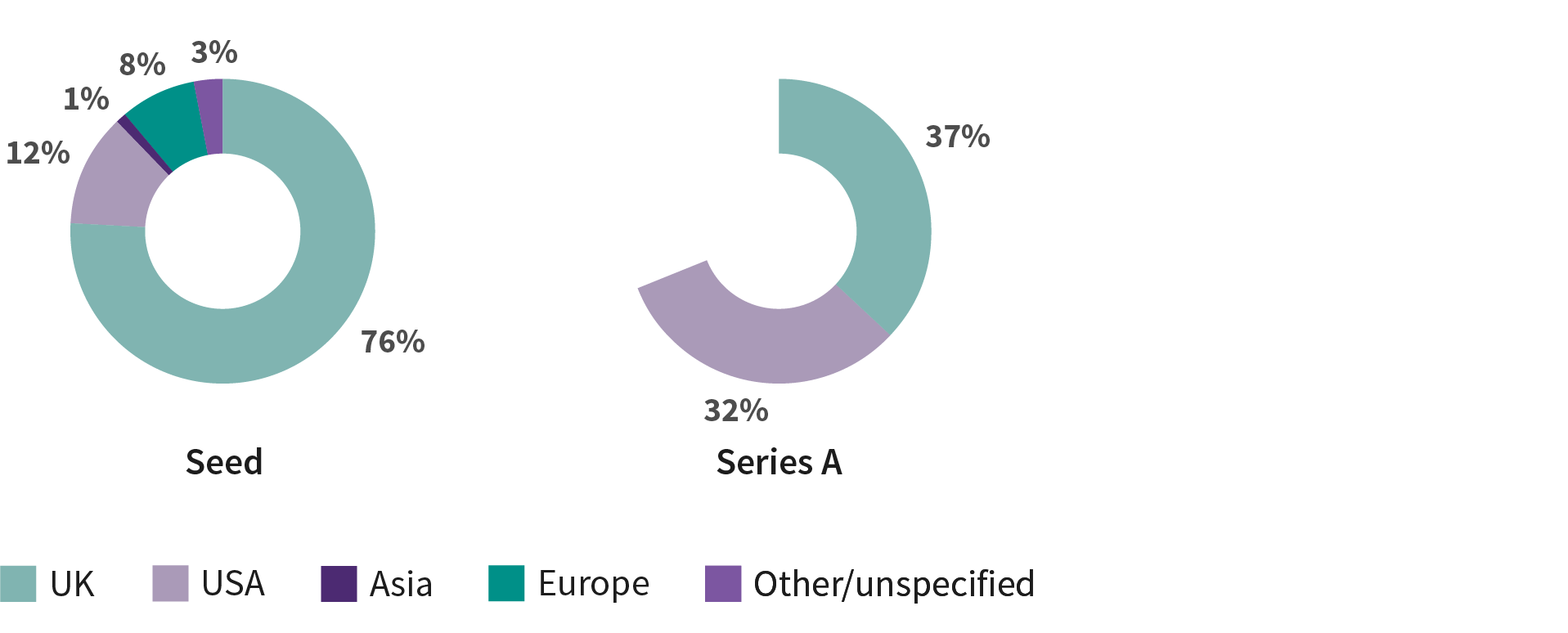
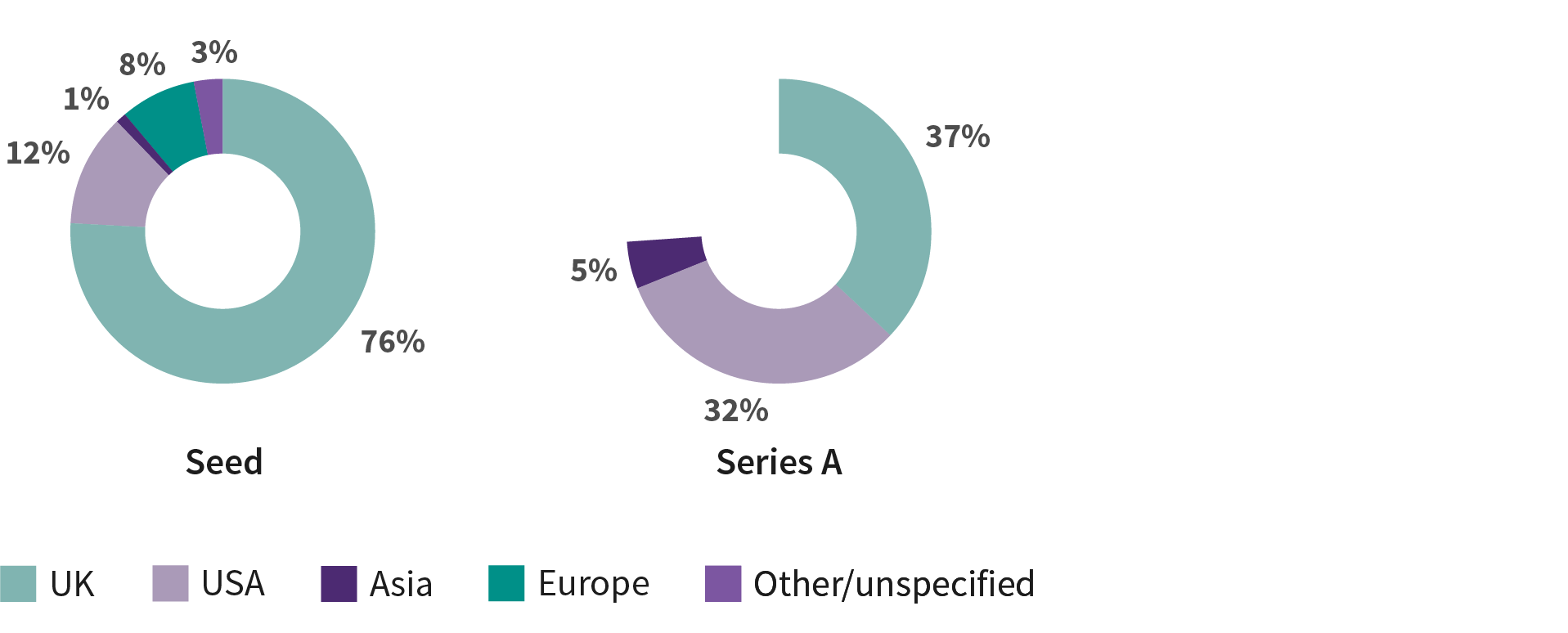
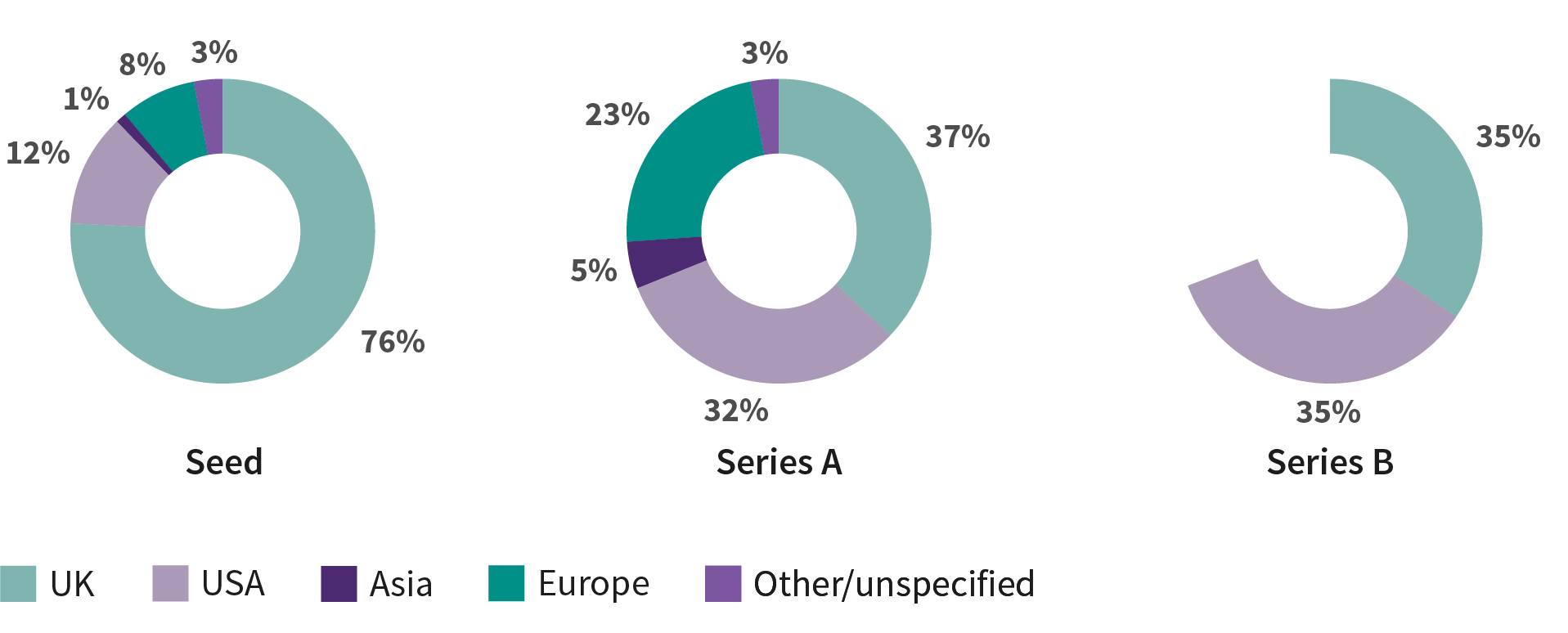
Seed-stage companies enjoyed strong domestic support as the large majority of deals were backed by UK-based investors, whereas foreign investors account for two-thirds of investors participating in Series A+ deals. The top investors, based on the number of investments made in Series A rounds and beyond, were primarily US and European funds.
Top VC investors in UK companies by deal count
| Investor name | HQ location | Deal count |
|---|---|---|
| Meltwind Advisory | UK | 5 |
| o2h Ventures | UK | 5 |
| Sofinnova Partners | France | 5 |
| Oxford Science Enterprises | UK | 4 |
| SV Health | UK | 4 |
| Access EIS | UK | 3 |
| Cambridge Innovation Capital (CIC) | UK | 3 |
| Imperial College London | UK | 3 |
| Kreos Capital | UK | 3 |
| Martlet Capital | UK | 3 |
| Octopus Ventures | UK | 3 |
| Pfizer Ventures | USA | 3 |
| Pioneer Group | UK | 3 |
| Takeda Ventures | USA | 3 |
| British Patient Capital | UK | 3 |

Emma Johnson
Senior Investment Manager, British Patient Capital
As a long-term venture capital investor, British Patient Capital supports scaling life sciences businesses across the UK to access sufficient capital and to ultimately build successful world-class businesses, based upon the UK’s excellent research base and exceptional talent pool.
Despite macro headwinds, we are optimistic about what 2024 will bring for UK life sciences and the role BPC can play in facilitating homegrown success stories.
We are excited about the UK’s strengths in areas such as genomics, TechBio, and key enabling technologies for the sector. In 2023, we invested directly into three biotech companies in the UK ecosystem: OMass Therapeutics, Grey Wolf Therapeutics, and Tenpoint Therapeutics. This grew the direct investment portfolio to 9 companies through Future Fund: Breakthrough, a £425 million programme focussed on growth-stage R&D intensive businesses.
BPC’s life sciences funds investment team have also been active, supporting investment managers in raising funds that are expected to be deploying capital and investing in the growth of UK biotech companies in 2024 and beyond. This is being delivered through both our core funds programme and a dedicated £200 million Life Sciences Investment Programme addressing the sector’s growth equity gap.
Top VC investors by deal series
| Series A investors | Deal count | HQ country |
|---|---|---|
| Sofinnova Partners | 3 | France |
| 4BIO Capital | 2 | UK |
| Cambridge Innovation Capital (CIC) | 2 | UK |
| Digitalis Ventures | 2 | USA |
| Eli Lilly & Co | 2 | USA |
| Heran Partners | 2 | Belgium |
| SV Health | 2 | UK |
| Seed investors | Deal count | HQ country |
|---|---|---|
| o2h Ventures | 4 | UK |
| Access EIS | 3 | UK |
| Martlet Capital | 3 | UK |
| Meltwind Advisory | 3 | UK |
| Pioneer Group | 3 | UK |
Location of investors participating in UK venture deals
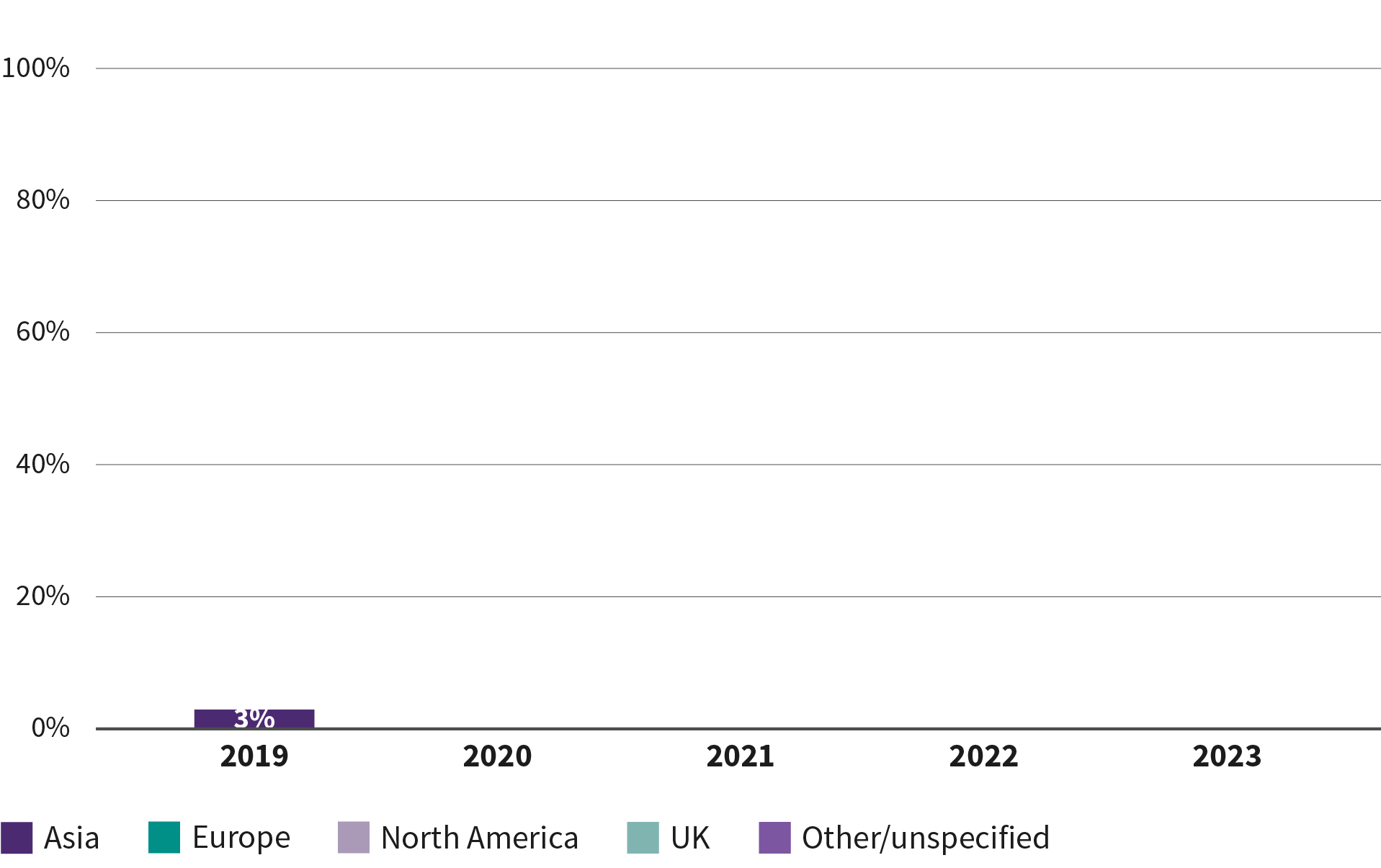
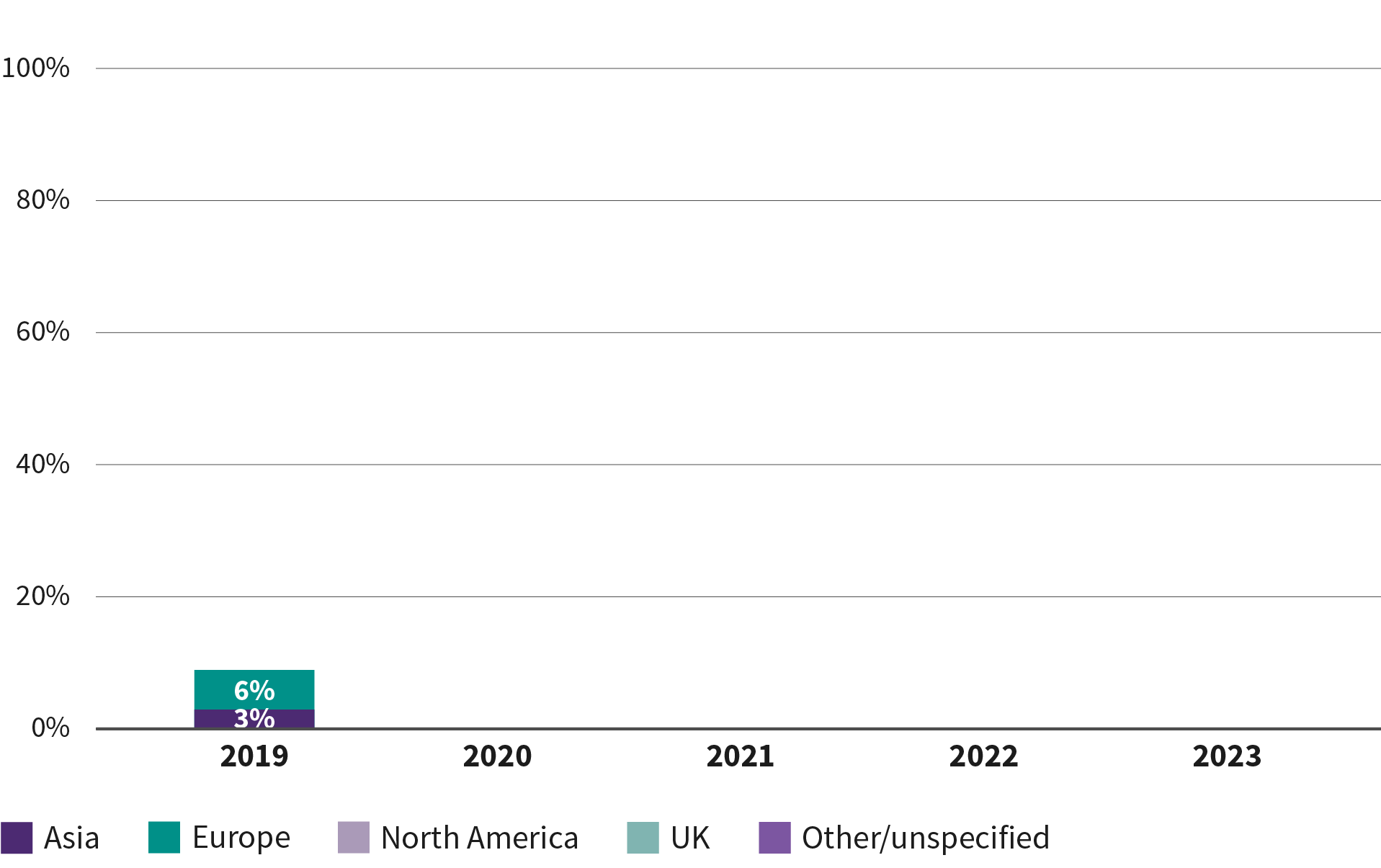
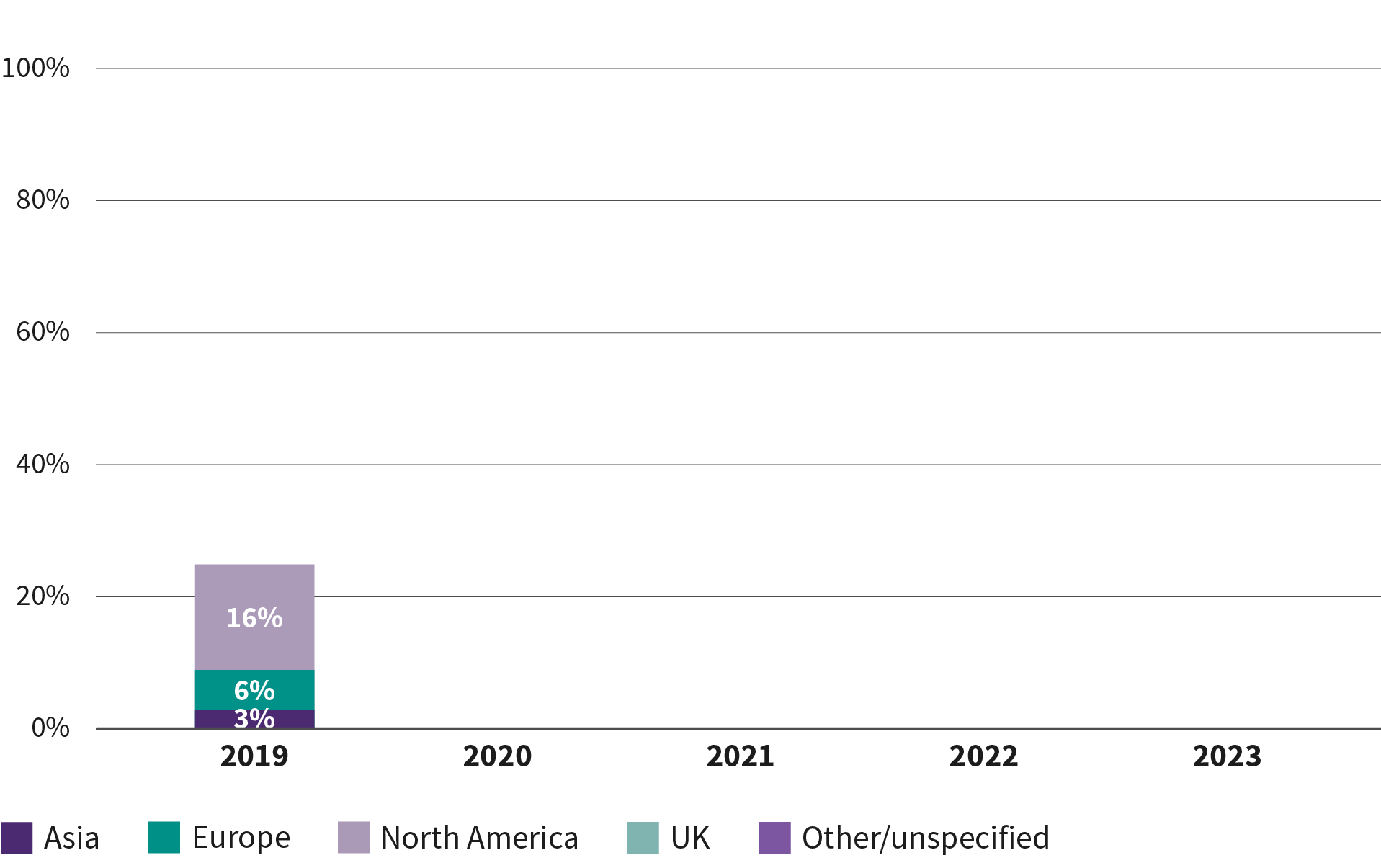
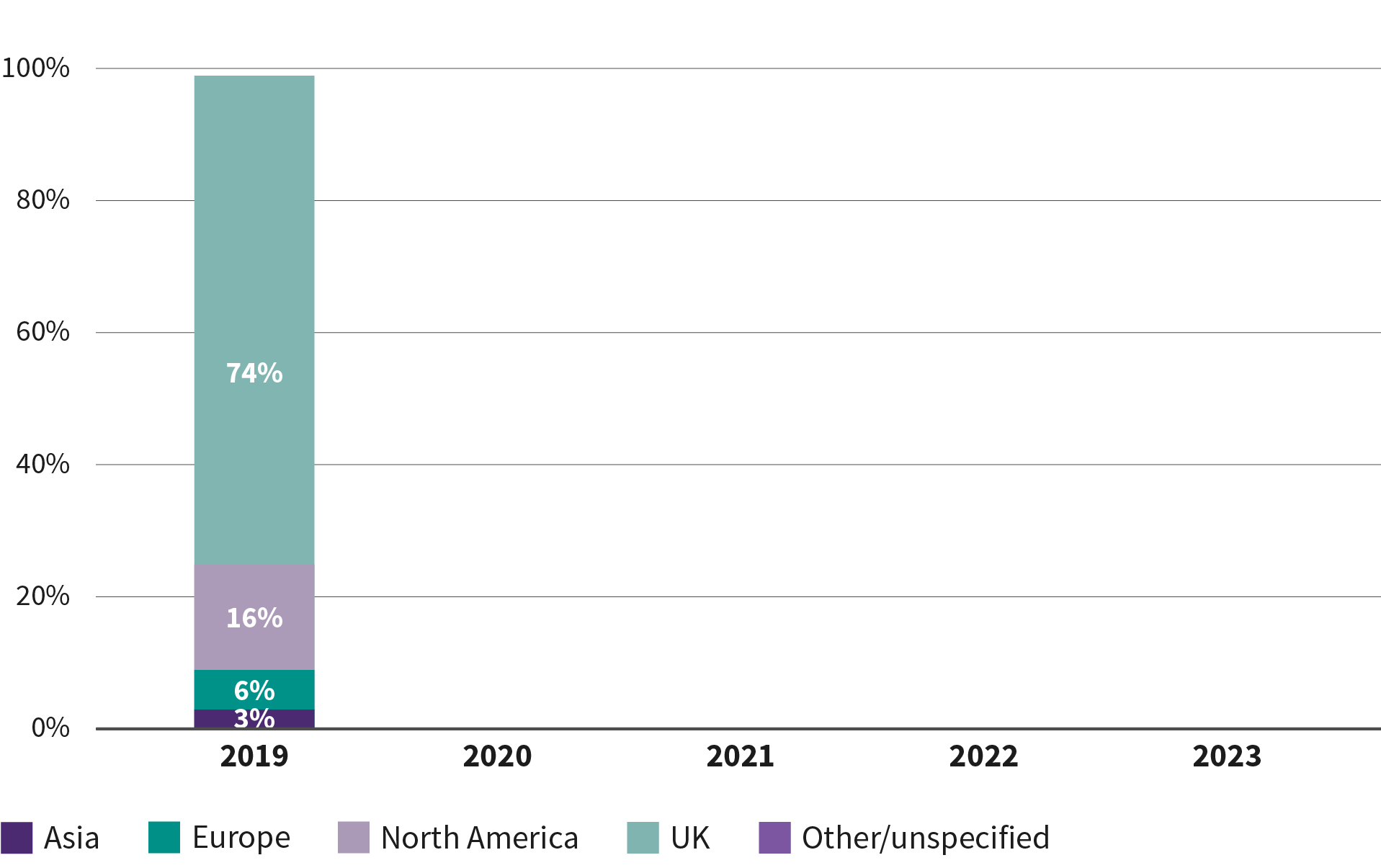
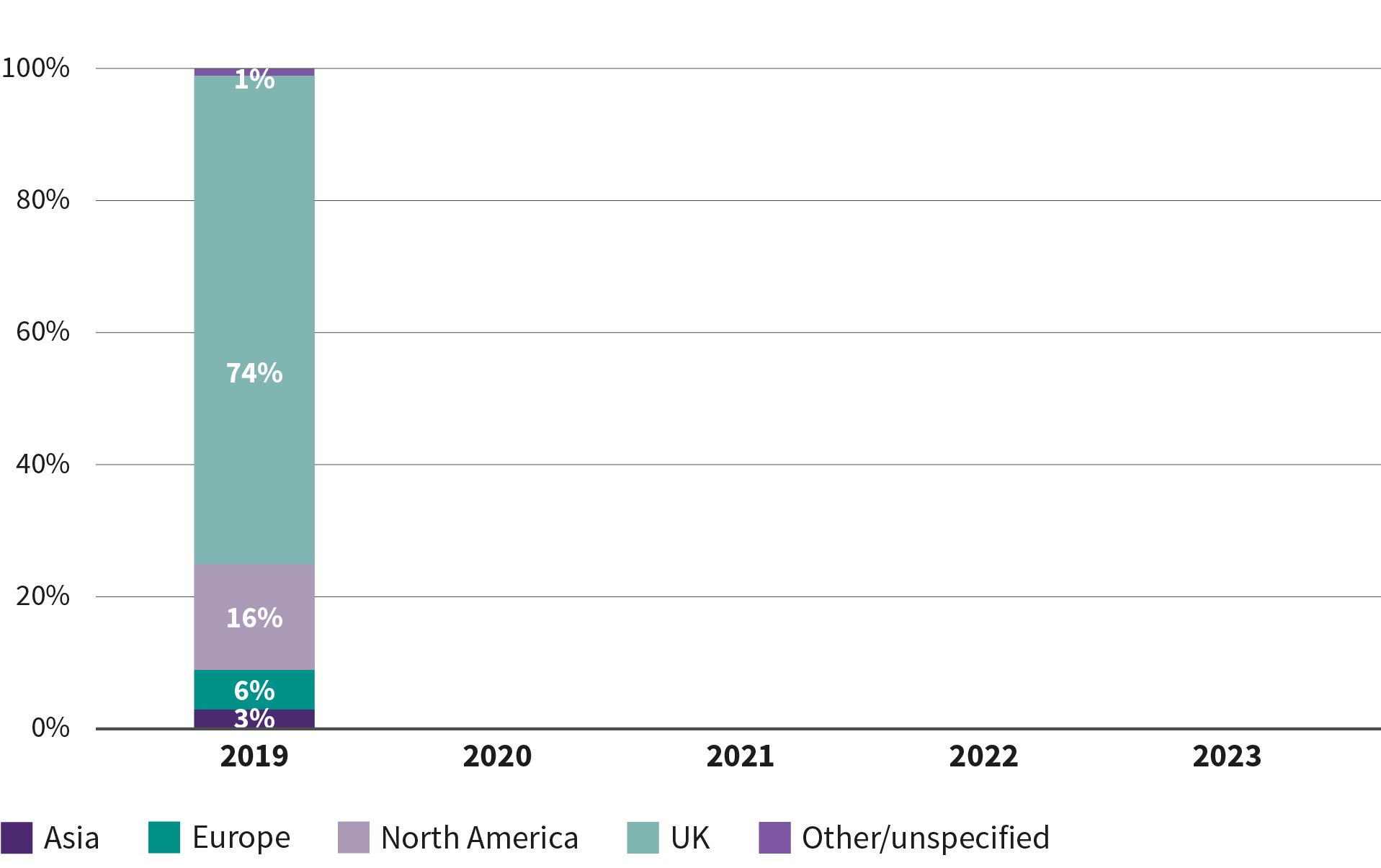
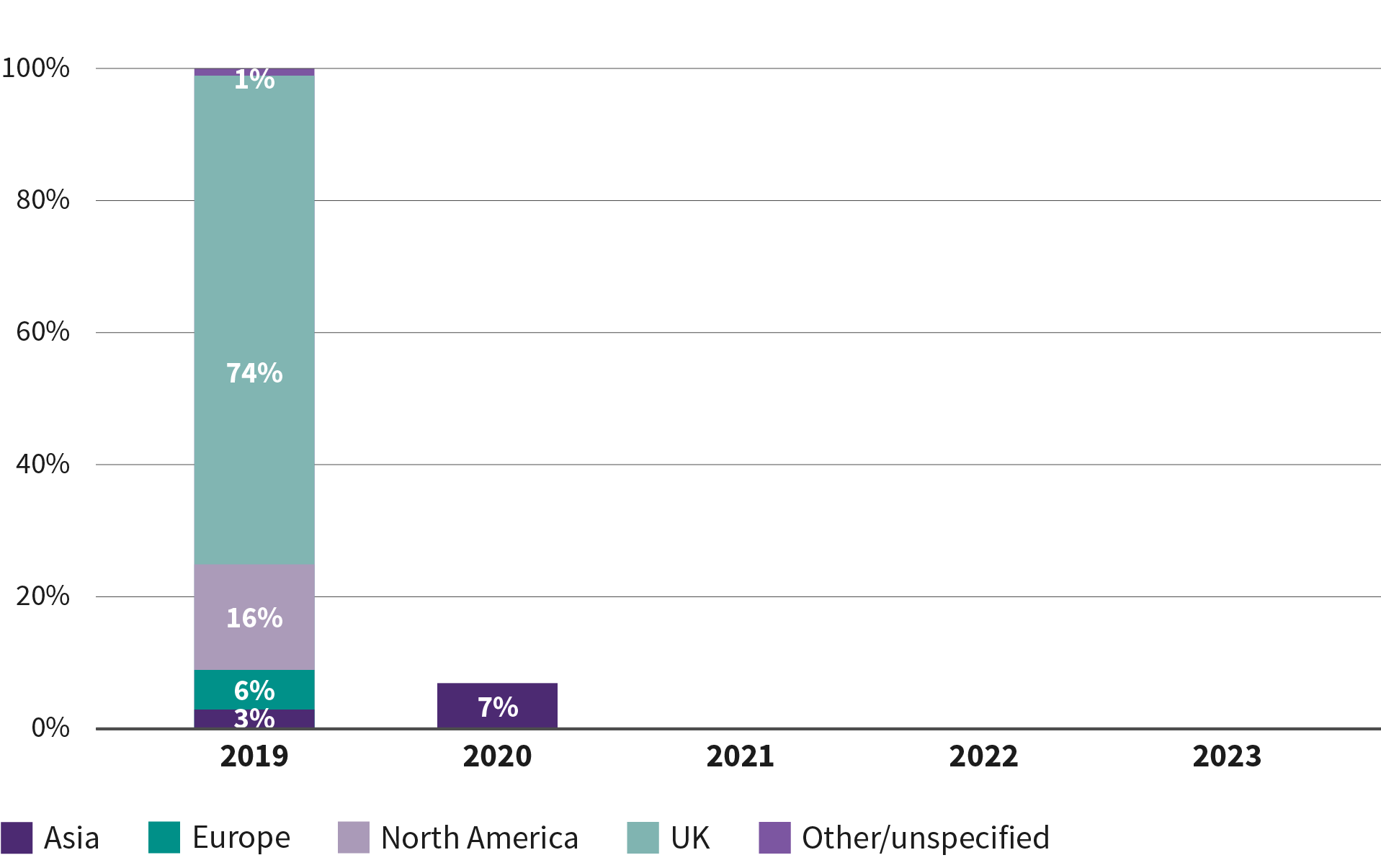
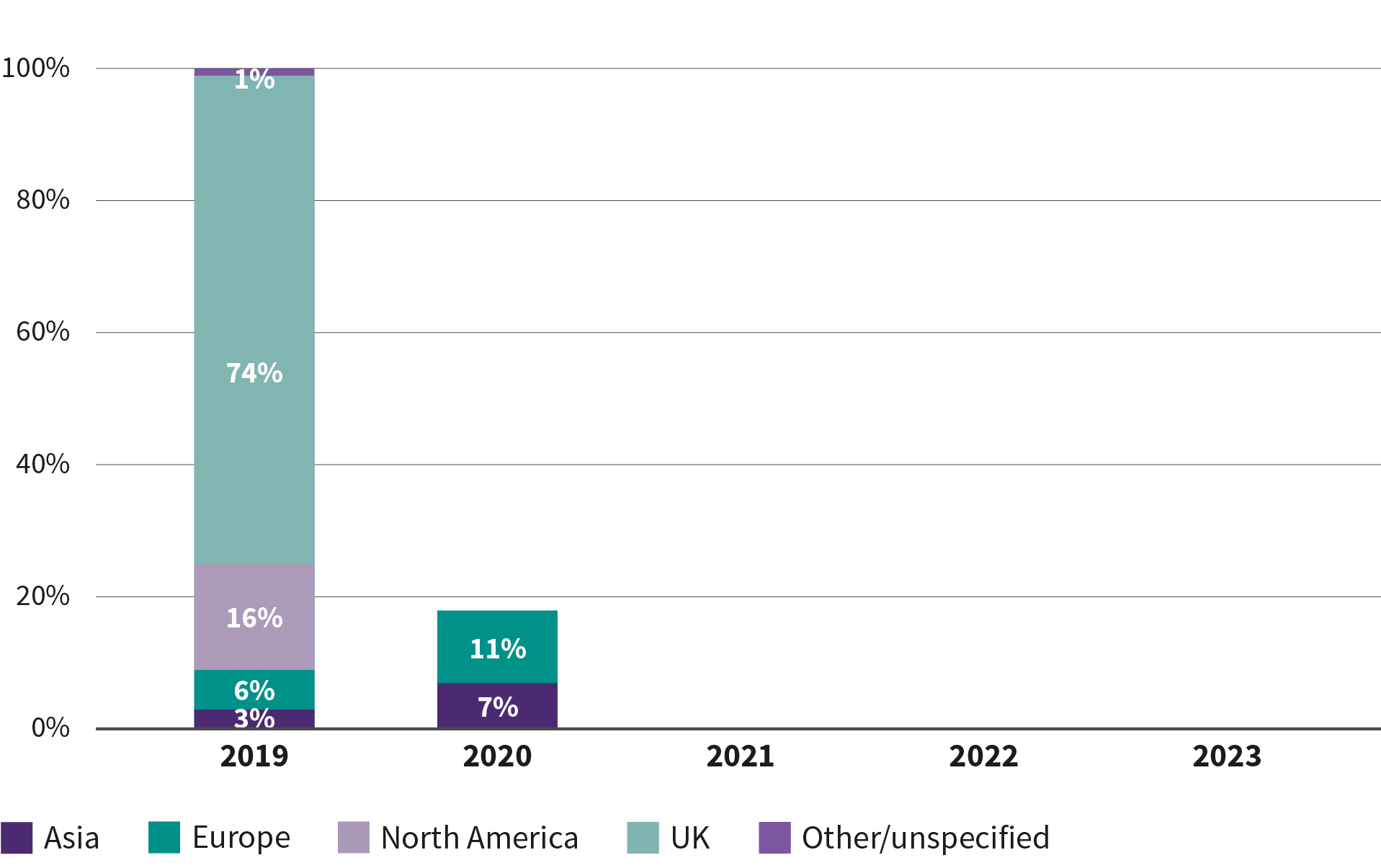
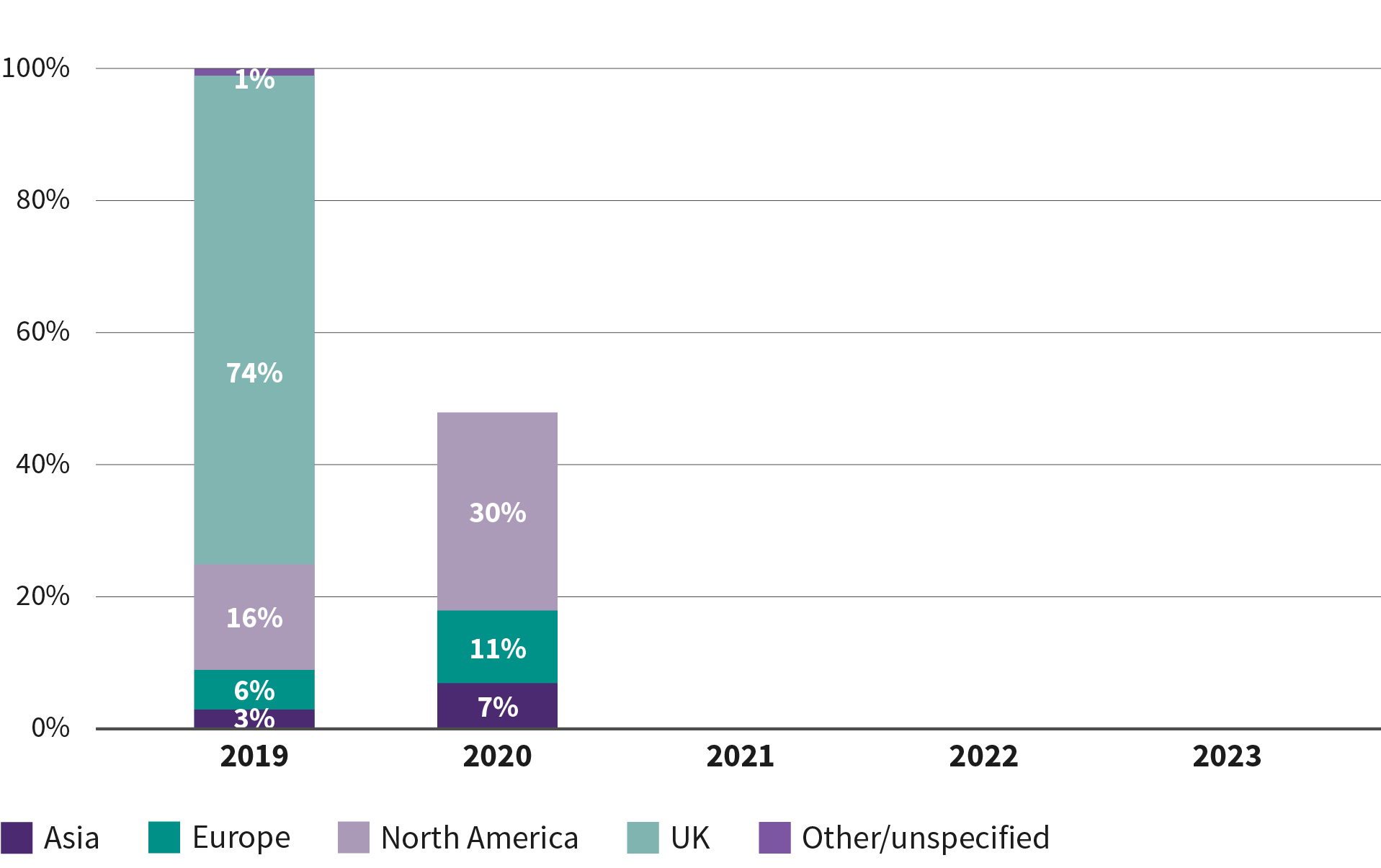
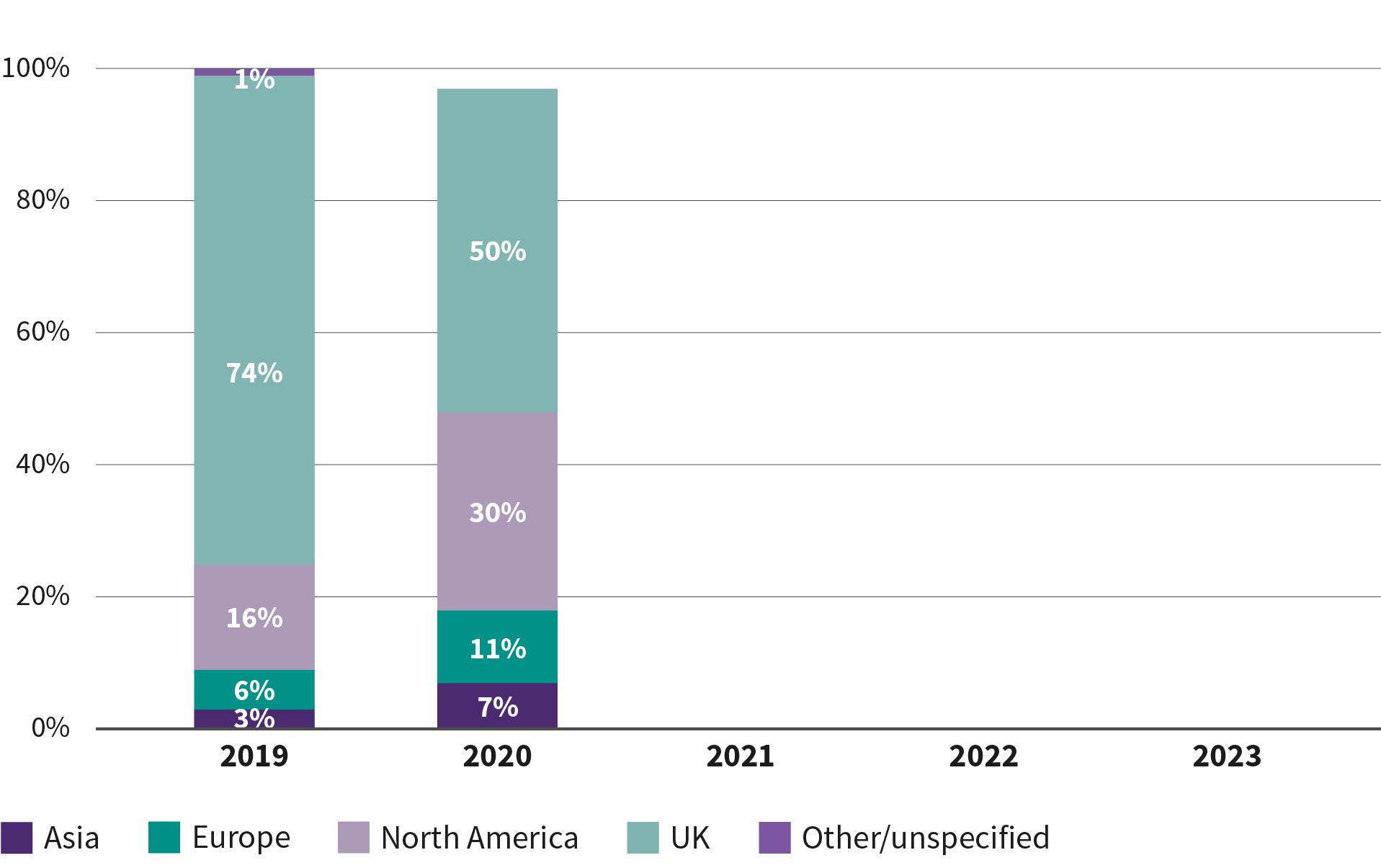
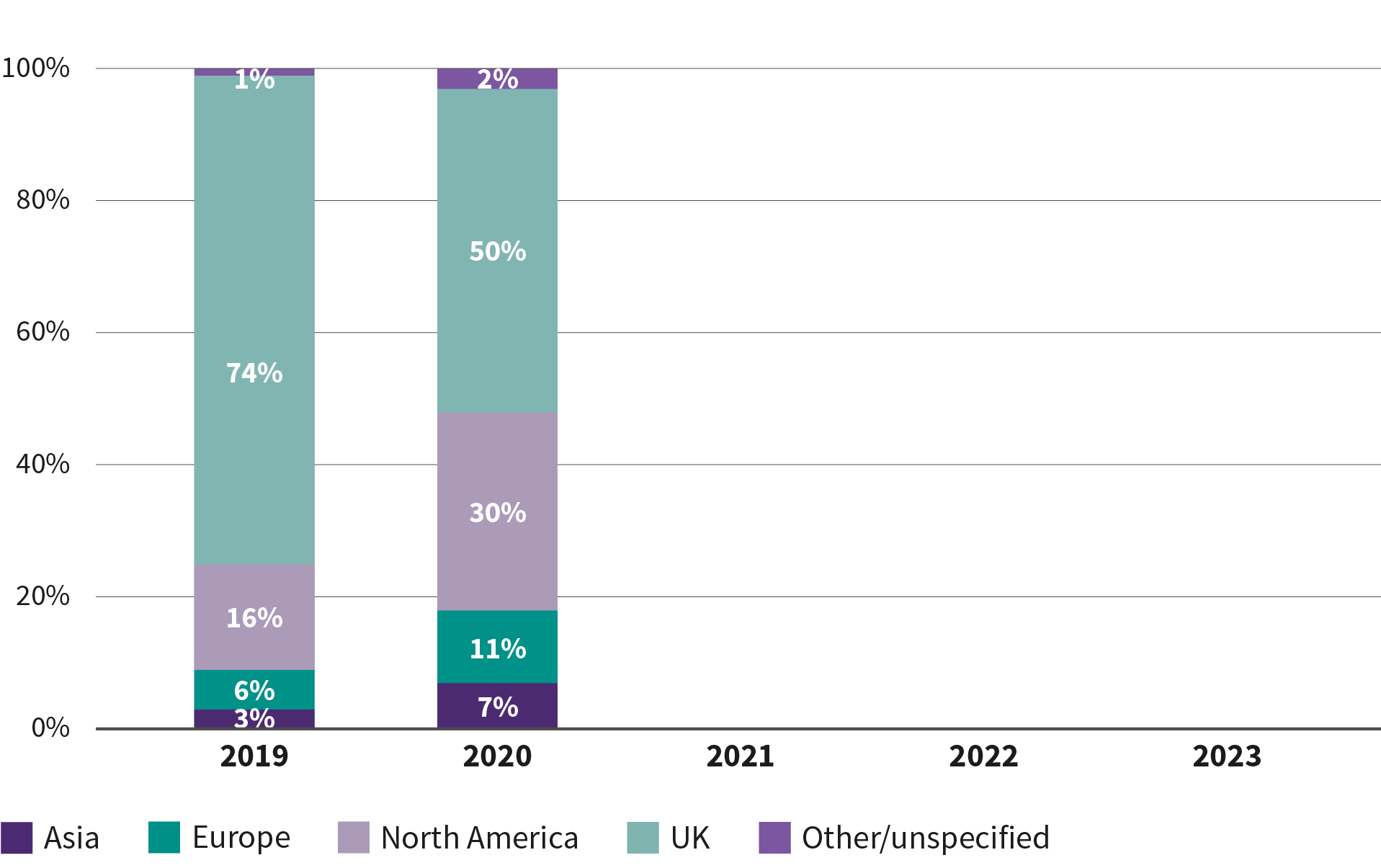
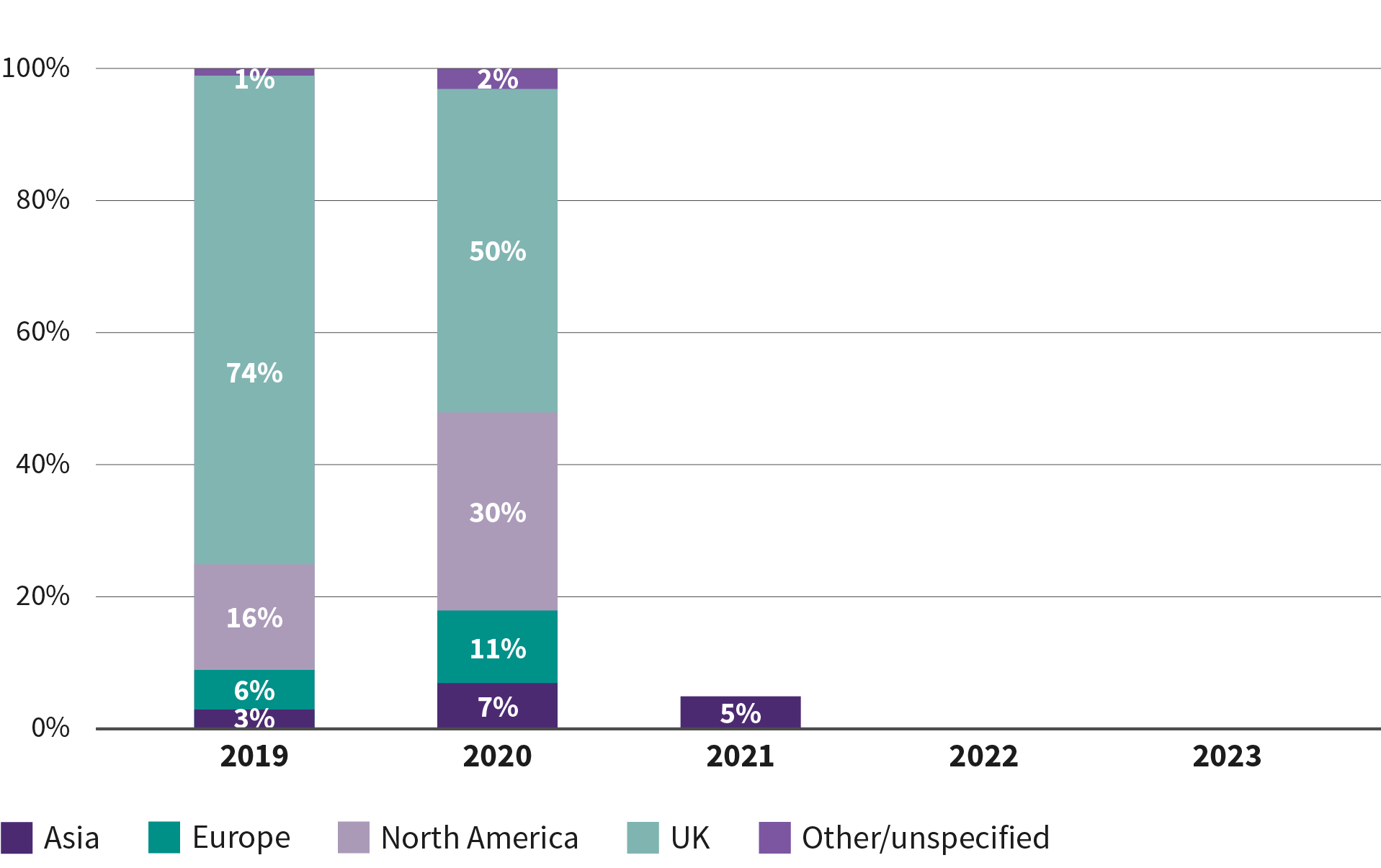
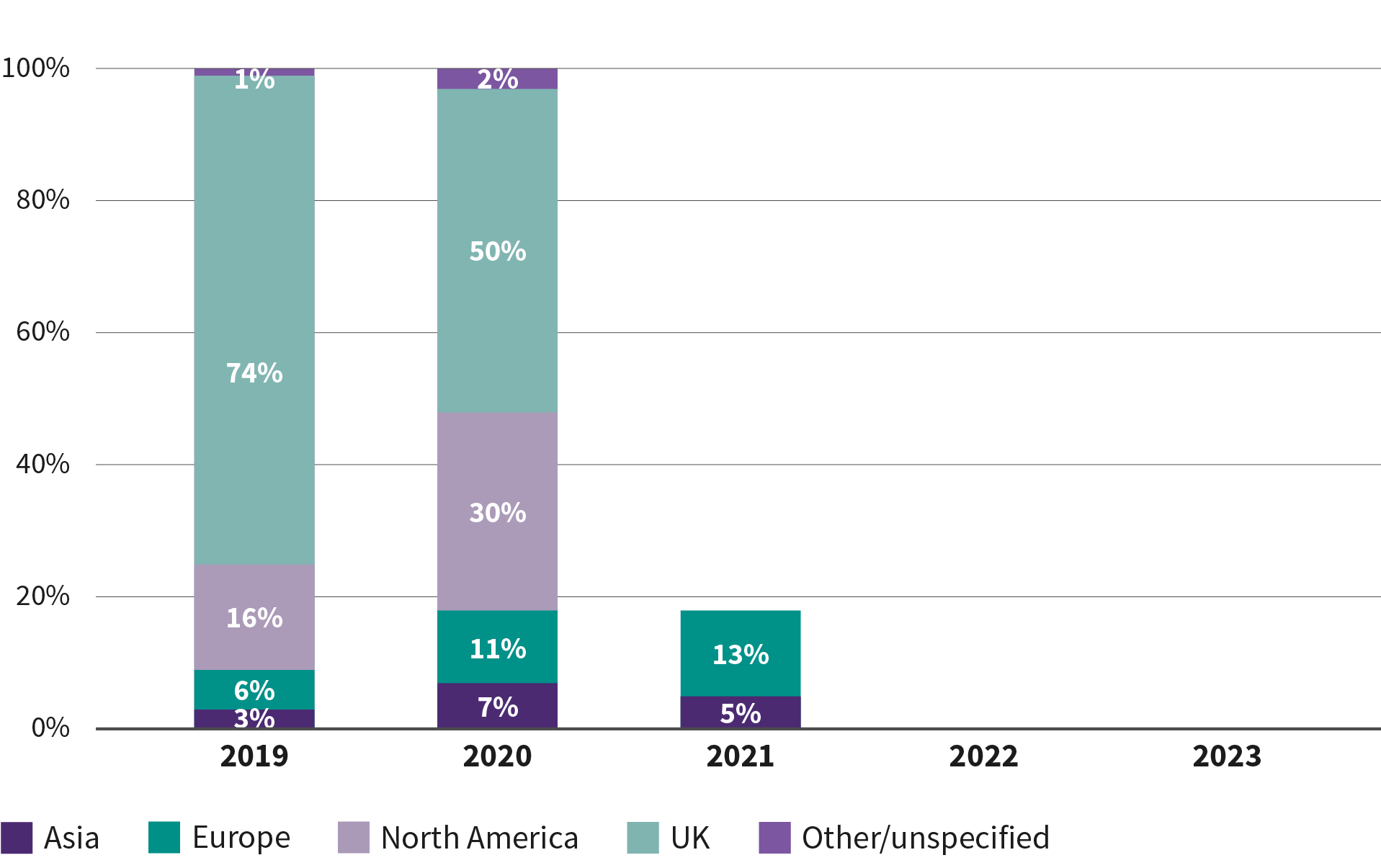
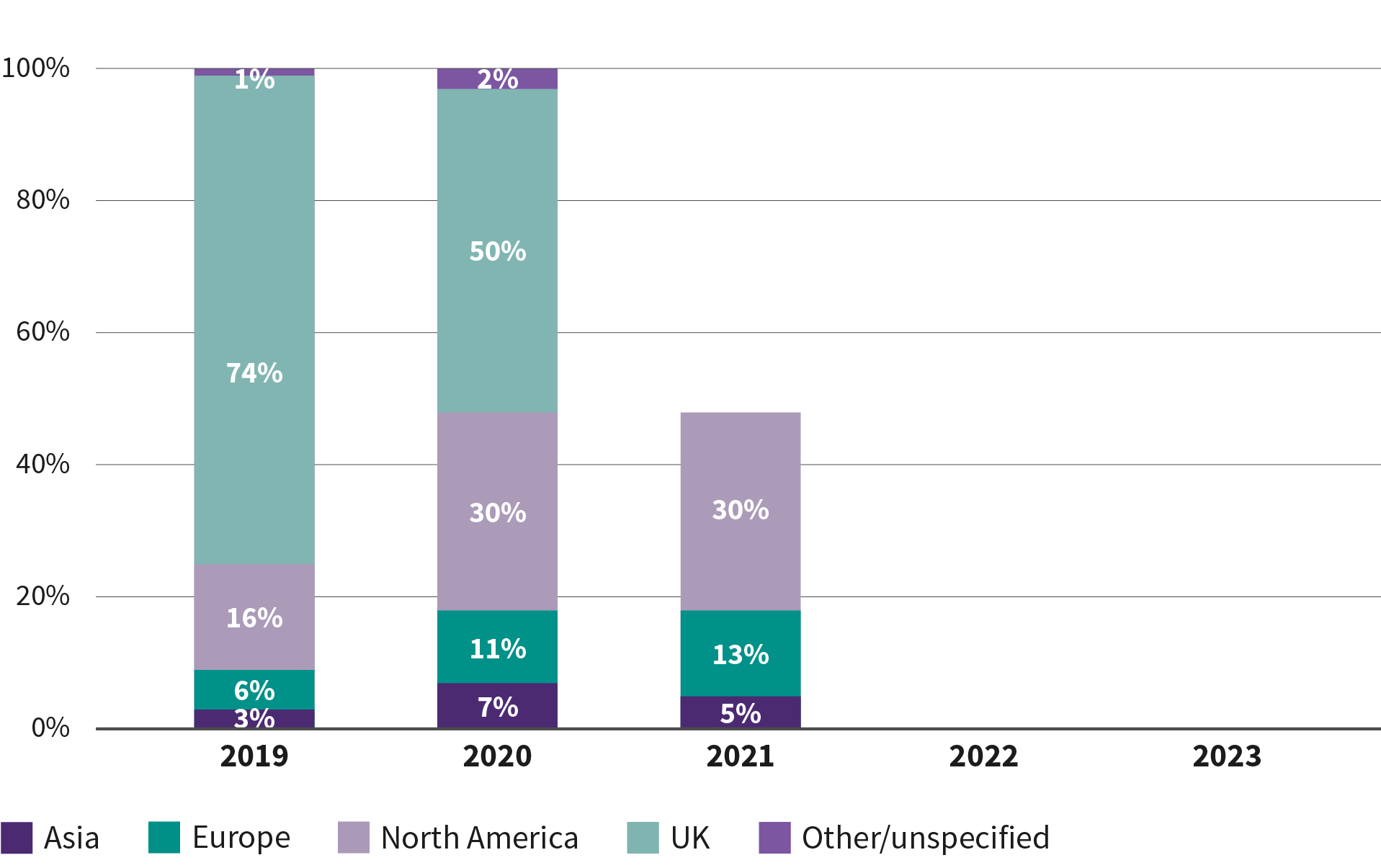
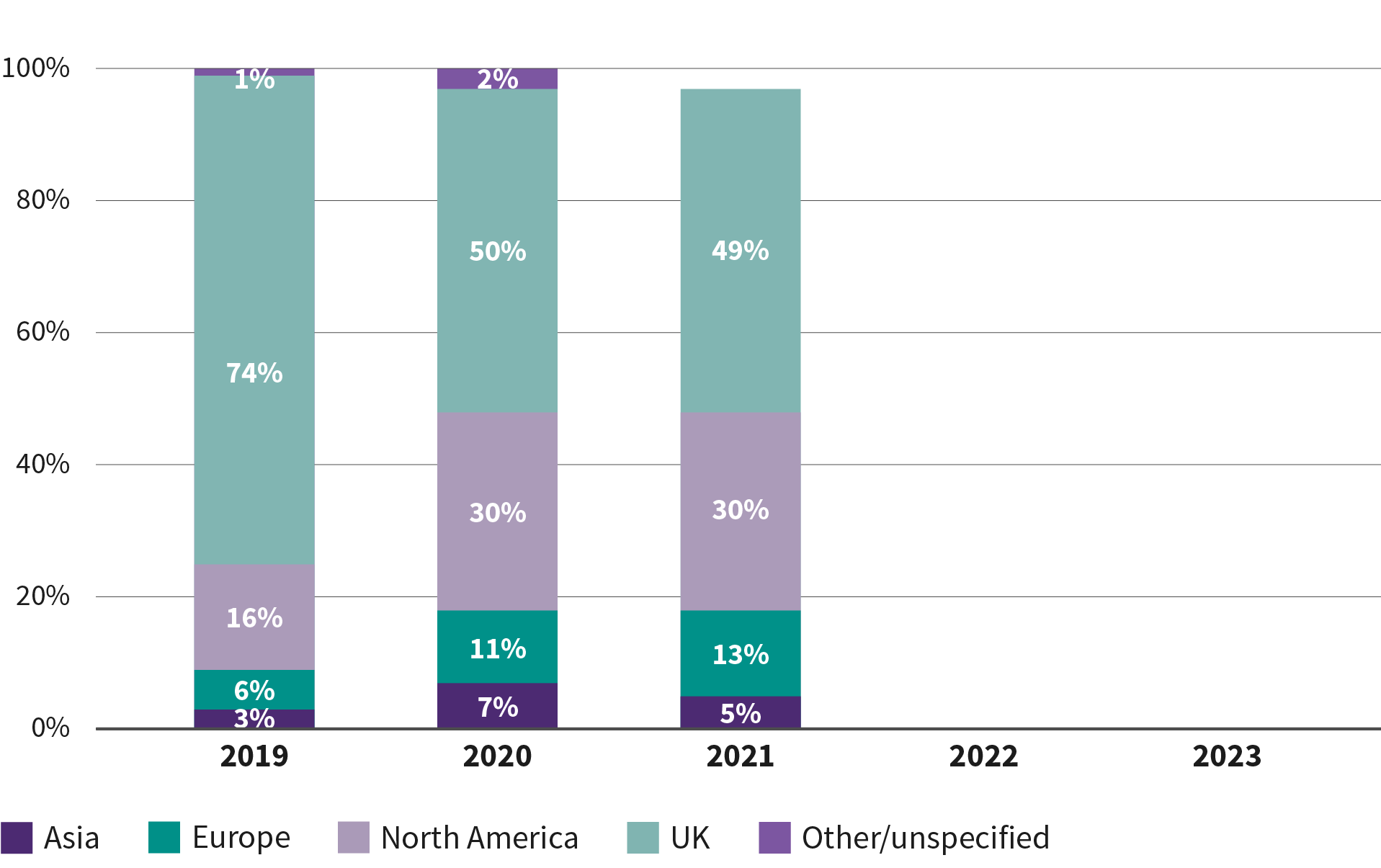
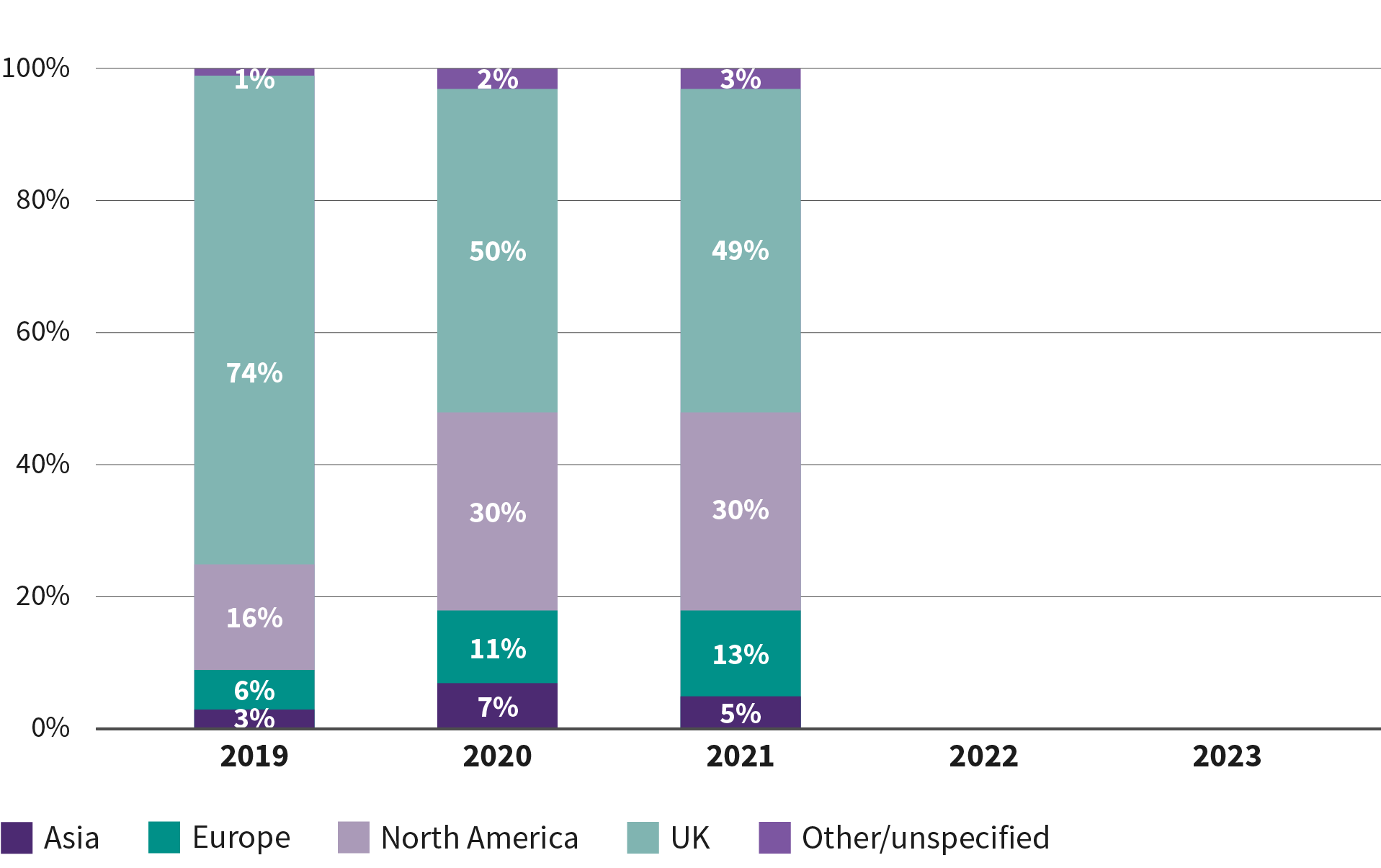
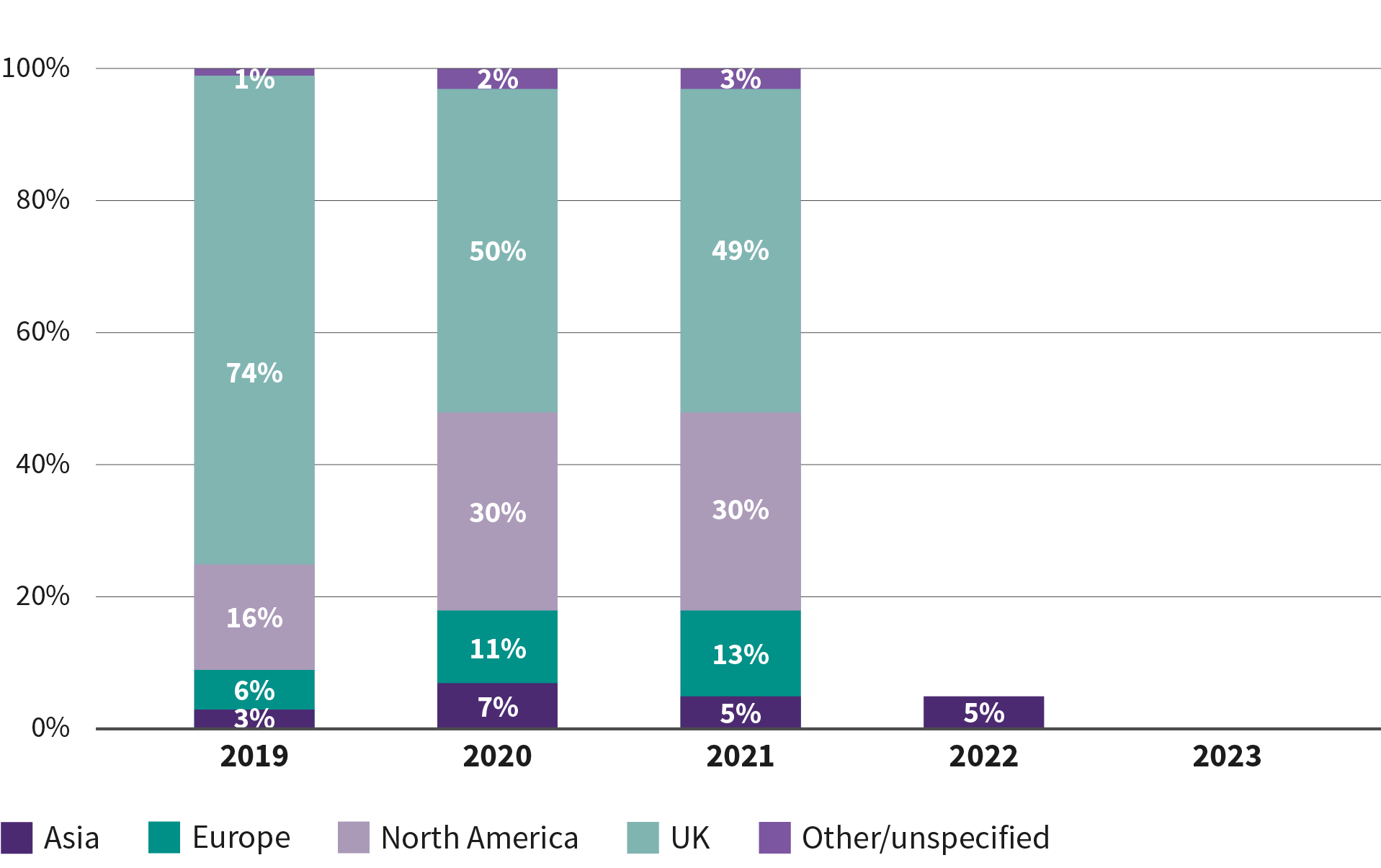
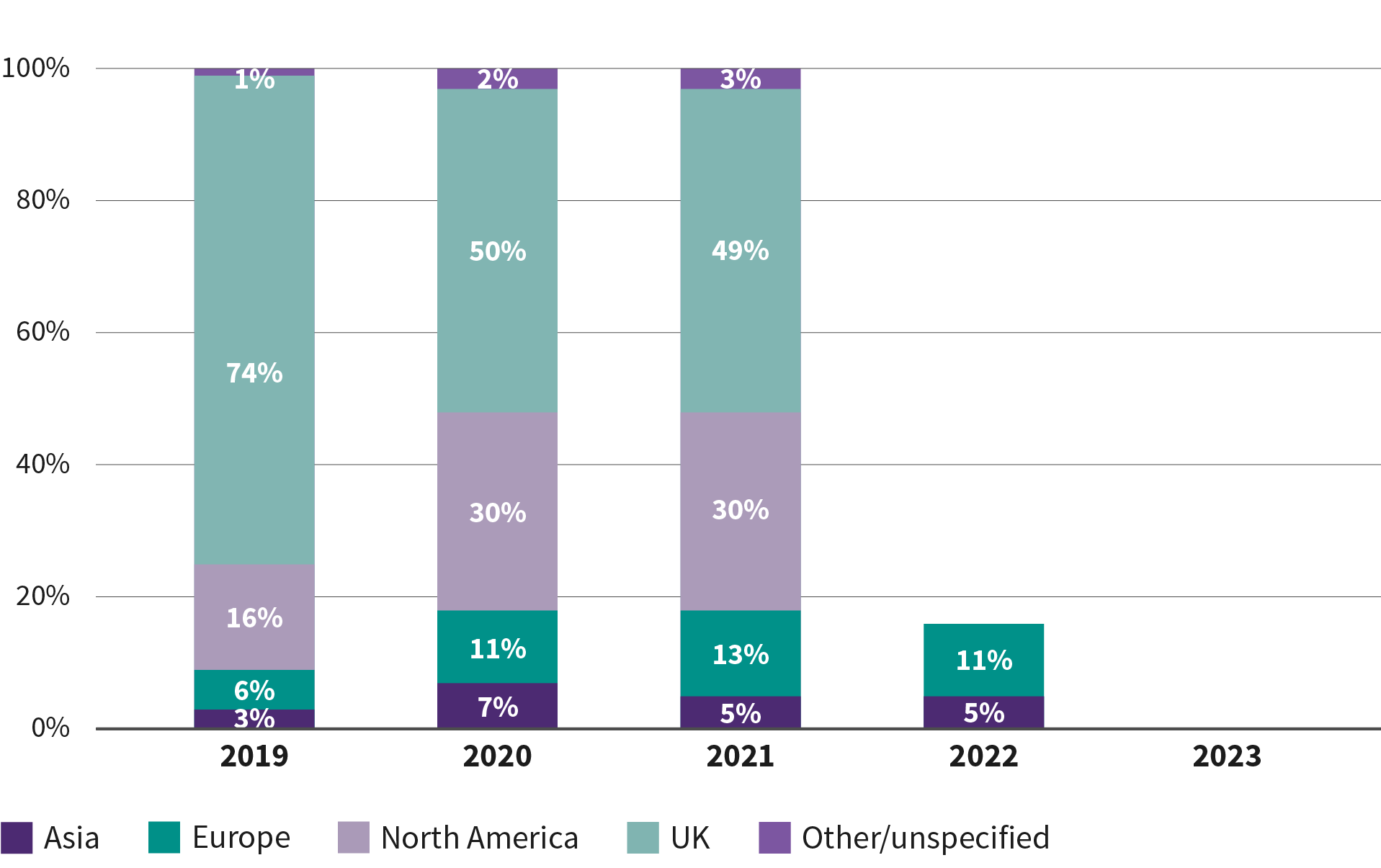
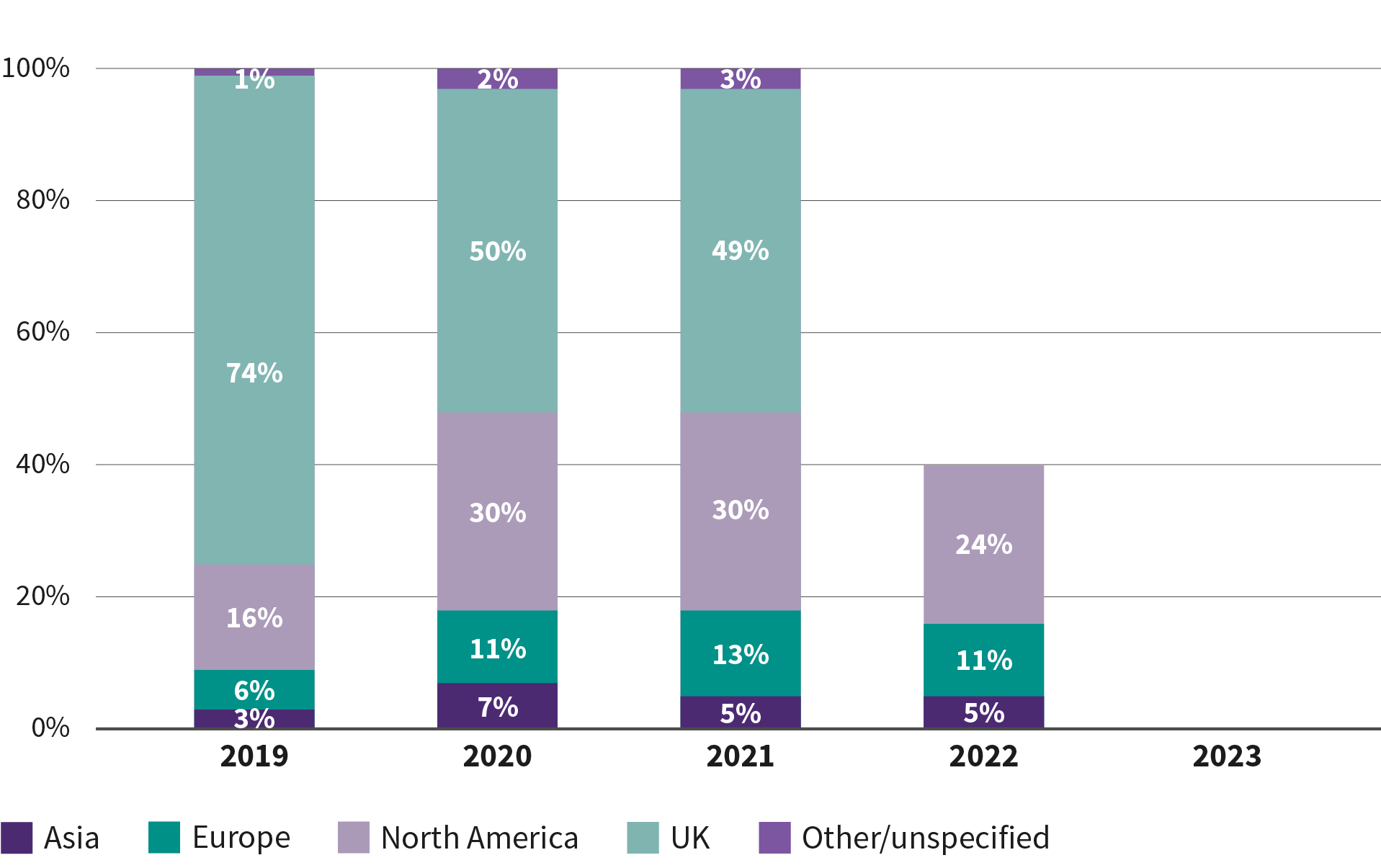
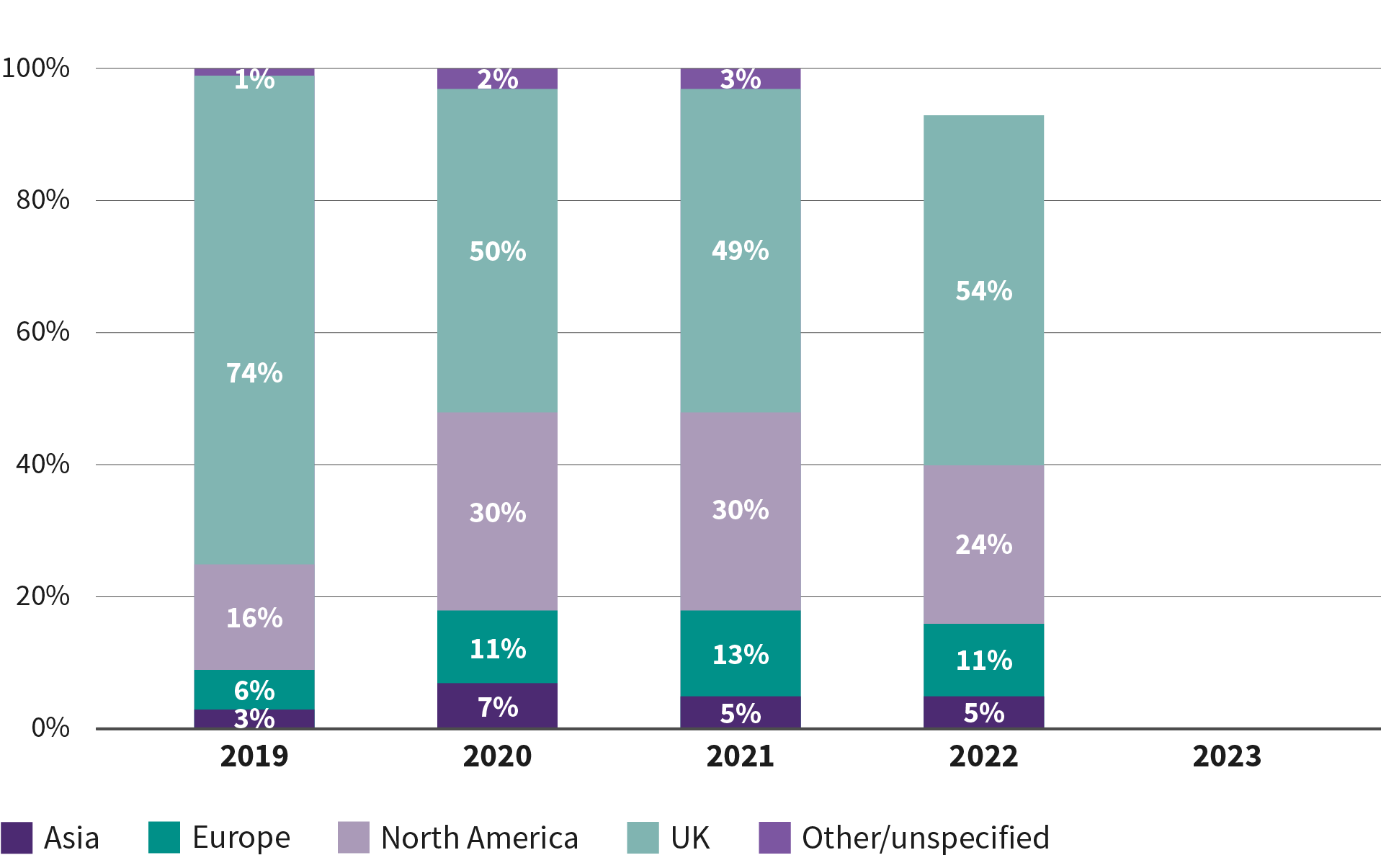
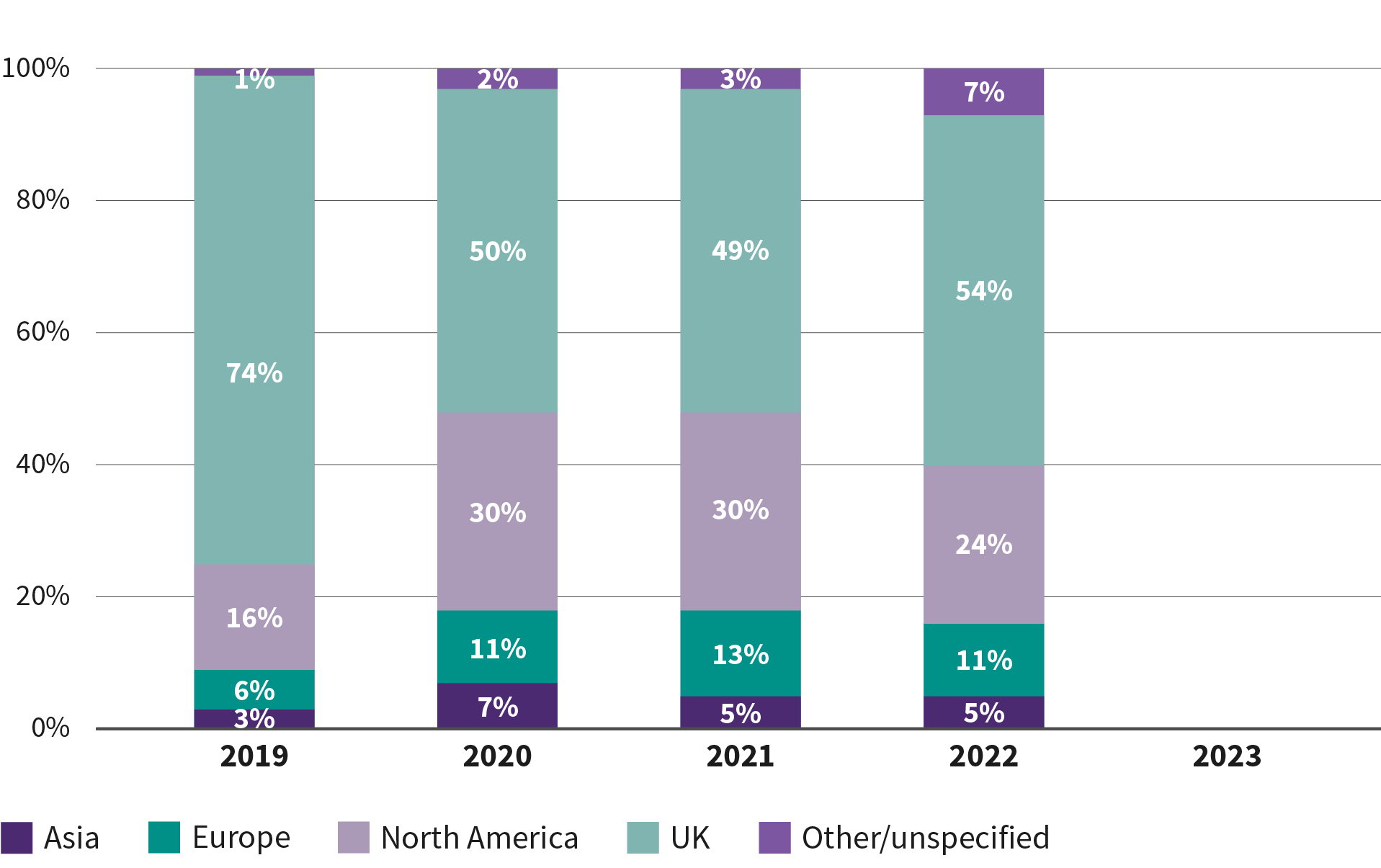
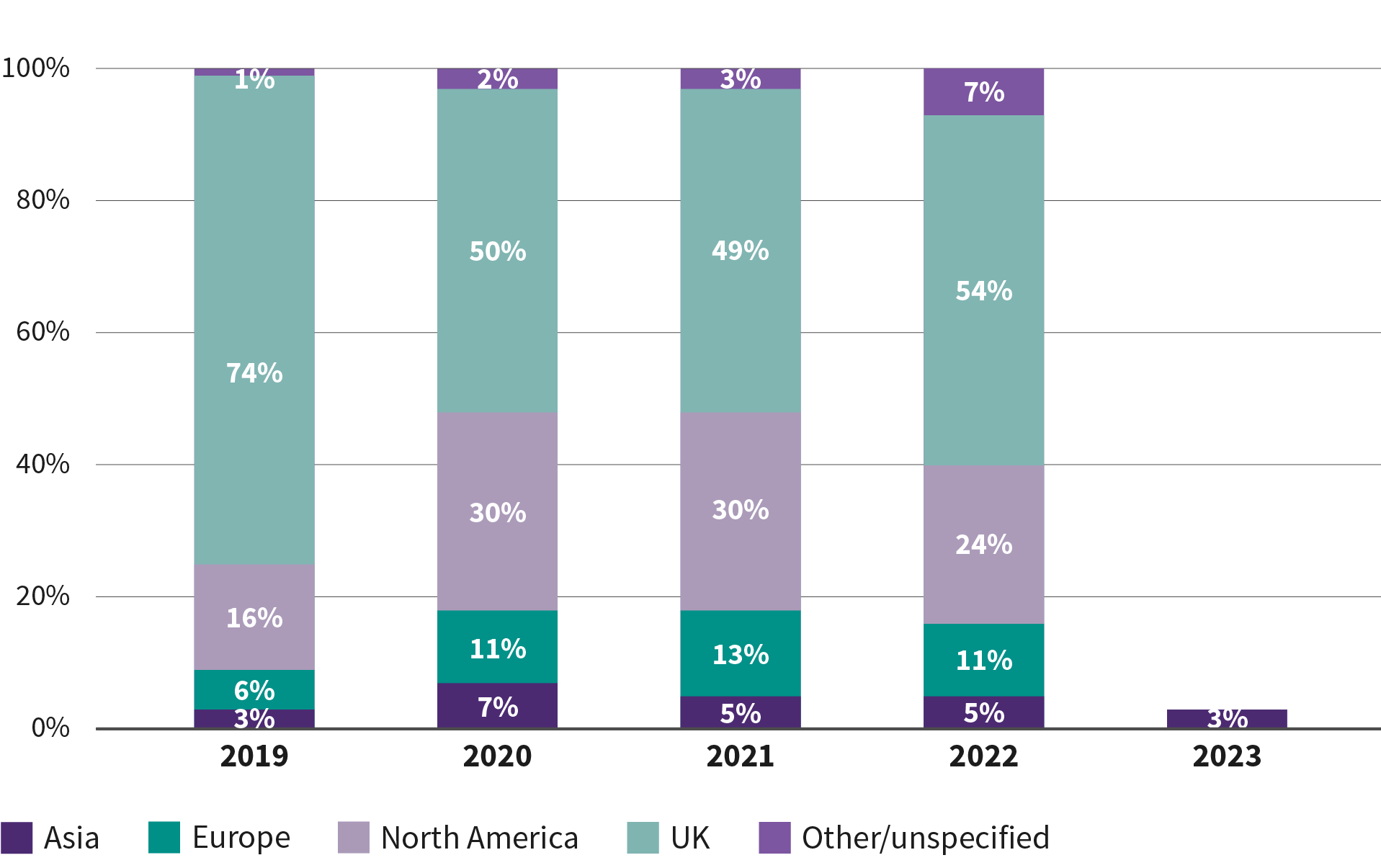
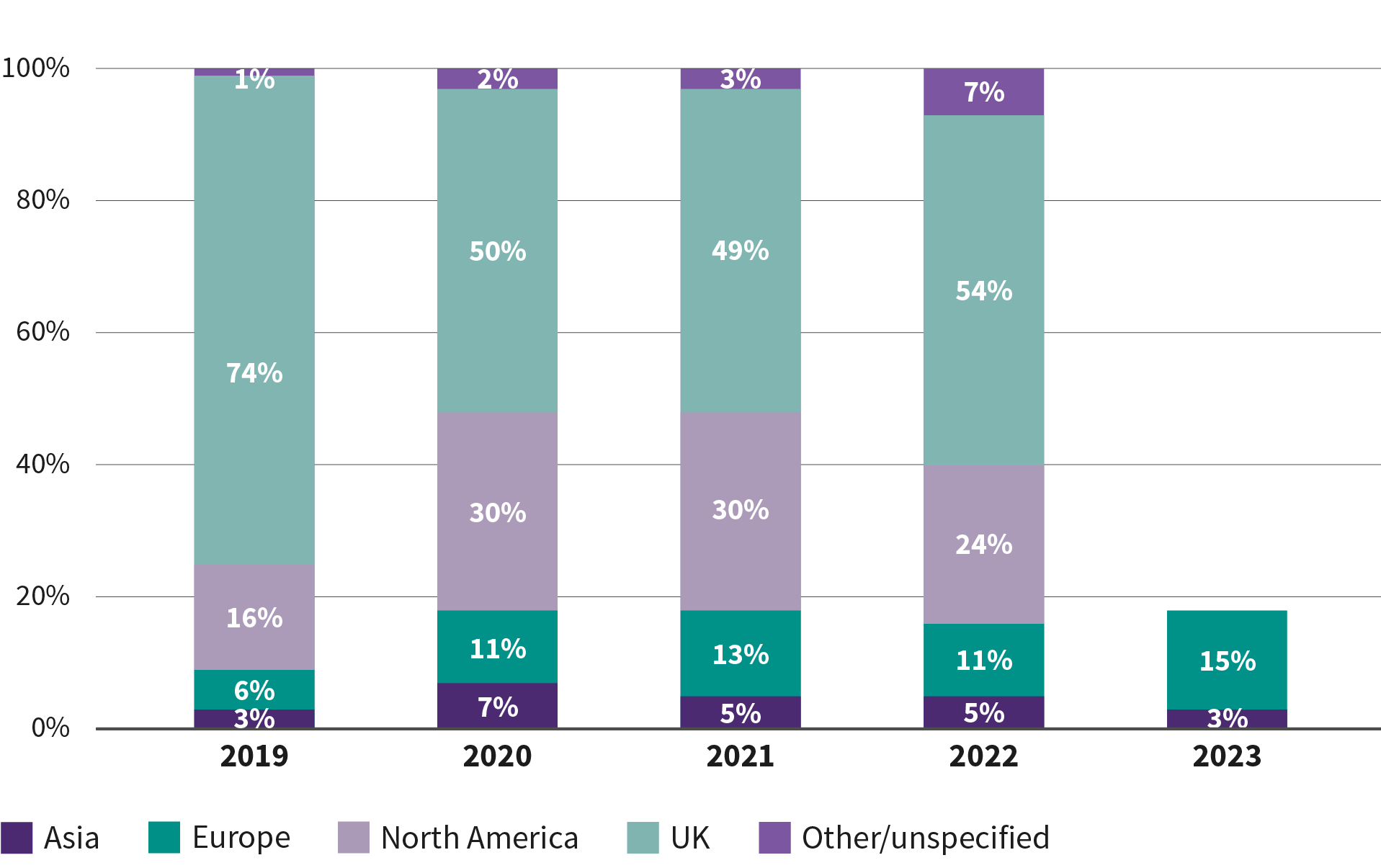
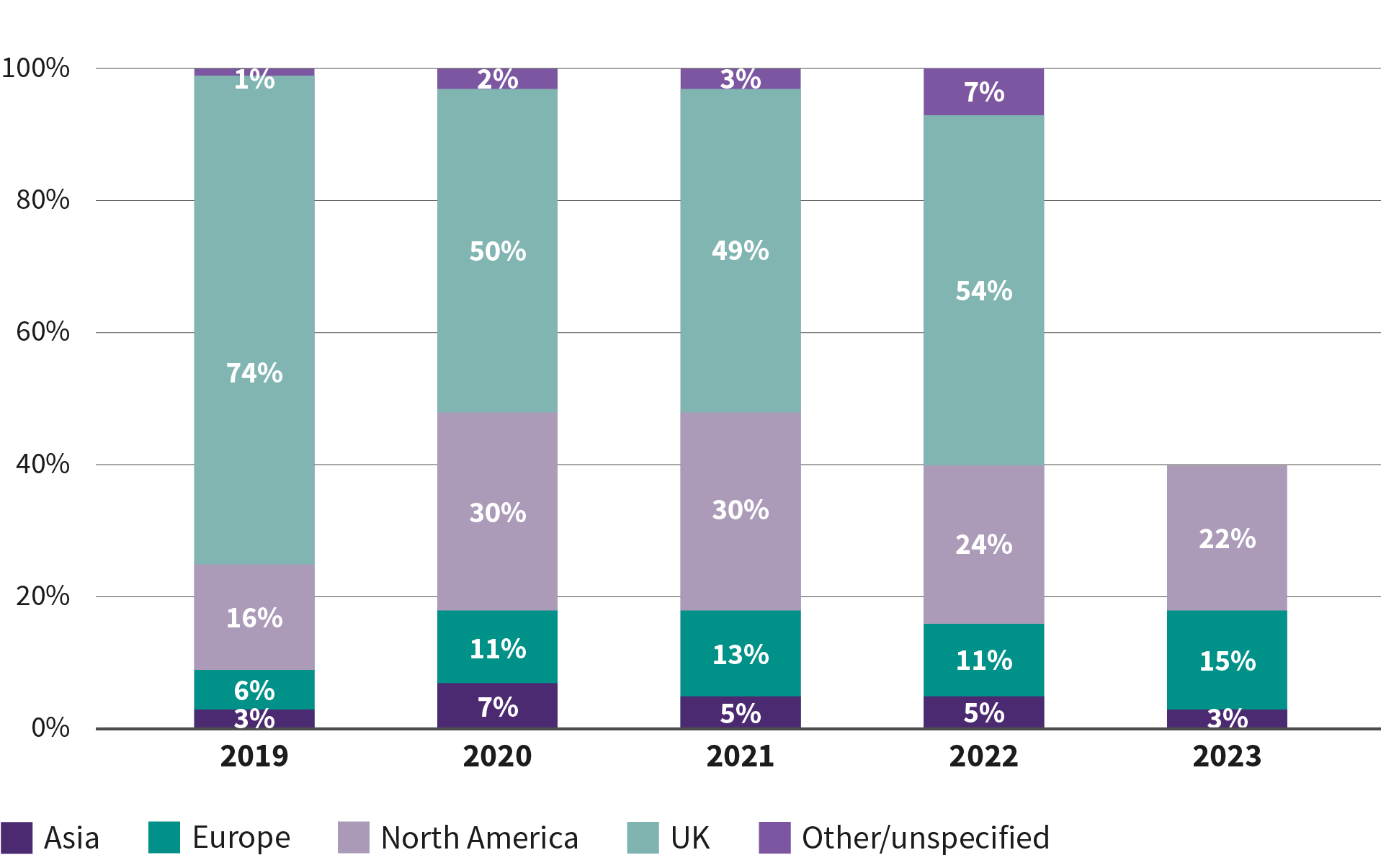
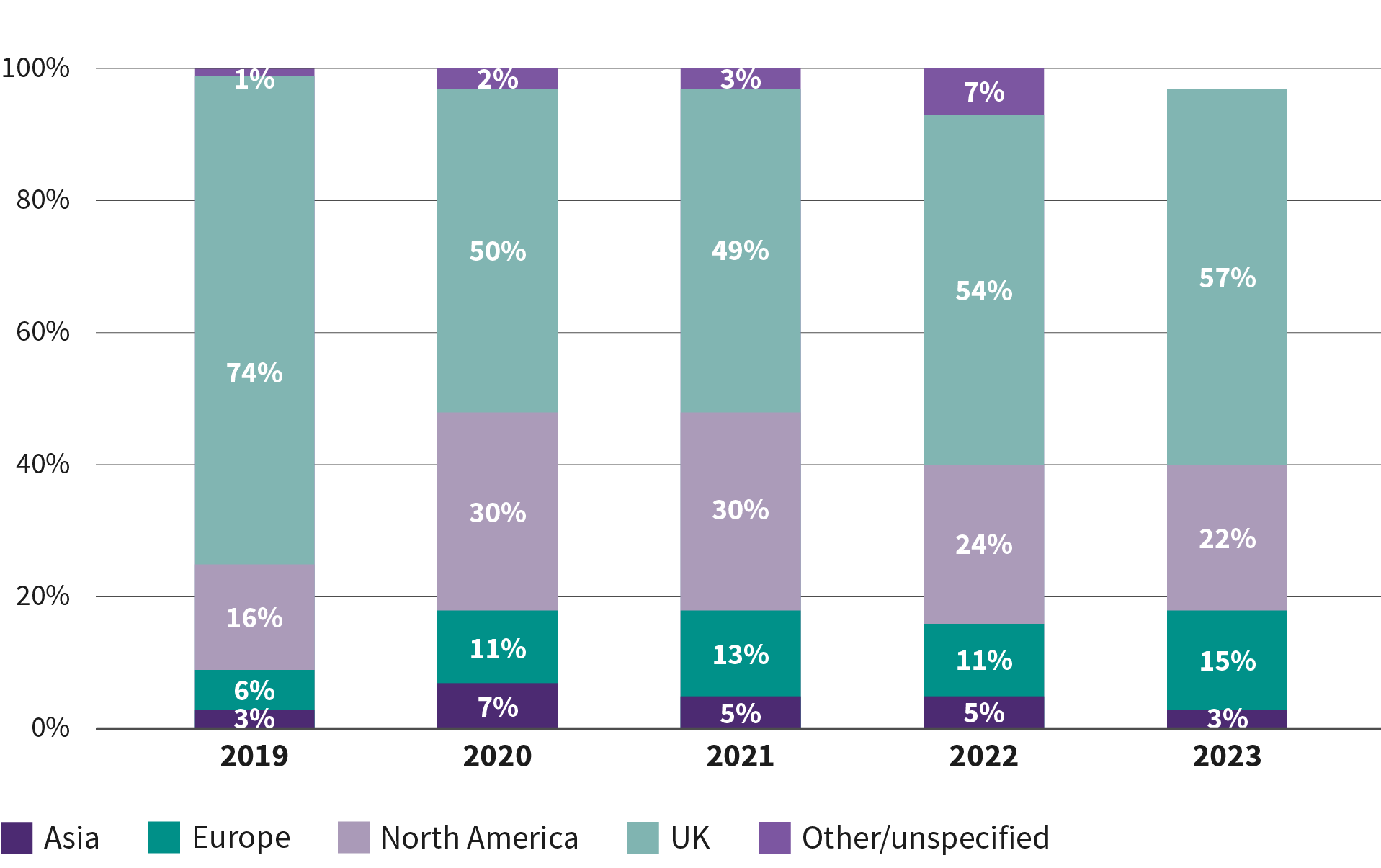
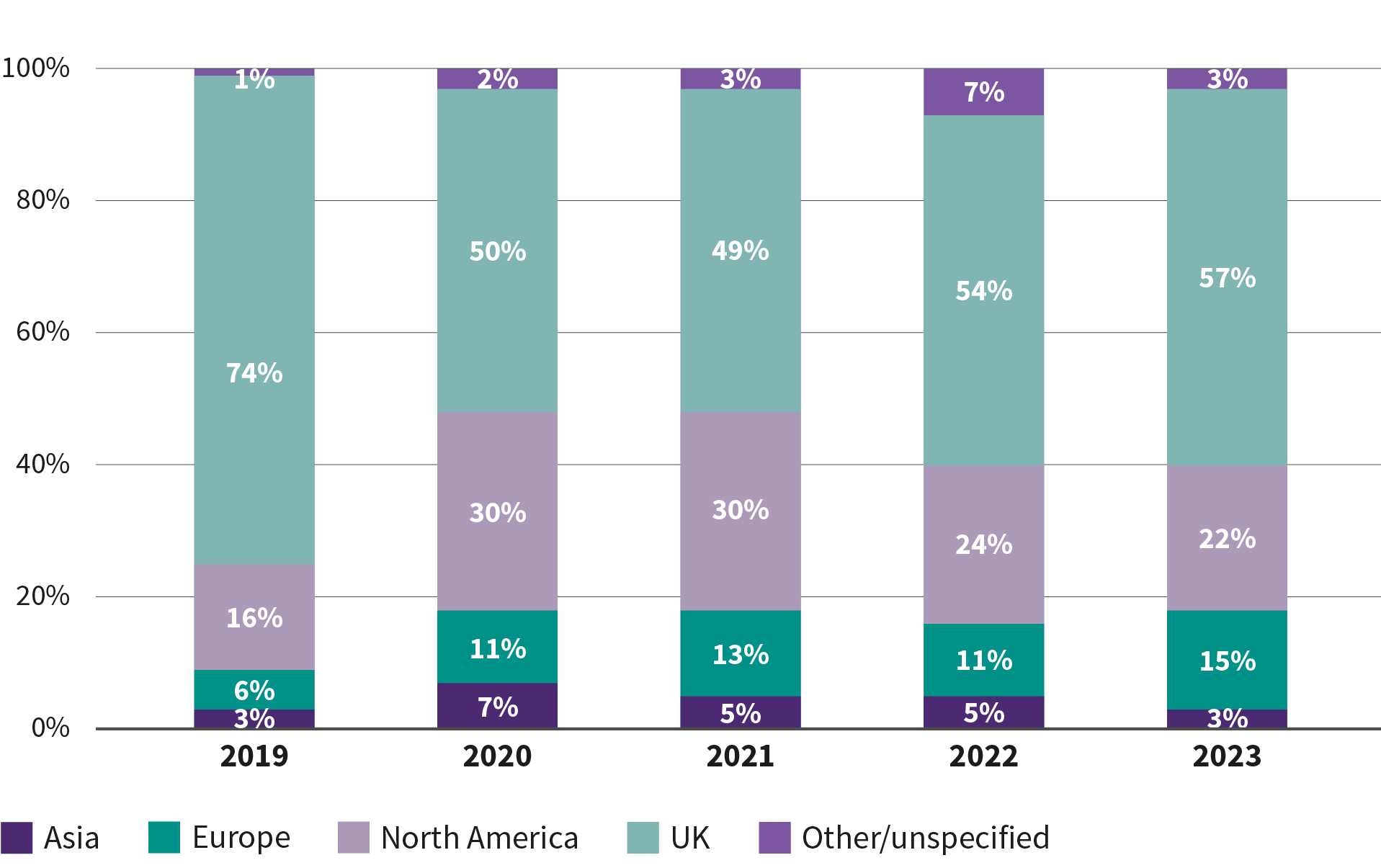
Over the past five years, foreign investor participation in UK biotech deals has steadily increased, reaching 40% of the total. While this marks a slight decrease from the 48% recorded in 2021, the distribution has not changed since last year despite fewer deals taking place. Looking at the long-term trend, European investors have gradually expanded their presence whereas North American investor presence tends to fluctuate. North America consistently holds the highest position among foreign investors. UK-based funds consistently participate in most deals each year indicating a robust and well-supported domestic funding environment.
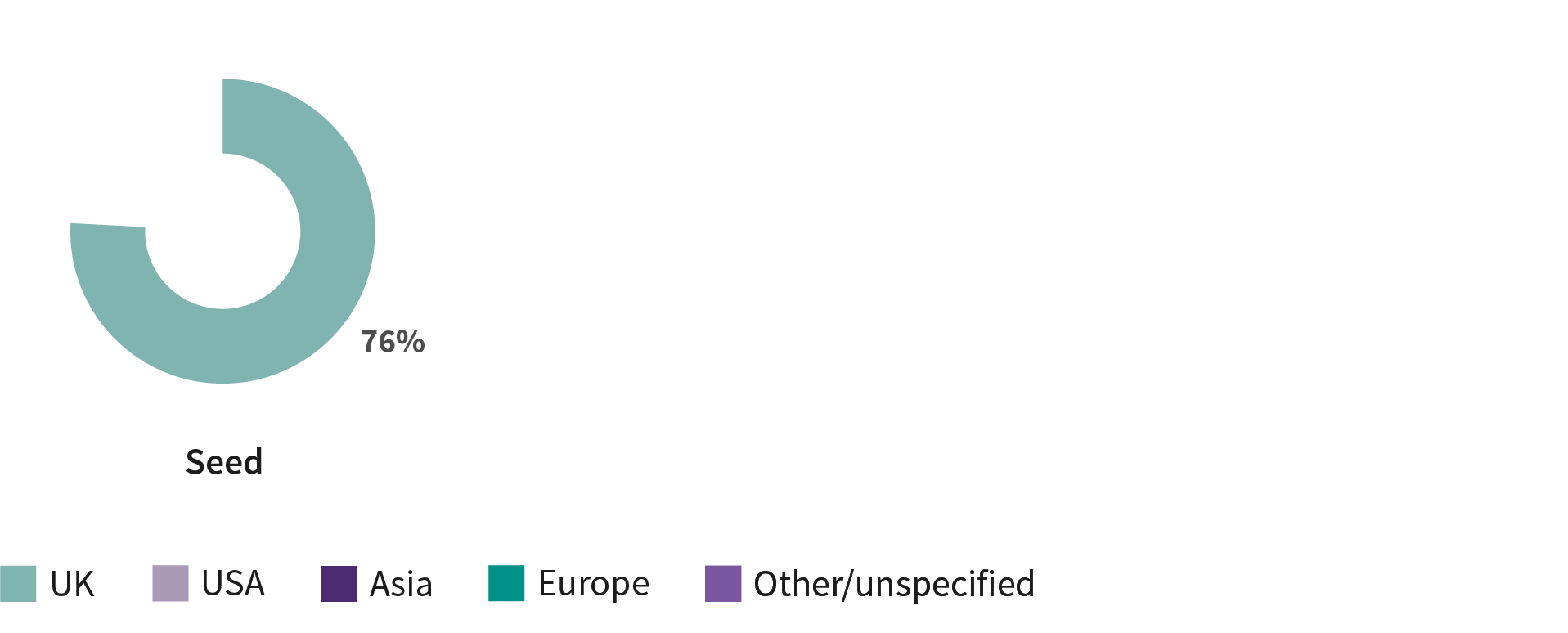
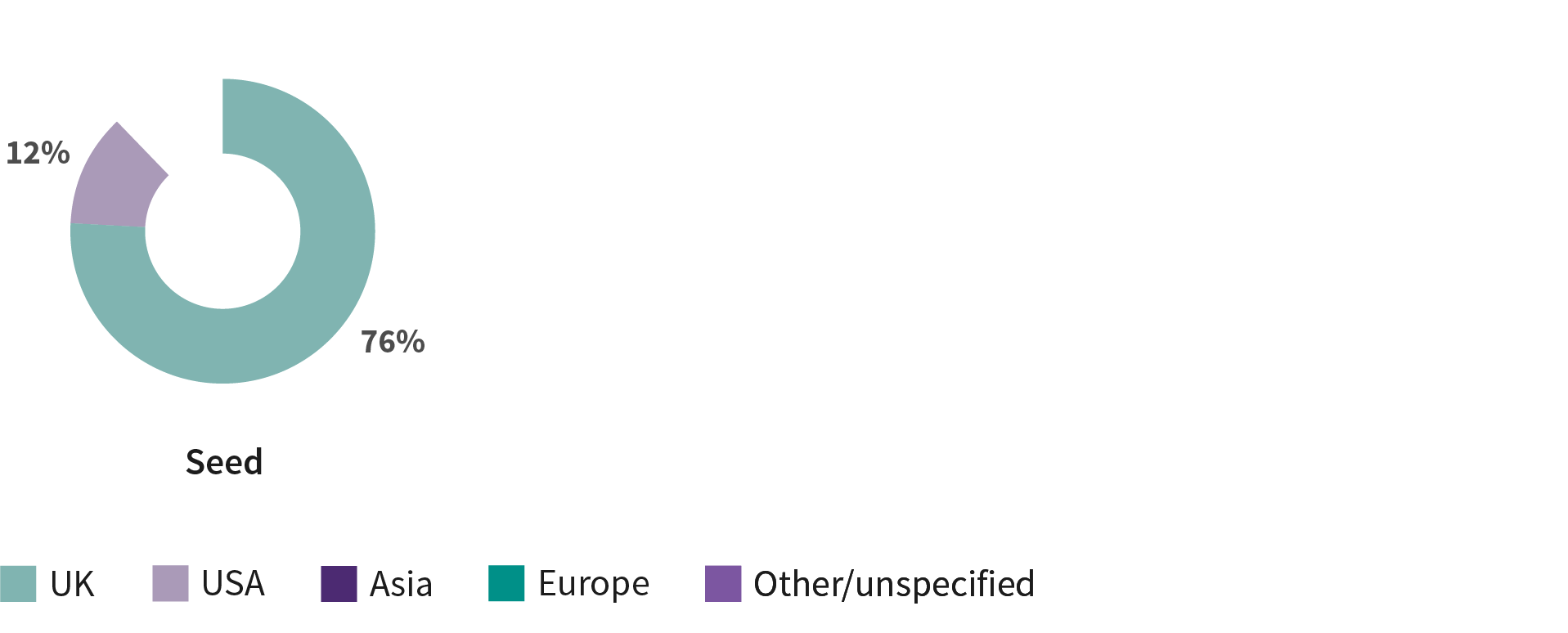
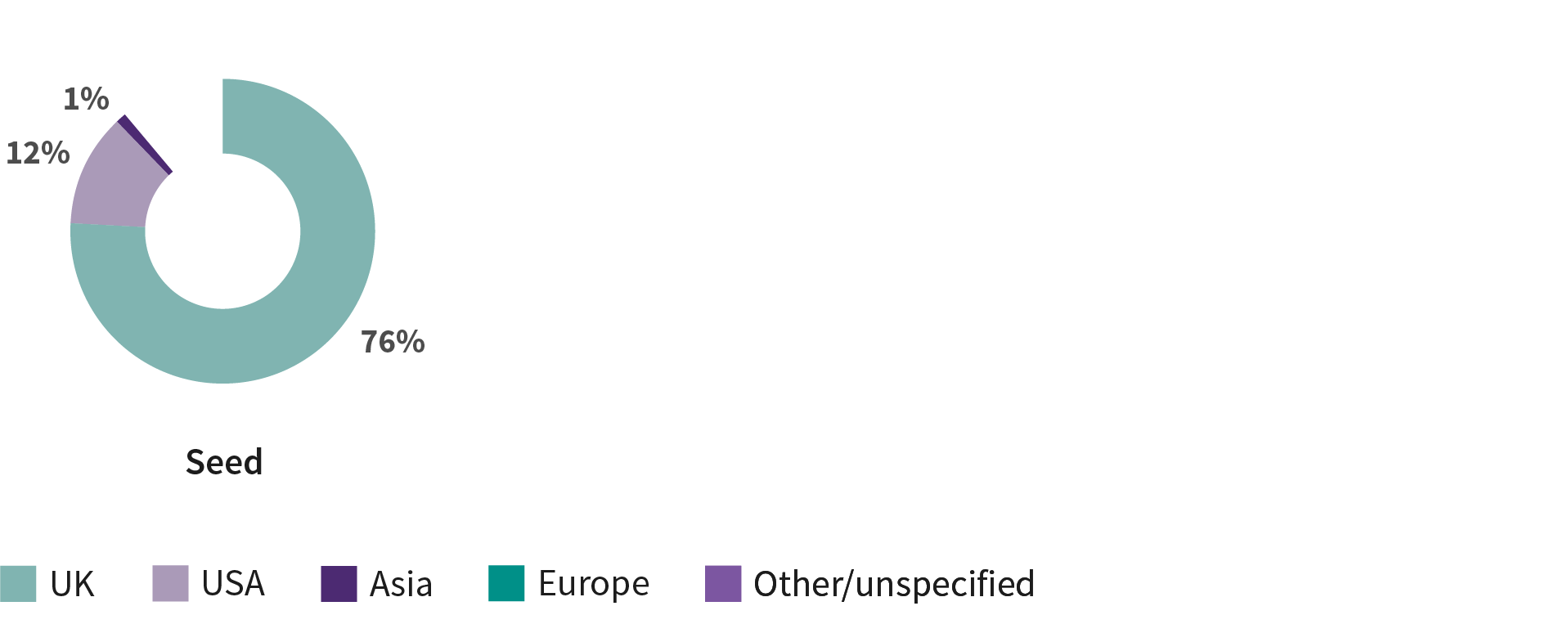
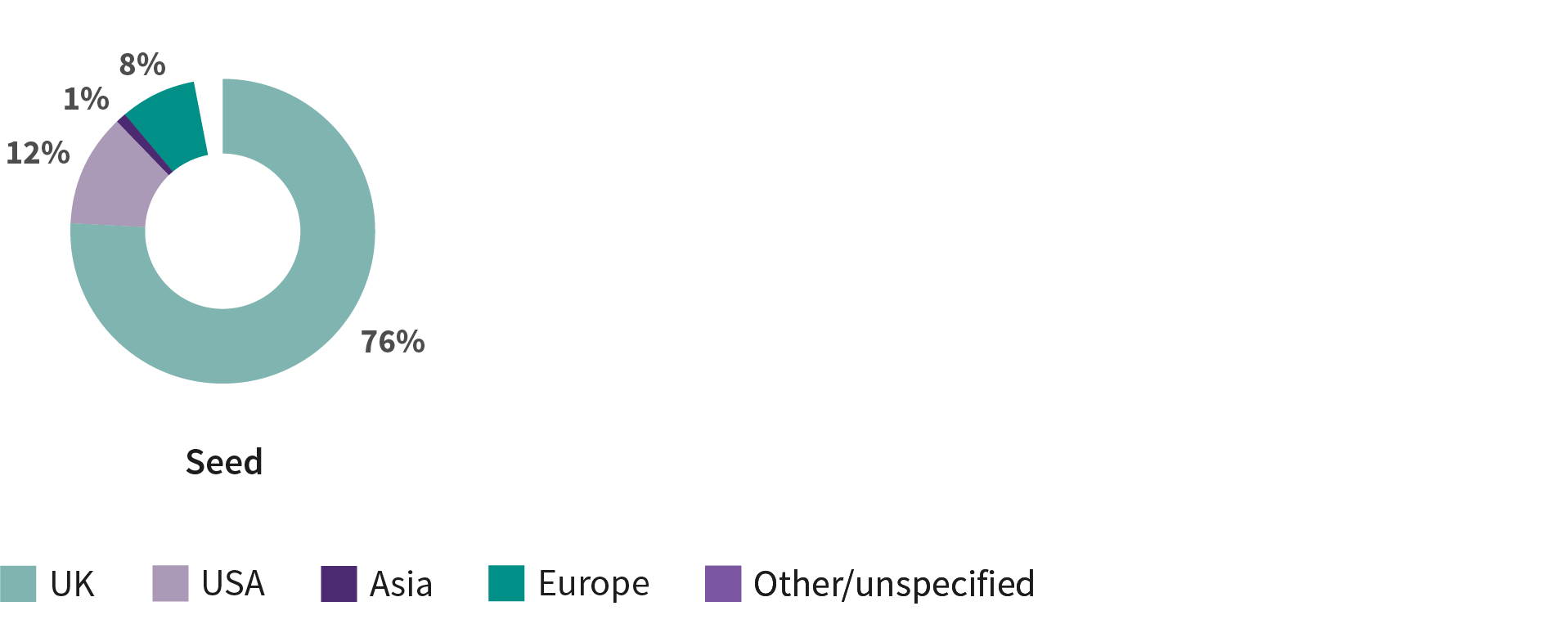
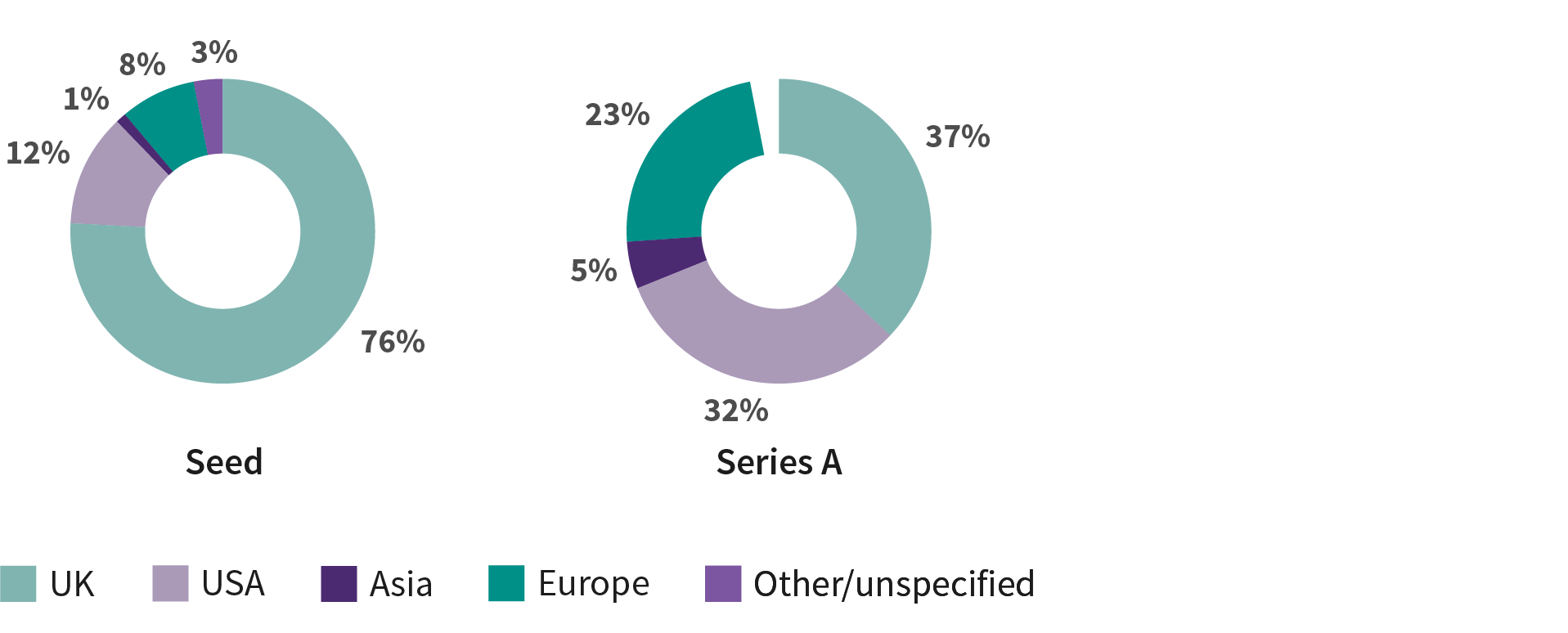
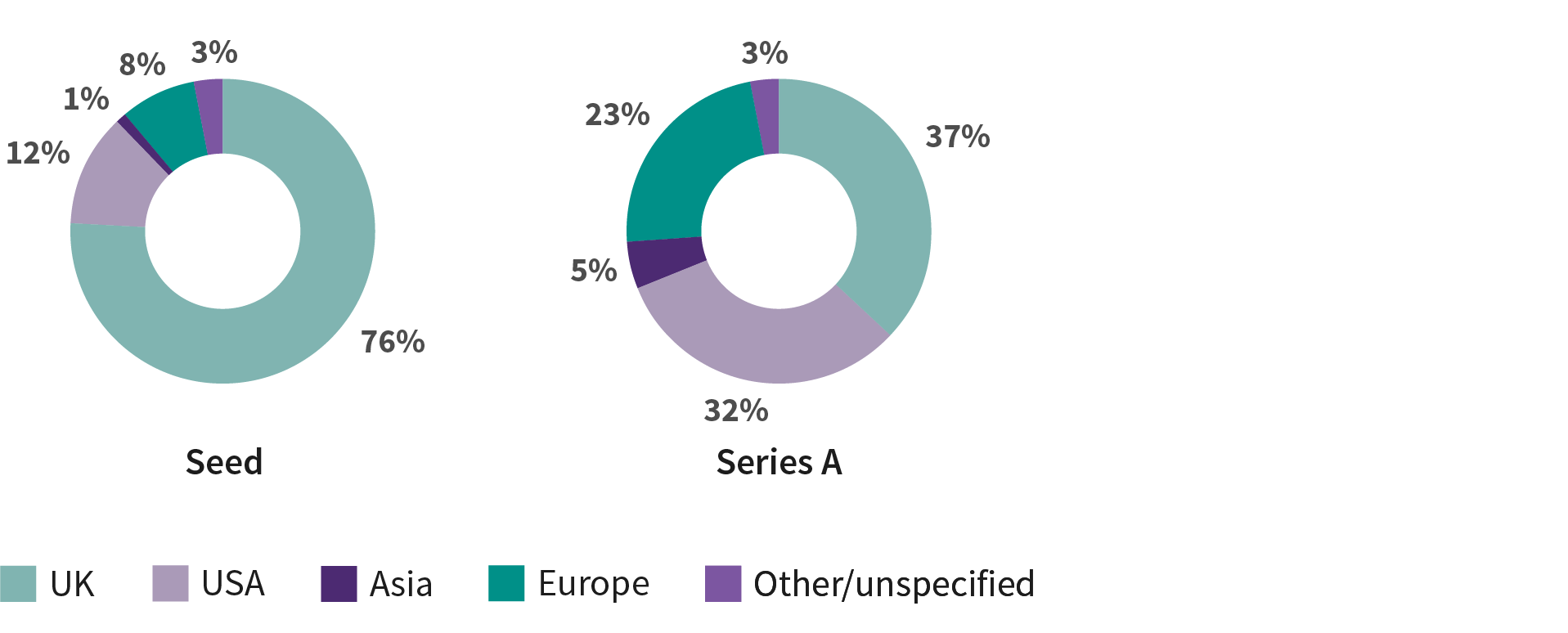
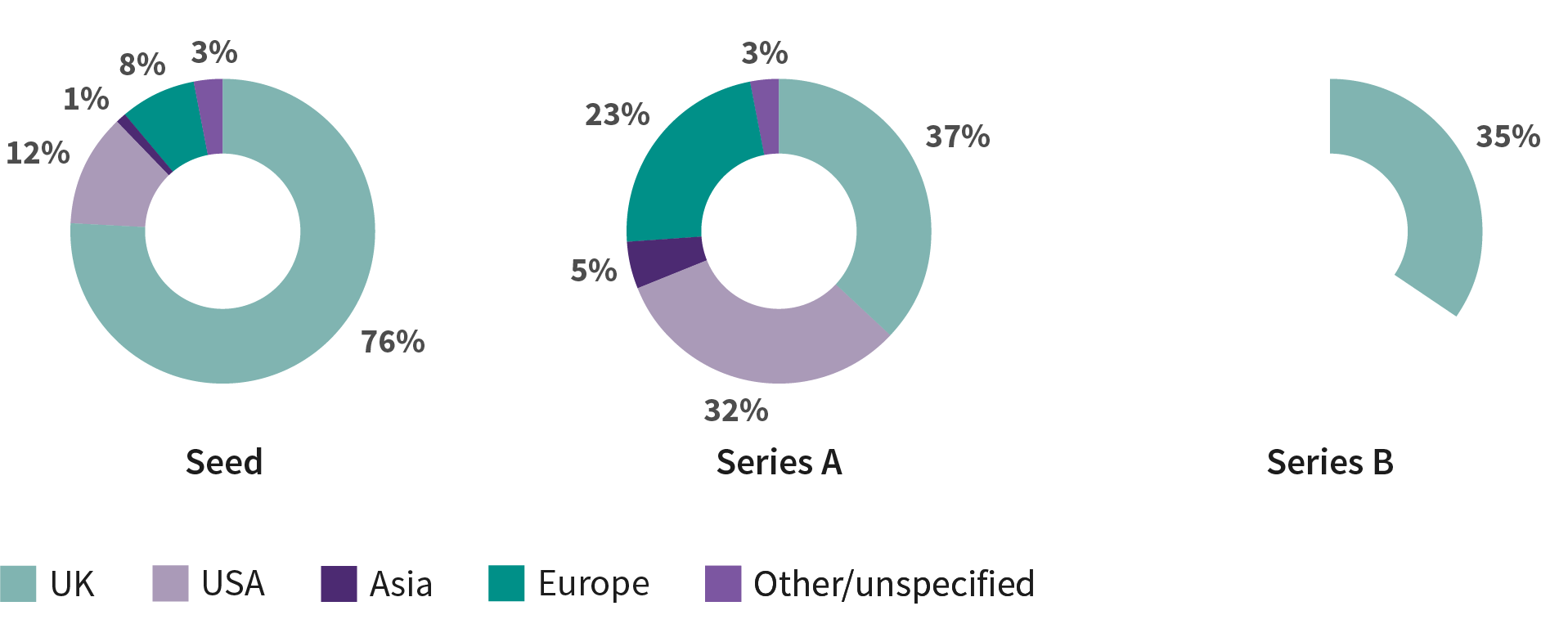
Venture-stage companies attract substantial interest from international investors, representing a 63% participation rate among those supporting late-stage (series B and beyond) deals. Conversely, riskier seed rounds tended to be supported by UK-based funds.
Location of VC funds investing in UK biotech by series

Marion Bernard
Chief Investment Officer, Northern Gritstone
Northern Gritstone is a groundbreaking investment company, dedicated to supporting science and technology-enabled businesses in the North of England, including academic spinouts from the Universities of Leeds, Manchester and Sheffield.
In 2023, we announced our £312 million final close of our initial fundraising, almost 70% of which came from pension funds. Our investment philosophy ‘profit with purpose,’ combines strong returns for investors with wider positive societal and economic impact, including Levelling Up and high-skilled job creation.
In 2023, two of our notable biotechnology investments included:
Crucible Therapeutics, a Sheffield spin-out, developing novel therapies to treat amyotrophic lateral sclerosis and motor neurone disease.
Pencil Biosciences, based at Alderley Park, developing a fully synthetic gene modulation and editing platform that will have an impact across a wide range of applications, including new therapeutic options for patients with rare diseases and cancer.
Led by our philosophy of ‘profit with purpose’, we aim to back people and ideas that are changing the world. There are few better sectors in which we can do that than biotechnology. Crucible and Pencil exemplify the world-leading scientific and medical expertise that exists in the North of England and the amazing new generation of science-based businesses emerging and scaling in the region.
VC financing in Europe, US and Asia
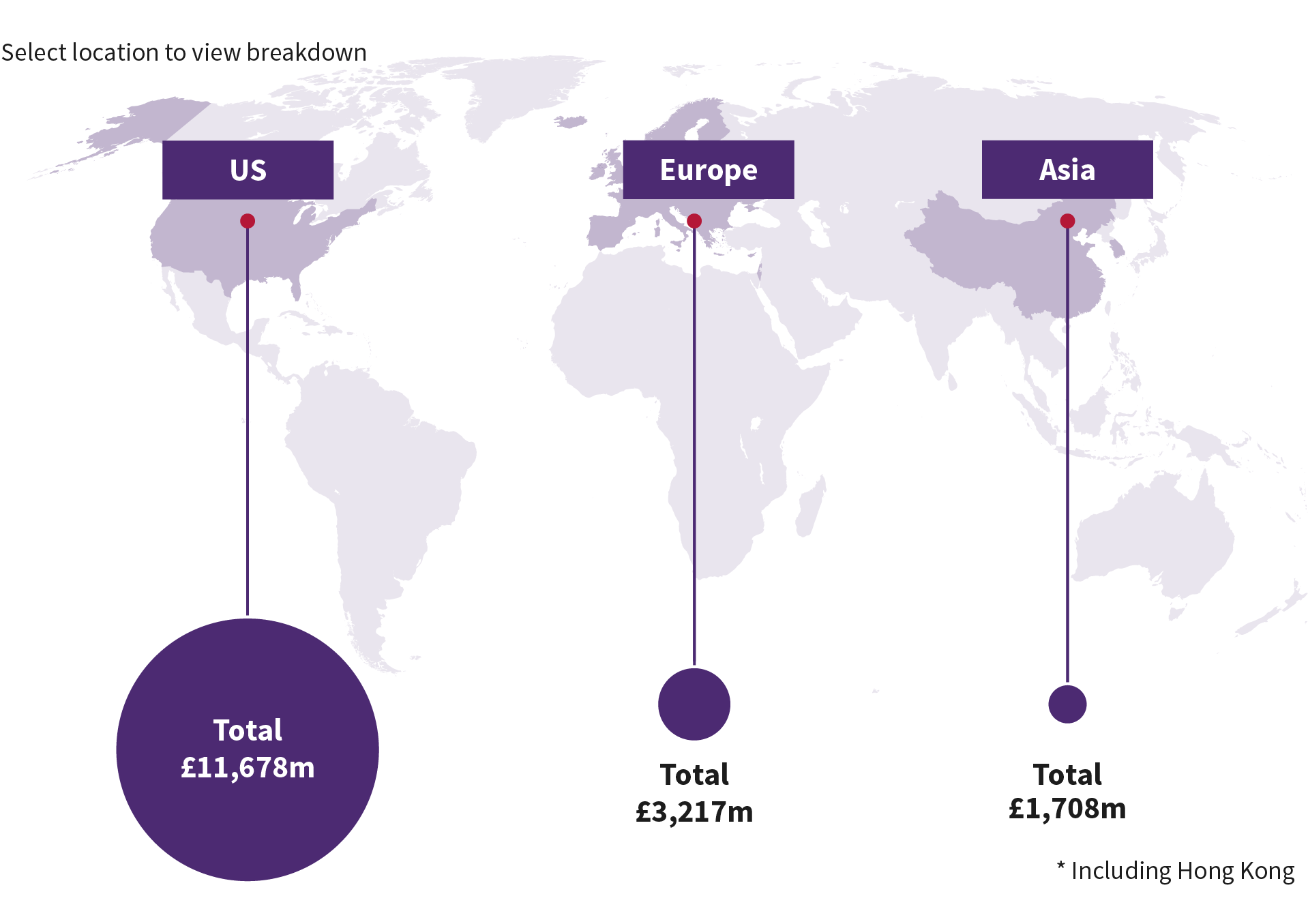
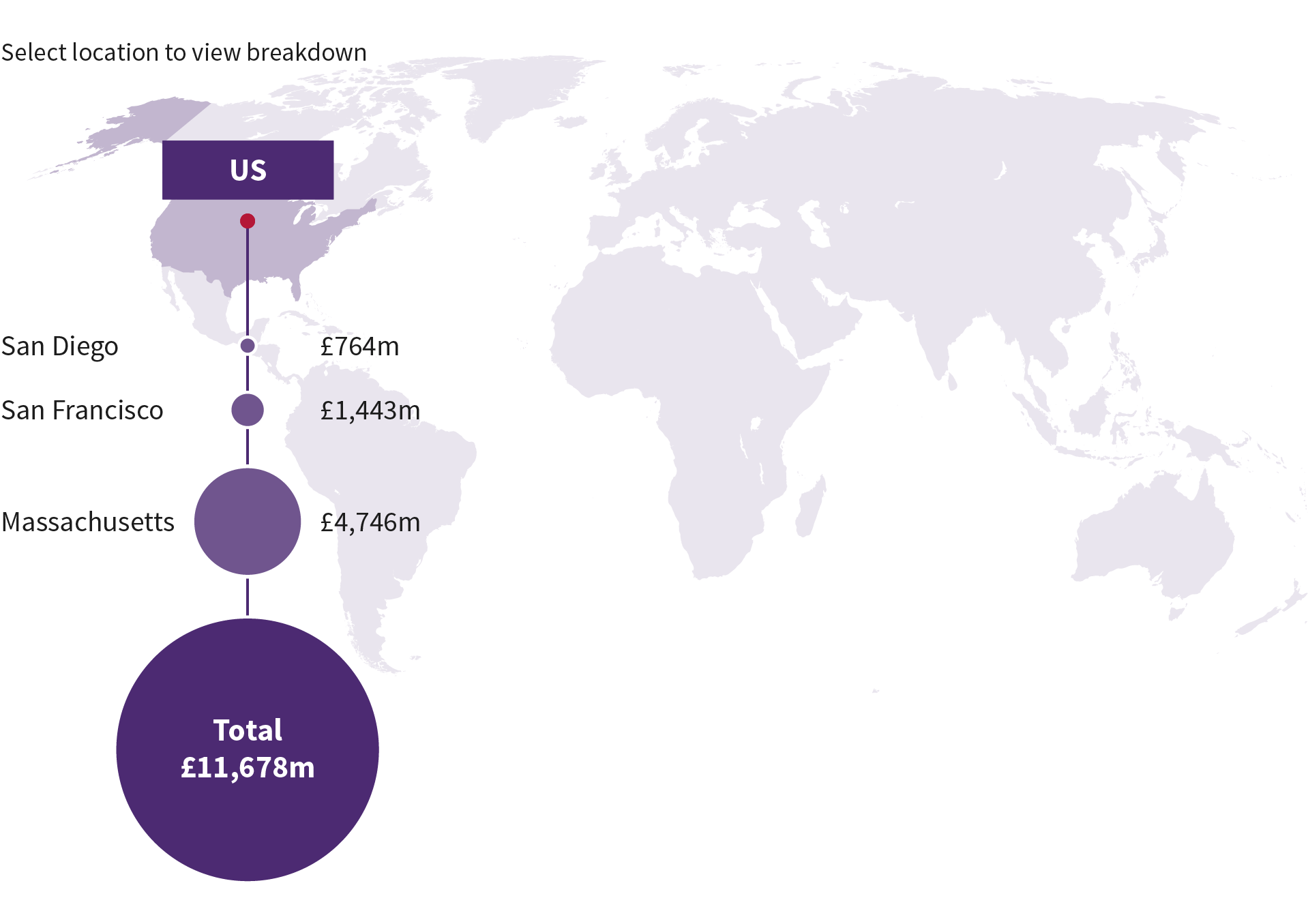
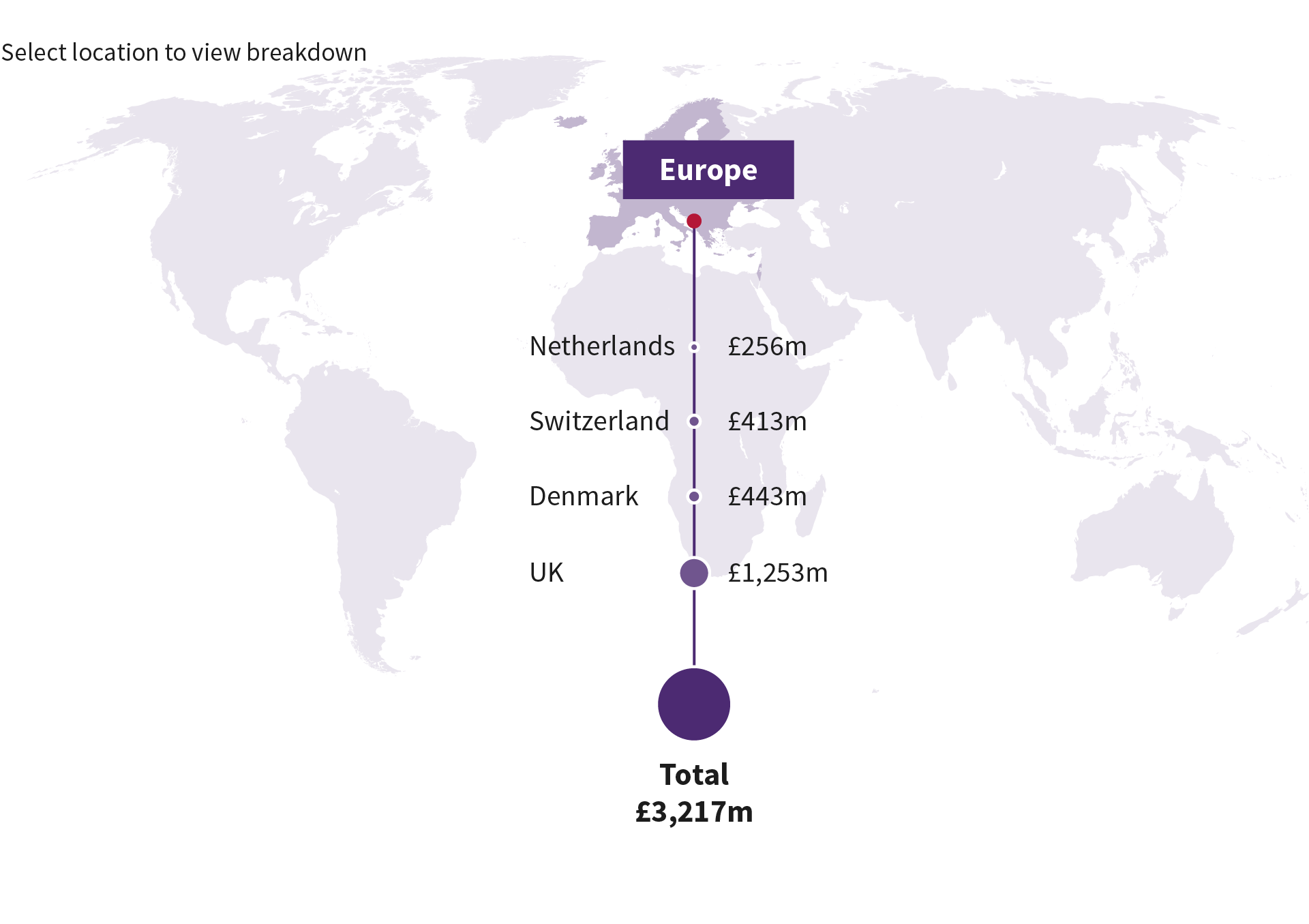
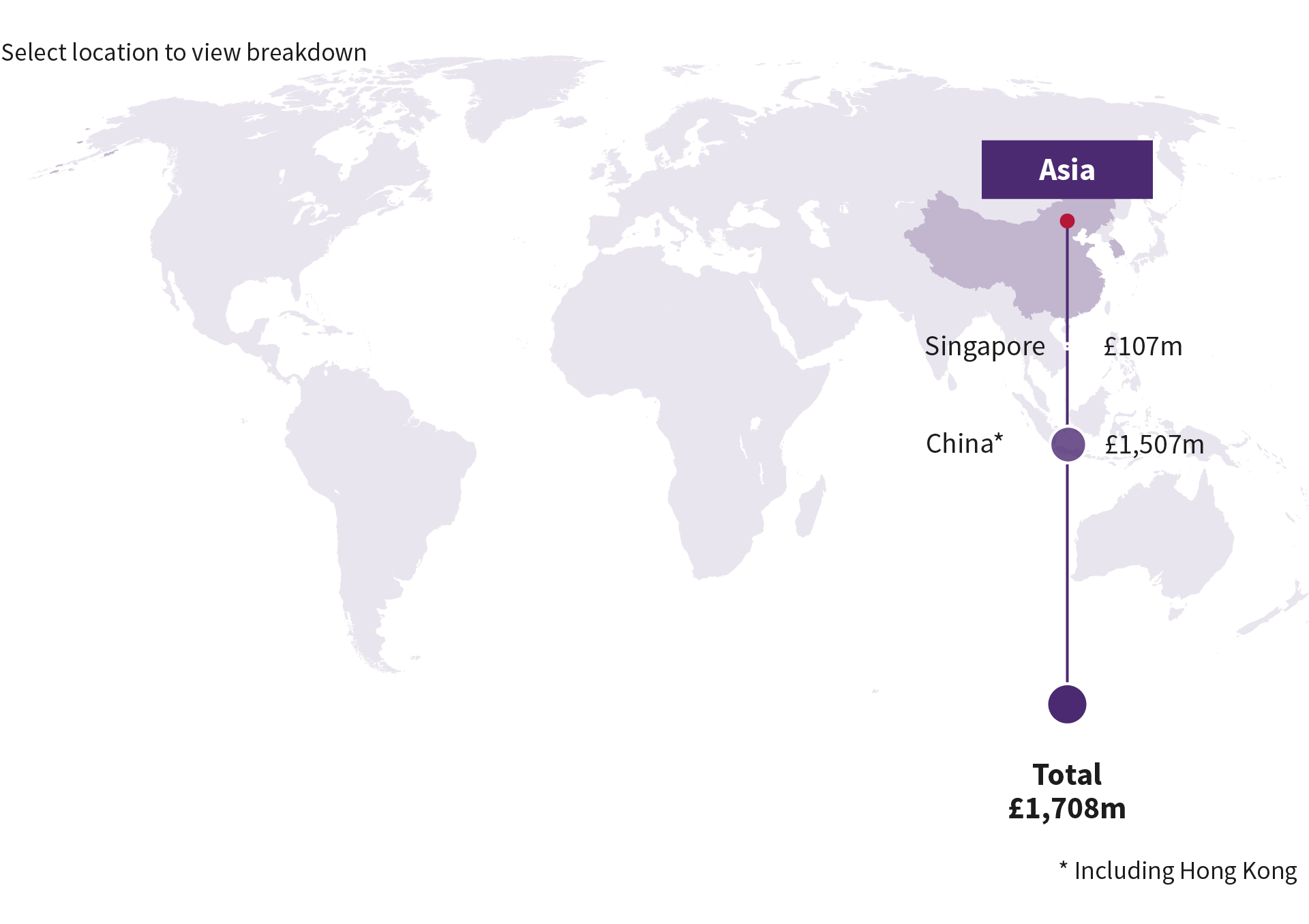
Global VC financing activity totalling £16.6 billion saw a 23% decrease compared to 2022.
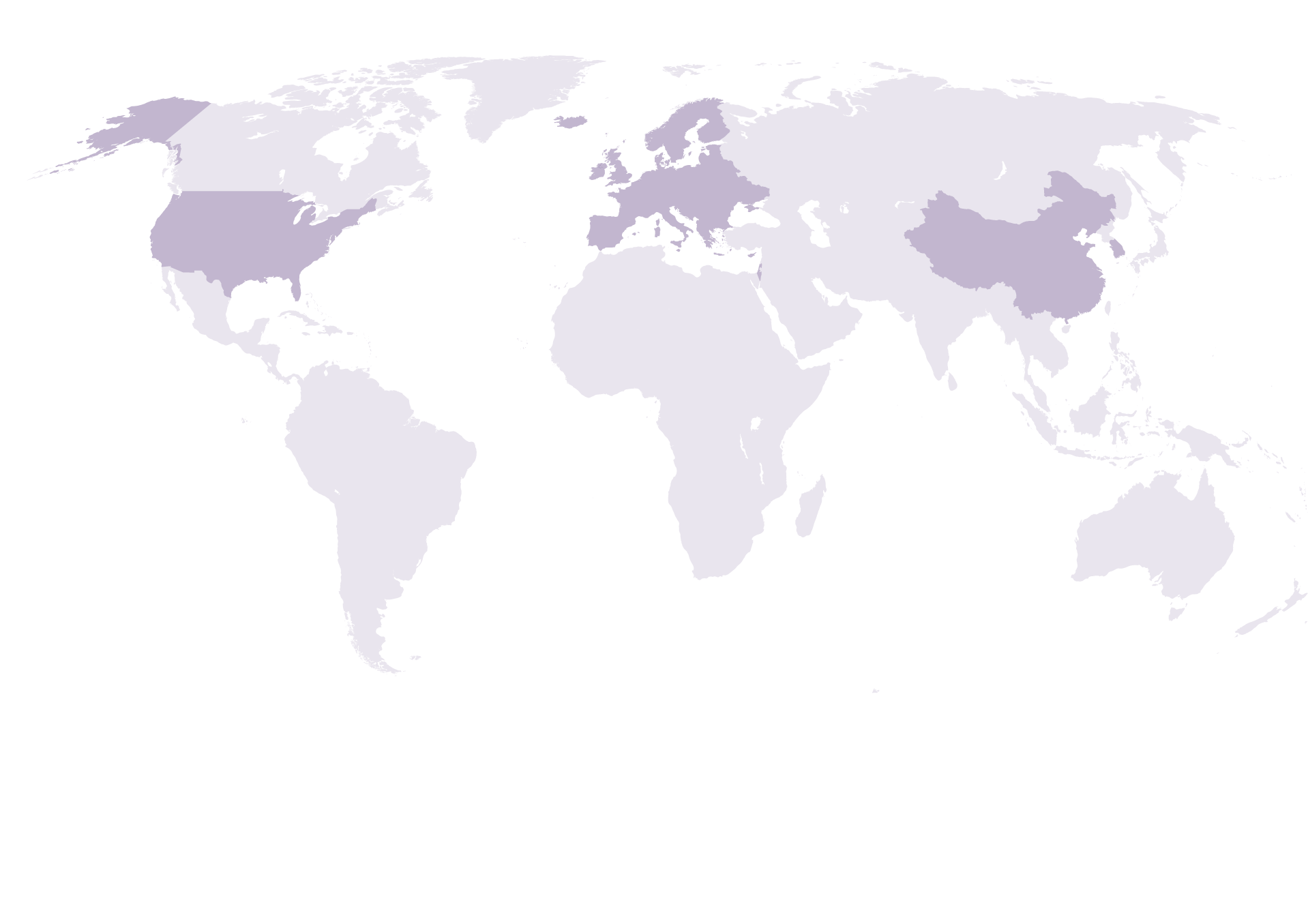
Internationally, VC investment in biotechnology experienced a dip in deal-making, with the UK being no exception. The UK received 8% of all venture capital investment in the global biotech industry. European countries collectively accounted for 19% of all VC funding, while the US led with 70%, and Asia constituted 10%.
UK retains the top position in Europe with investment into UK companies constituting 41% of the total invested into biotechs in the region. Europe experienced a modest 5% dip in funding. In contrast, the United States faced a more substantial decline of 39% in investment.
To account for economic size, we adjusted the VC totals received by each country or region relative to the GDP of the regions examined, using the US as the benchmark at 1. In Europe, Danish venture funding stood out as biotechs performed twice as well (2.1) as those in the US, whereas UK biotechs were behind the US with a ratio of 0.71.
International VC financing

 Public markets
IPOs
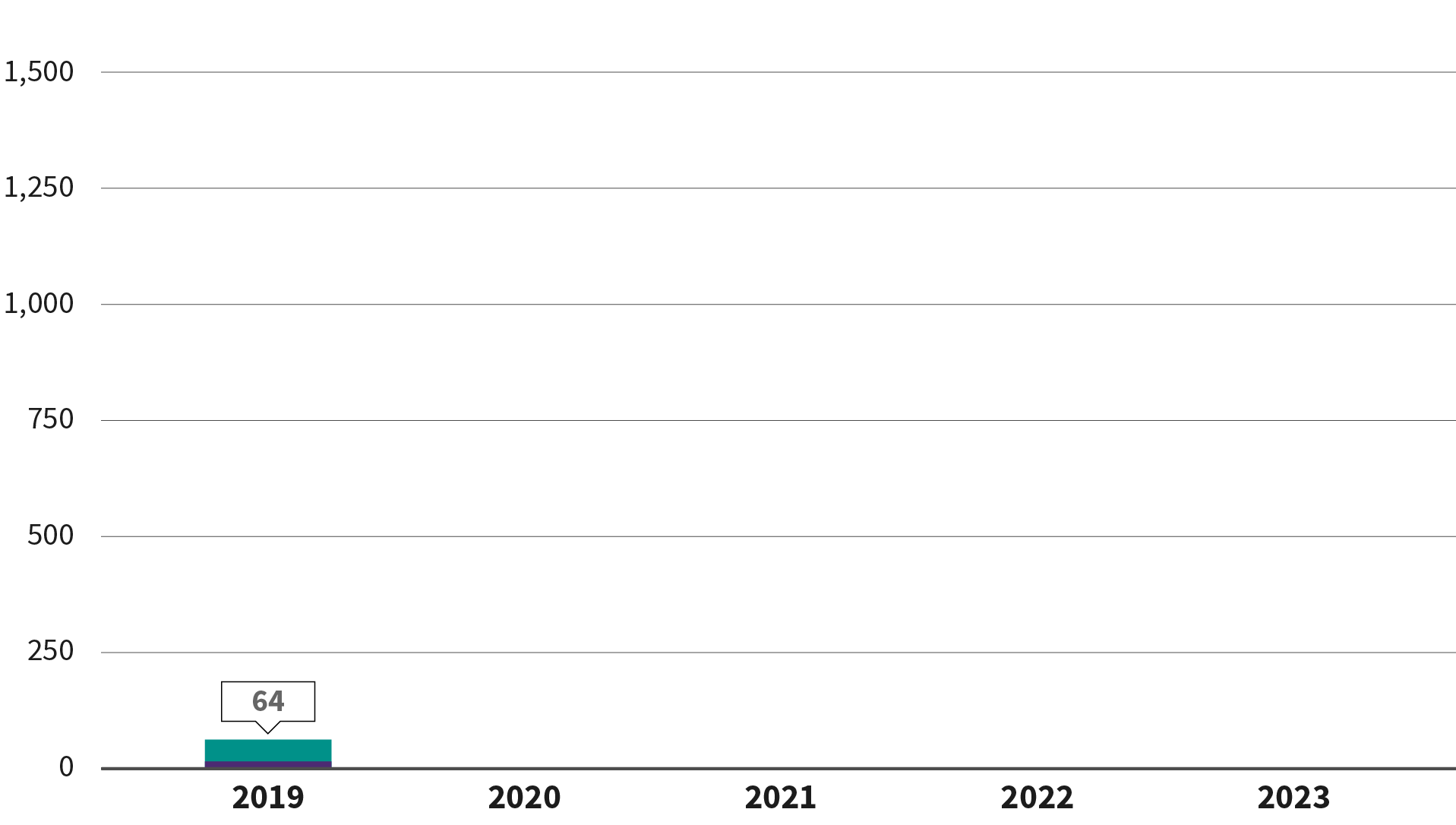
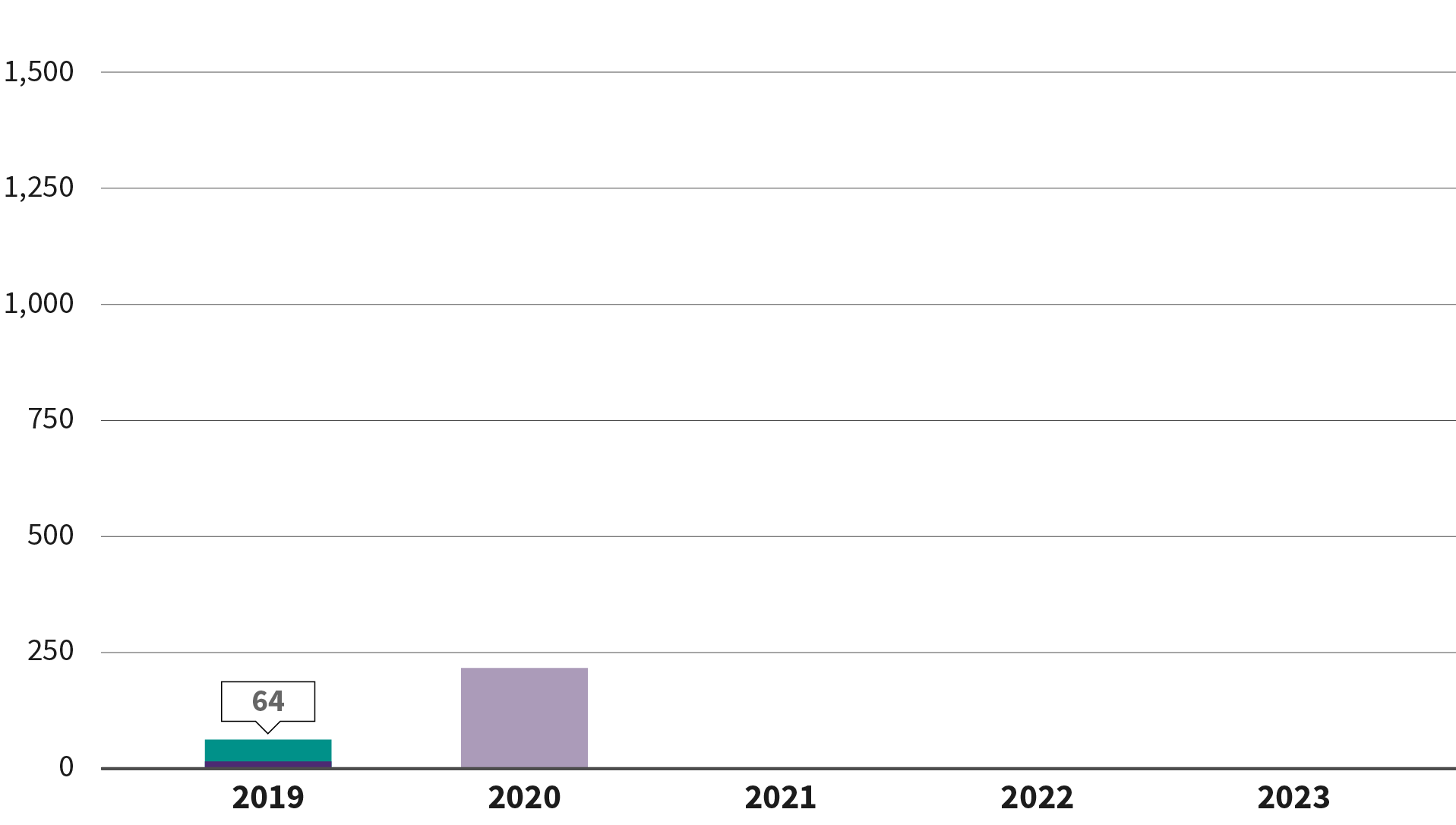
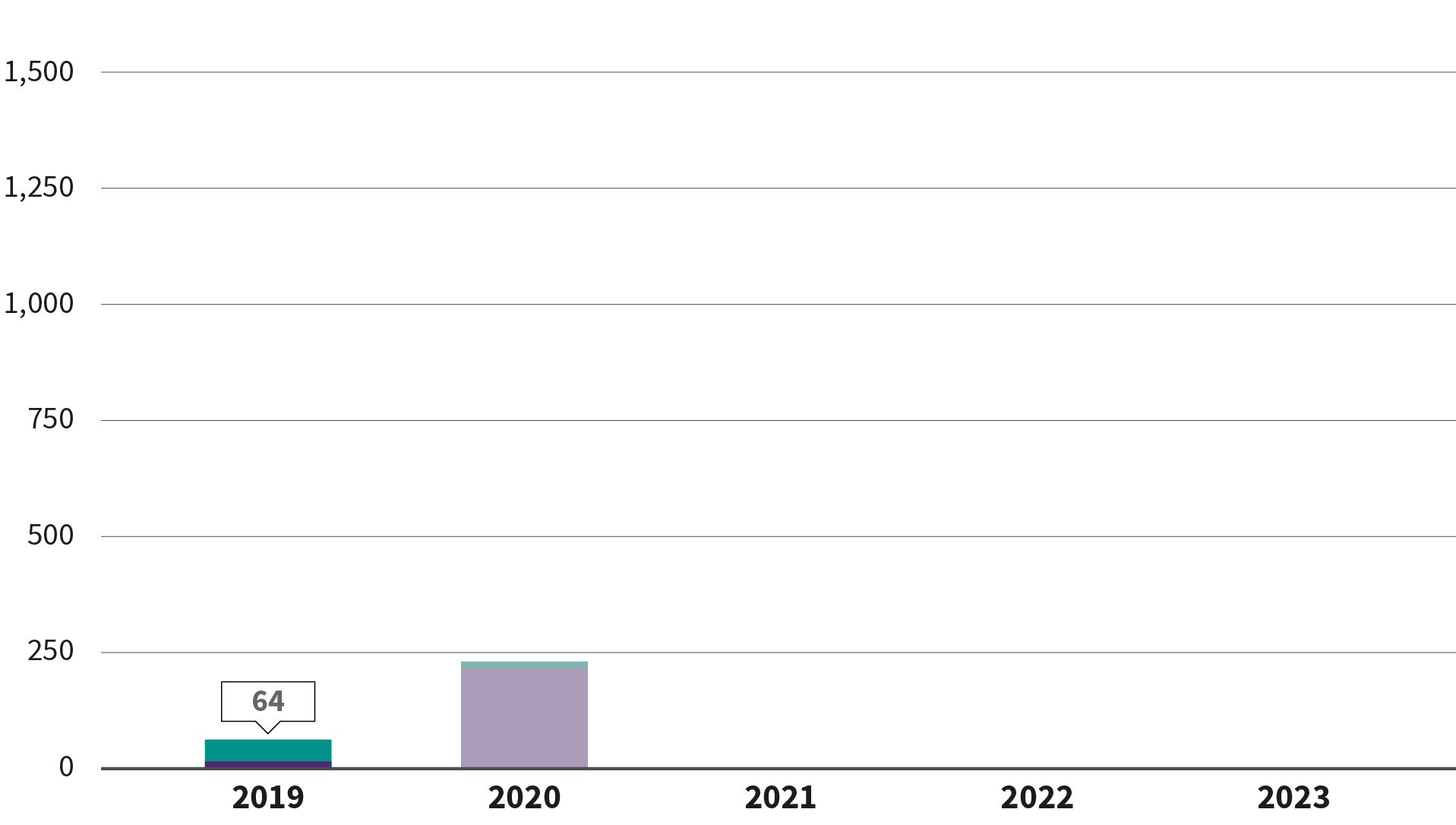
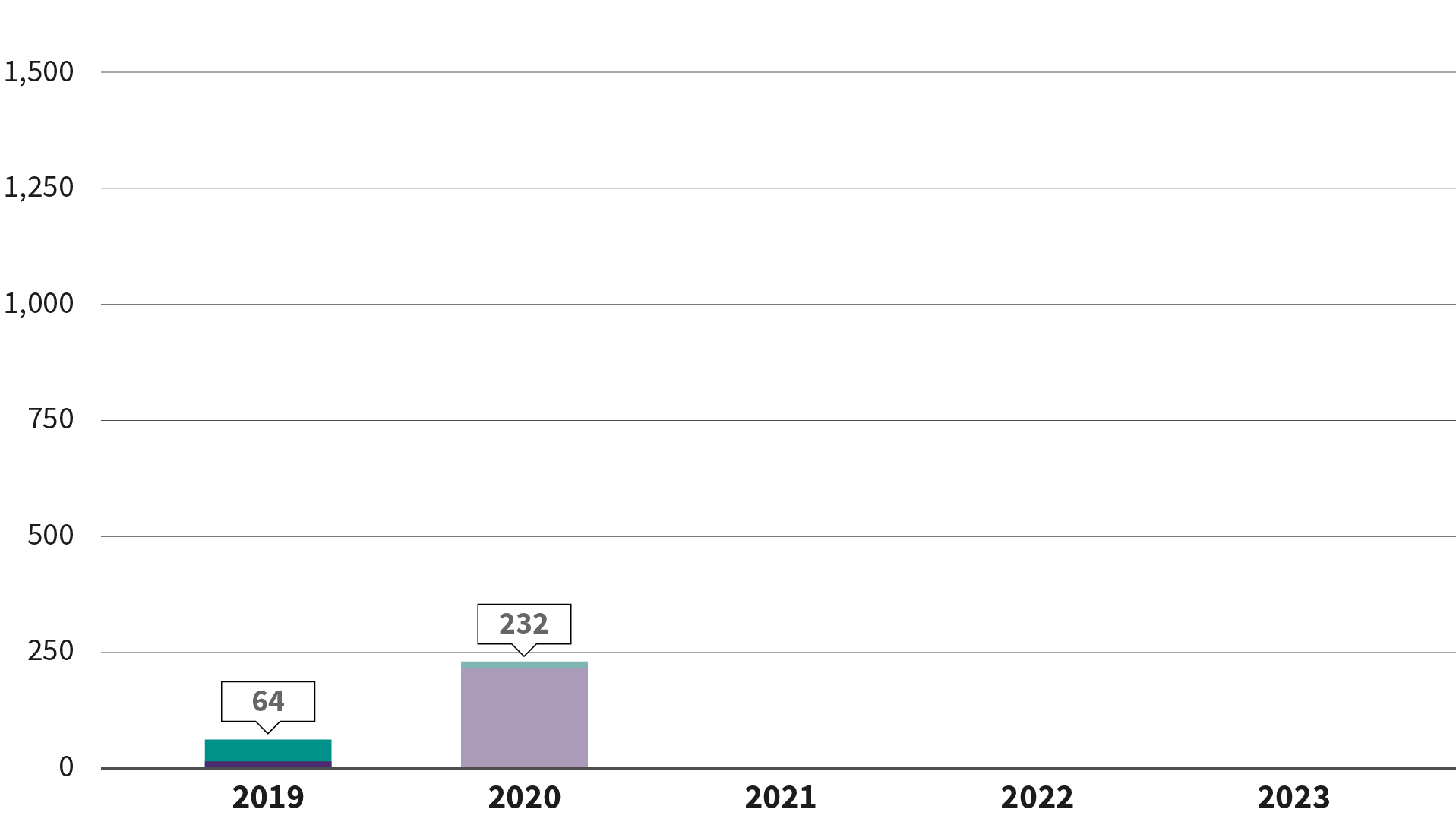
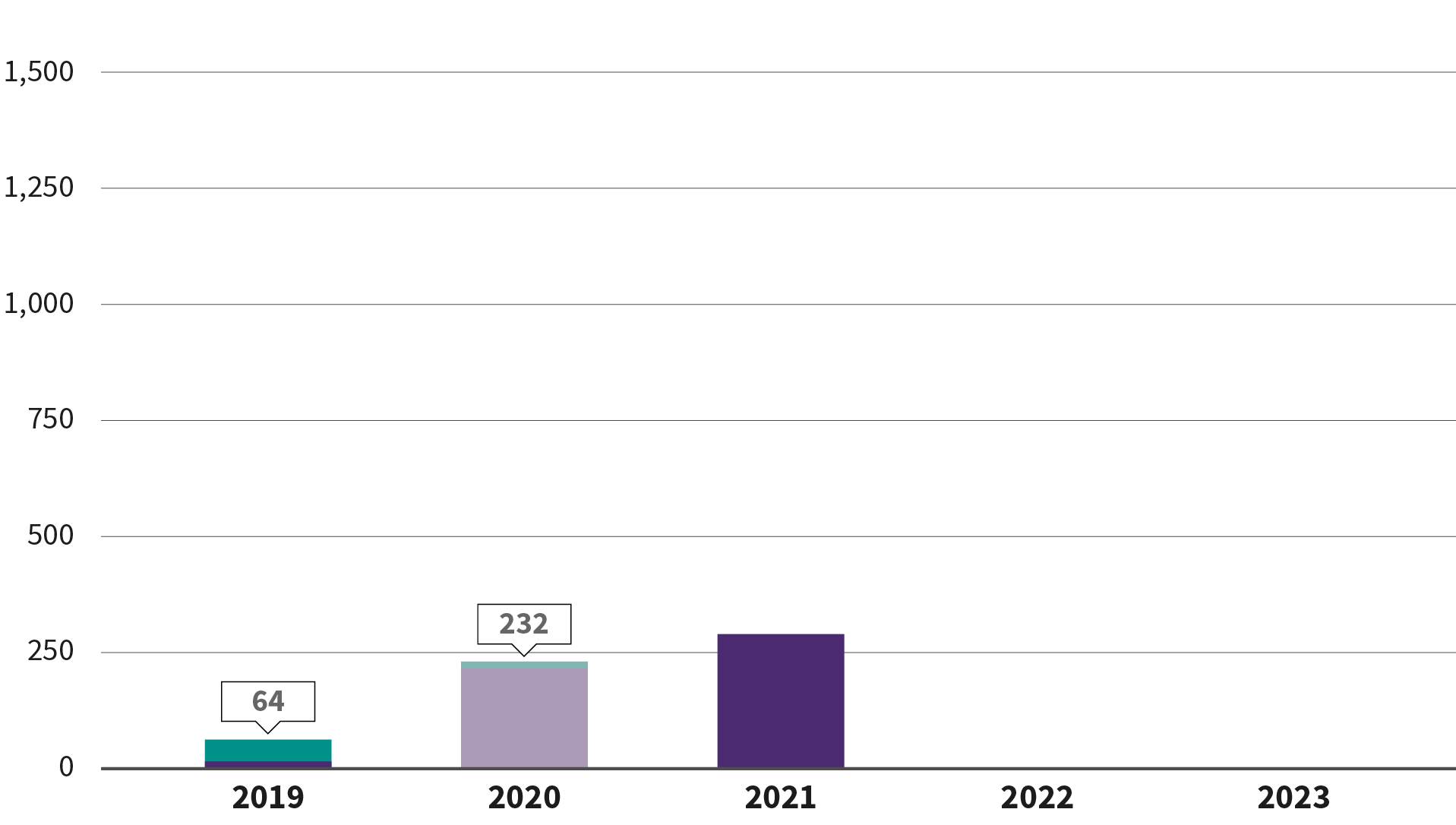
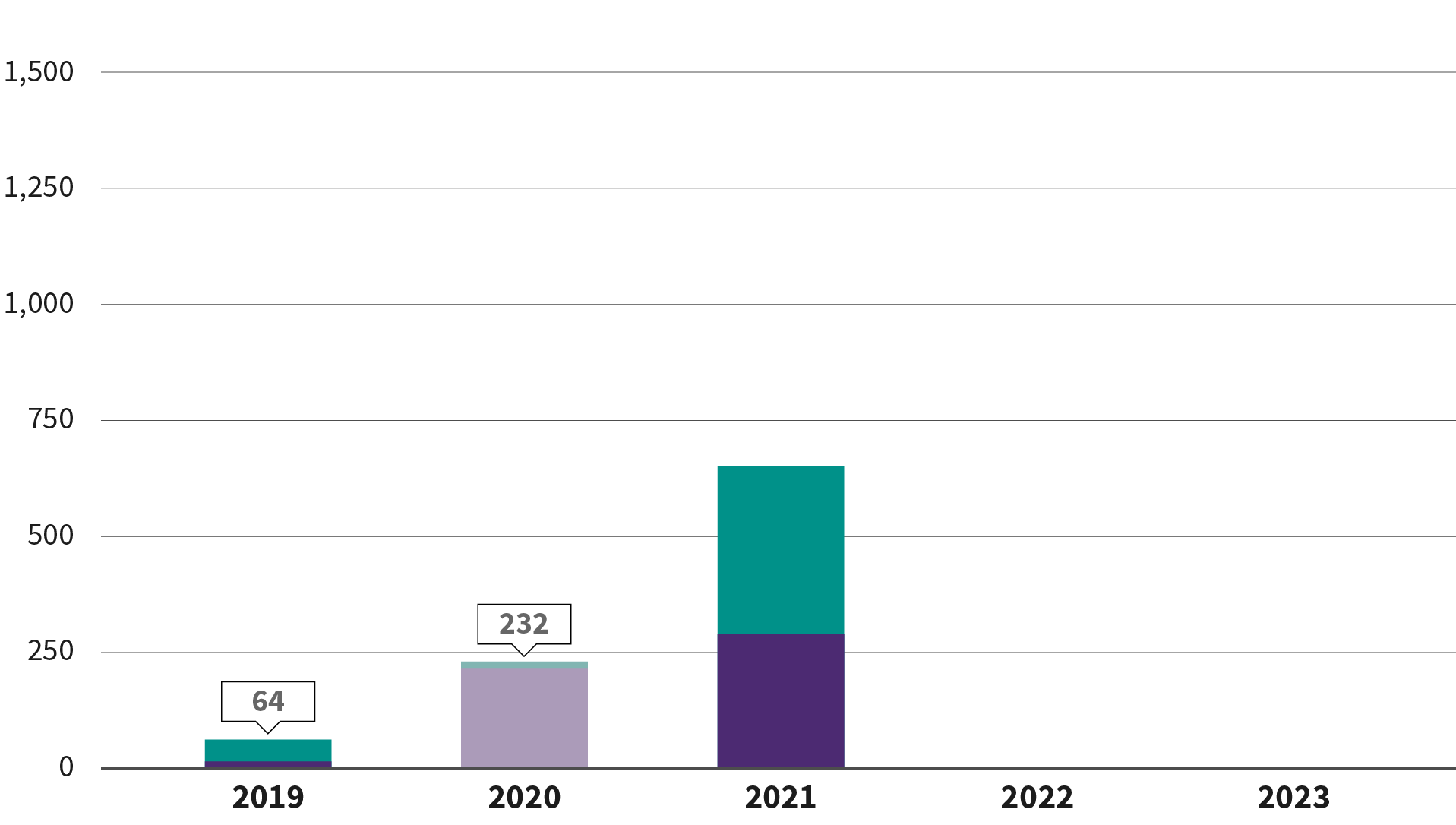
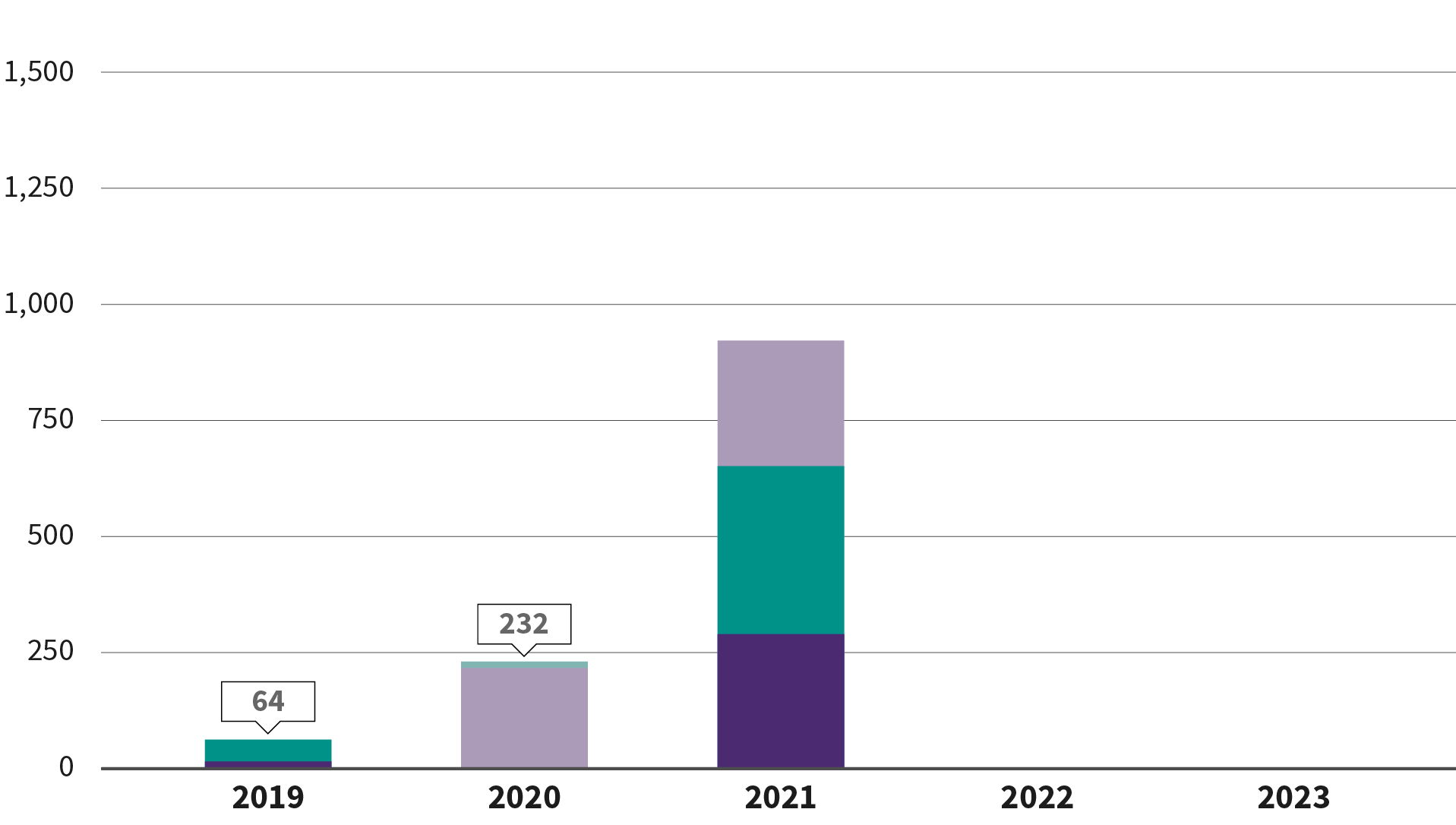
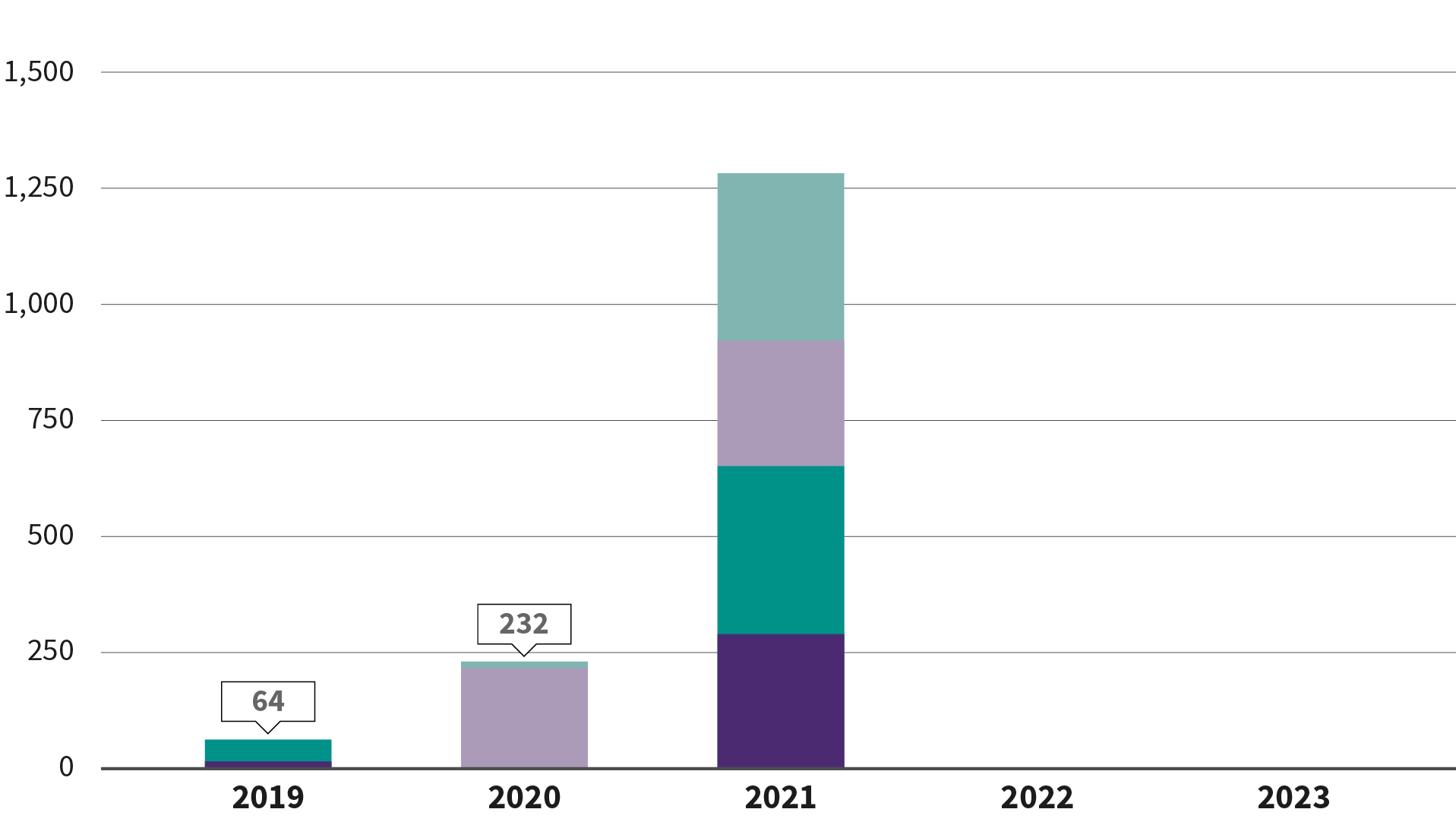
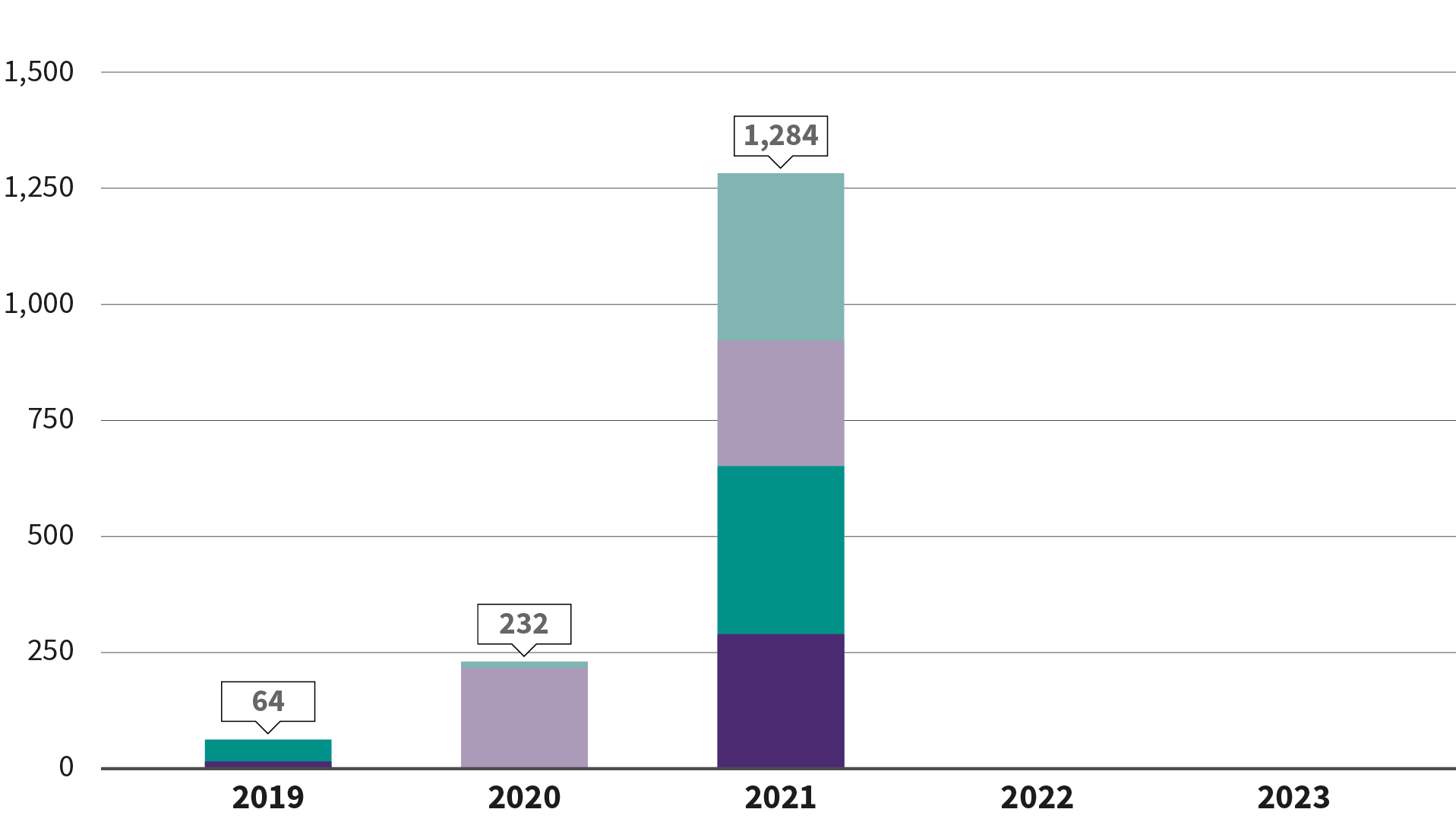
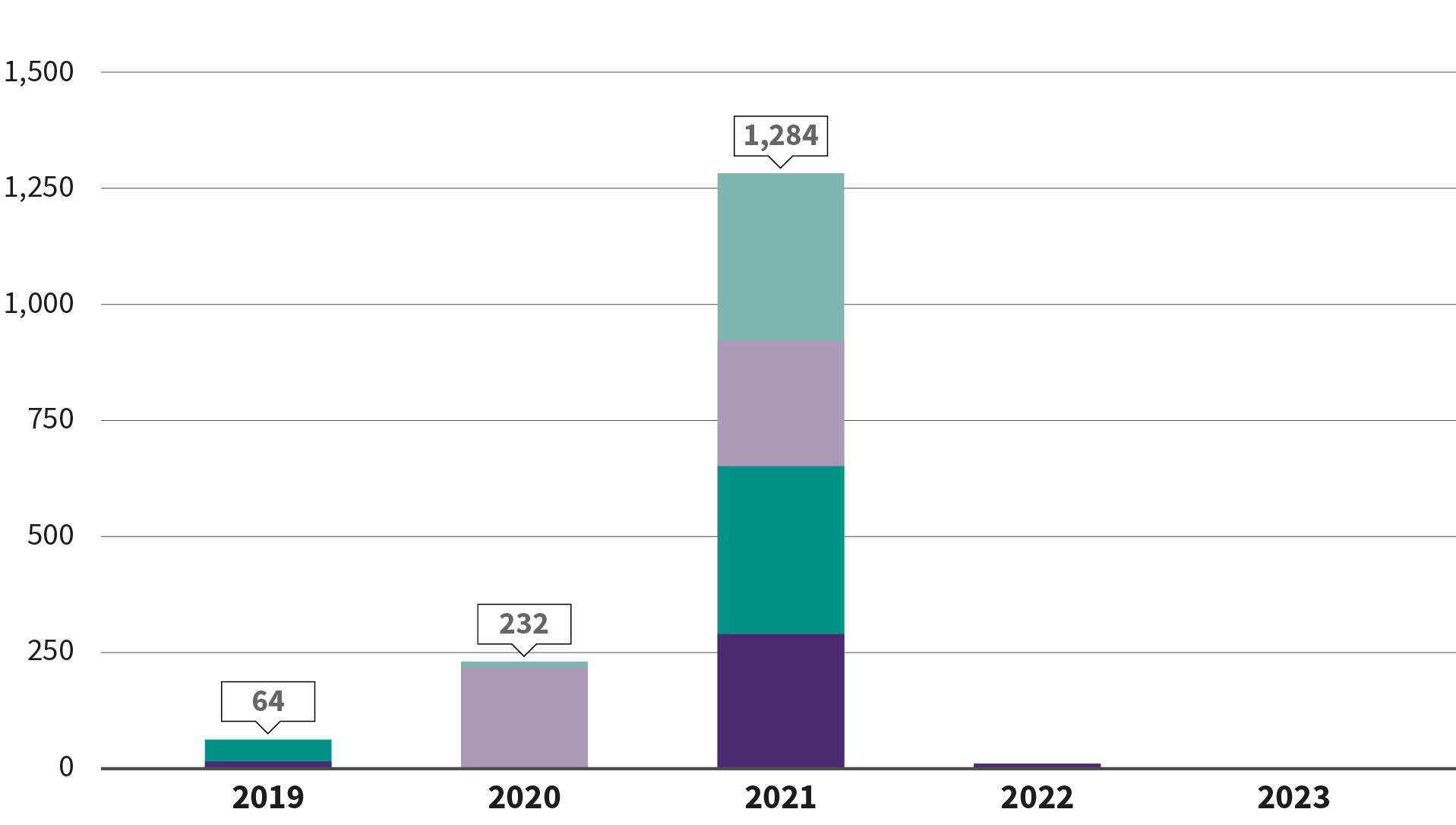
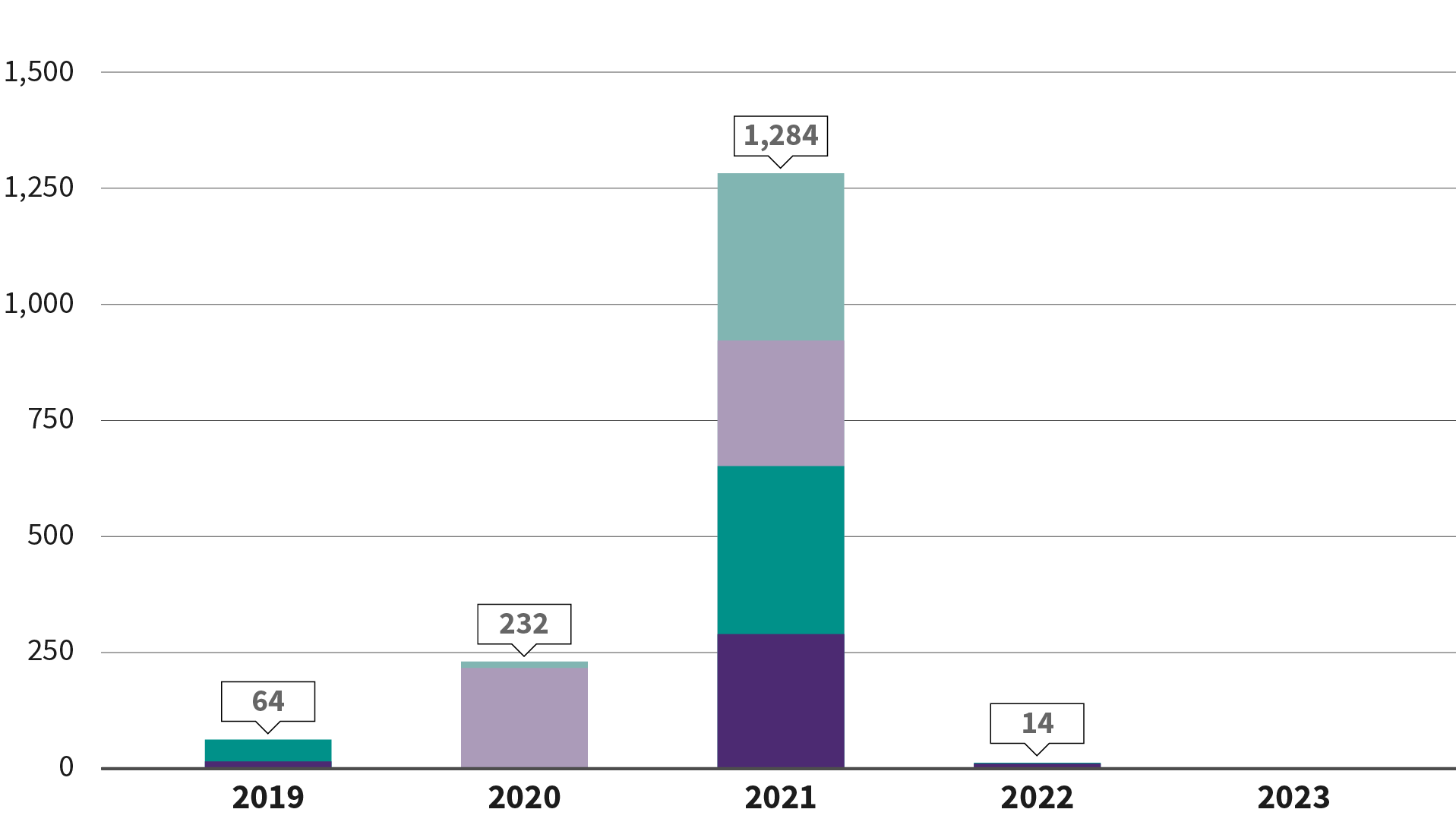
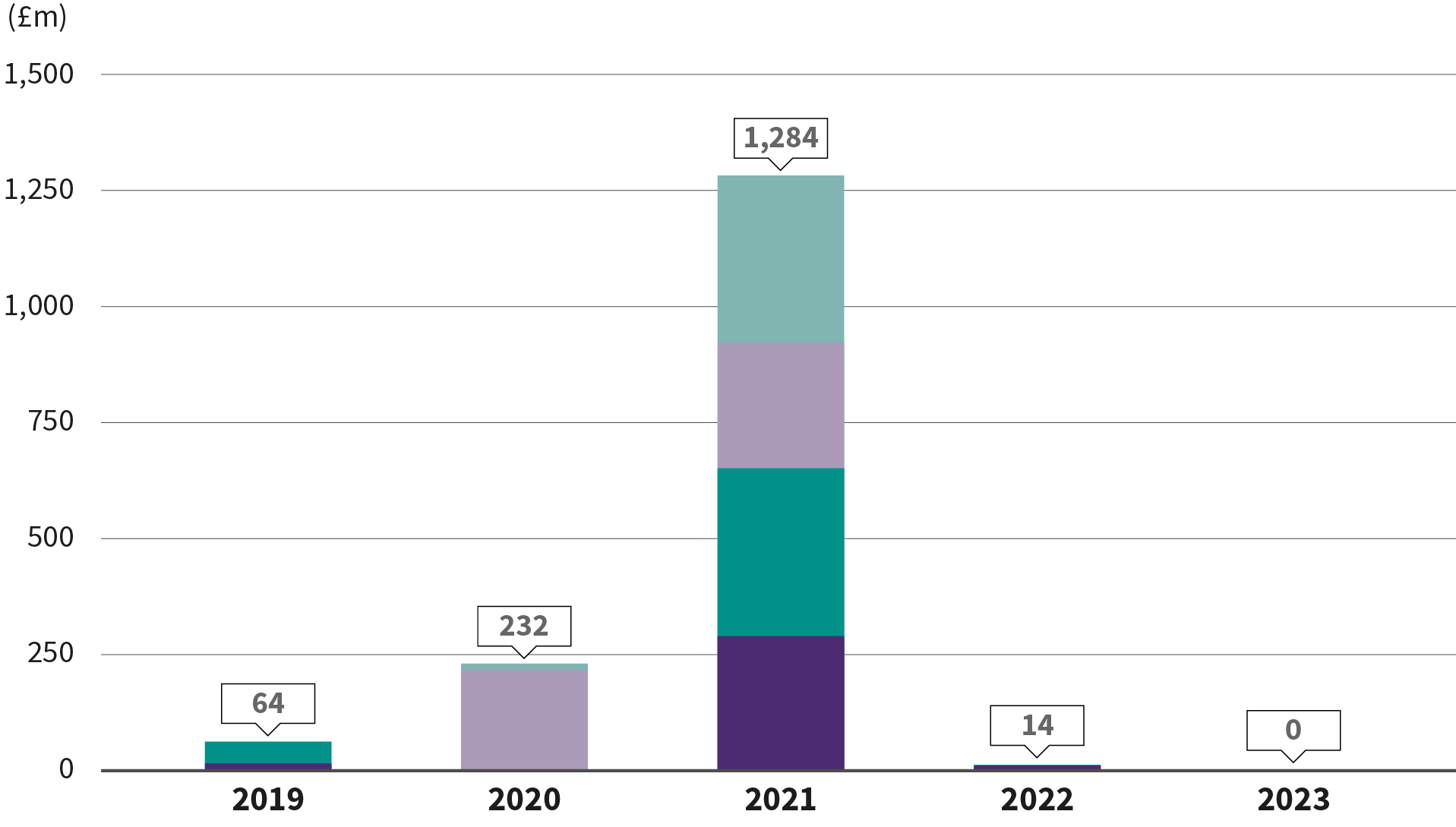
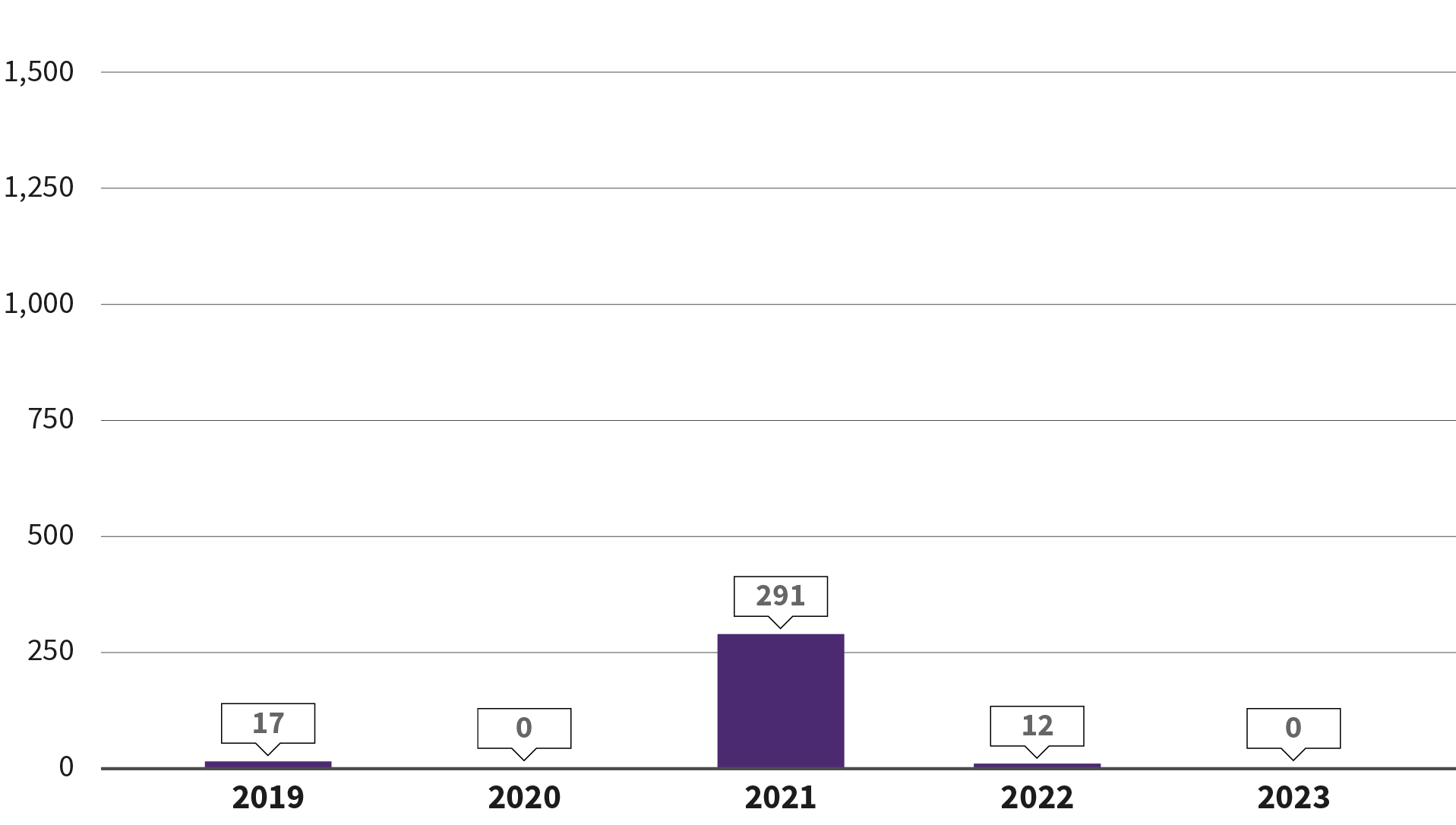
Initial public offerings (IPOs) are a vital means for companies to secure large funding rounds to enable them to scale-up. Over the past two years, biotech firms refrained from going public due to the prevailing trend of low valuations and investor appetite, leading to significant challenges in raising substantial funds. The absence of IPOs in 2023 marks the worst year on record due to the global loss of investor appetite on public markets, driven by macro-economic factors including interest rates and the wars in Ukraine and Gaza.
In a historical context, UK IPOs have fluctuated by a large margin as they are sensitive to market conditions and economic uncertainty. Companies remain cautious, delaying plans to go public during these periods. With the global inflation easing this year, investor and issuer activity is expected to pick up as they seek better post-listing valuations and returns for their investments.
Dr Allan Marchington
Head of Life Sciences, ICG
ICG is an FTSE 100 alternative asset manager which is committed to UK life sciences. The firm has over $80 billion under management and has an experienced life science team that invest in innovative life science companies in the UK, Europe and the US.
At ICG we are excited about the opportunities in the UK. The country continues to be a leader in life sciences and we are pleased to see the UK maturing and growing with the support of the Government and the BIA. It’s a wonderful time to be in the industry, with many new technologies and scientific discoveries unlocking the diagnosis and treatment of diseases which only a few years ago were viewed as untreatable.
We are also delighted to see how the MHRA has evolved. While inevitably, patient safety is still the priority, the MHRA is willing to work with companies to develop nimble and flexible clinical trial designs, which ultimately will provide data quicker and speed up the time to get novel medicines to patients.
All of this innovation and clinical trial development requires capital, and that is where we see our role at ICG, providing capital and expertise, to build and grow some of the best life sciences companies in the world.
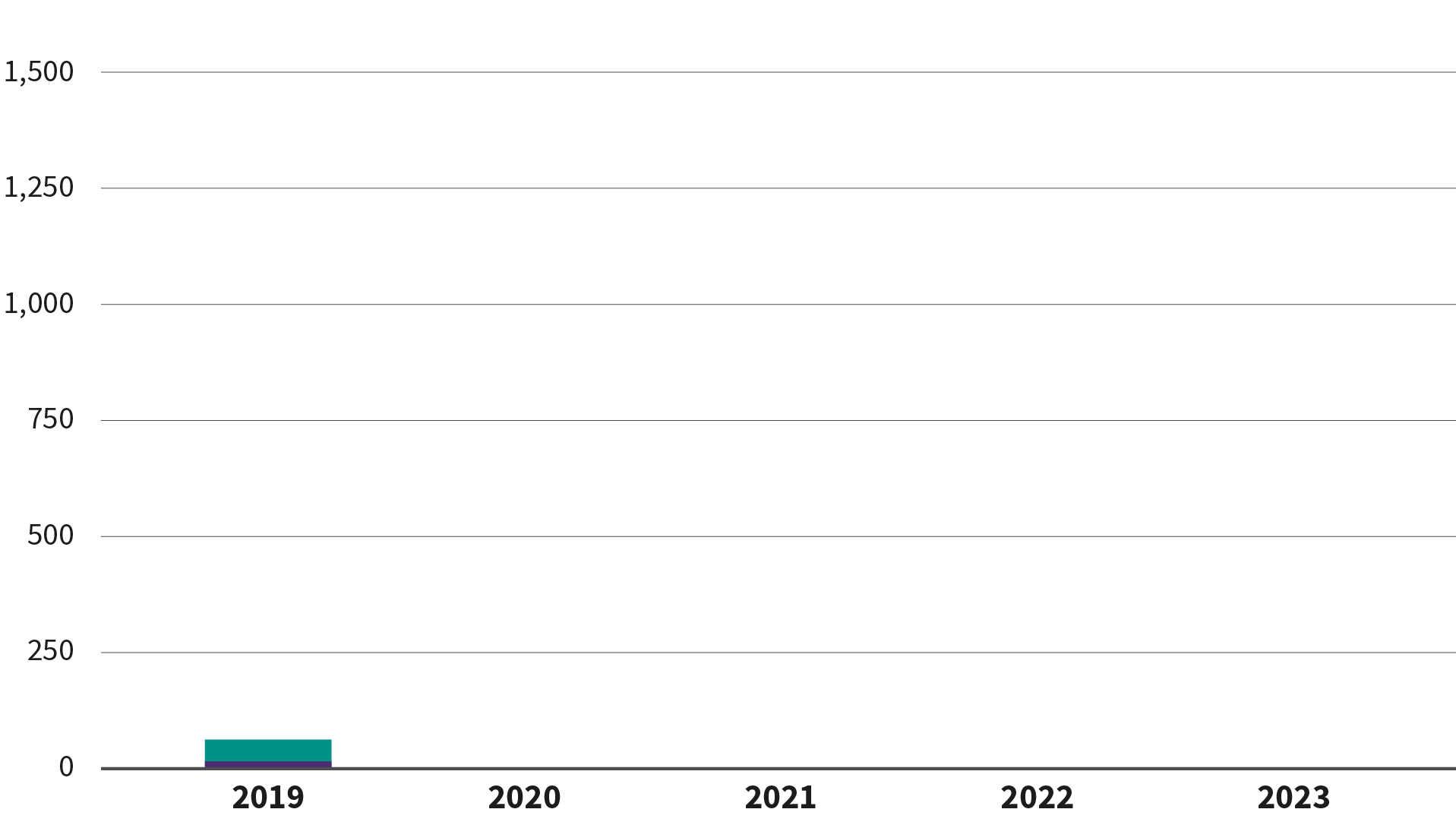
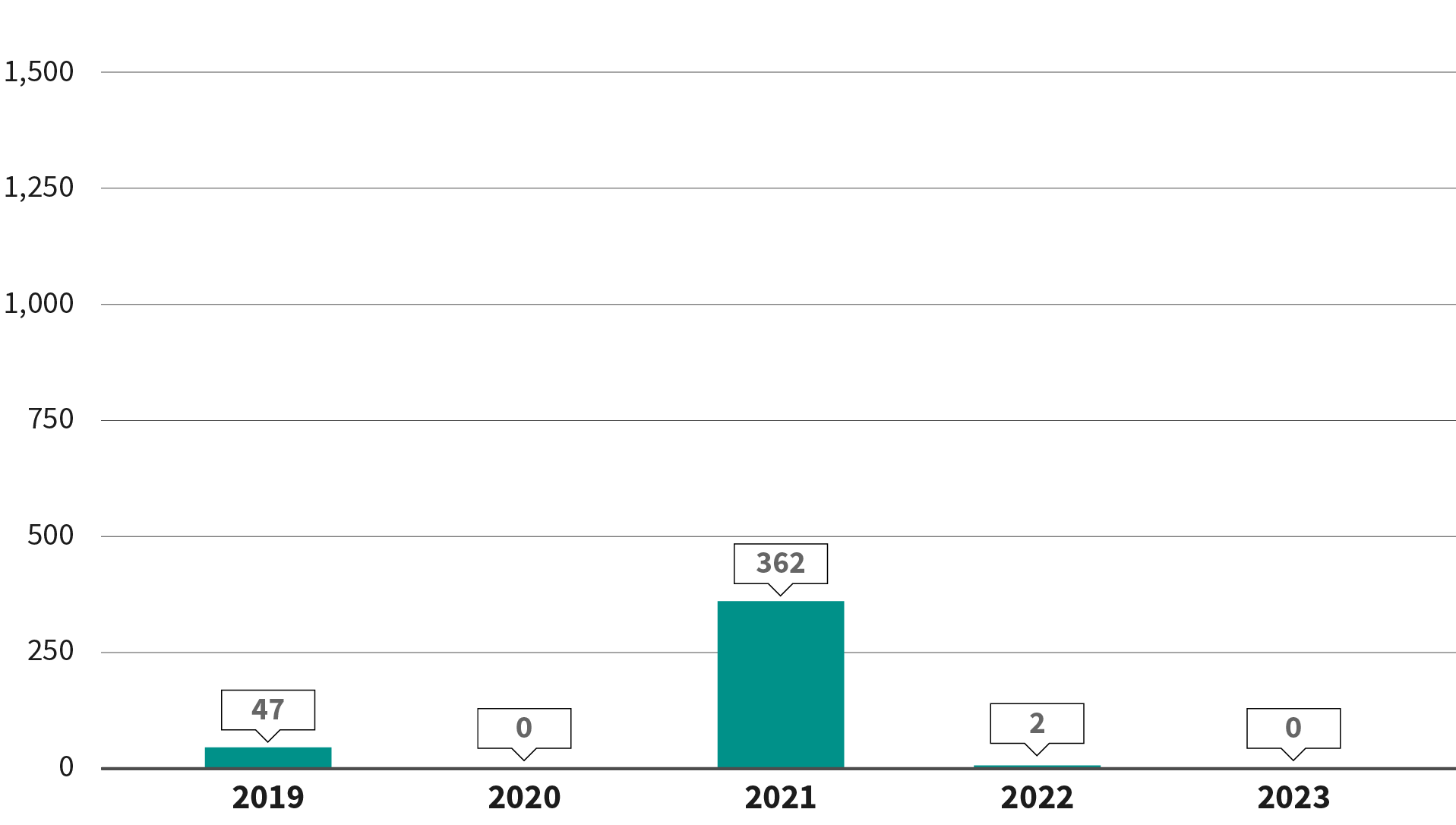
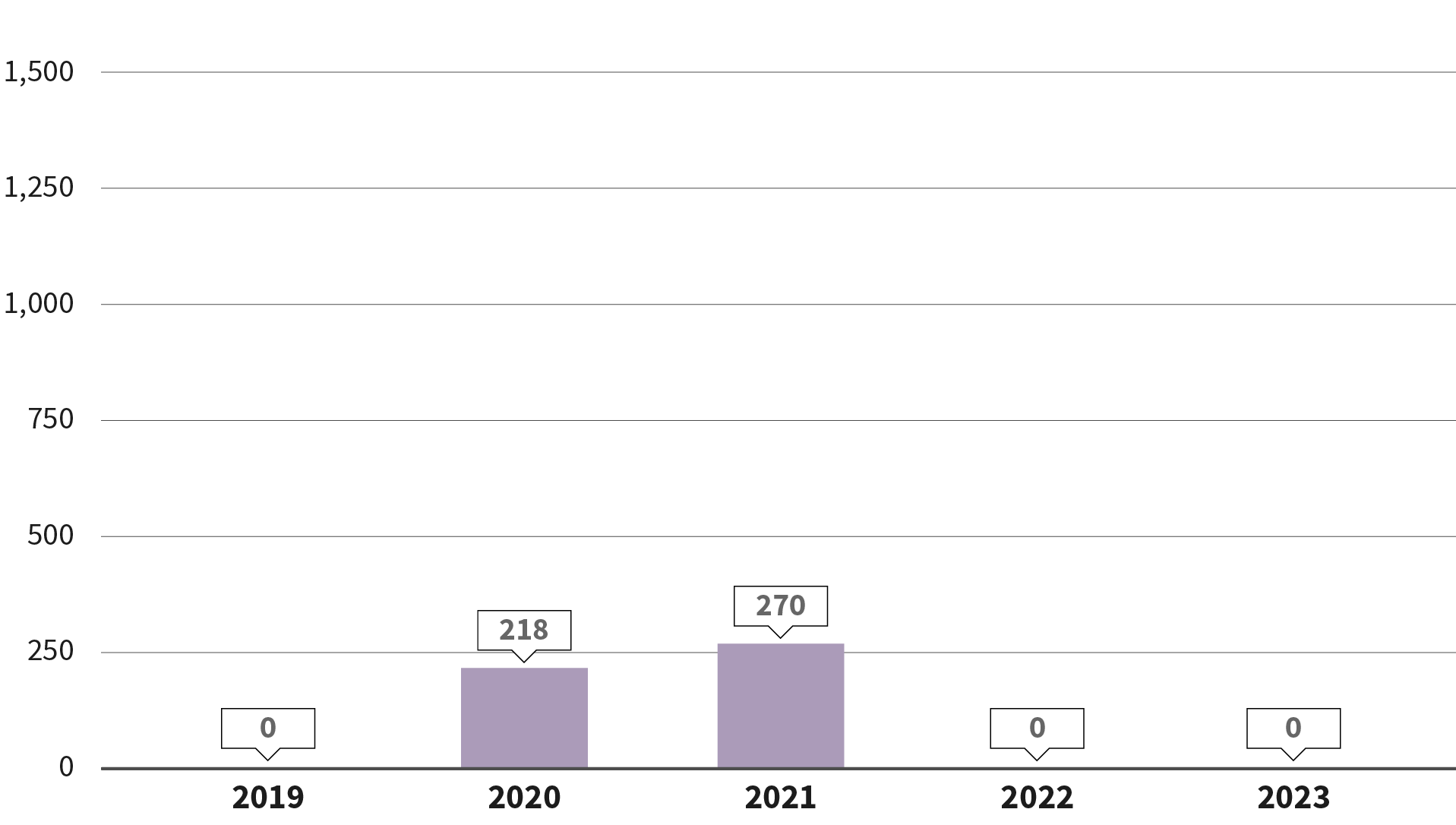
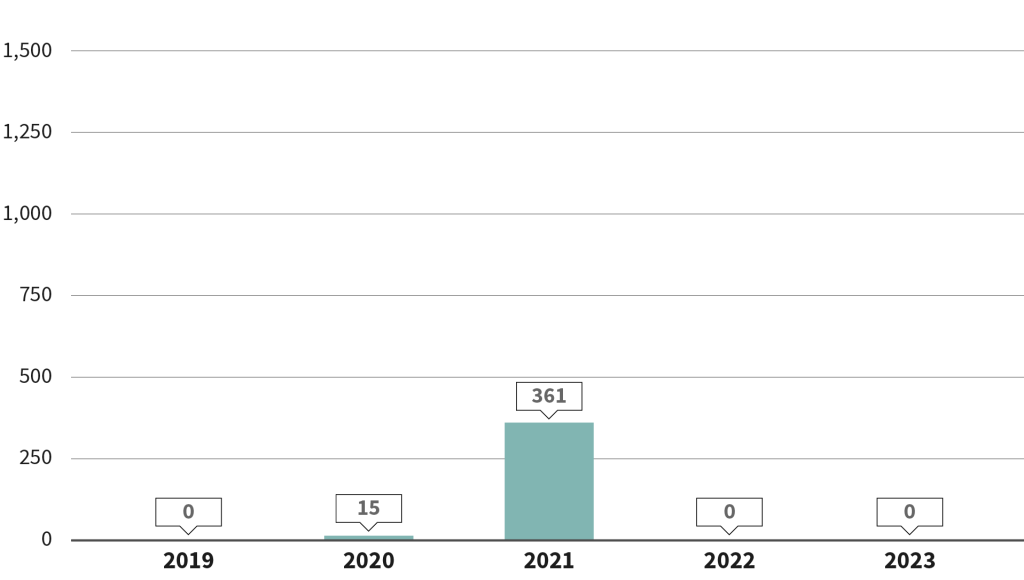
Total raised in IPO by quarter, for the past five years
IPOs in Europe, US and Asia
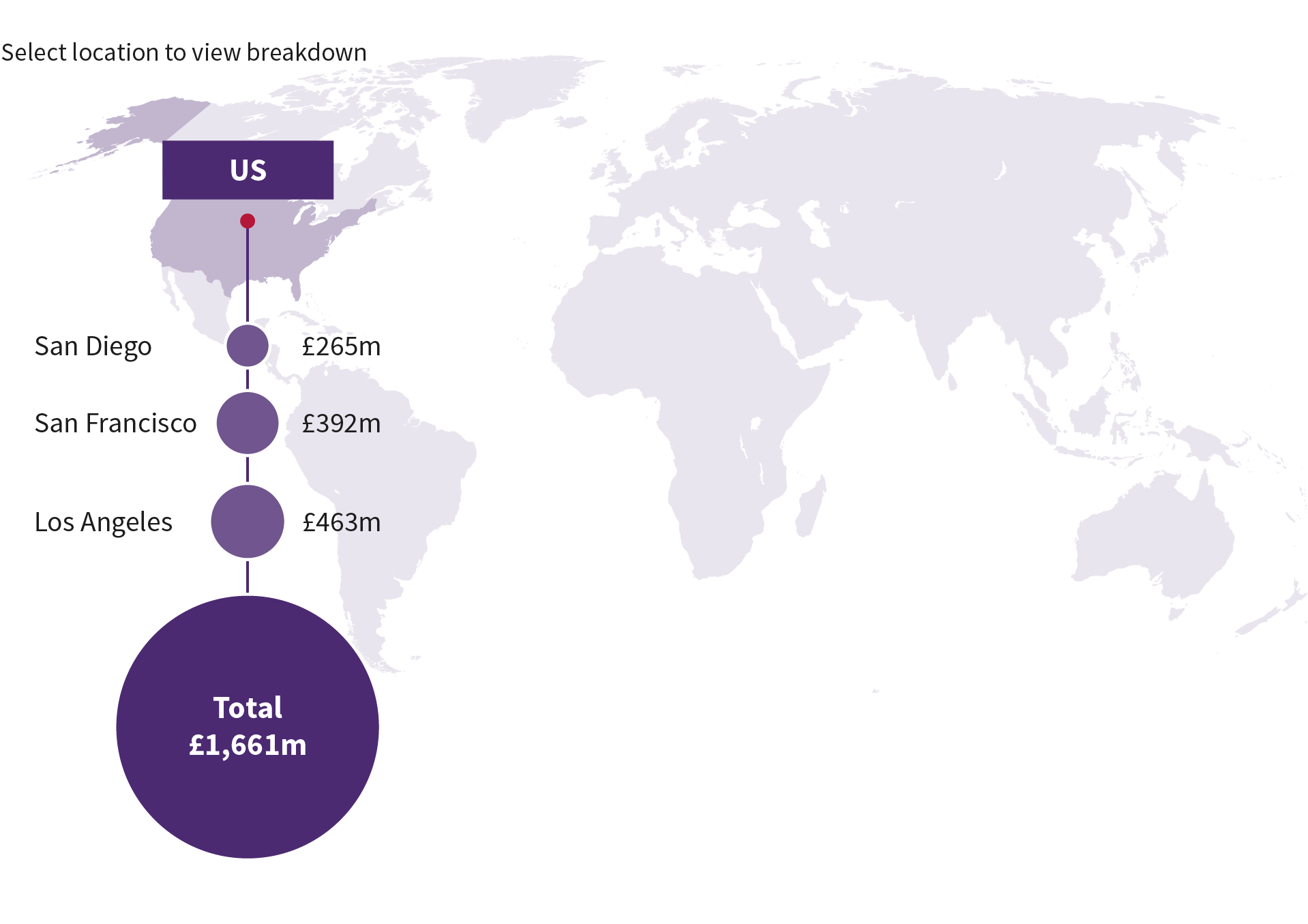
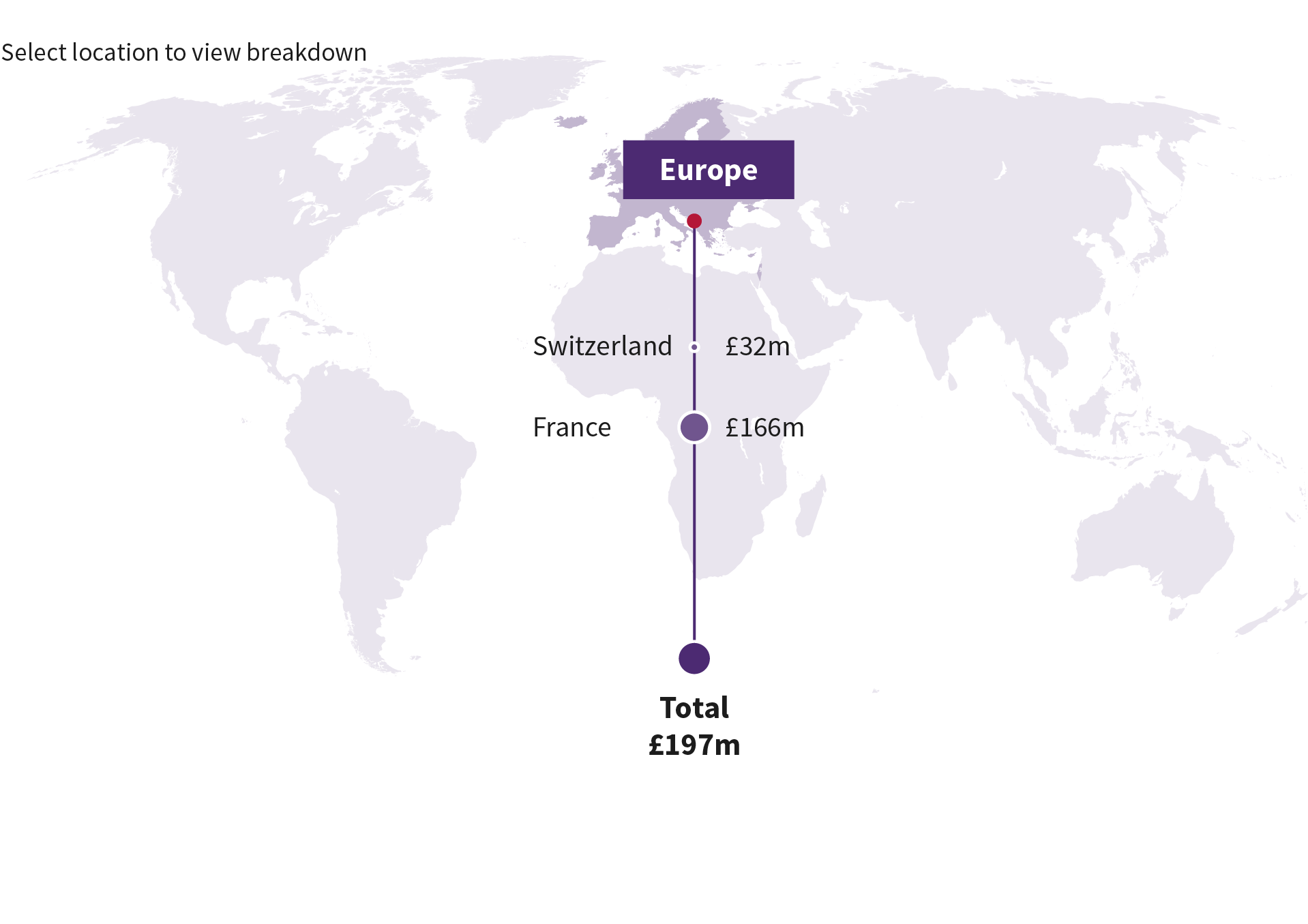
Among European companies, there were two successful listings, both on Nasdaq, signalling a slow recovery from a challenging year where only £28 million was raised in public launches. One of these listings was Abivax, a French therapeutics company with a focus on chronic inflammatory disease that closed a deal accounting for the majority of the funds raised.
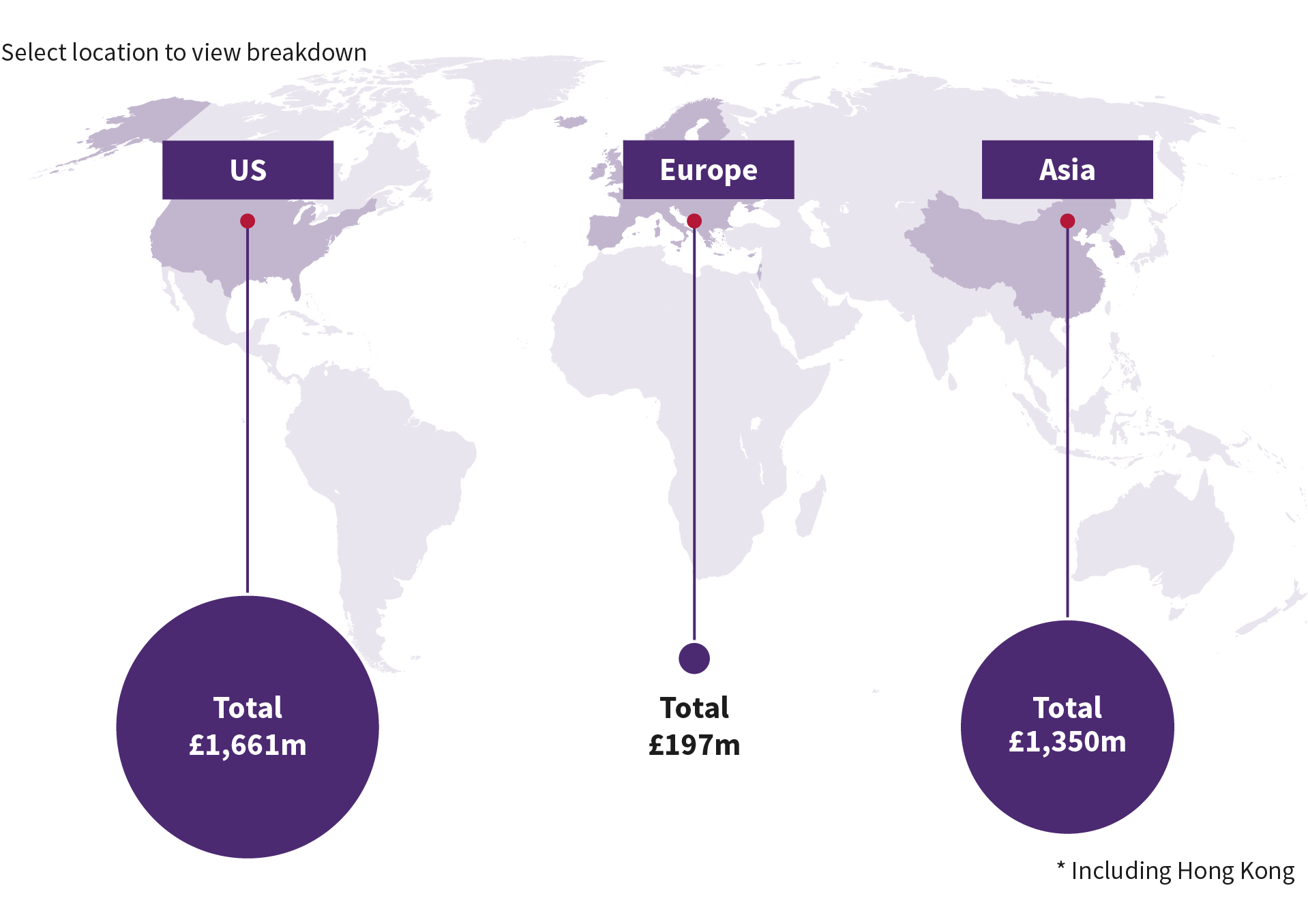
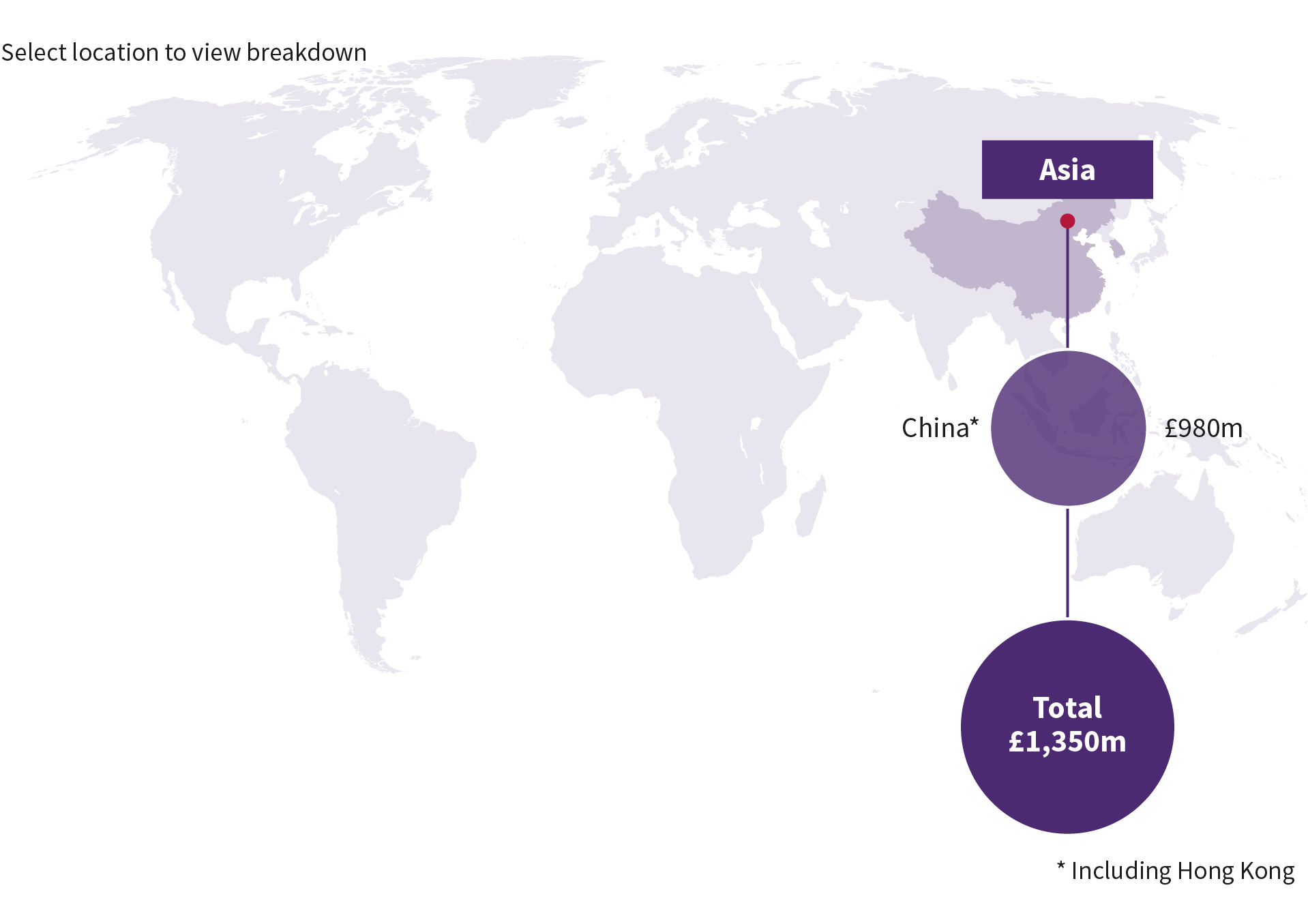
Acelriyn, a US-based late-stage clinical therapeutics company led IPOs, netting £463 million in an upsized offering. Genrix Biopharmaceutical, a Chinese biotech came a close second netting £391 million in its public offering, however, the average deal size secured by Chinese companies was much lower at £68 million.
Biotech IPO financing by global region
Follow-on financing
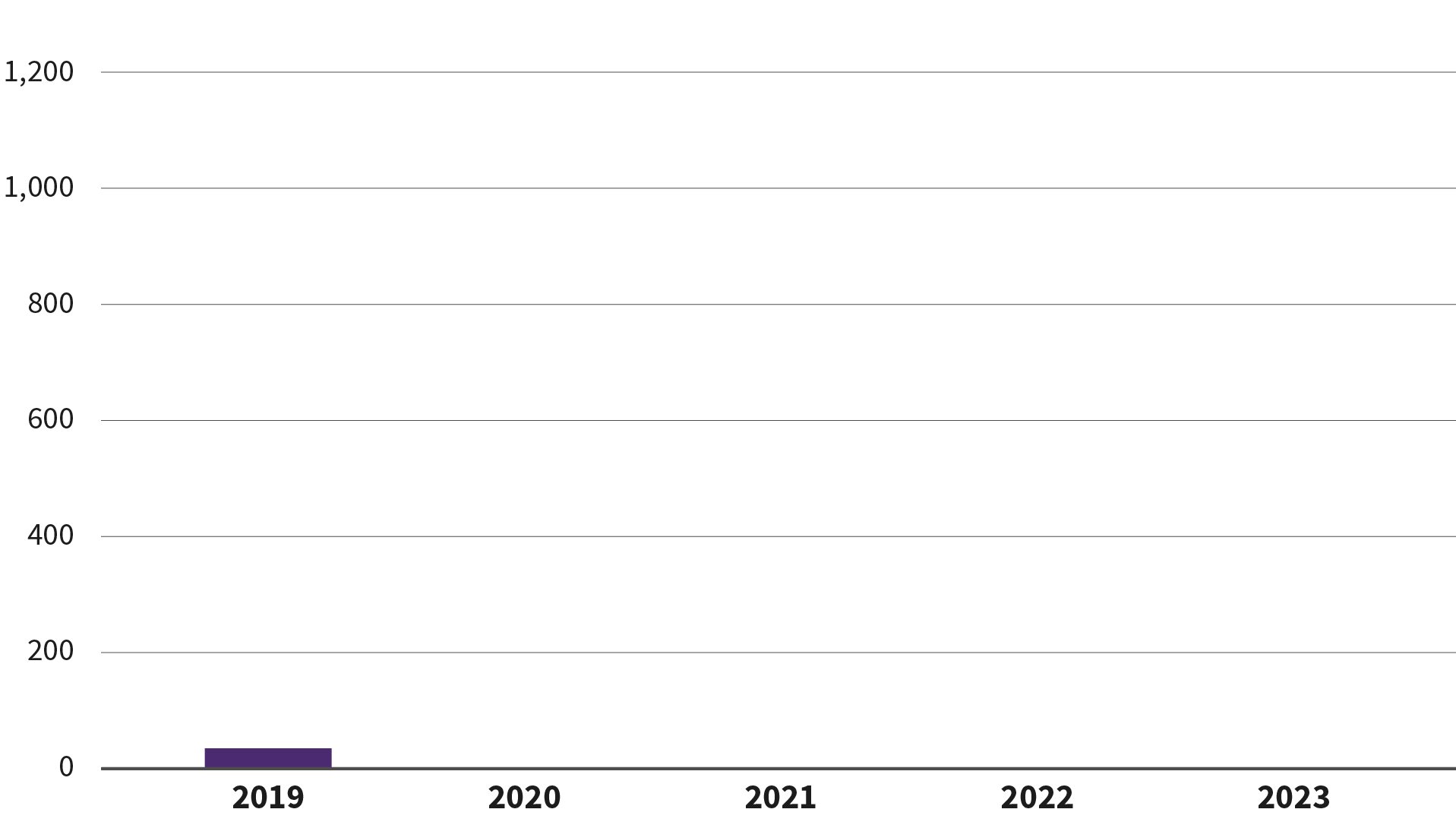
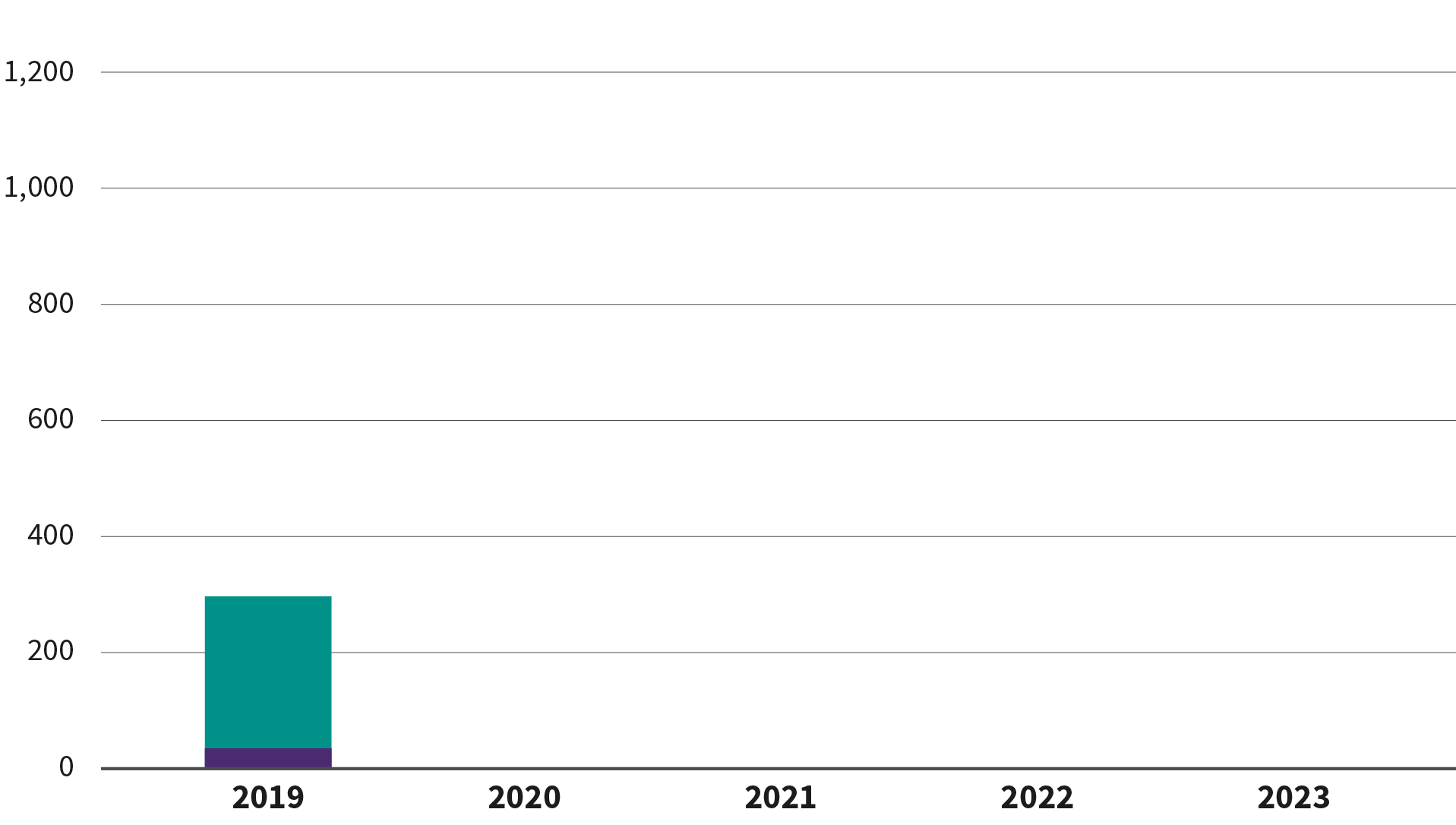
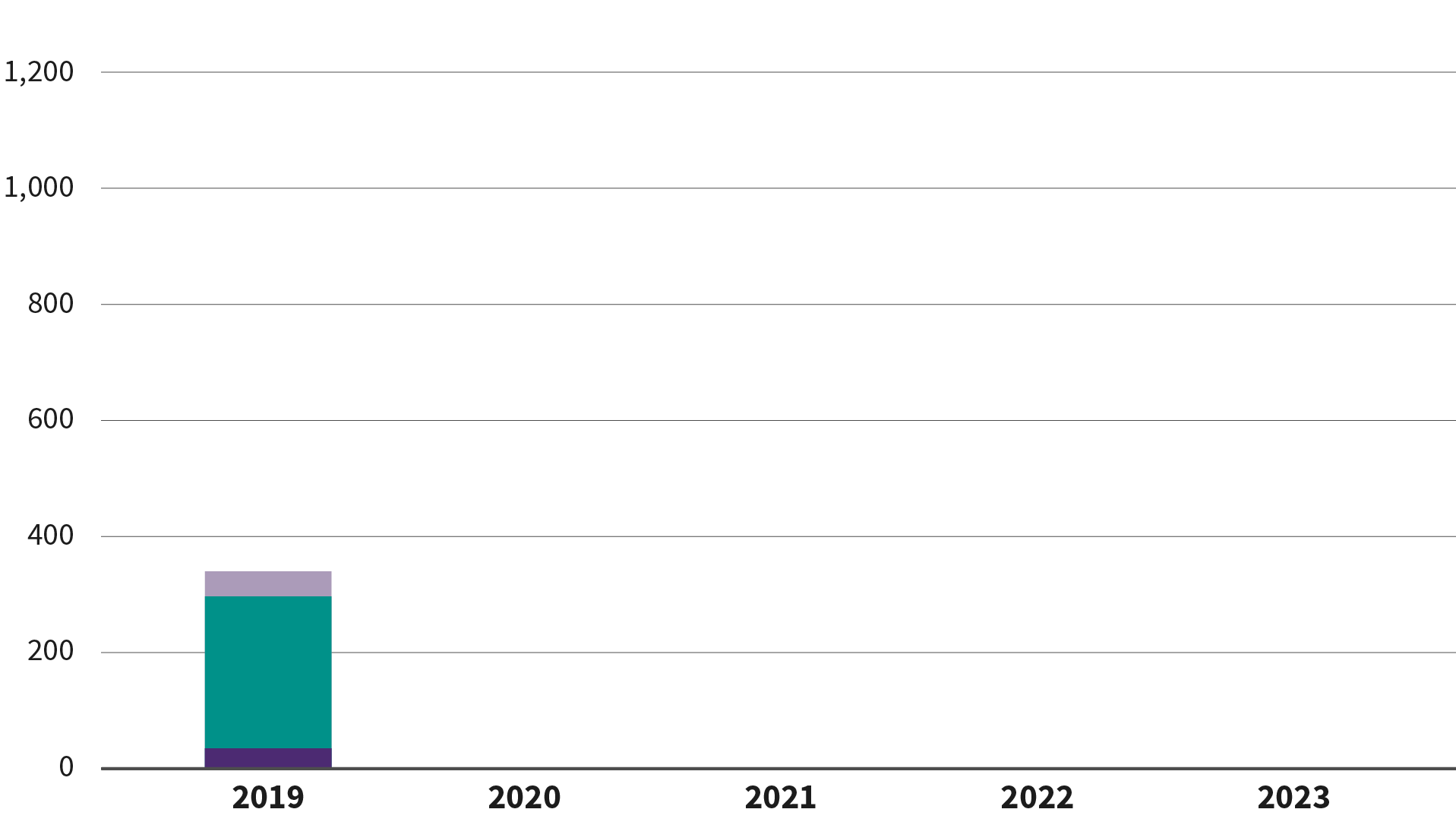
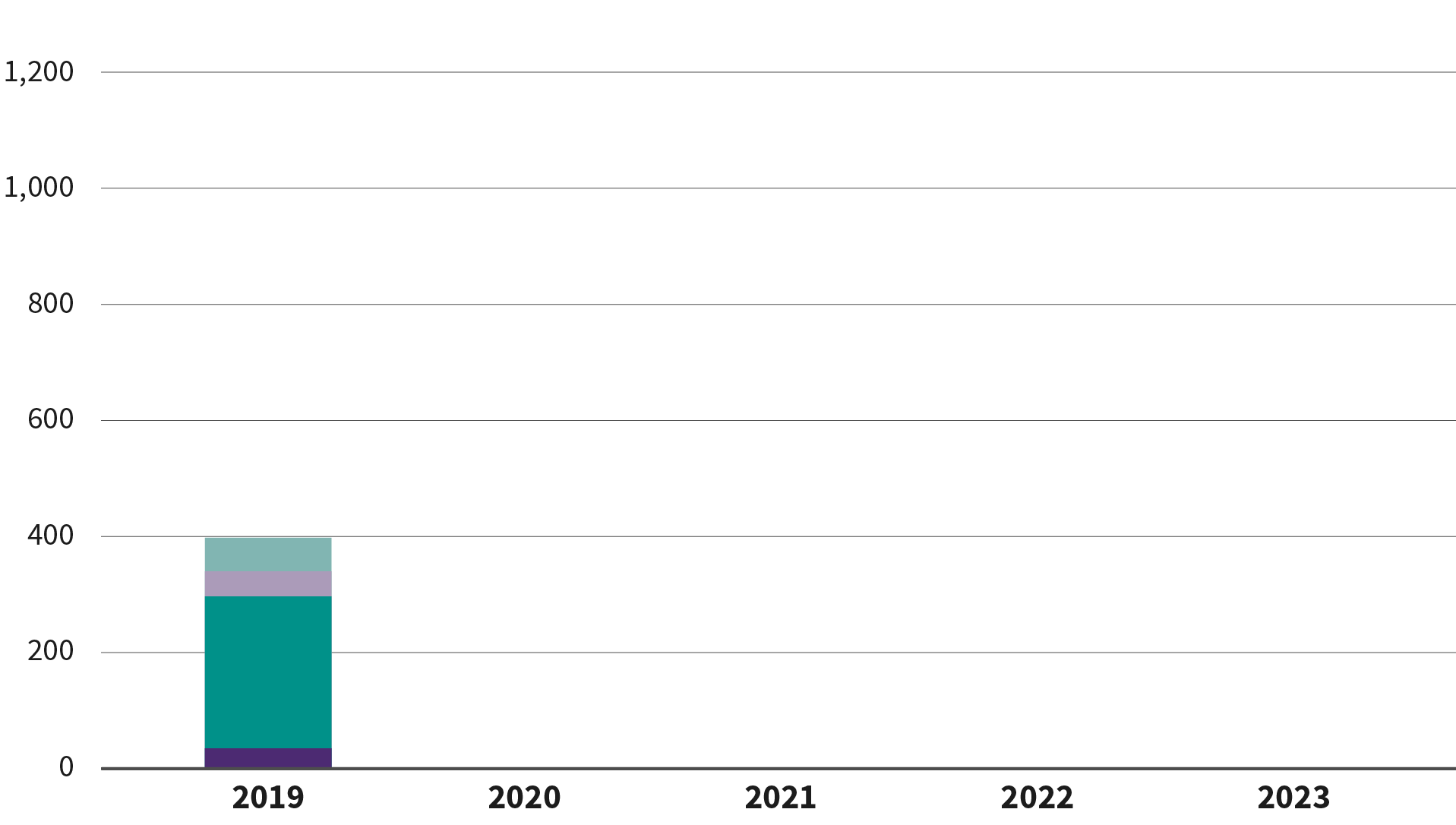
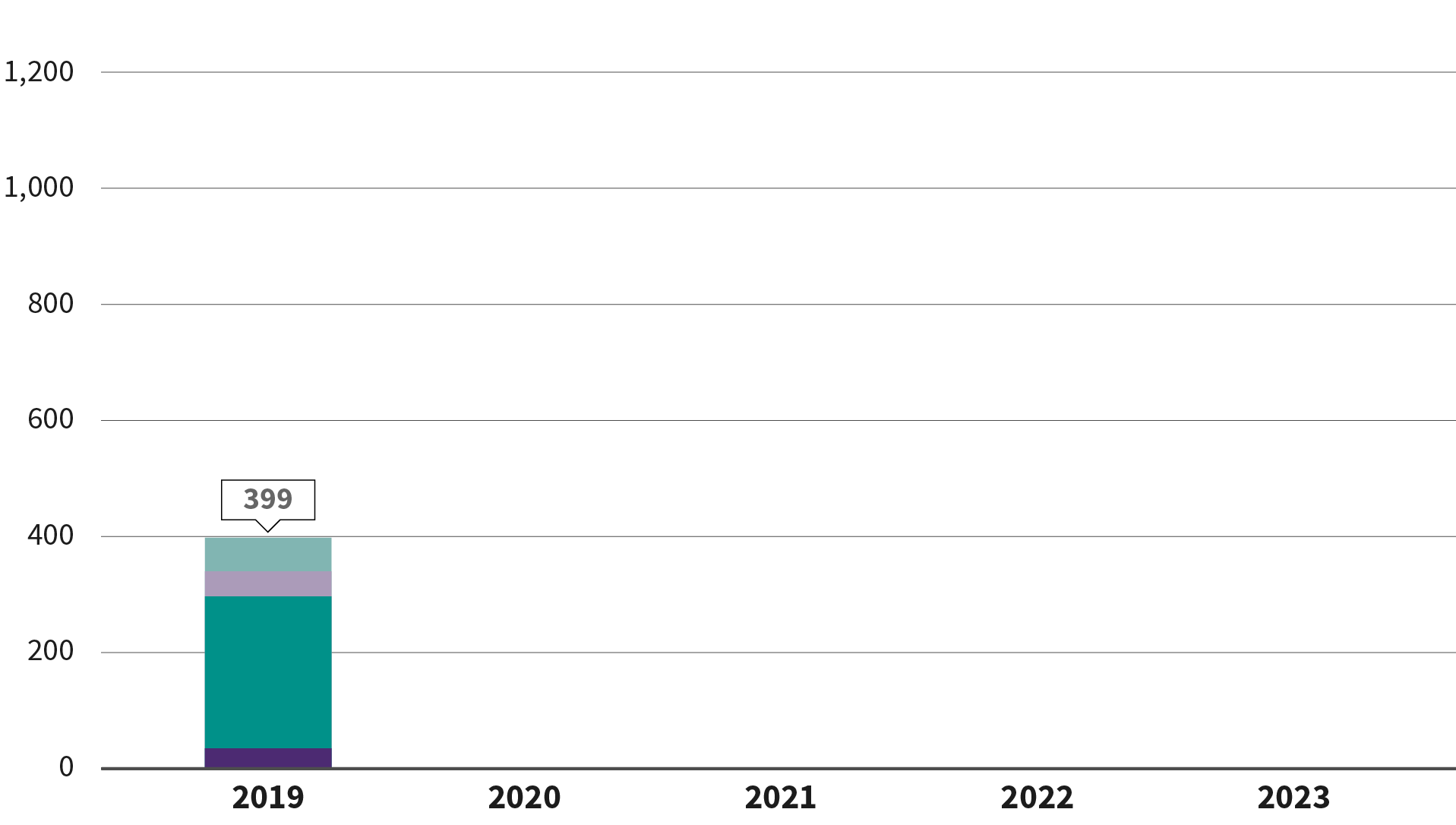
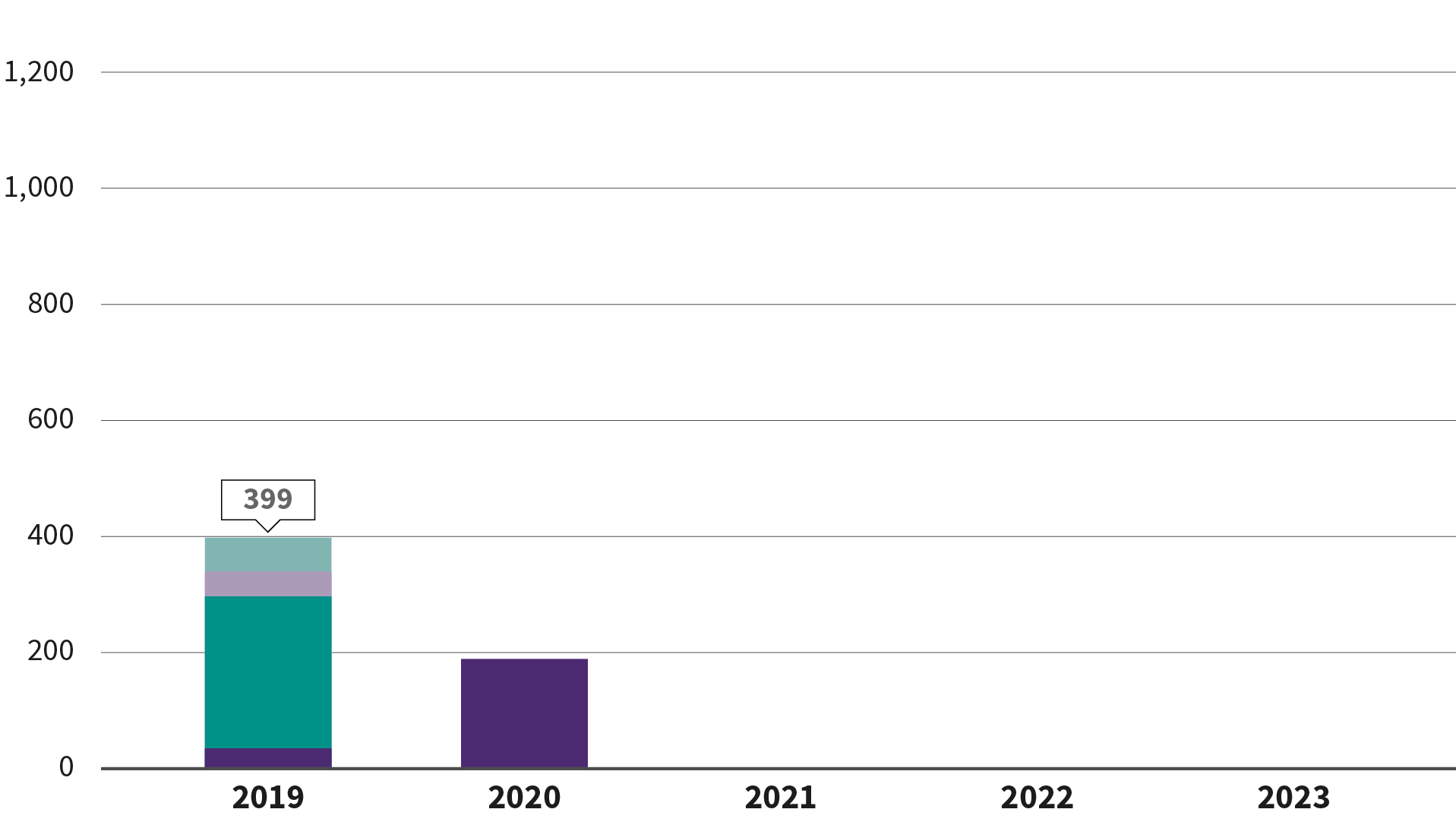
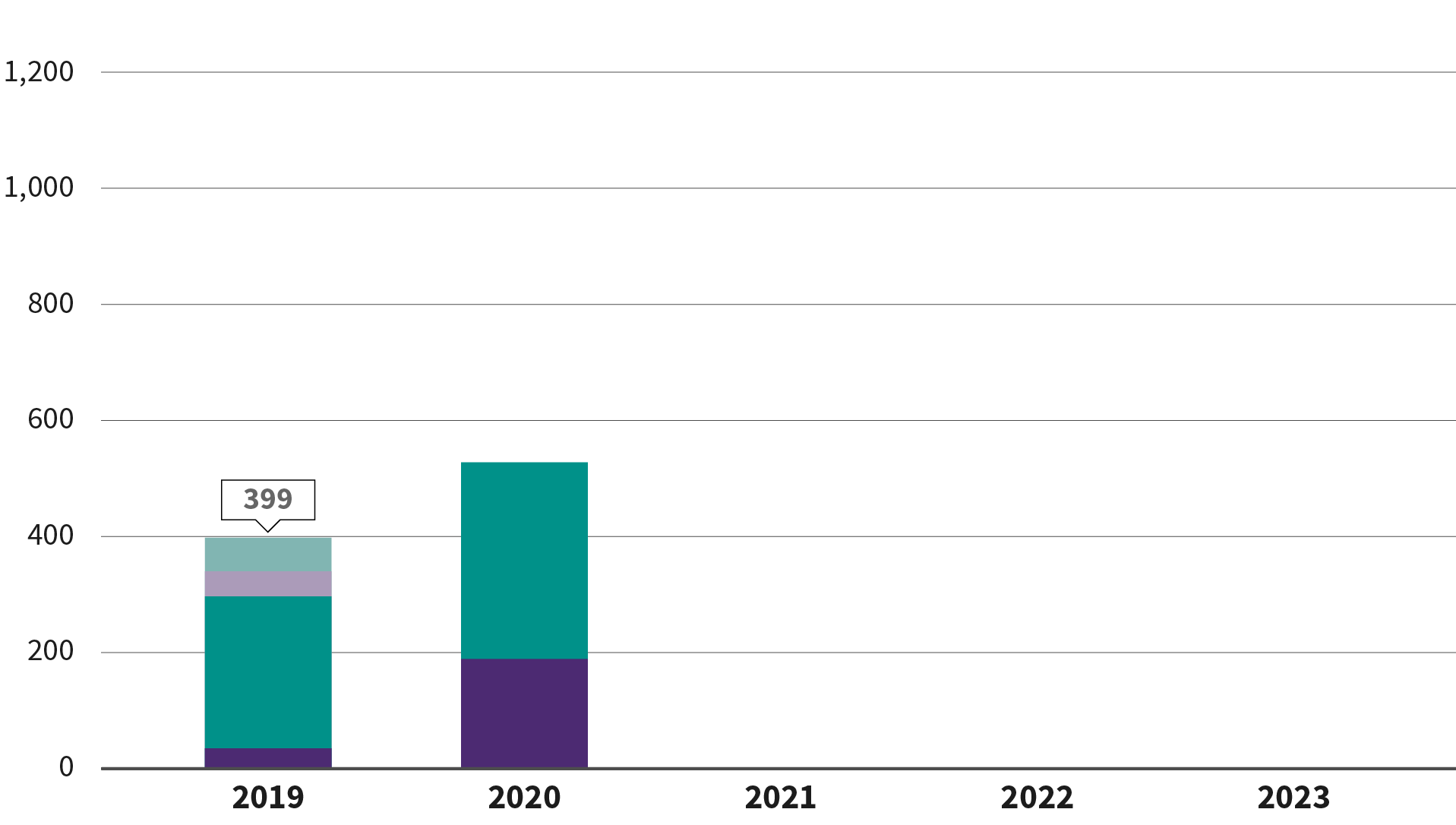
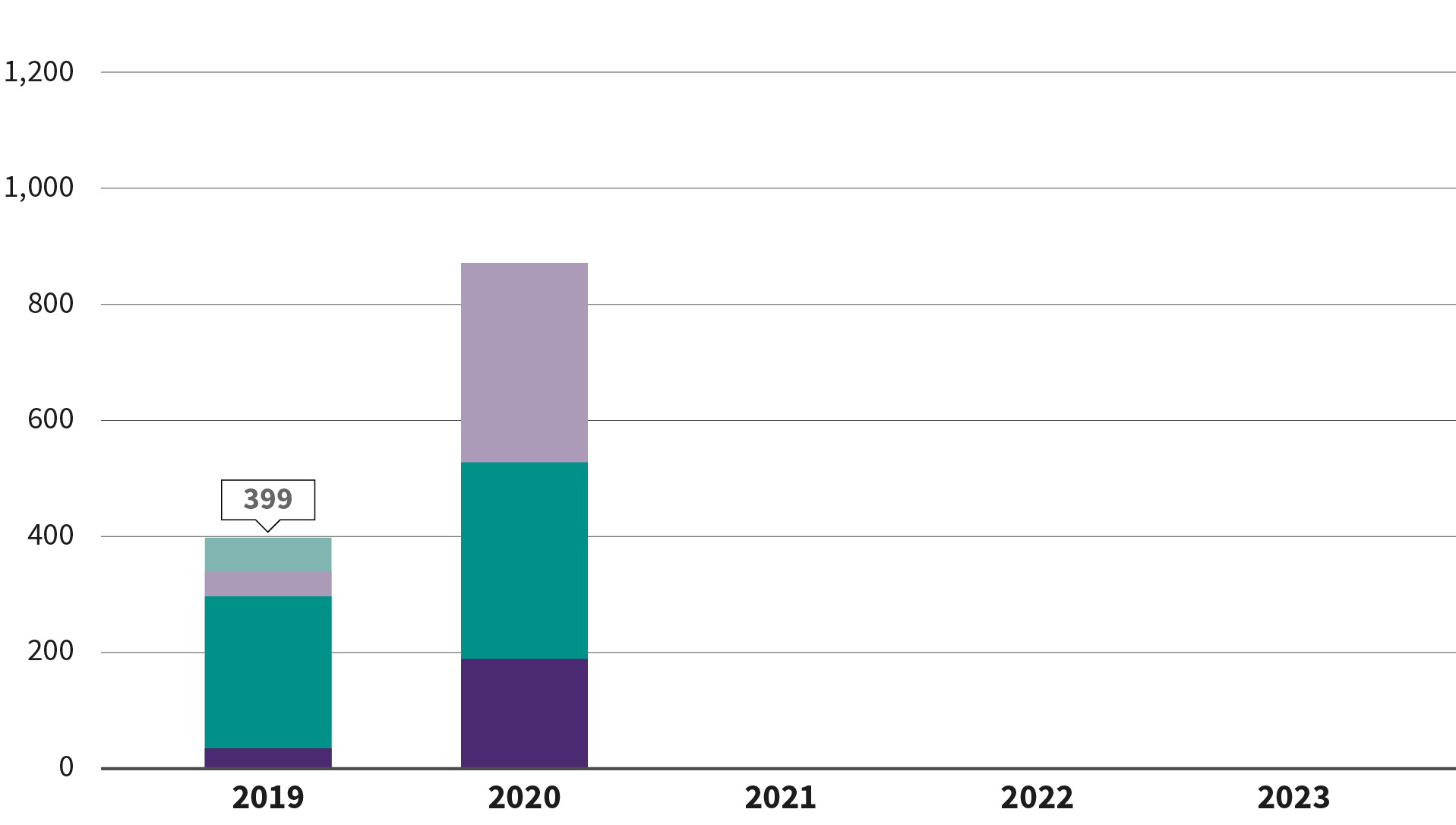
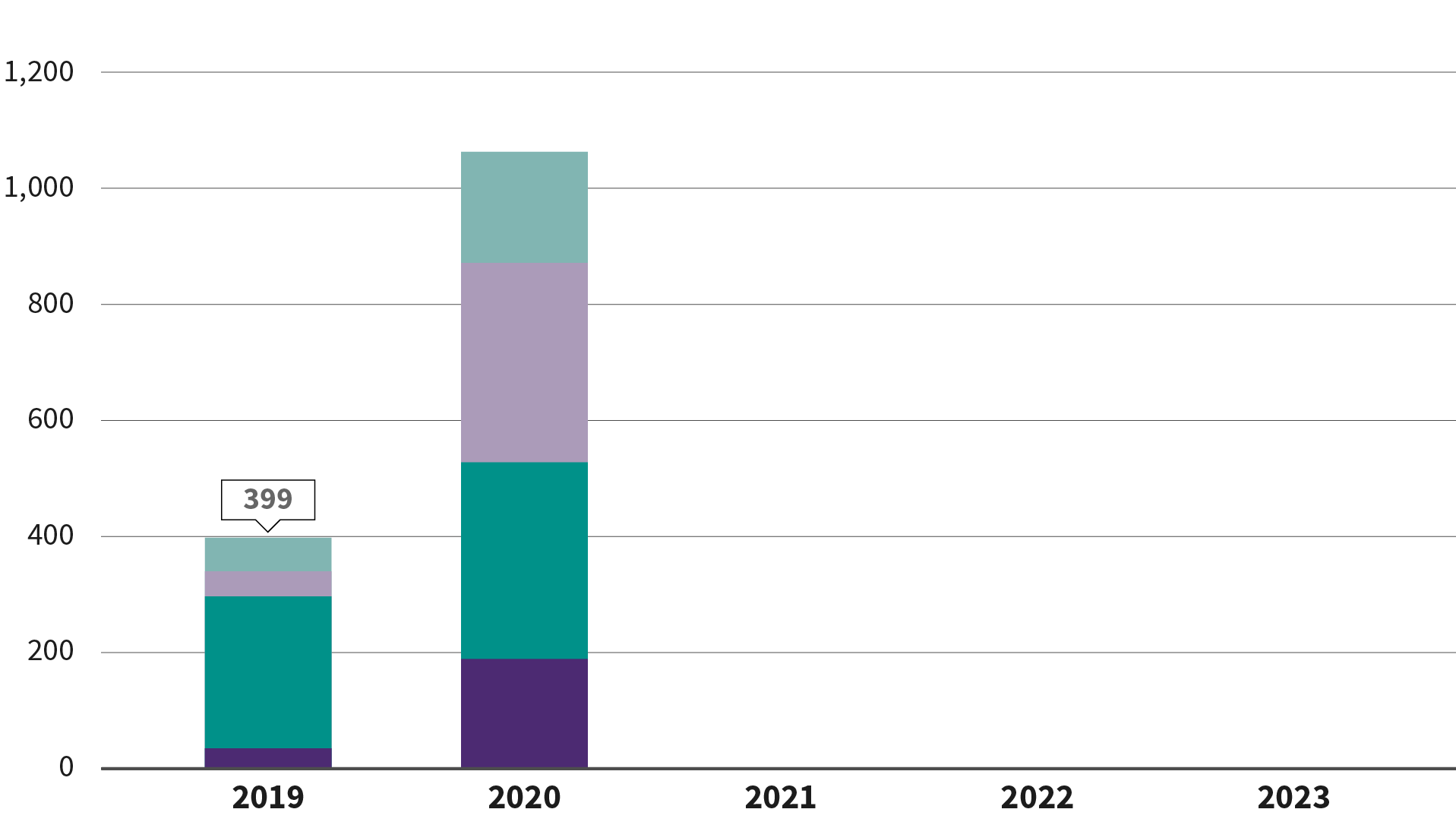
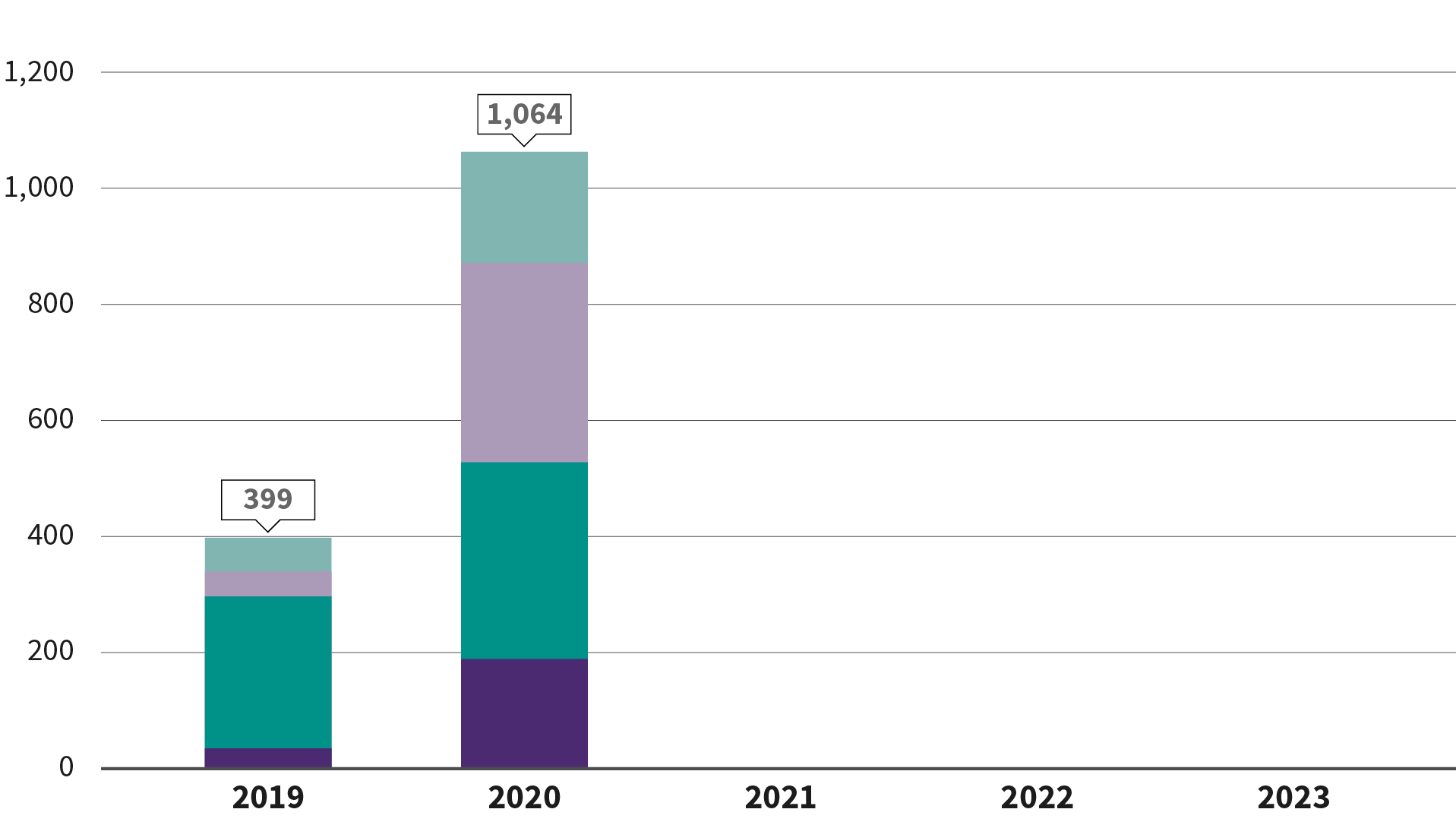
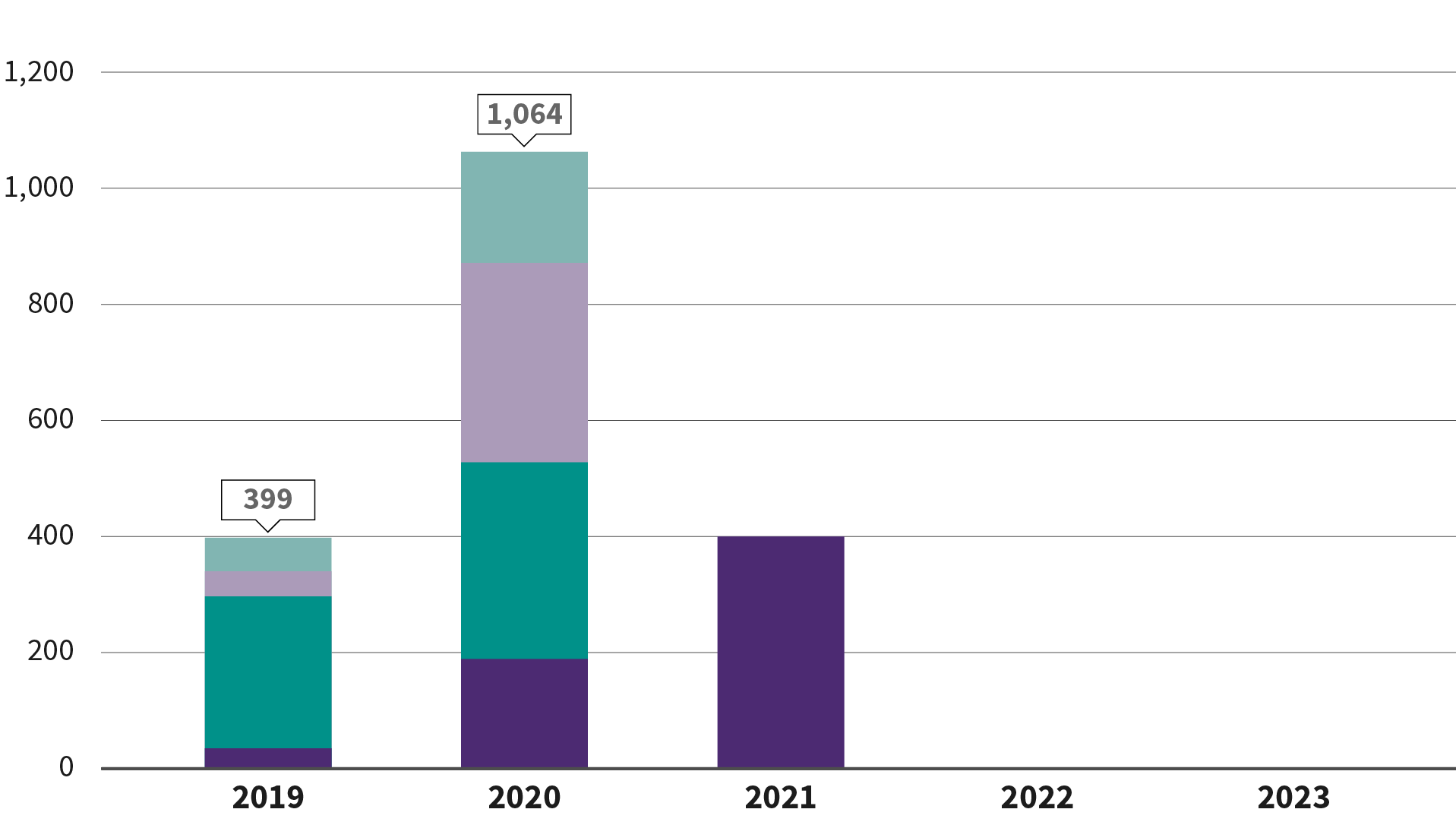
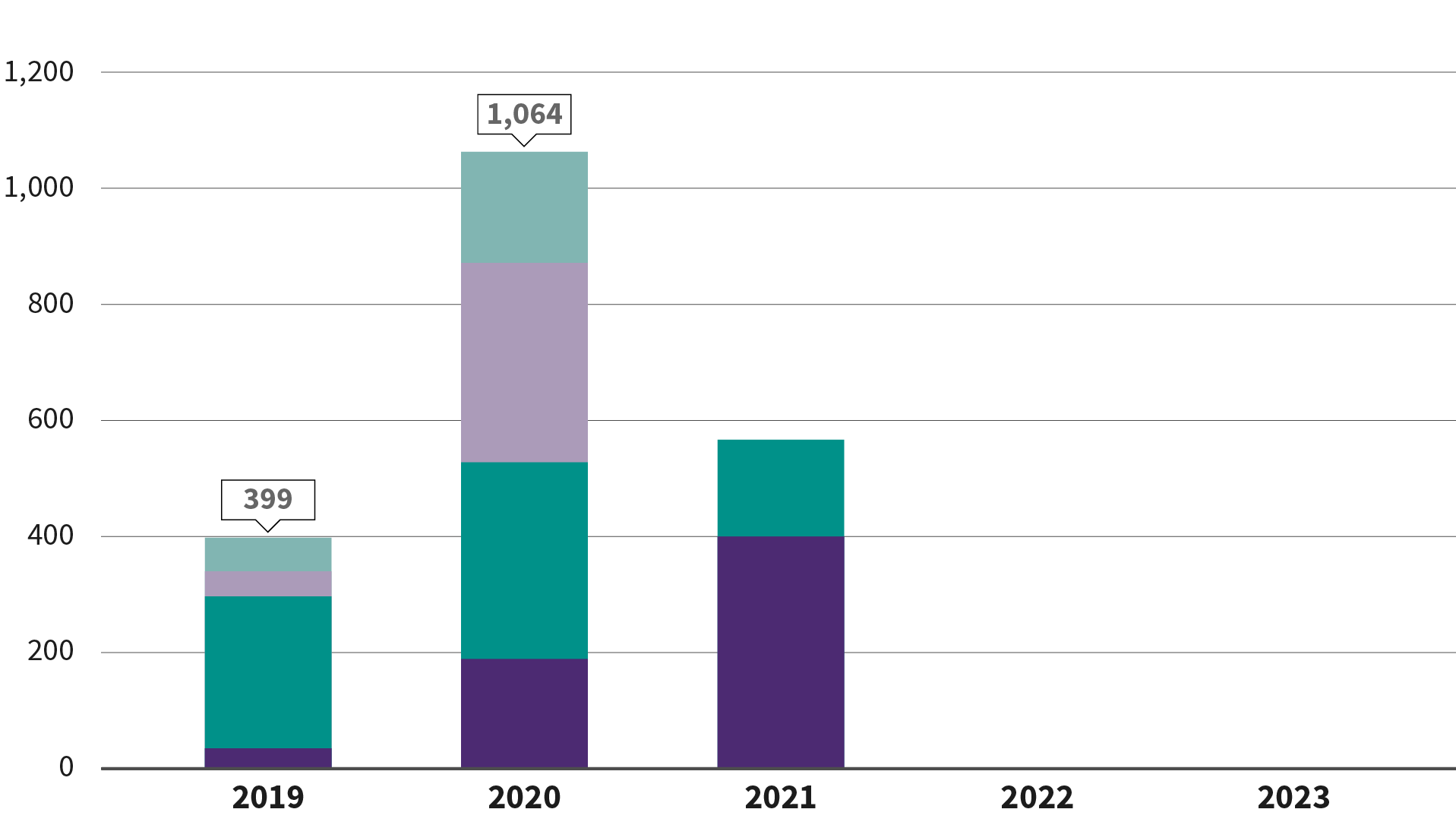
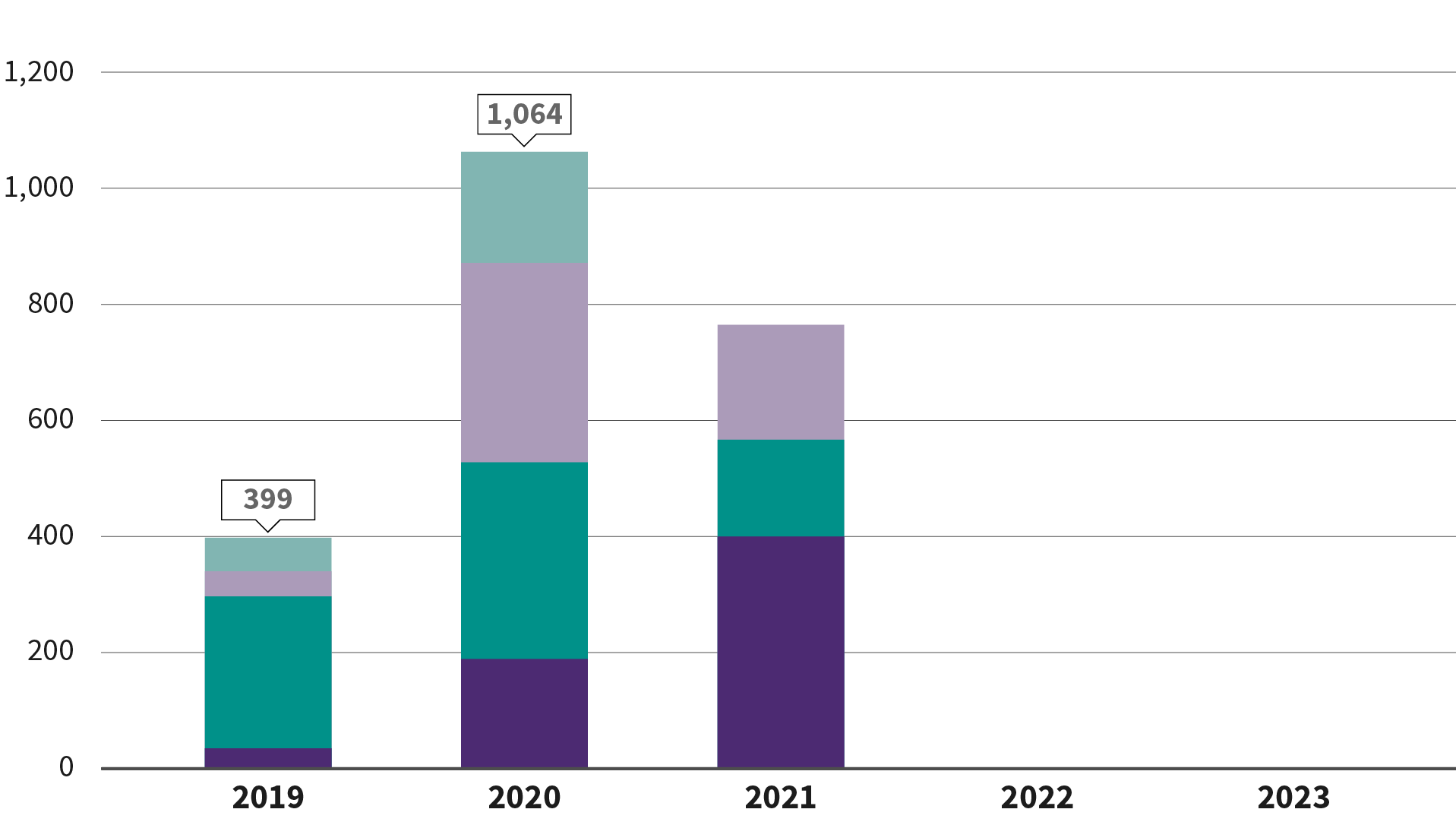
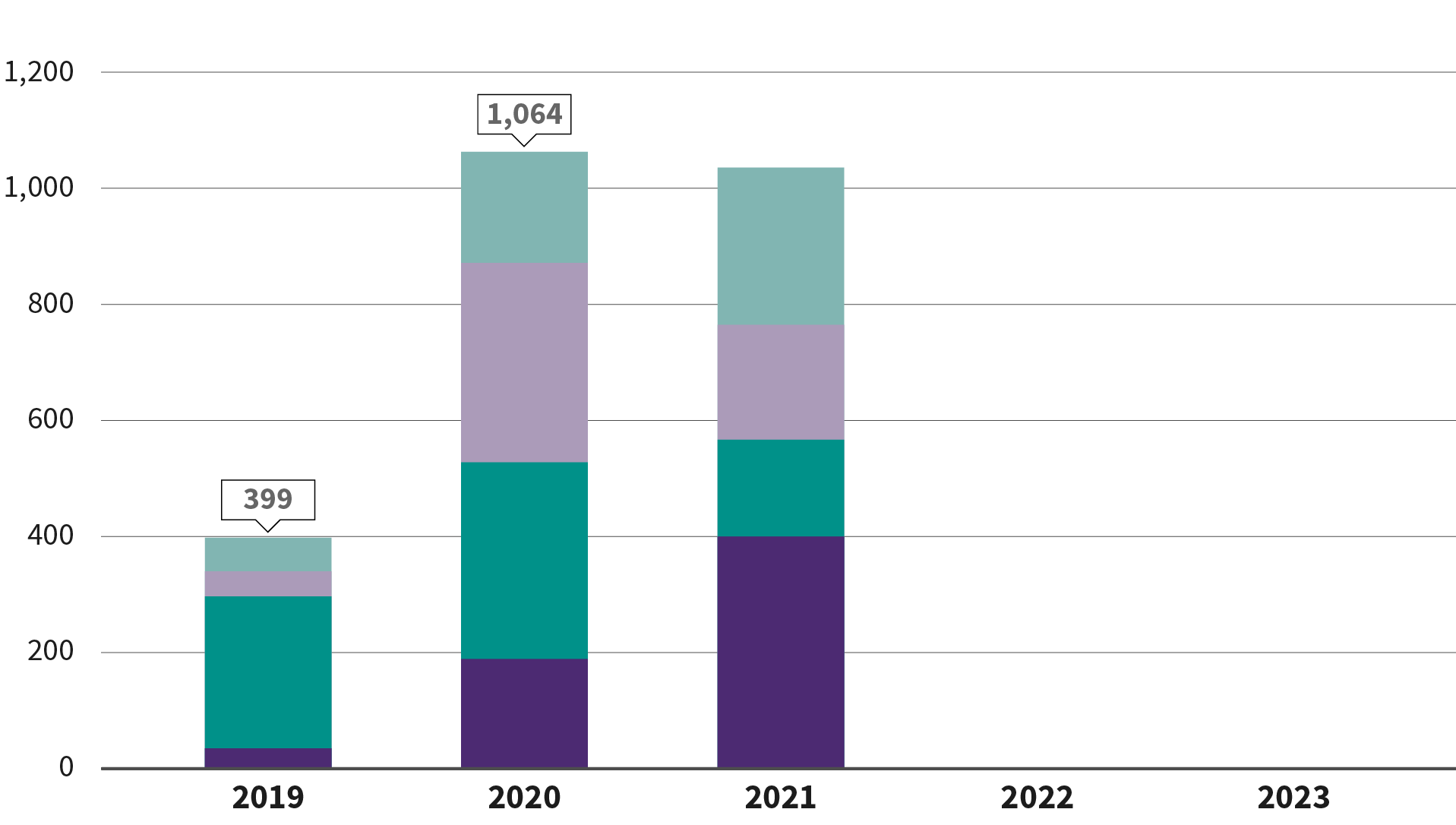
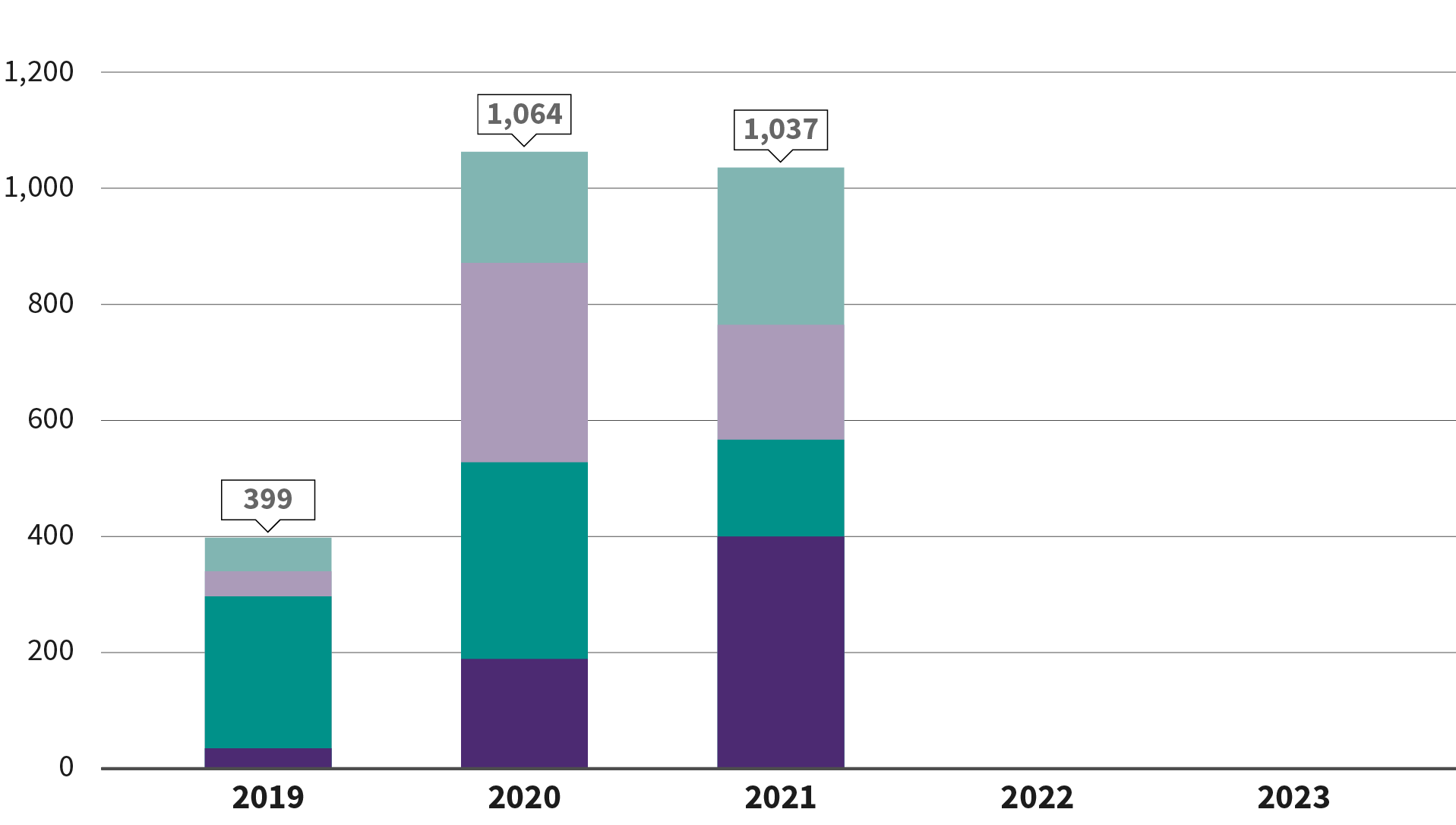
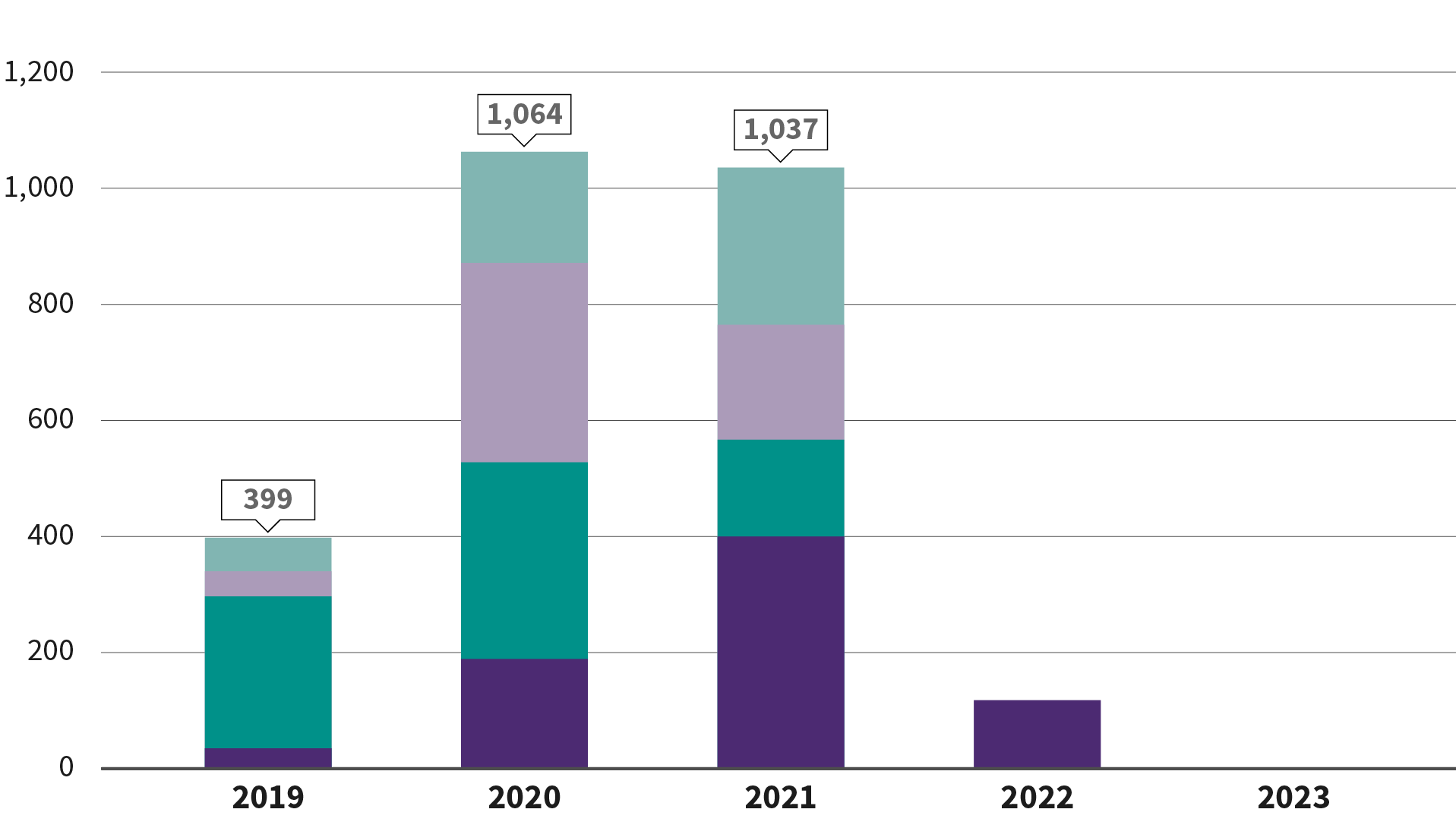
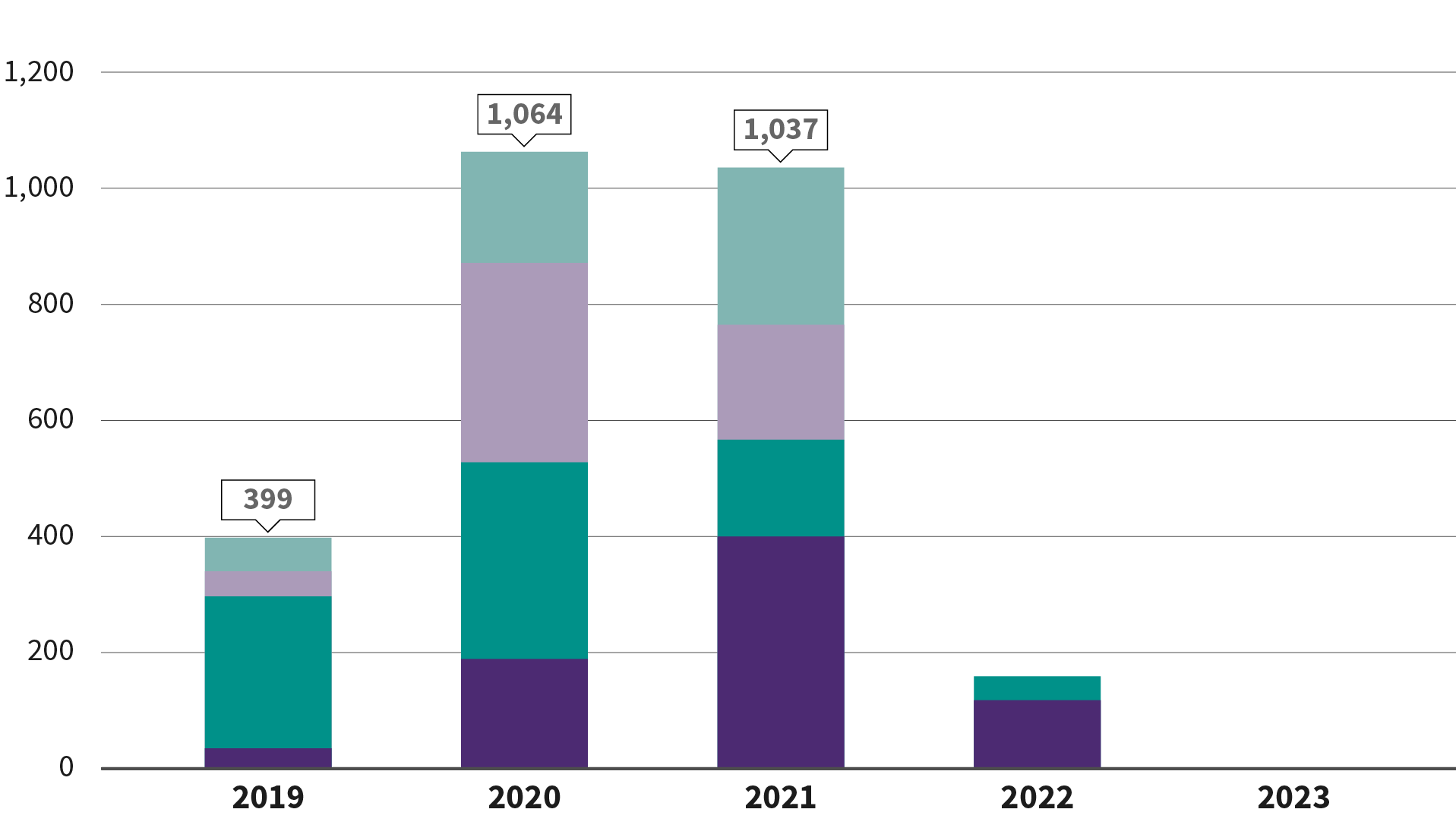
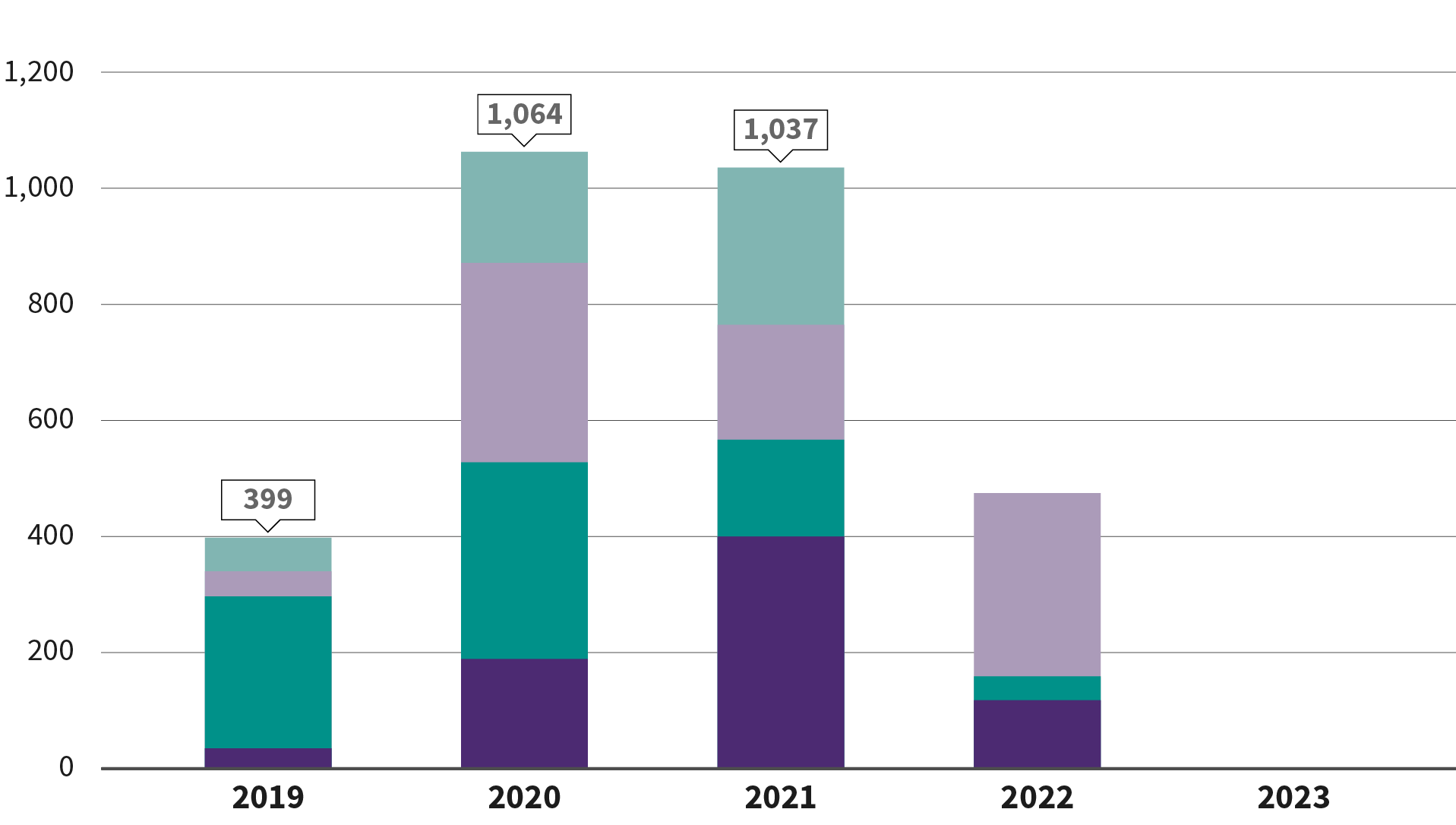
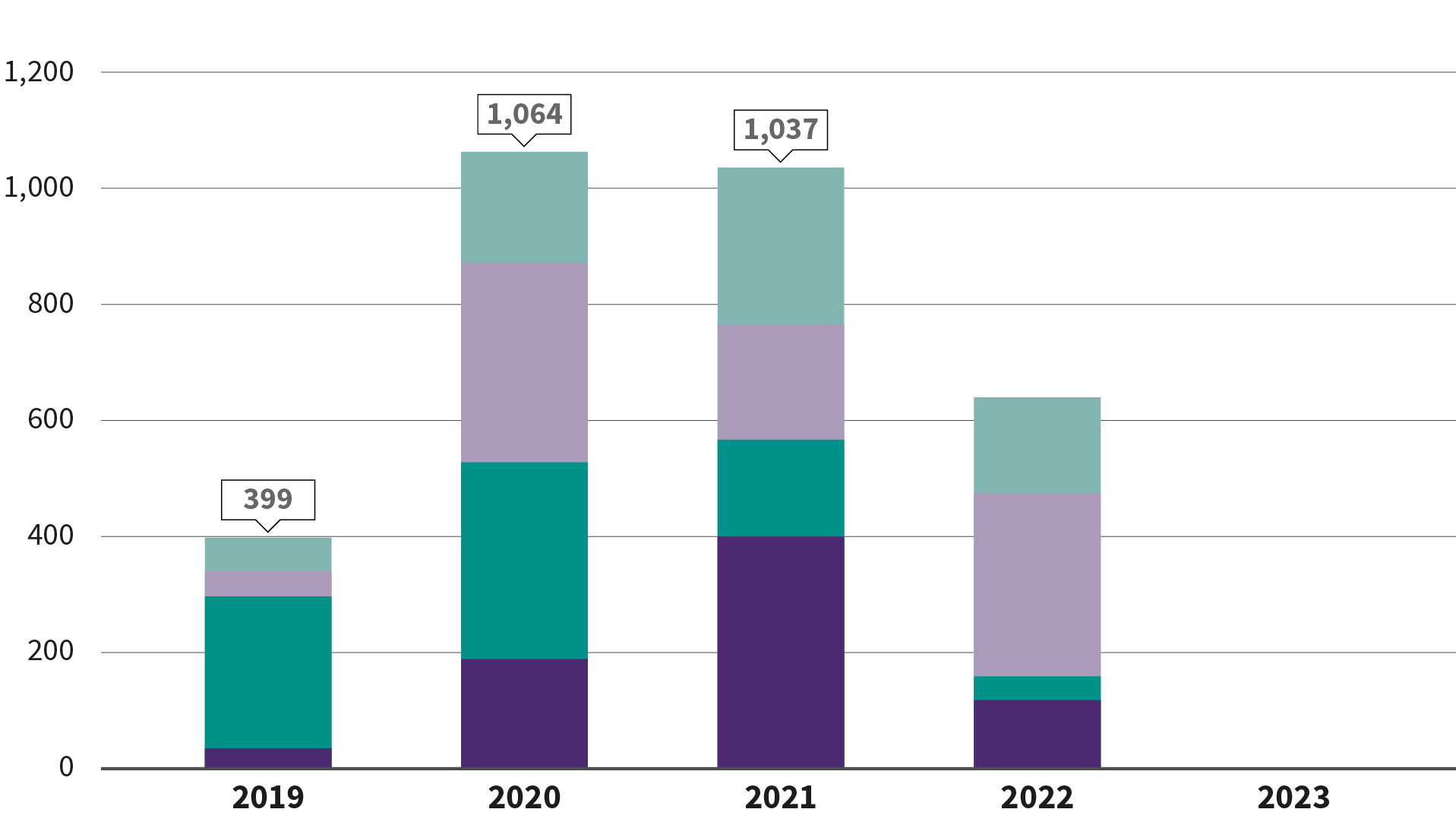
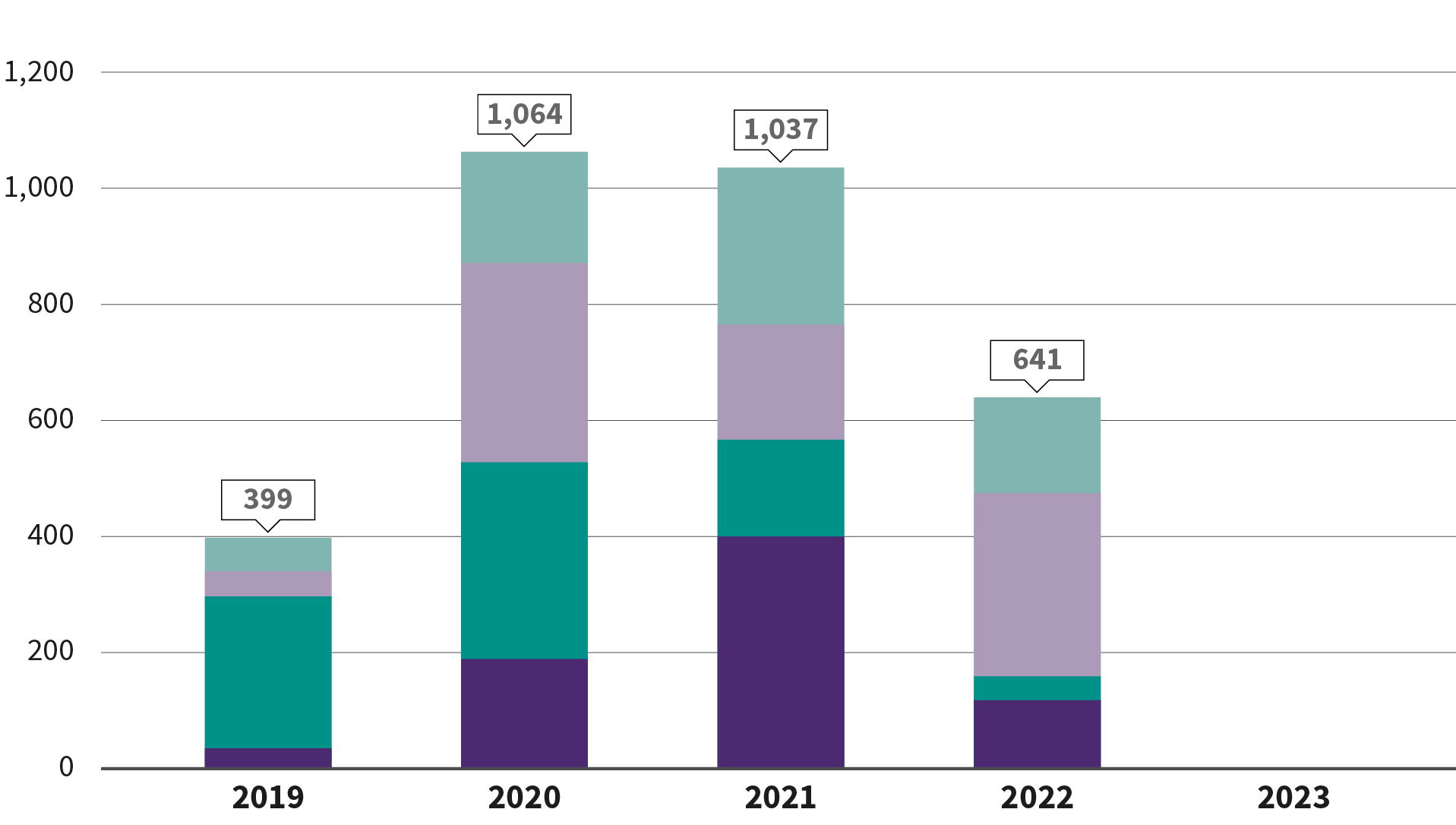
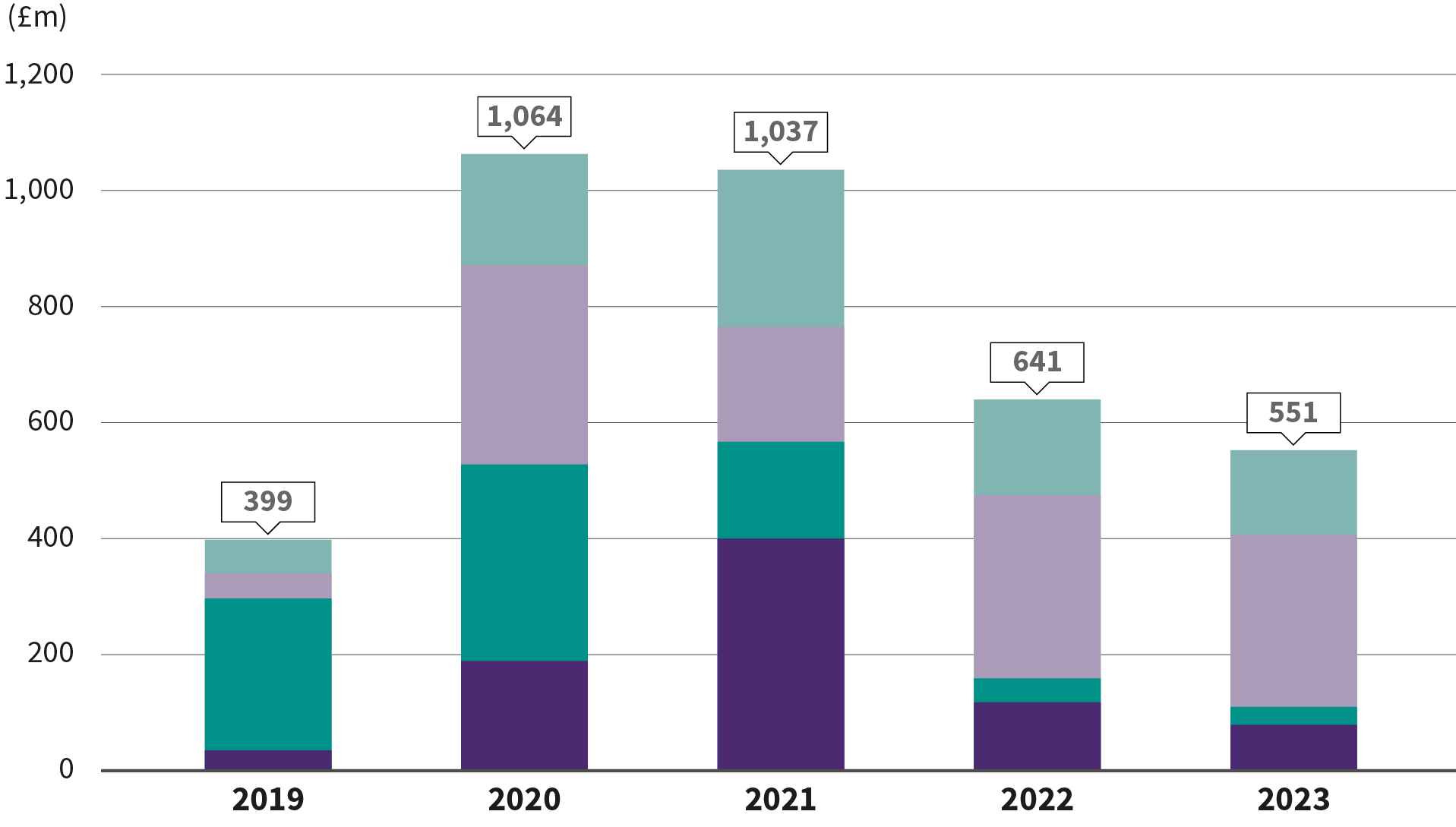
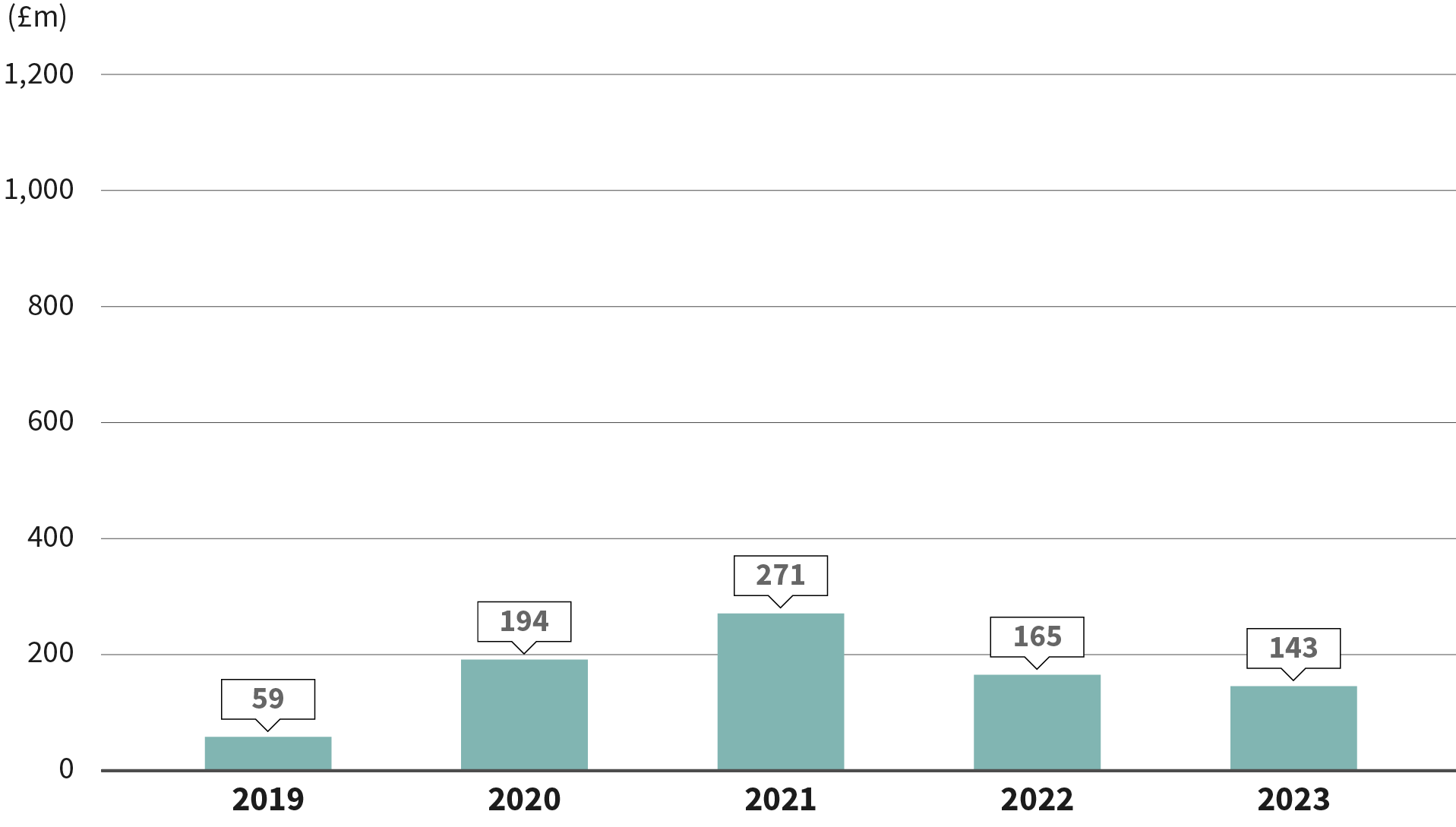
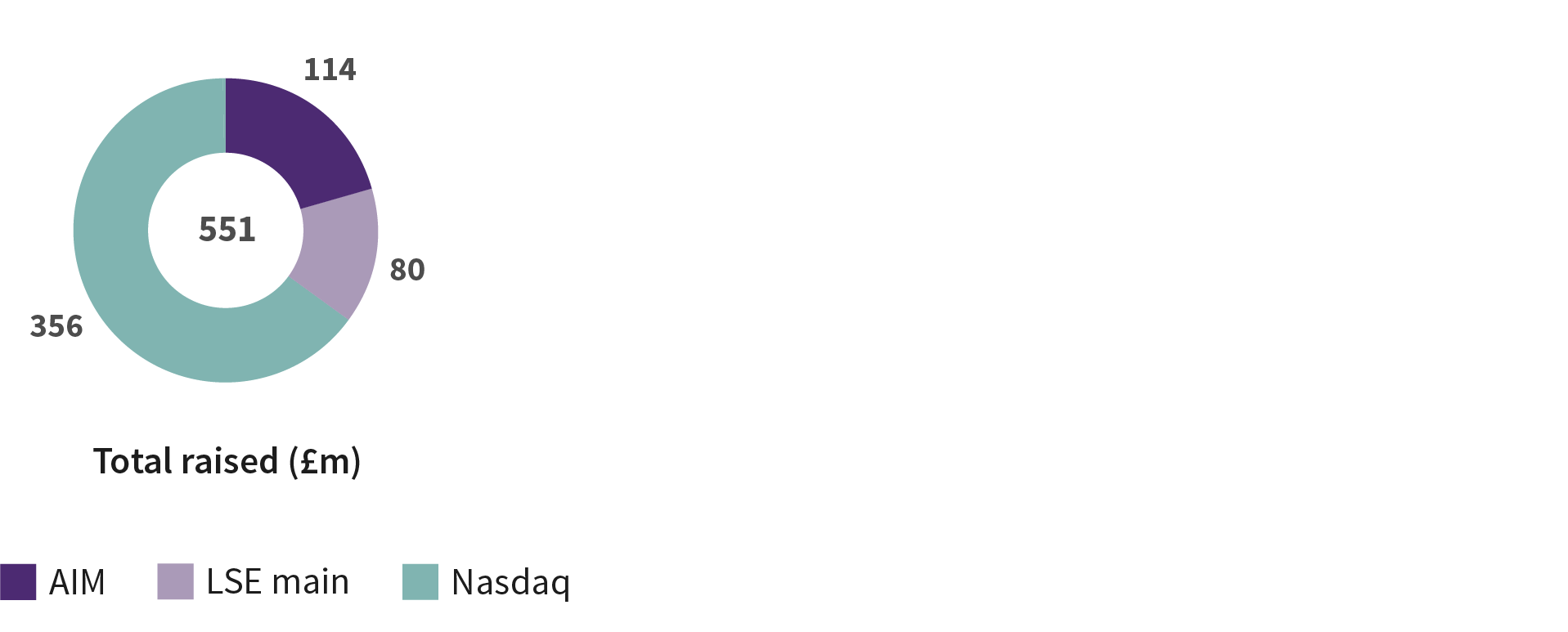
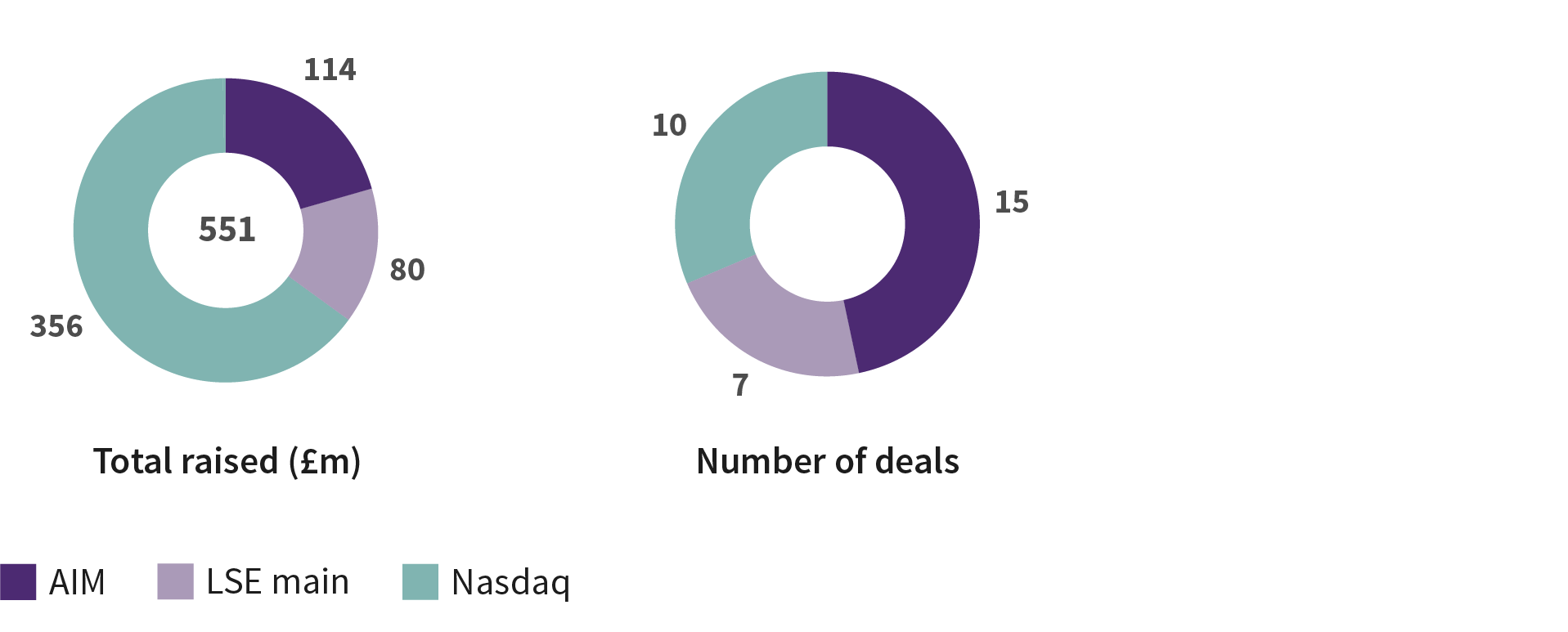
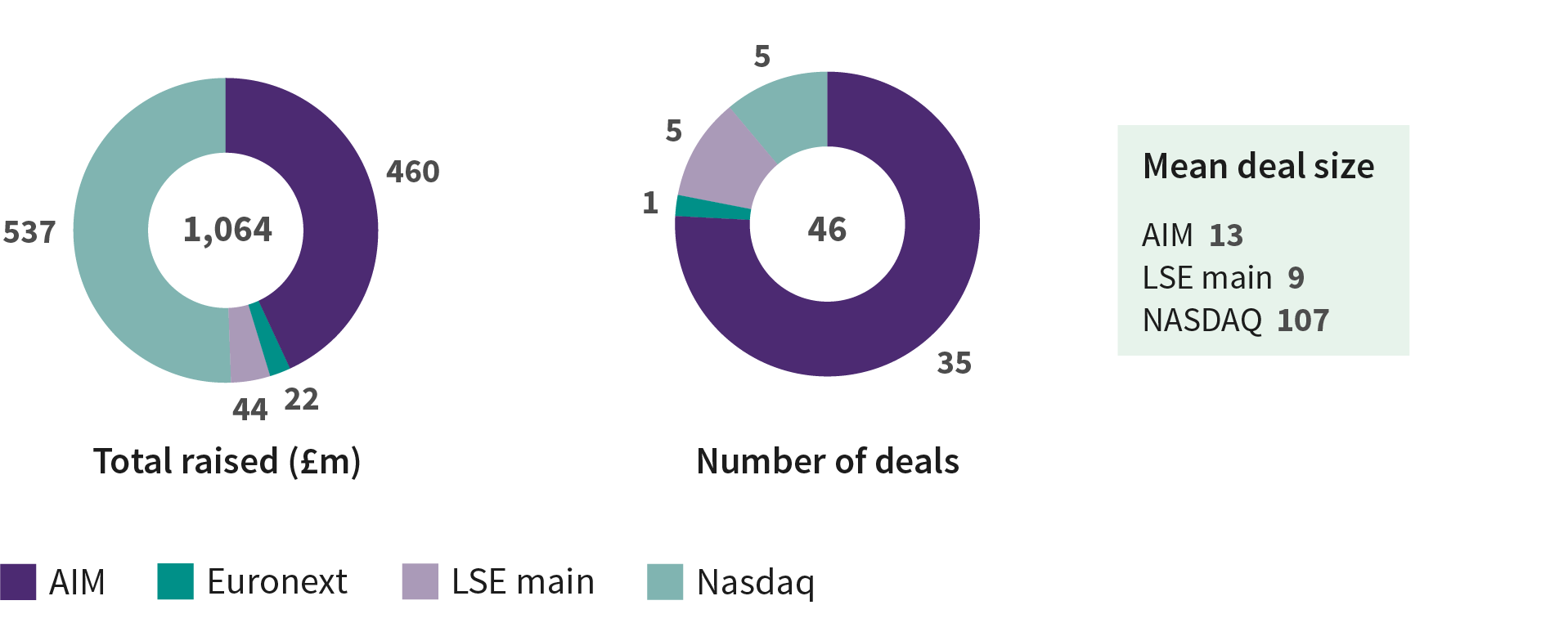
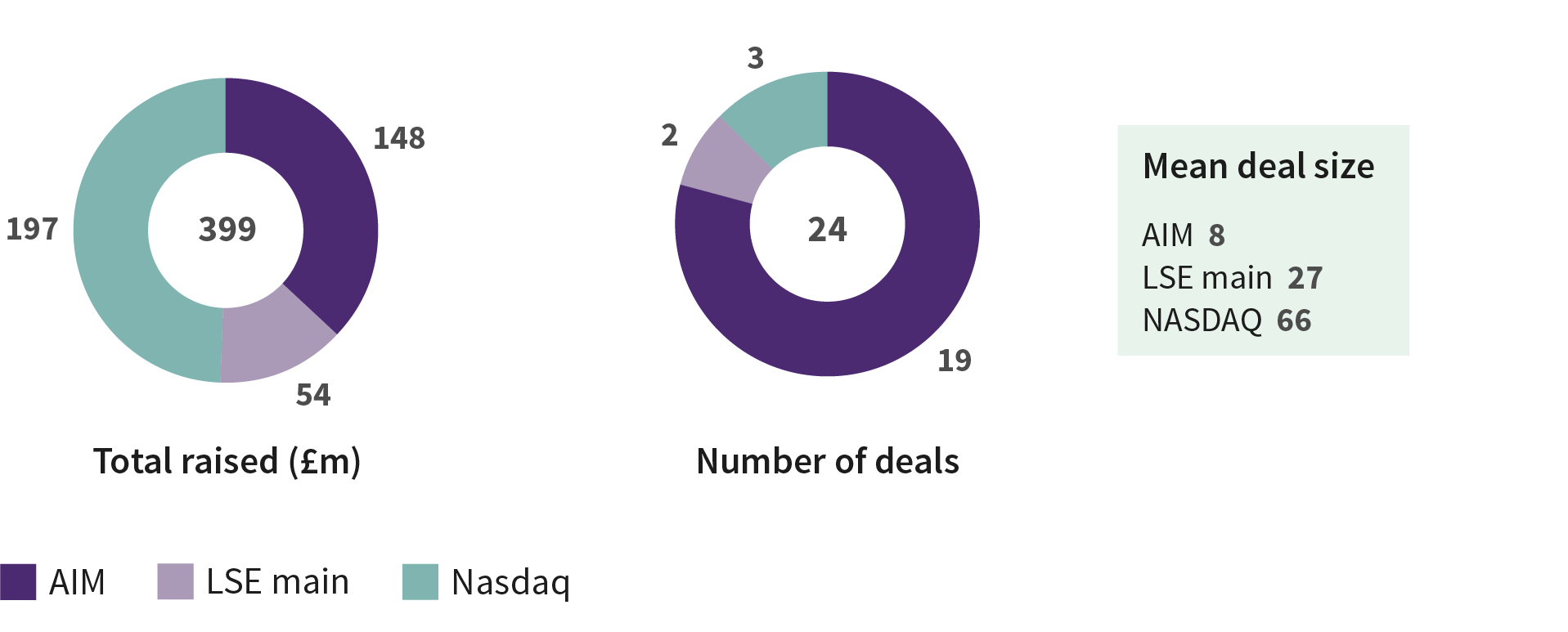
Publicly quoted UK biotechs raised £551 million in follow-on fundraisings, marking a 14% decrease compared to the previous year.
The subdued activity in the first half of the year contributed to this decline, making it the worst period on record. Although the public market revived in the second half, it was insufficient to lift the total for the year, which still dipped below the average value. Bicycle Therapeutics emerged as the top performer in follow-on offerings among UK companies, raising £178 million.
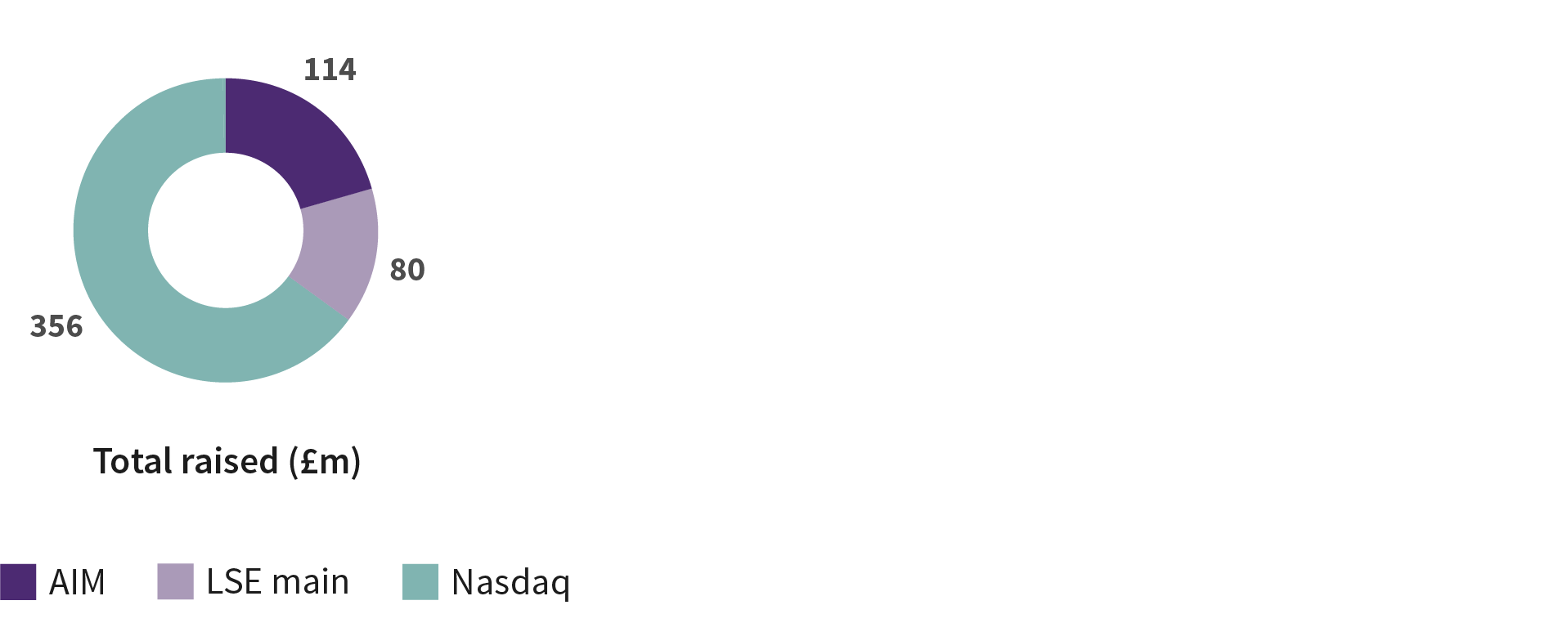
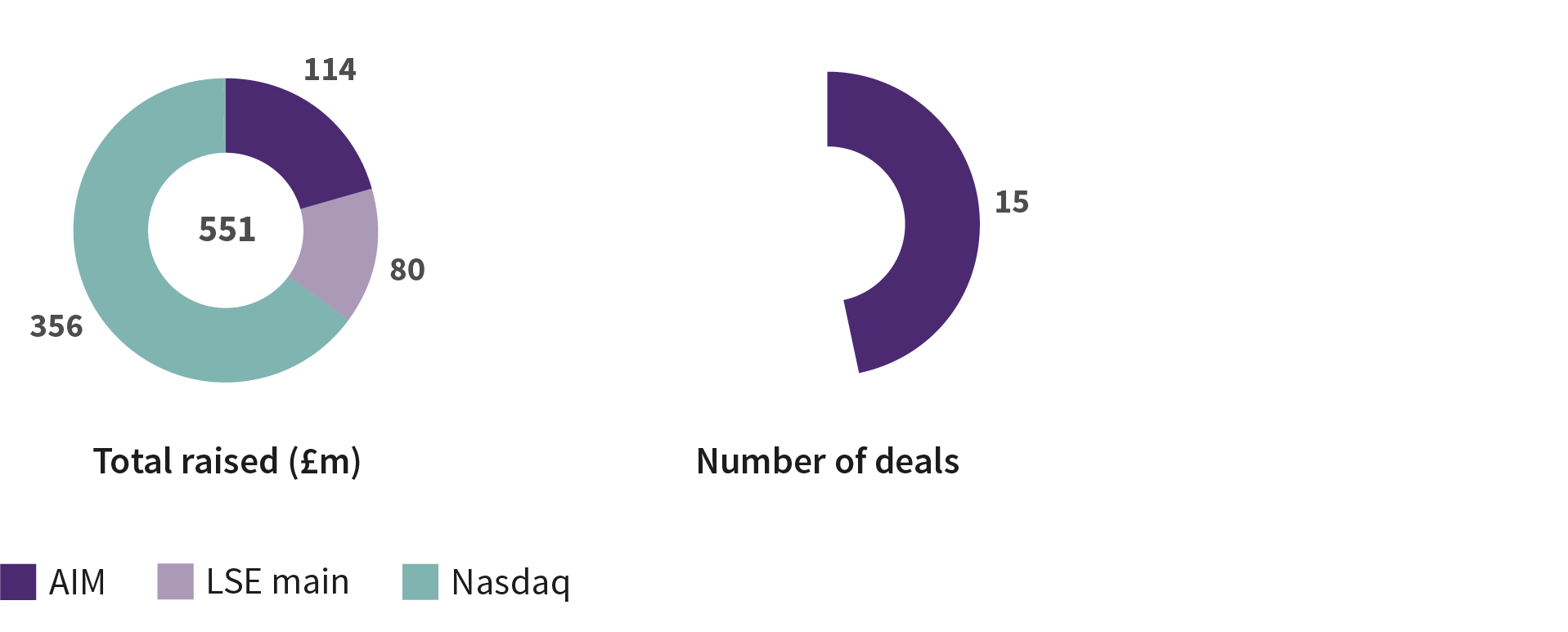
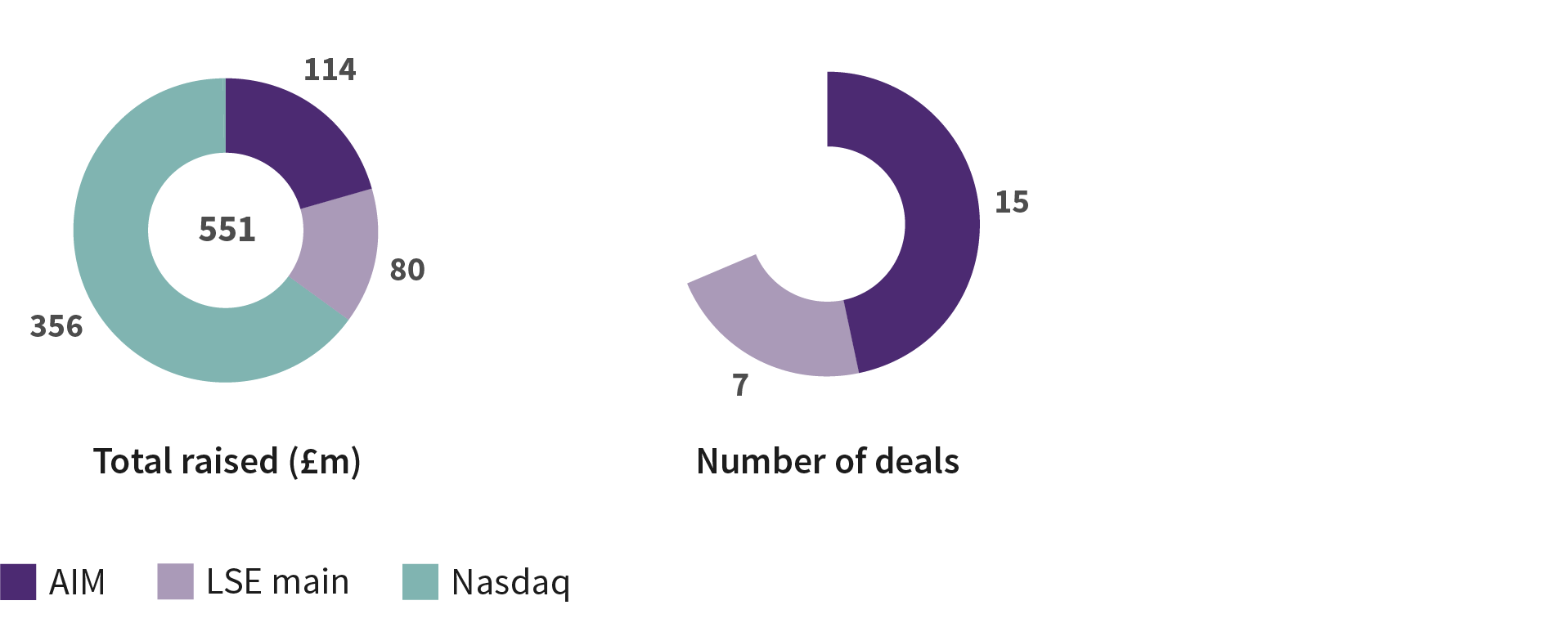
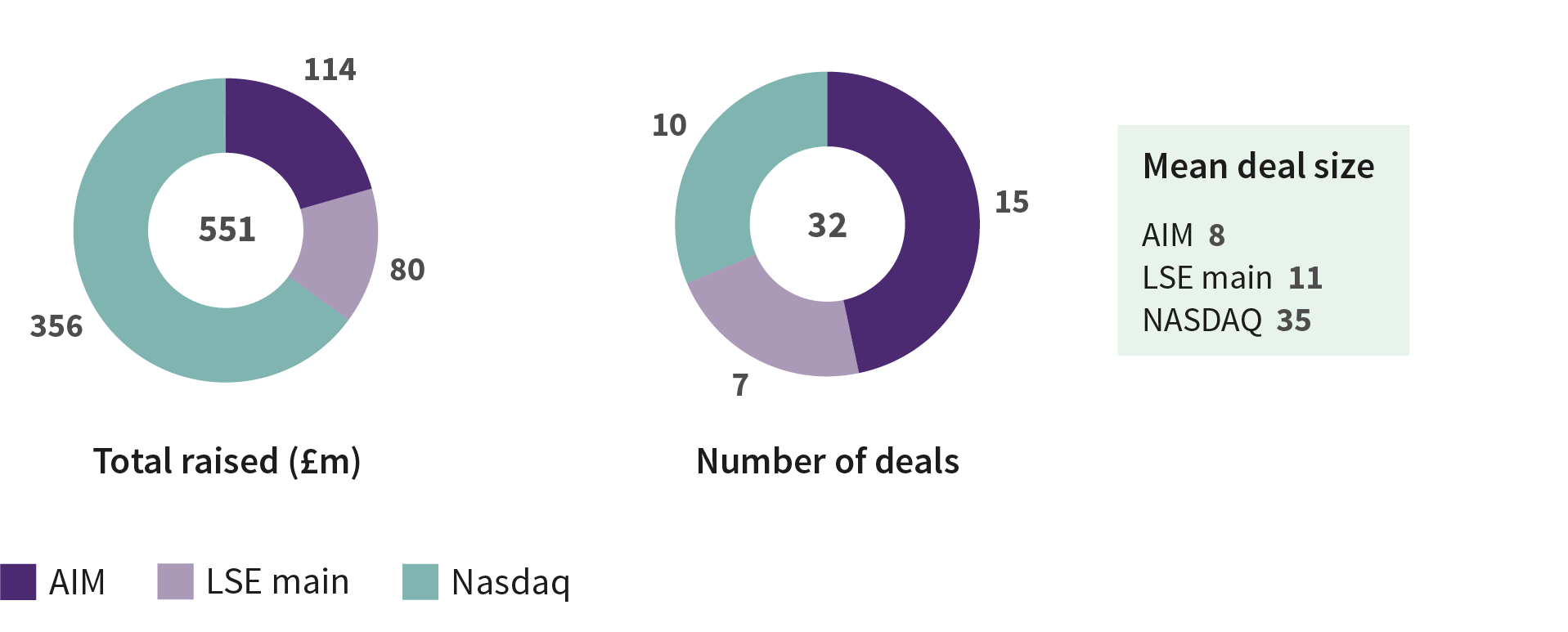
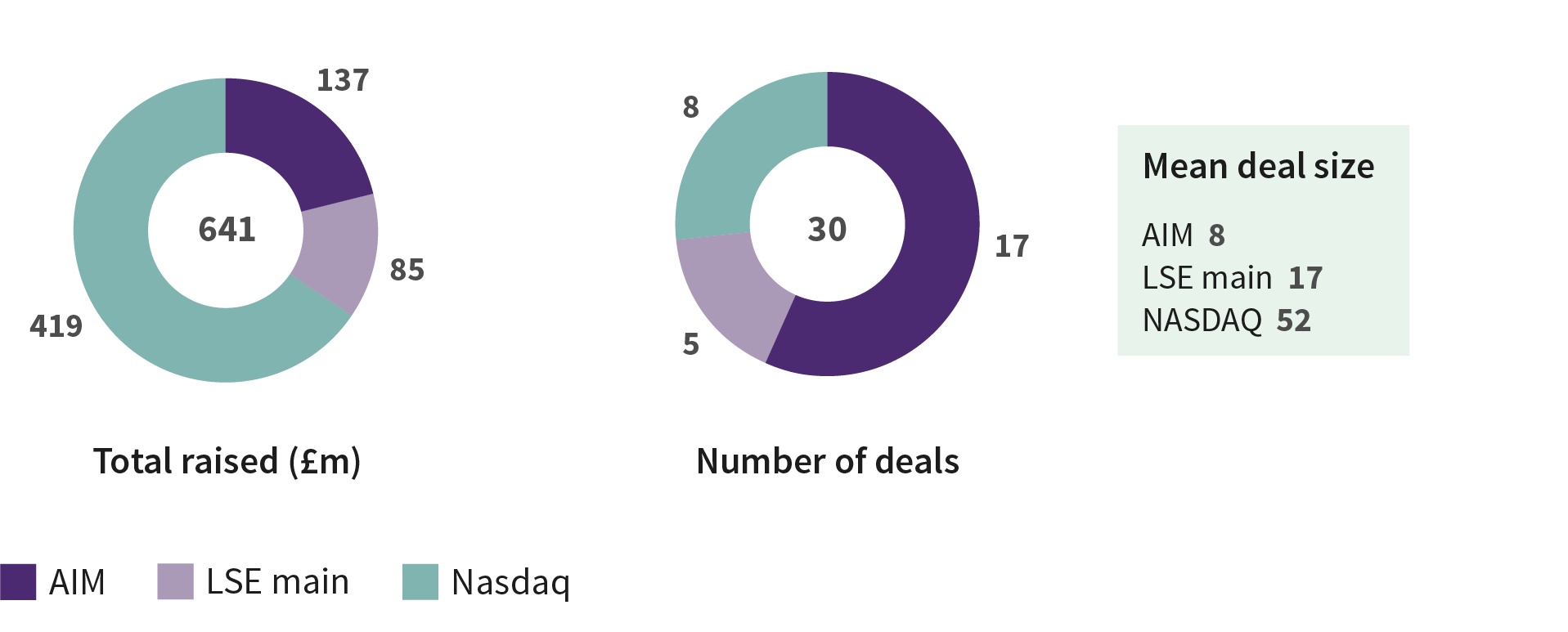
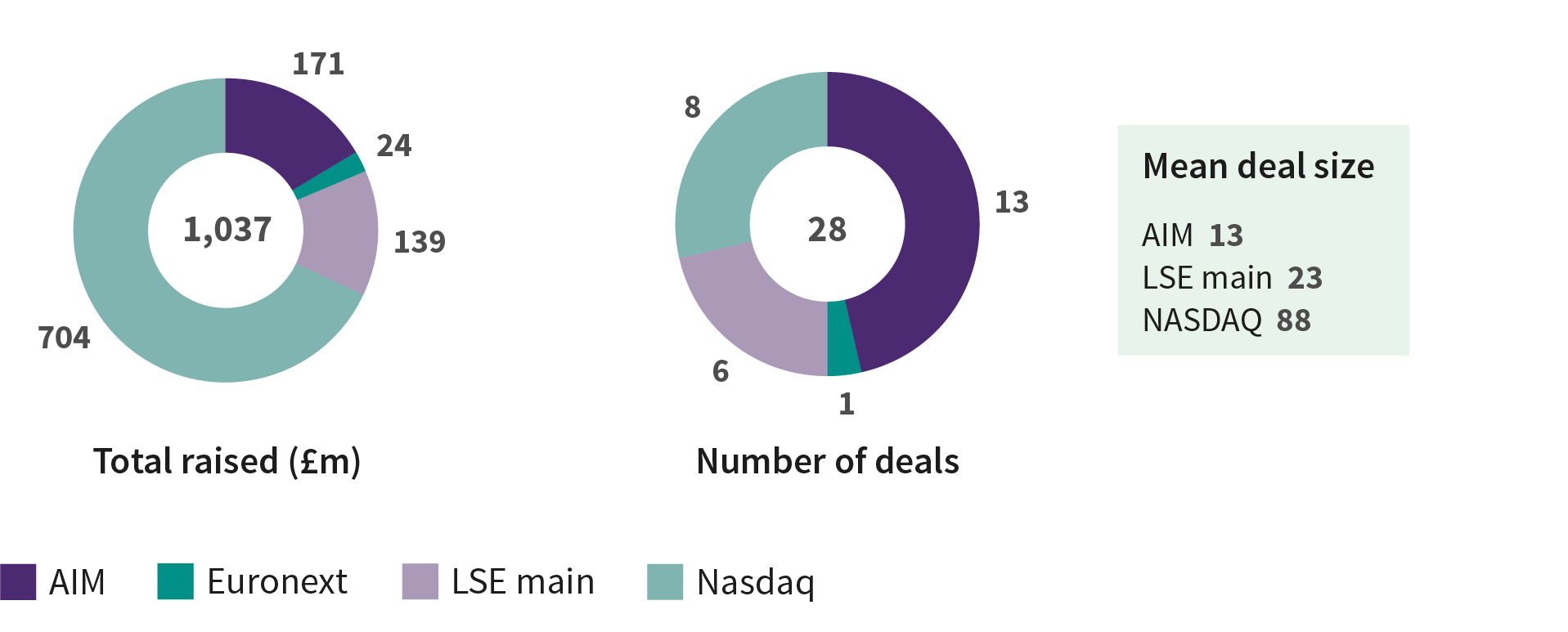
Deals closed by publicly quoted companies rose to 32 deals this year, however, the mean deal size was lower at £16.7 million from £21.4 million last year across all deals, indicating a trend of lower value deals and one of the lowest figures in years. Nasdaq-quoted biotechs secured most of the fundraisings. However, many biotechs struggled to secure larger investments reflected in the significant drop in the average deal size to £36 million, the lowest figure recorded in the past five years.
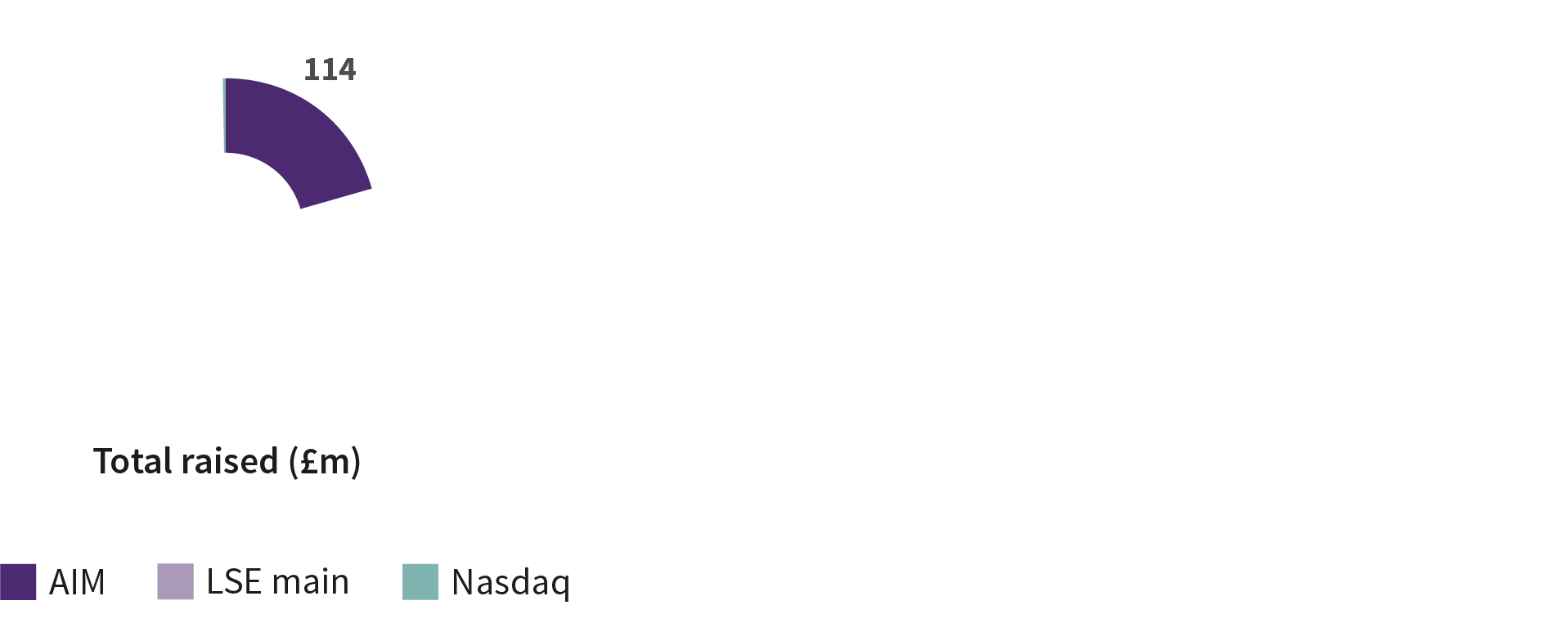
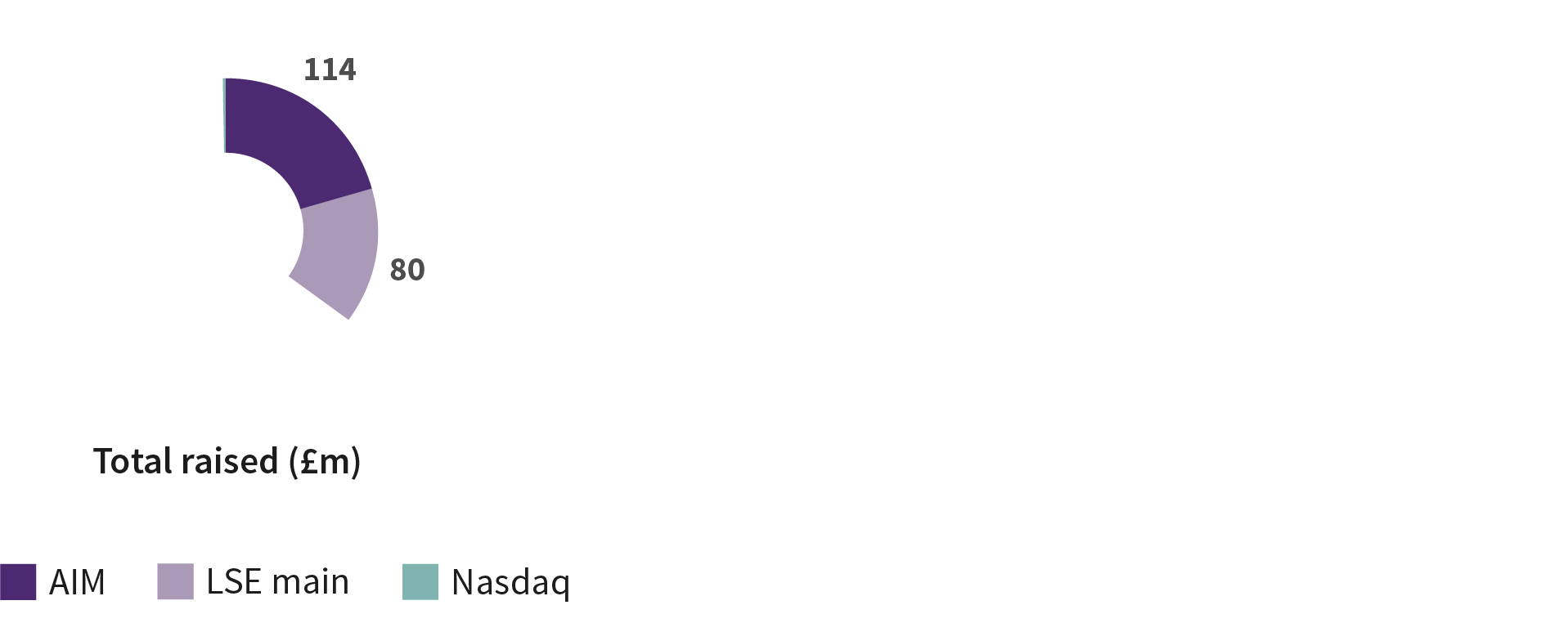
Breaking down the performance by market, LSE-quoted companies fared relatively better with only a 6% decrease in fundraising, in contrast to the 17% and 15% declines for AIM and NASDAQ markets, respectively.
Global VC financing activity totalling £16.6 billion saw a 23% decrease compared to 2022.
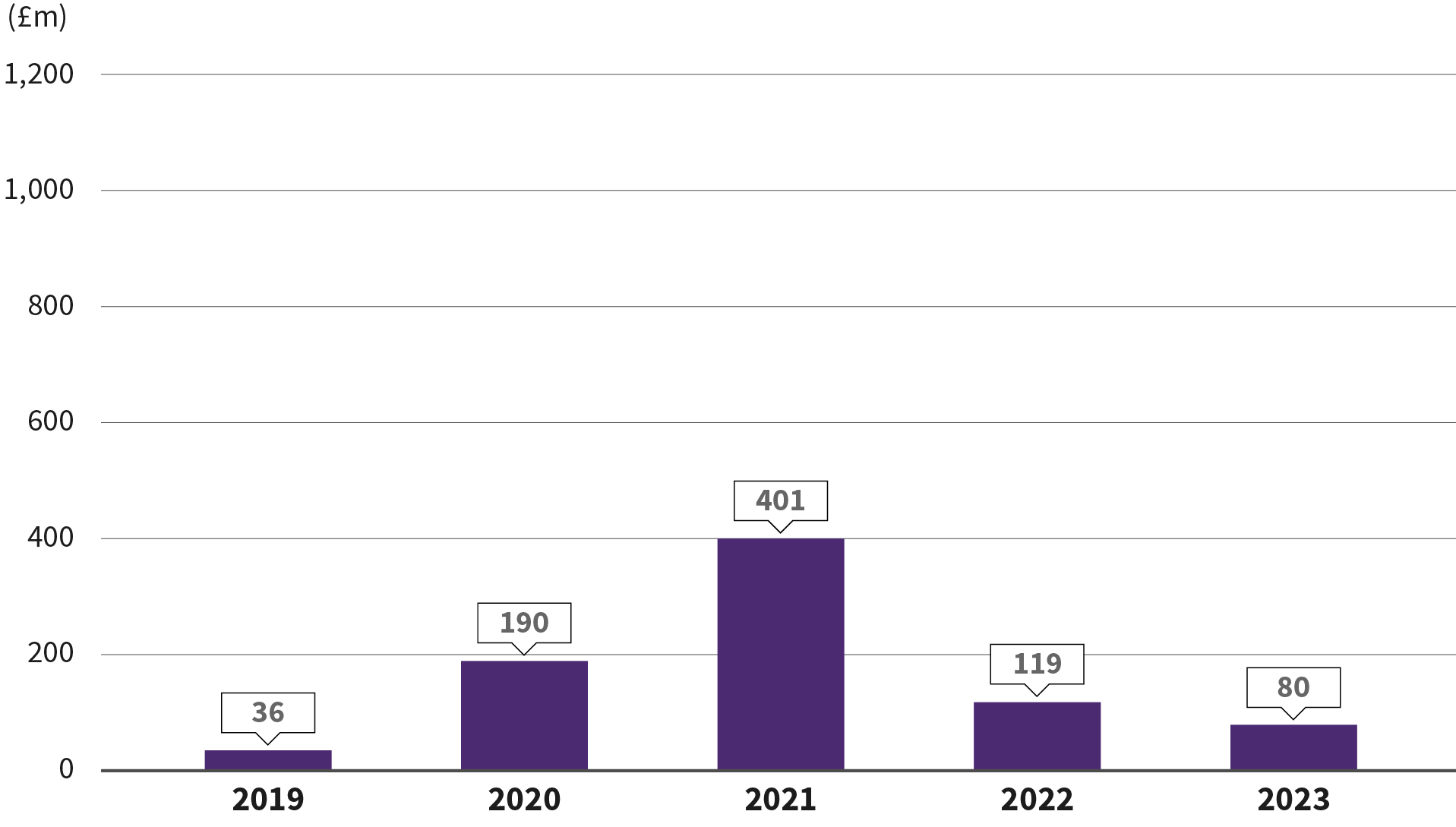
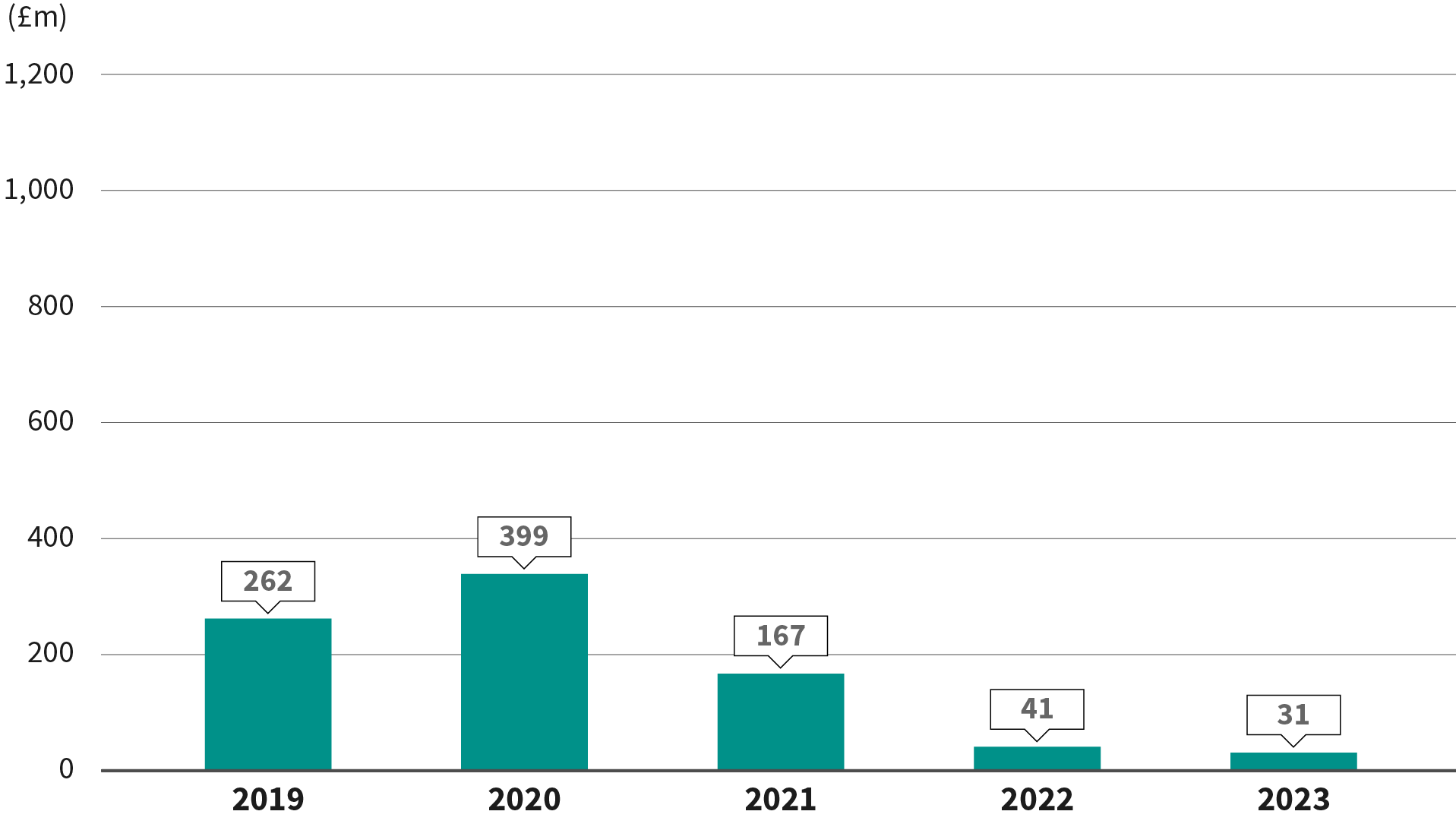
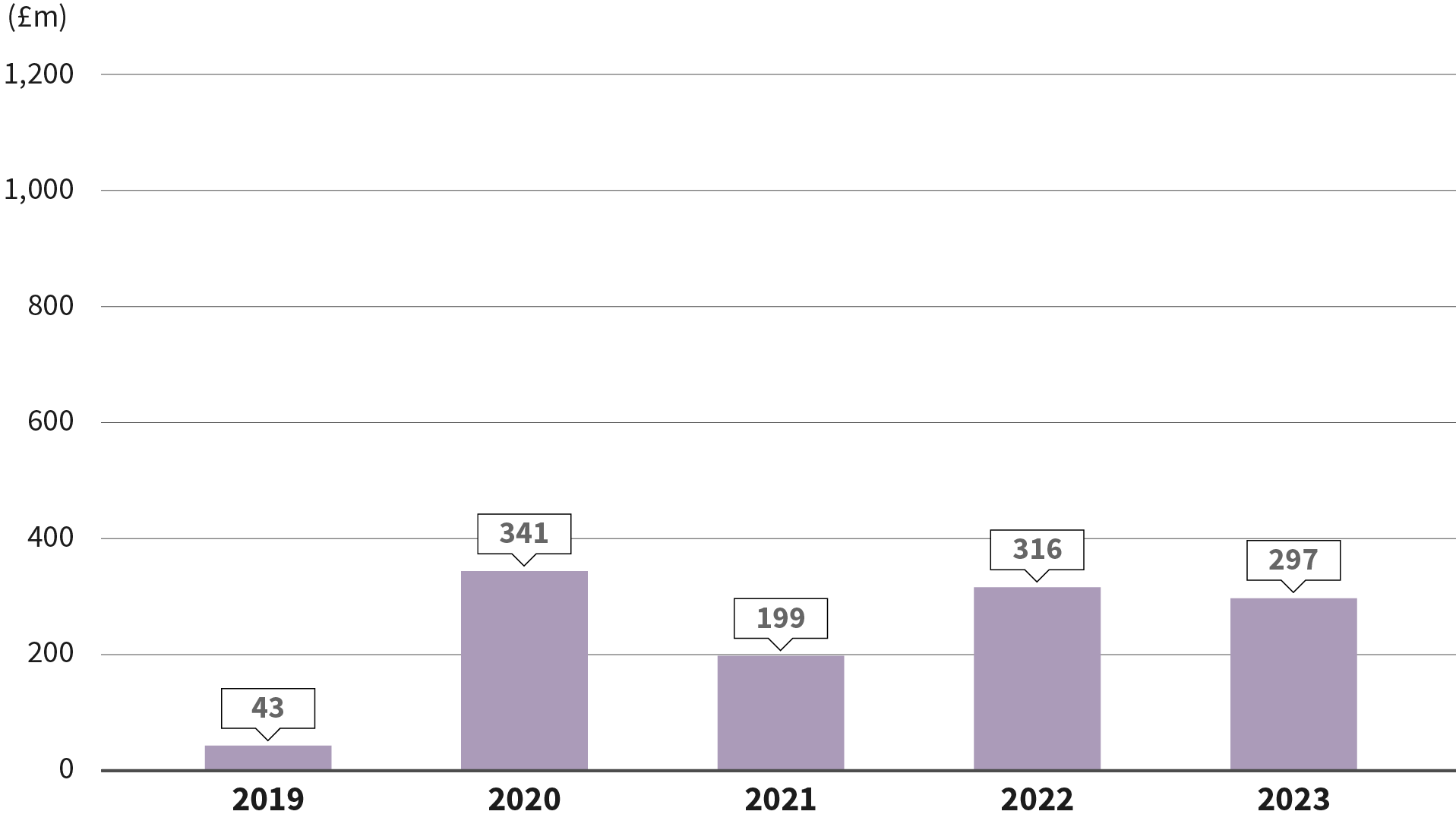
Total raised by UK biotechs in follow-ons, shown by quarter in past five years
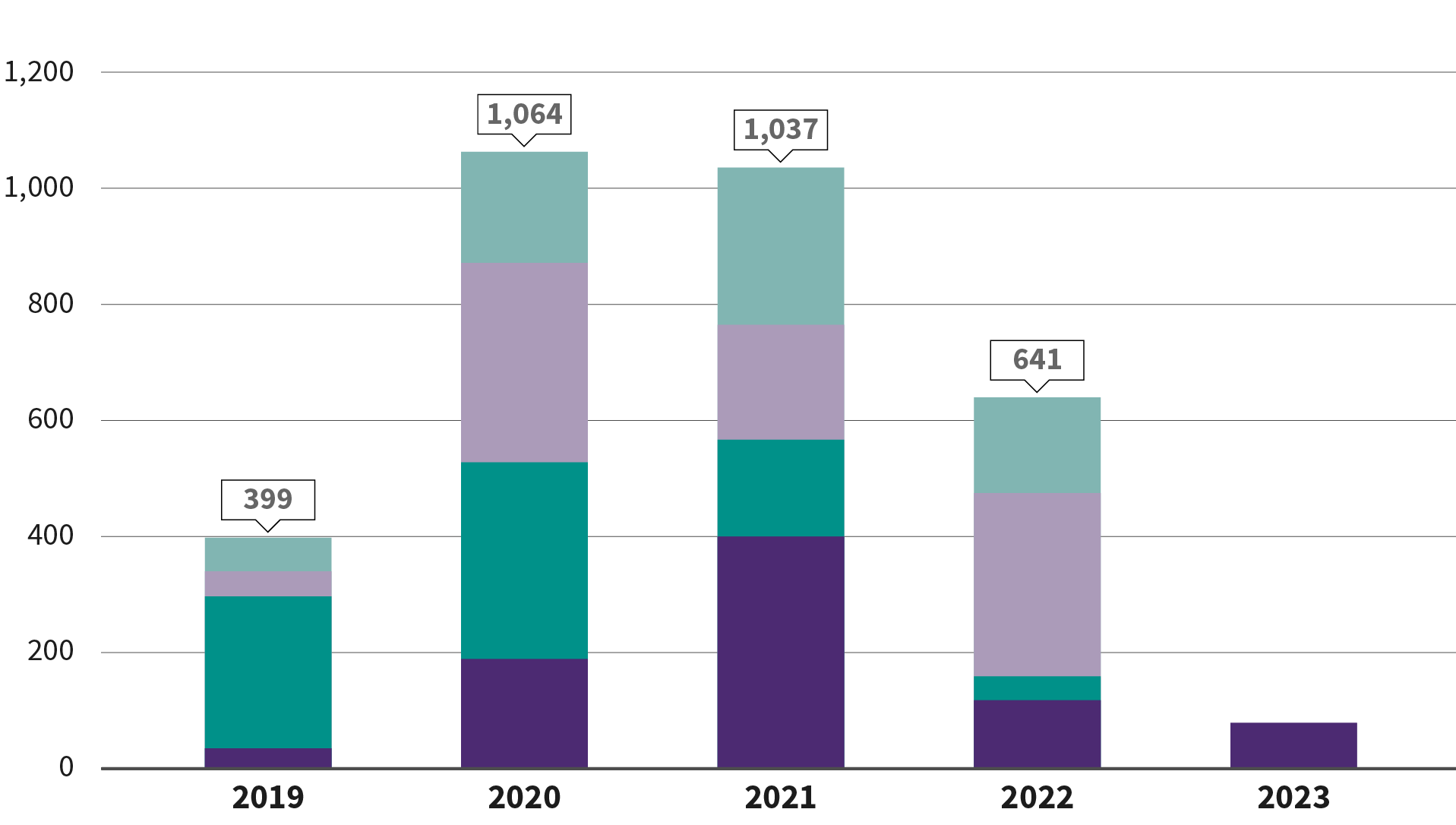
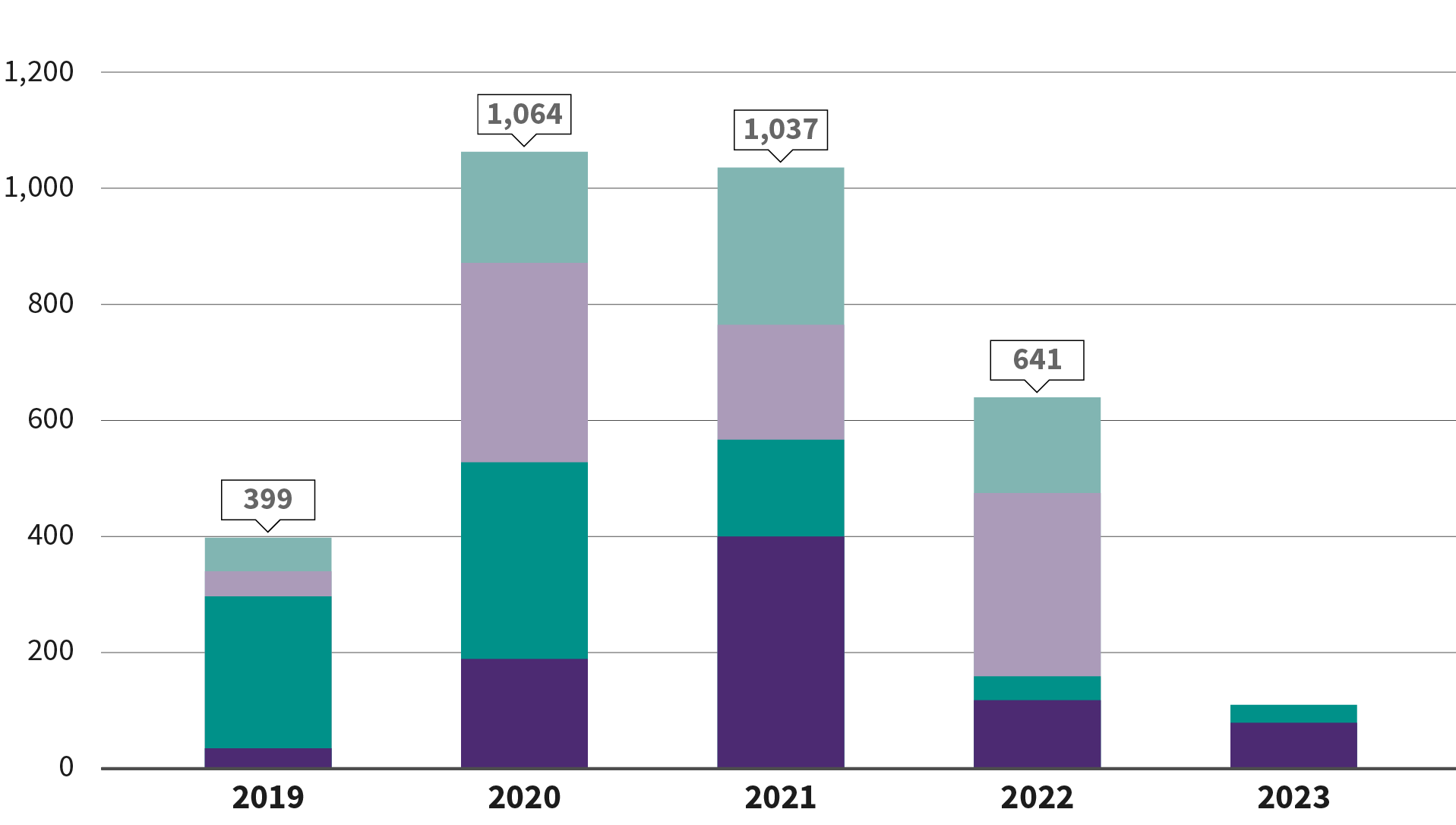
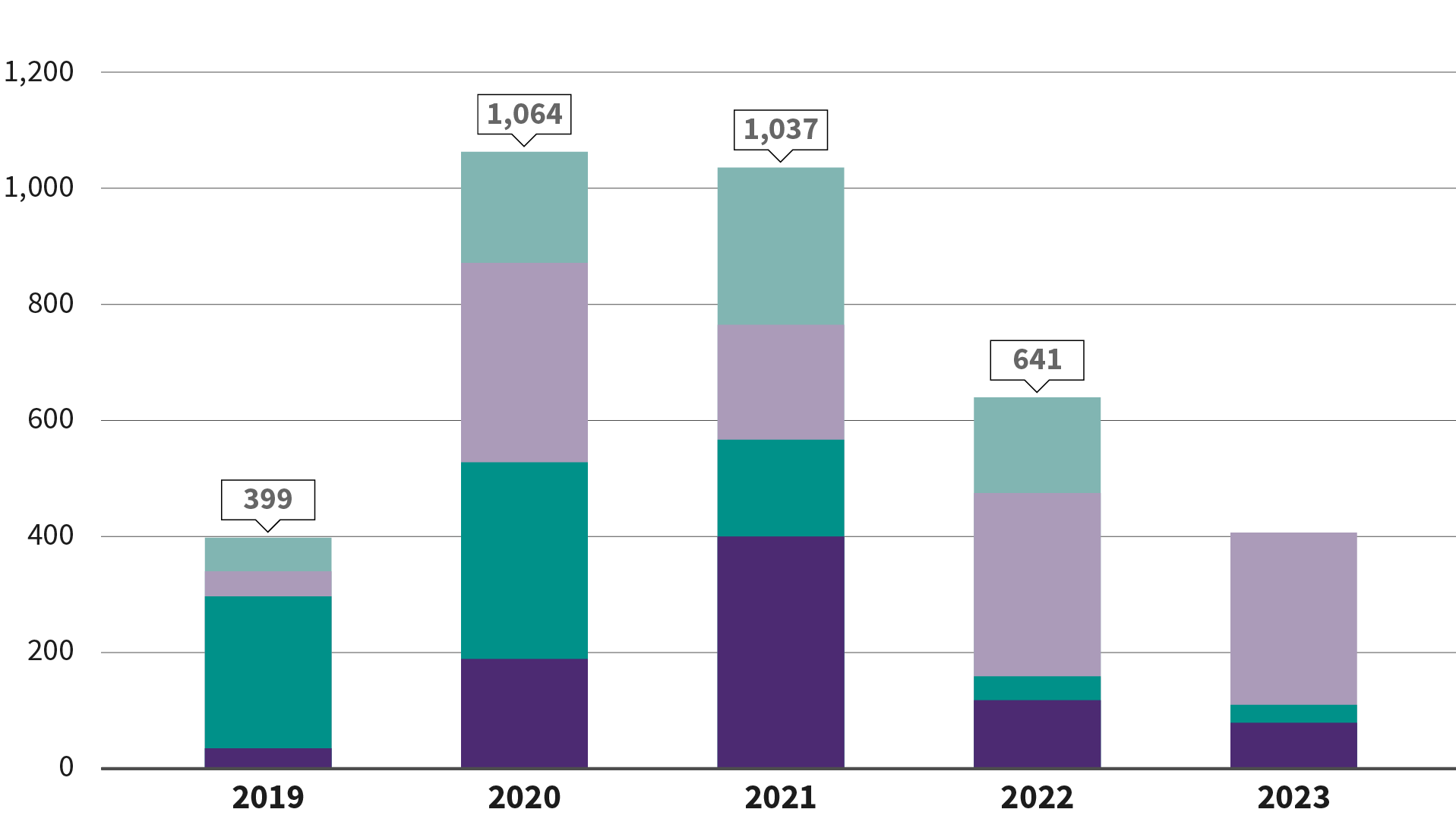
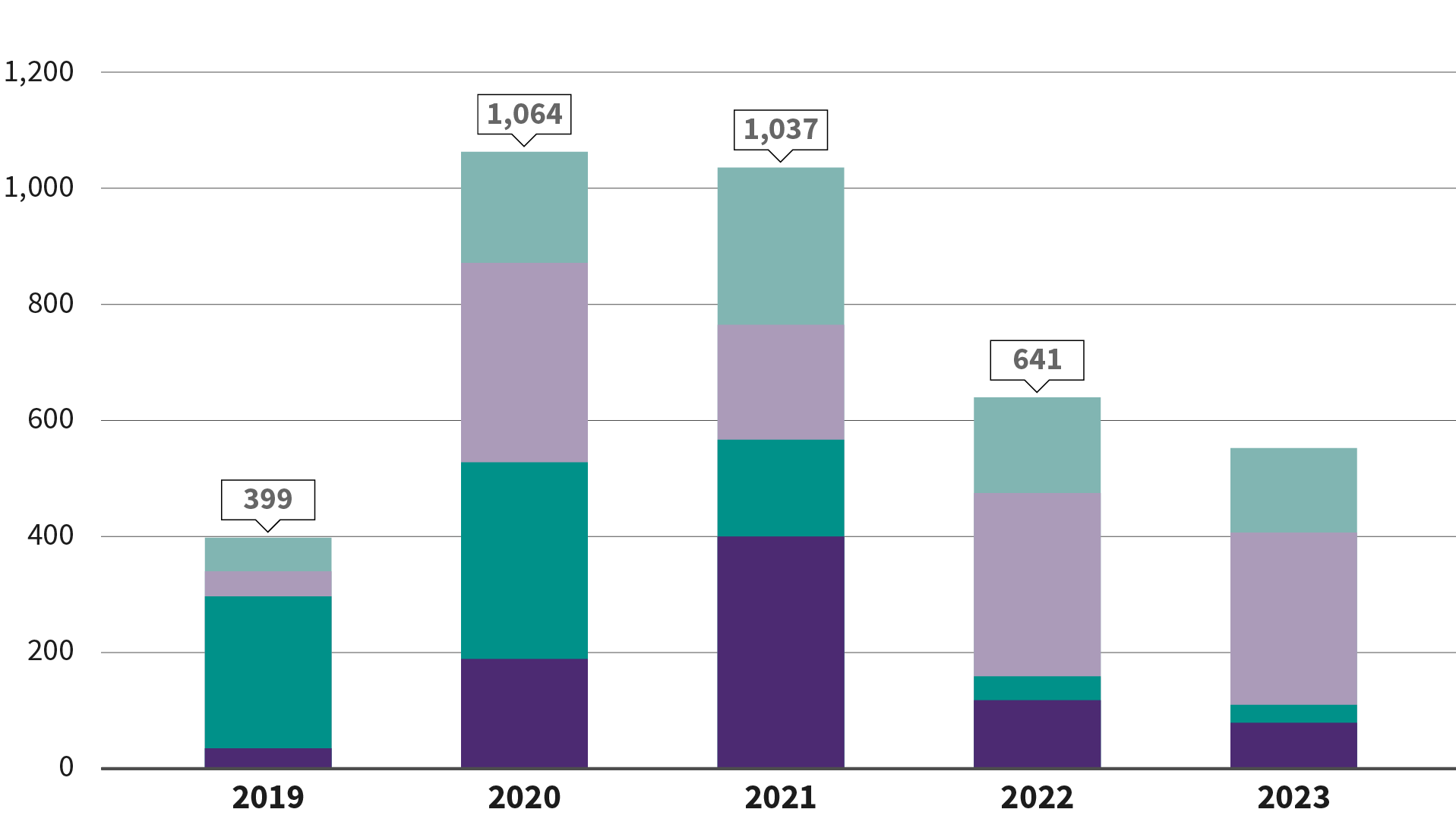
UK follow-on financing deals by market
Top UK follow-on financing deals
| Company | Date | Market | Amount (£m) |
|---|---|---|---|
| Bicycle Therapeutics | 12/07/2023 | NASDAQ | 178.6 |
| Compass Pathways | 16/08/2023 | NASDAQ | 98.4 |
| Oxford Nanopore Technologies | 23/10/2023 | LSE | 69.1 |
| Allergy Therapeutics | 16/10/2023 | AIM | 40.7 |
| Orchard Therapeutics | 06/03/2023 | NASDAQ | 28.0 |
| Orchard Therapeutics | 26/06/2023 | NASDAQ | 26.9 |
| Shield Therapeutics | 06/01/2023 | AIM | 17.7 |
| Redx Pharma | 11/07/2023 | AIM | 14.1 |
| Destiny Pharma | 01/03/2023 | AIM | 7.3 |
| Yourgene Health | 11/01/2023 | AIM | 7.1 |

Kevin Lee
CEO, Bicycle Therapeutics
While 2023 was a tough year for biotech from a financial and fundraising perspective, we at Bicycle Therapeutics were fortunate to raise $230 million in an oversubscribed follow-on financing to fund our pivotal study for our lead therapy in advanced bladder cancer, and bring in over $90 million through partnerships with Bayer and Novartis.
If I reflect on what allowed us to swim against the tide, it’s that we are securing ever-wider appreciation for our unique platform’s ability to precision target diseased tissue – something that is going to be essential as investors search for differentiated approaches that can tackle one of our toughest healthcare issues: developing medicines in oncology that can not only help patients live longer but also live well.
This concept is at the core of what we call The Bicycle® Advantage – using our novel science to develop safe and effective medicines that have the potential to offer a significantly improved quality of life over other treatments. In 2024, as we generate more clinical data across our lead three programs for different types of cancer and seek to demonstrate the utility of our platform technology to address other diseases, we intend to continue to show how The Bicycle® Advantage can transform how we treat disease and care for patients. Securing access to capital in 2024 and beyond will be critical to advancing not only our work but also the work of our like-minded peers across the entire biotech ecosystem.
Follow-on financings in Europe, the US and Asia
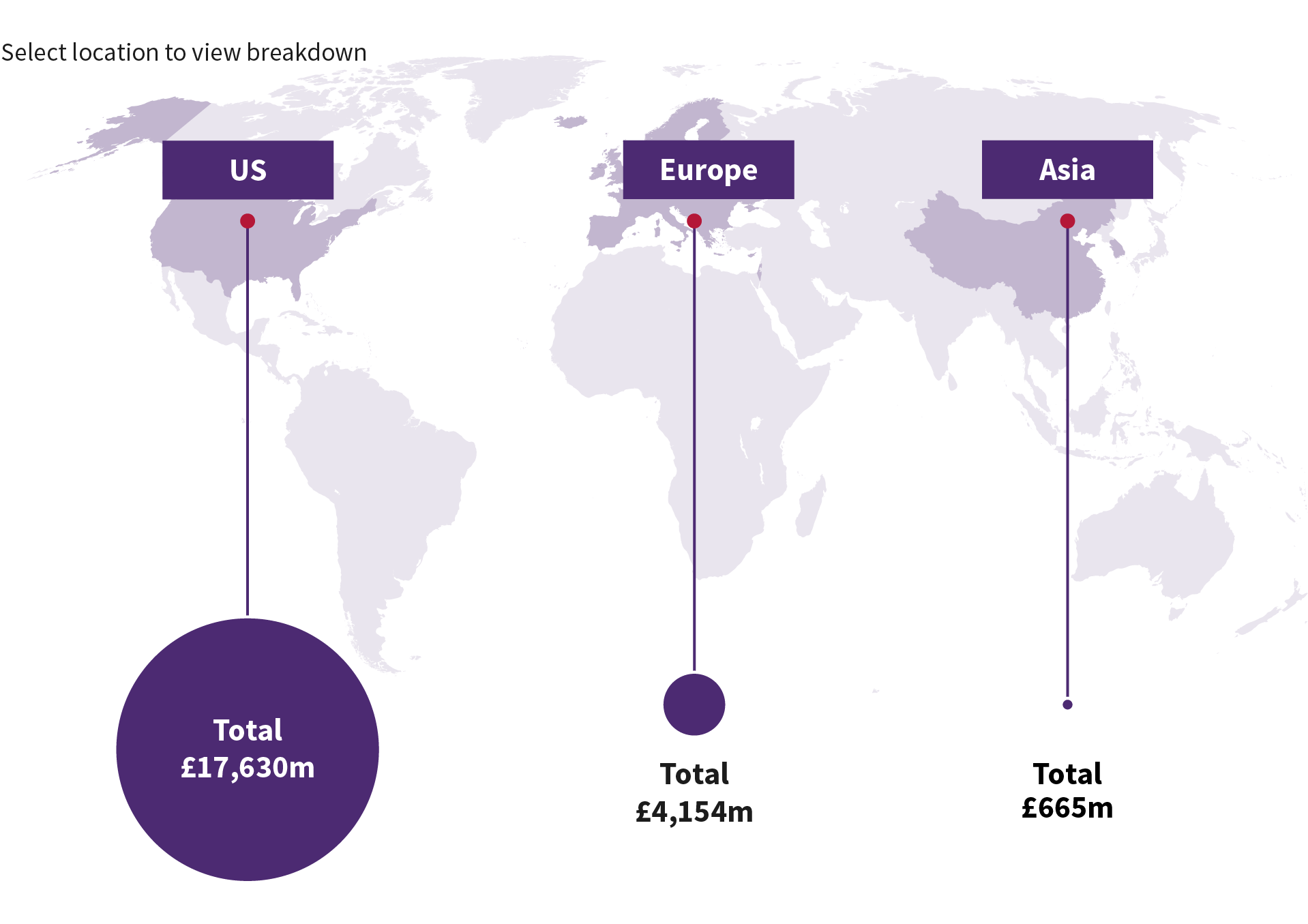
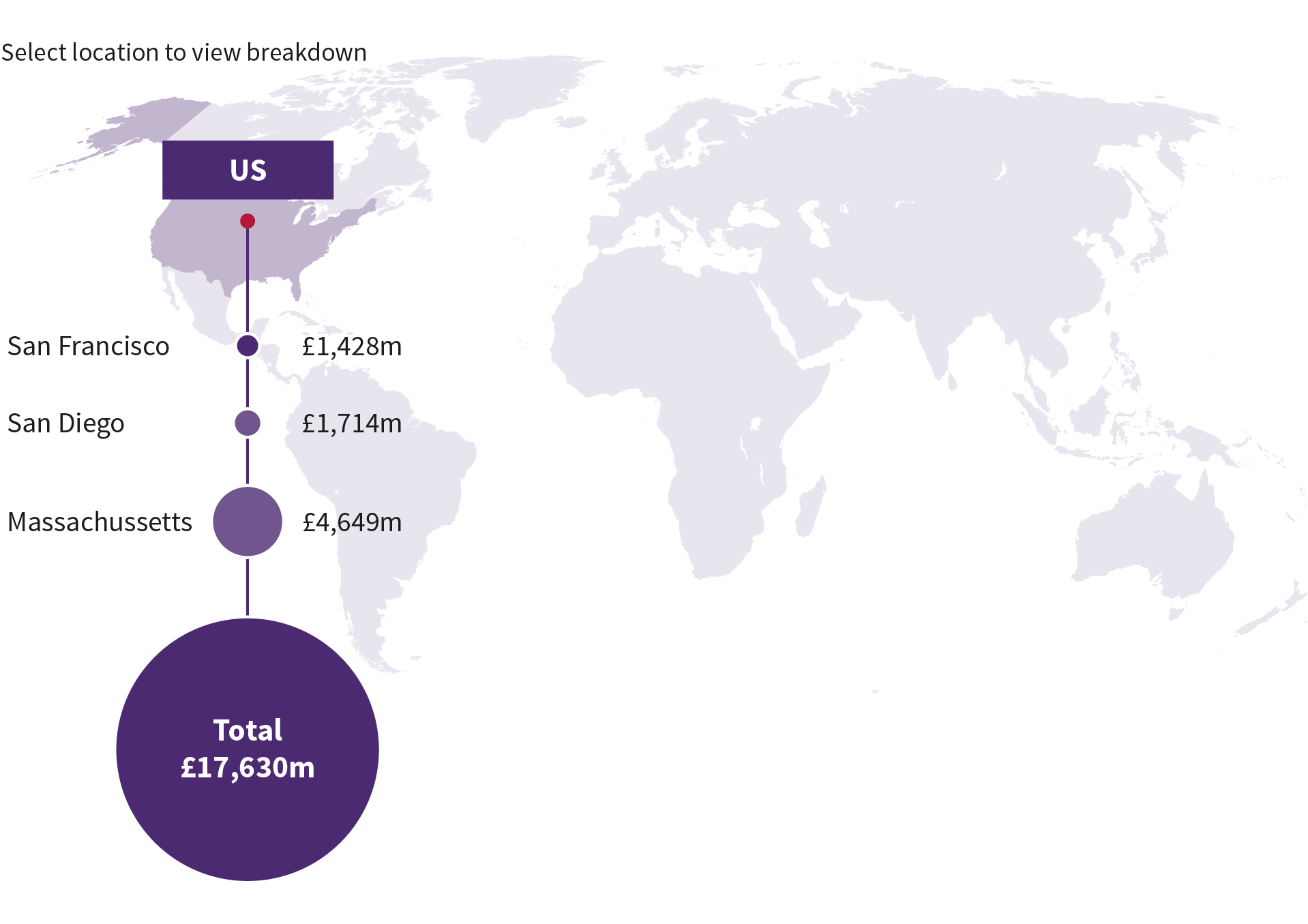
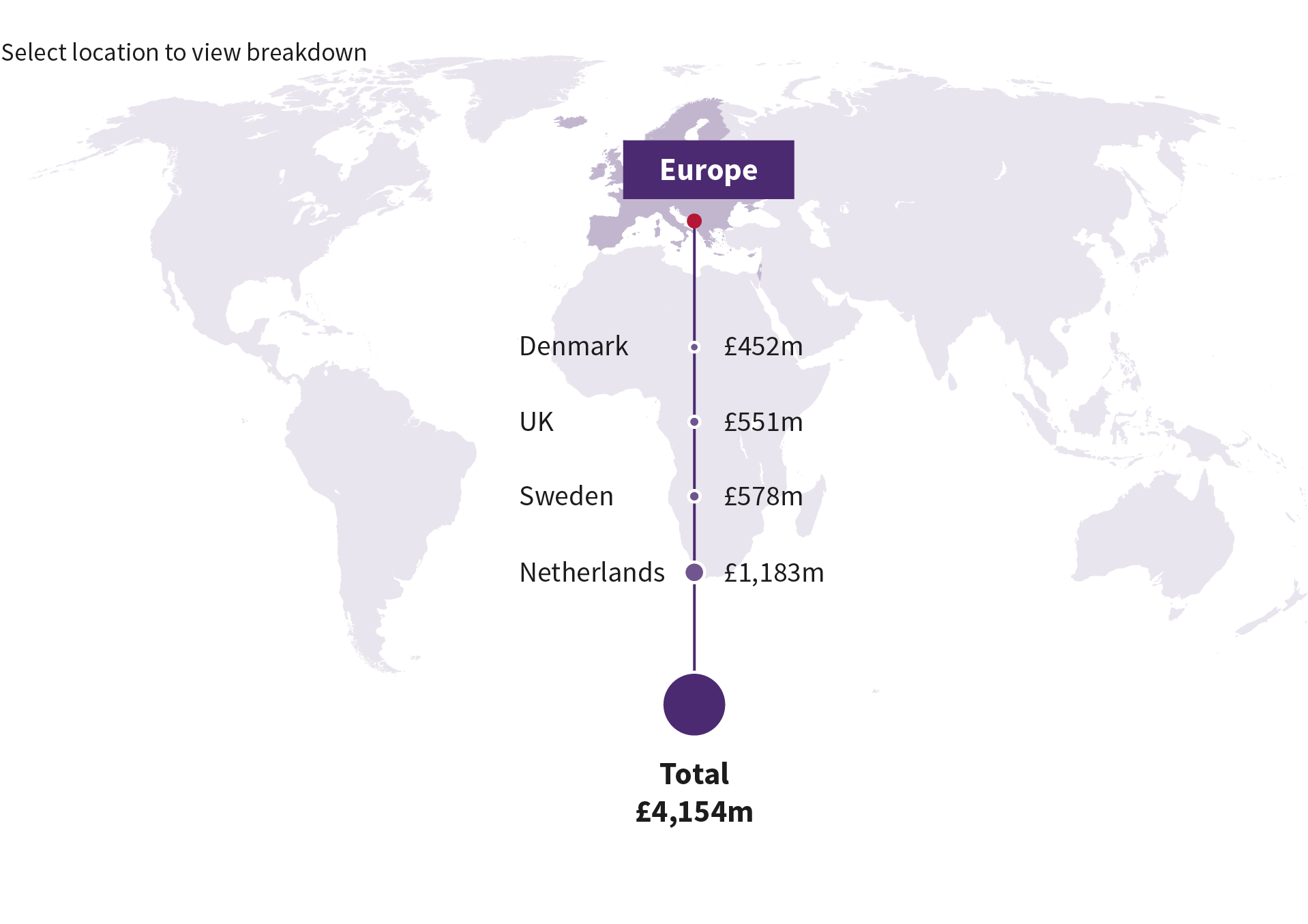
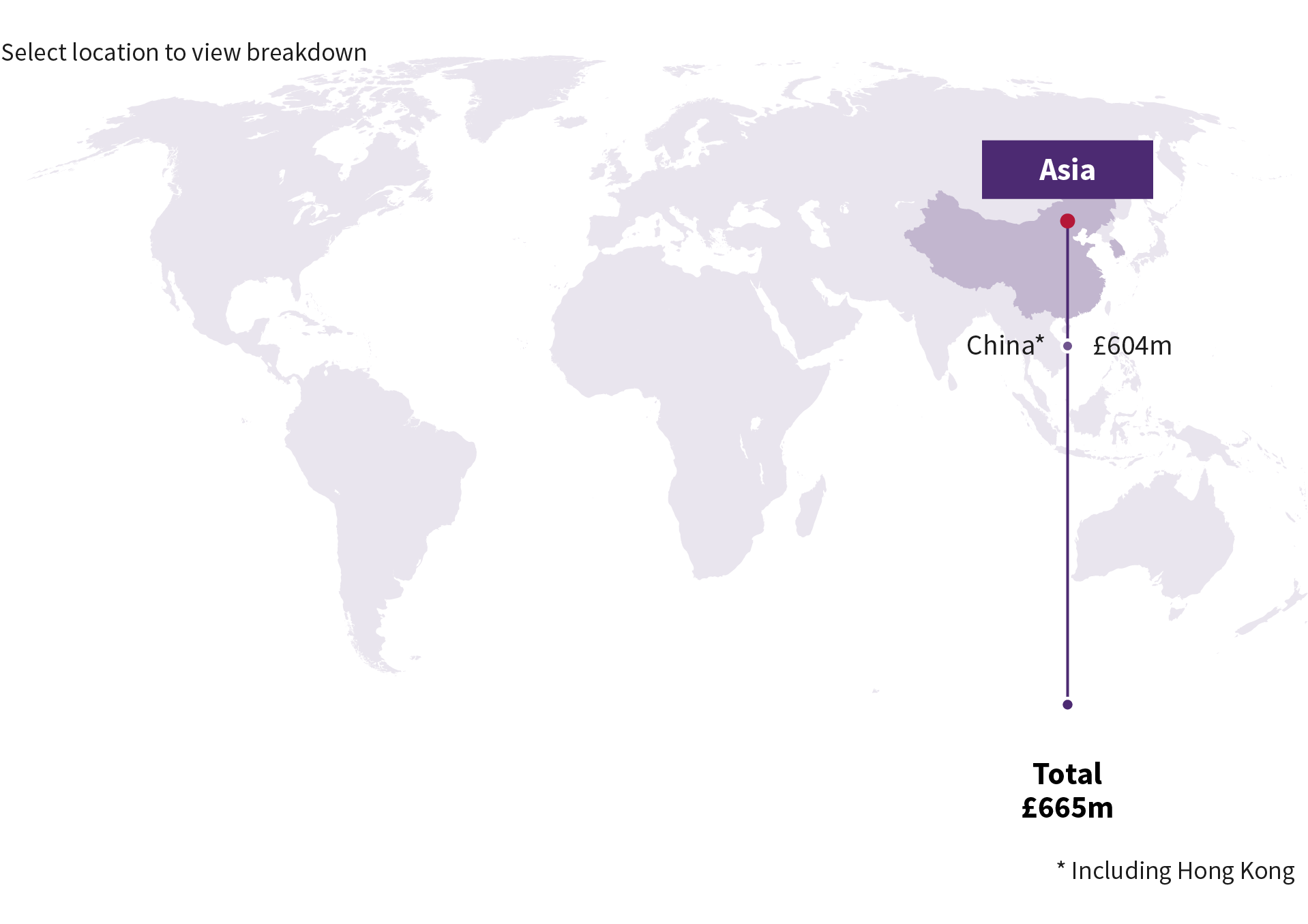
Despite the universal challenge of securing substantial amounts through follow-on offerings faced by public companies, European companies netted a noteworthy total of £4.2 billion across 106 deals. Dutch biotechs stood out by securing a substantial total of £1.2 billion. Notably, Argenx, one of the largest biotechs in the European bloc, whose shareholder base is predominantly composed of US investors, raised over £1 billion. £17.6 billion was invested in US companies while Asian companies netted £665 million.
International follow-on financings by region
 Business deals
Beyond equity capital mergers acquisitions and licensing deals keep the sector moving. These deals raise funds that are either returned to investors or used for R&D programmes and to drive company growth. There was a trend of robust activity particularly international transactions involving major pharmaceutical companies.
 Mergers and acquisitions
The estimated total value of all M&A agreements inked by UK biotechs was £1.6 billion but this is a significant under-estimate due to undisclosed deal values.
The £1.2 billion acquisition of Amryt Pharma by Chiesi Farmaceutici stands out as the year’s biggest deal. This strategic move strengthens Chiesi’s share in the orphan disease market, leveraging Amryt’s robust portfolio of late-stage pipeline assets, particularly in rare disease treatments.
Sherlock Biosciences’ strategic acquisition of UK-based Sense Biodetection’s Veros will allow Sherlock to leverage its CRISPR and AI expertise to create a new generation of highly accurate, user-friendly diagnostic tools for diverse diseases.
The acquisition of Orchard Therapeutics by Kyowa Kirin for up to £393 million was announced in October and is expected to close in January 2024.
Selected M&A deals involving UK biotech companies in 2023
| Acquirer | Target | Company HQ | Deal date | Value (£m) |
|---|---|---|---|---|
| Chiesi Farmaceutici | Amryt Pharma | Italy / UK | 08/01/2023 | 1,206 |
| Indivior | Opiant Pharmaceuticals | USA / UK | 03/03/2023 | 181 |
| invoX Pharma | F-star Therapeutics | UK / UK | 08/03/2023 | 131 |
| Ariceum Therapeutics | Theragnostics | Germany / UK | 01/06/2023 | 35 |
| Novacyt Group | Yourgene Health | France / UK | 03/07/2023 | 16 |
| Adaptimmune Therapeutics | TCR² Therapeutics | UK / USA | 06/03/2023 | Not disclosed |
| Sherlock Biosciences | Sense Biodetection | USA / UK | 01/02/2023 | Not disclosed |
| IngenOx Therapeutics | Argonaut Therapeutics | UK / UK | 05/01/2023 | Not disclosed |
| Cybin | Small Pharma | Canada / UK | 28/08/2023 | Not disclosed |

Adrian Rawcliffe
CEO, Adaptimmune
At Adaptimmune, we’re redefining the treatment of some of the most challenging-to-treat types of solid tumor cancer using cell therapy, a promising yet complex science in which we engineer a person’s own cells to better fight their cancer.
Our robust pipeline of cell therapies has the potential to significantly improve the cancer treatment experience.
In 2023, we submitted our first Biologics License Application to the FDA for afami-cel for the treatment of synovial sarcoma. We’re preparing for the U.S. launch of afami-cel later in 2024 upon expected approval. In addition, our pivotal trial for lete-cel for the treatment of synovial sarcoma and myxoid/round cell liposarcoma met its primary endpoint for efficacy and we expect the full data set later this year. Last year, we also acquired TCR² Therapeutics and dosed additional patients using gavo-cel and TC-510 to determine if we should progress these opportunities. When the data was not forthcoming, we made a science-based decision to stop the programs. Despite these shifts, we gained valuable clinical experience, cell therapy talent, and cash from this combination.
The acquisition of Orchard Therapeutics by Kyowa Kirin for up to £393m was announced in October and is expected to close in January 2024.
 Licensing
Innovative UK biotechs attracted an estimated £8.2 billion through licensing agreements.
Among the most notable agreements was Quell Therapeutics’ collaboration with AstraZeneca, a landmark agreement valued at over £1.6 billion. This partnership leverages Quell’s expertise in engineered T-regulatory cell therapies to tackle unmet needs in autoimmune diseases like Type 1 diabetes and inflammatory bowel disease.
Another highlight was Bicycle Therapeutics’ collaborations with Novartis and Bayer, worth £1.4 billion each. Both deals capitalise on Bicycle’s innovative bicyclic peptide technology to unlock new breakthroughs for targeted radiopharmaceutical cancer treatments.
Finally, Exscientia’s AI-powered drug discovery collaboration with Germany’s Merck highlighted the potential of AI to accelerate drug research in oncology and immunology.
Selected licensing deals involving UK biotech companies in 2023
| Licensee | Licenser | Company HQ | Deal date | Value (£m) |
|---|---|---|---|---|
| AstraZeneca | Quell Therapeutics | UK / UK | 09/06/2023 | 1,651 |
| Bayer | Bicycle Therapeutics | Germany / UK | 10/05/2023 | 1,363 |
| Novartis | Bicycle Therapeutics | Switzerland / UK | 28/03/2023 | 1,393 |
| Takeda Pharmaceutical Co. | F-star Therapeutics | Japan / UK | 05/07/2023 | 776 |
| Merck KGaA | Exscientia | Germany / UK | 20/09/2023 | 560 |
| Merck KGaA | BenevolentAI | Germany / UK | 20/09/2023 | 479 |
| Sebela Pharmaceuticals | Destiny Pharma | USA / UK | 24/02/2023 | 472 |
| Merck & Co., Inc. | Astex Pharmaceuticals | USA / UK | 08/08/2023 | 421 |
| Indivior | Addex Therapeutics | Switzerland / UK | 08/03/2023 | 277 |
 UK biotech share price performance
For the first time, this report includes the share-price performance of UK biotech companies quoted on the London Stock Exchange to show investor interest in the sector over time and the long-term returns it can provide.
We have produced an unweighted index of companies that meet the criteria for inclusion in this report (see methodology) and are listed on either the London Main Market or the Alternative Investment Market (AIM).
Stock market indices have been down across the globe throughout 2023 as macroeconomic factors continue to weigh on investor sentiment, with share prices suppressed in many sectors, including biotech.
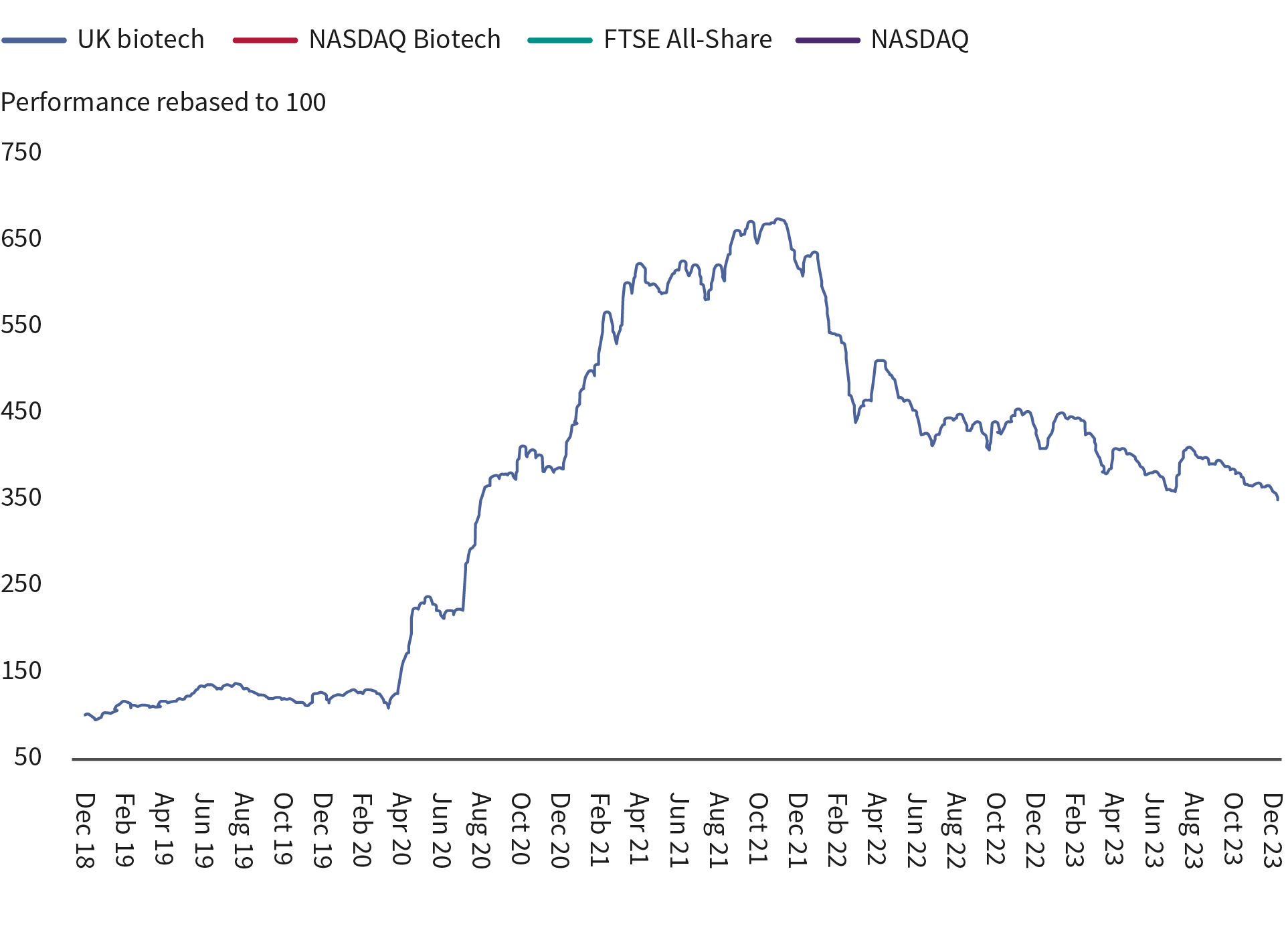
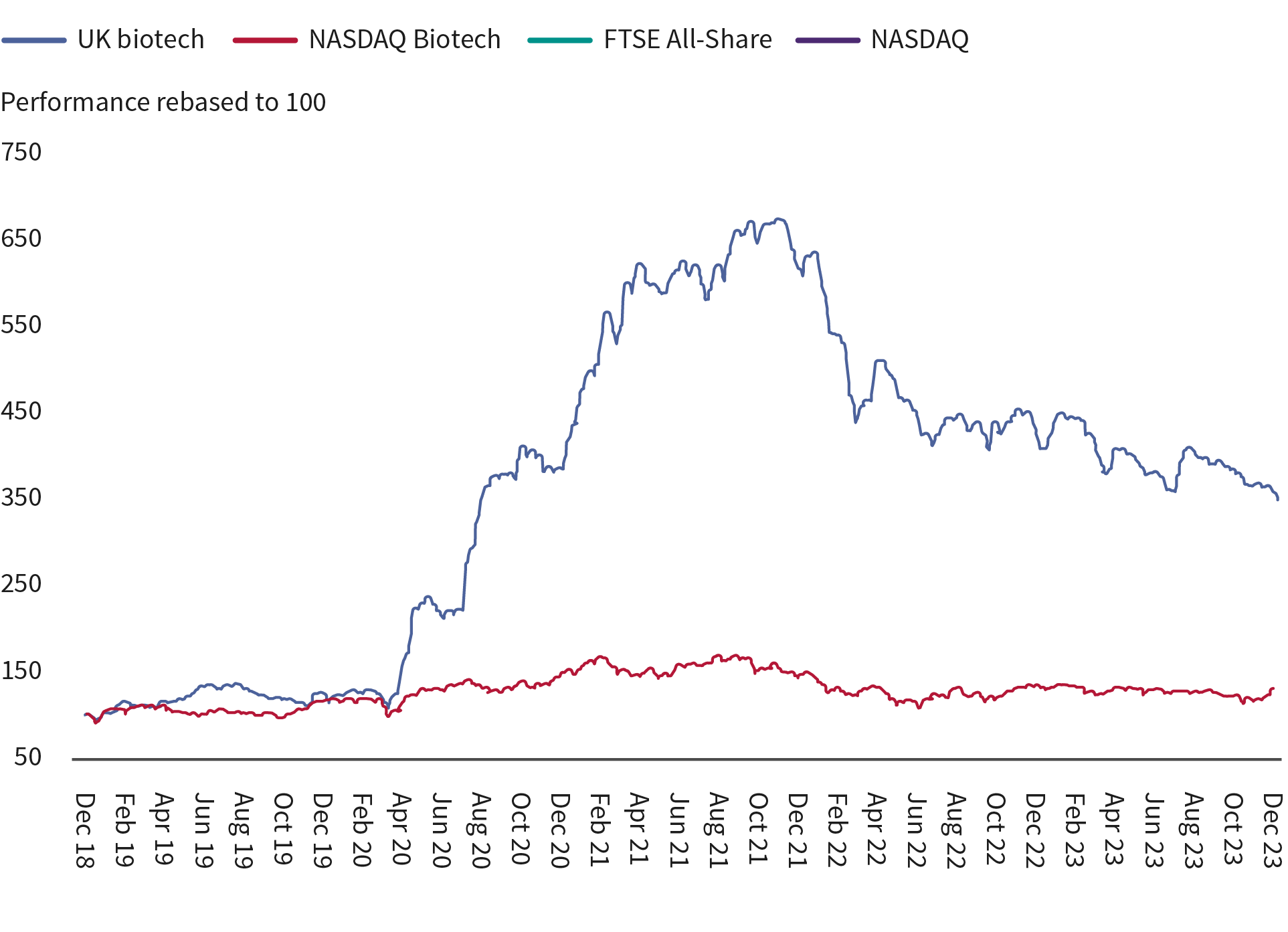
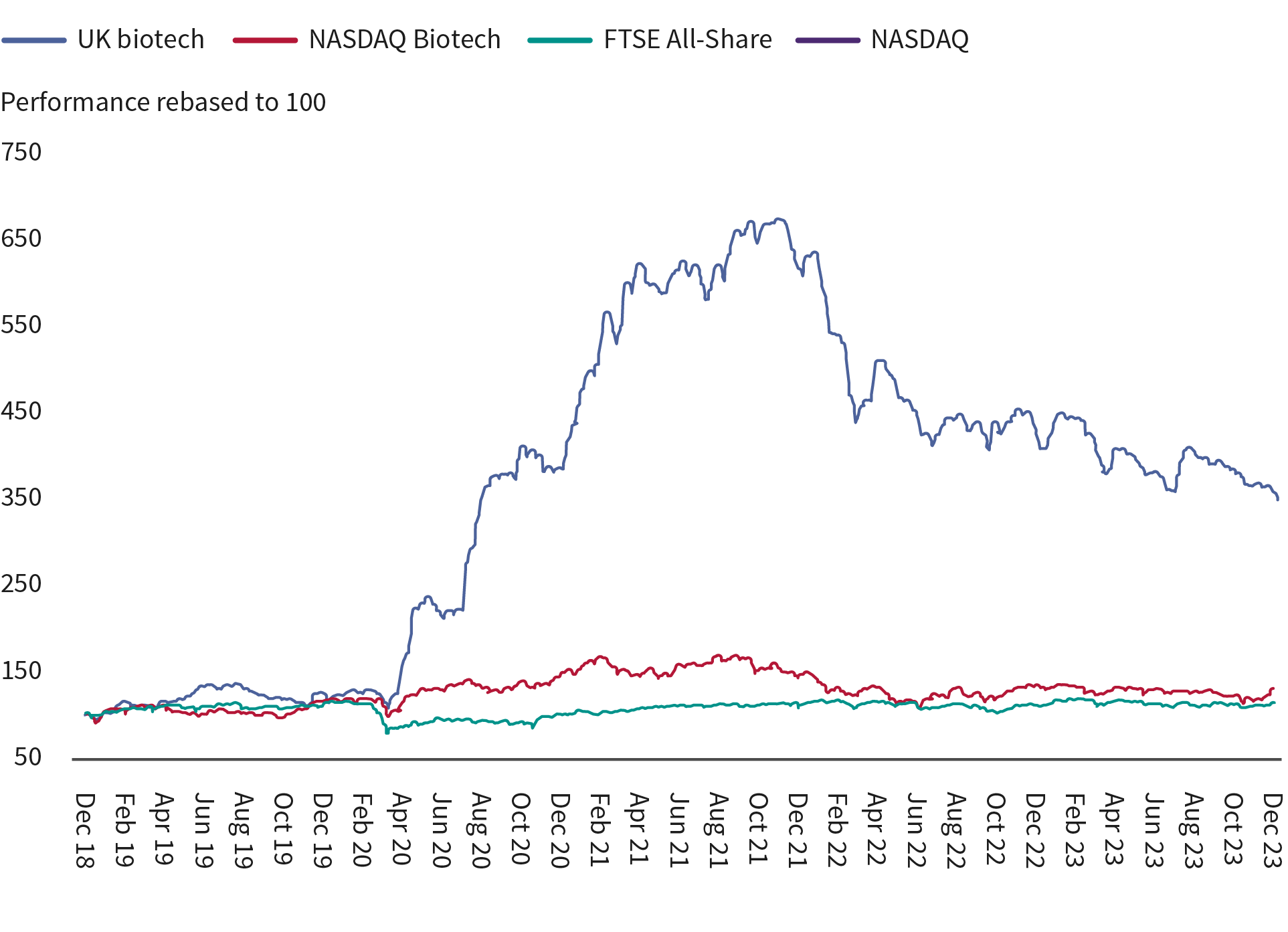
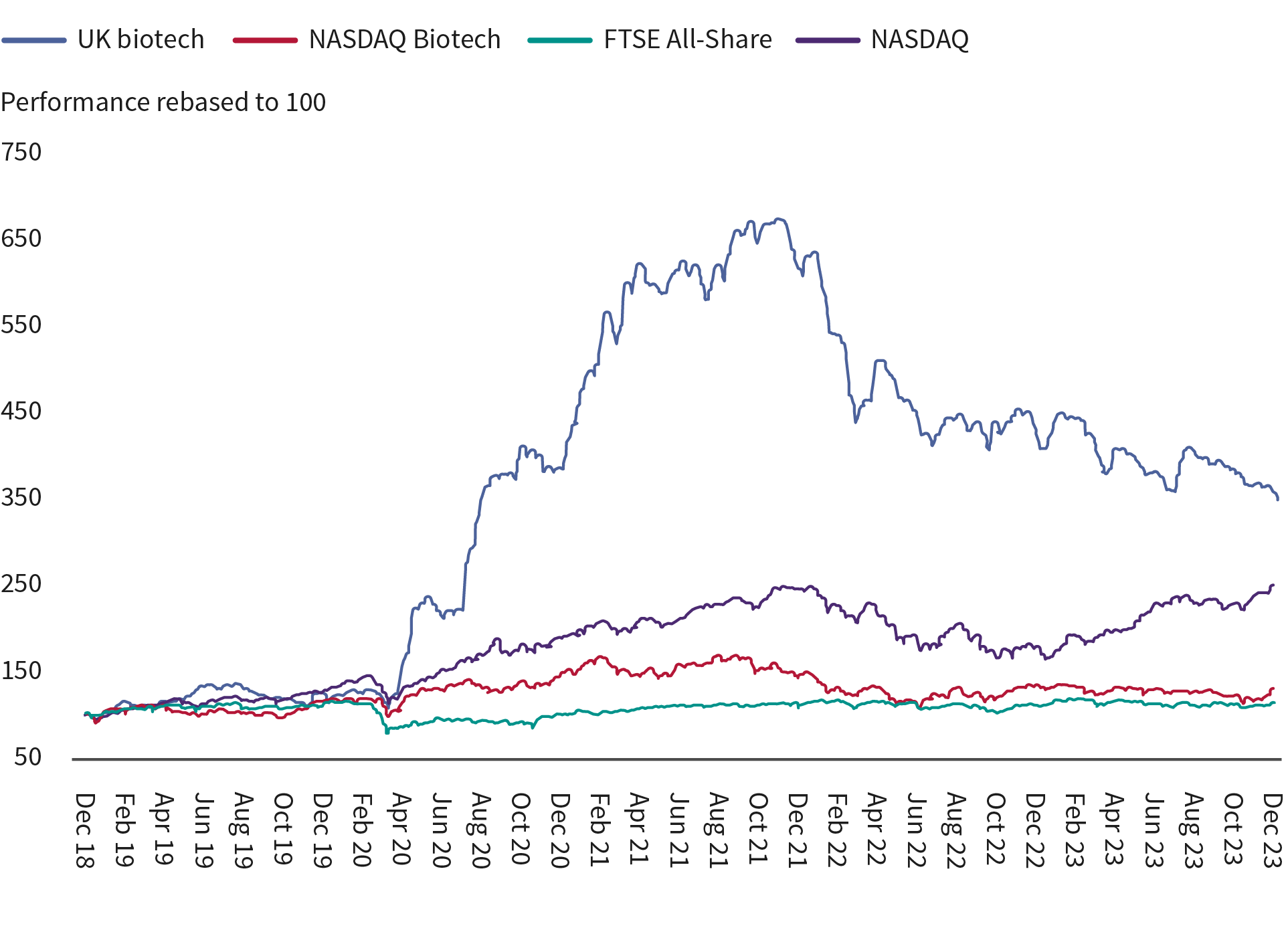
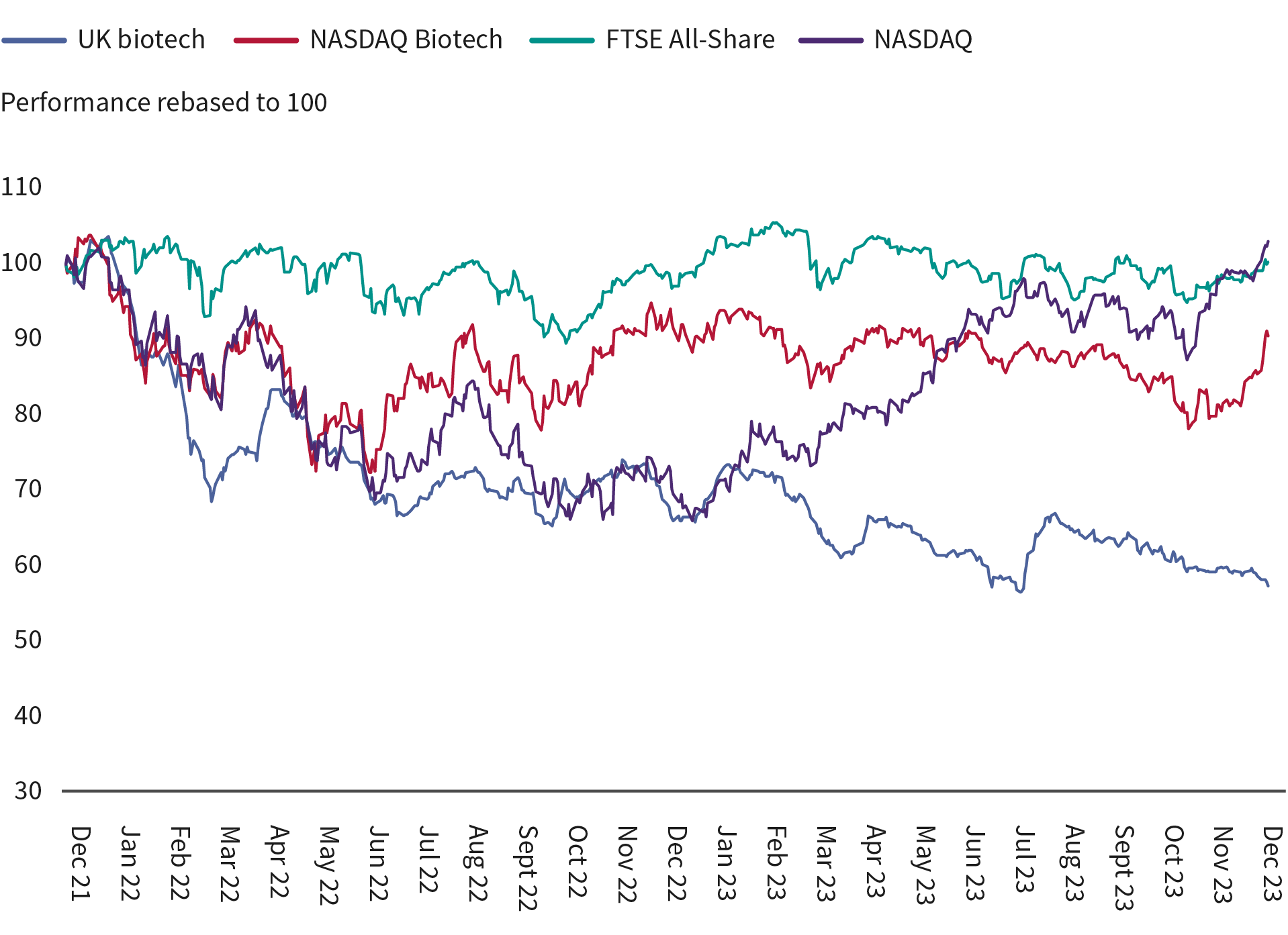
Taking a long-term view, however, our new UK biotech index shows the sector’s share price performance has been strong, outperforming other indices and markets. Over five years, UK biotechs delivered better returns than the London market as a whole (FTSE All-Share), the Nasdaq and even the biotech segment of the Nasdaq.
The UK sector saw exceptional share price gains during the pandemic, and these have not been lost, despite the more recent volatility and retreat of investor appetite. Our index is still up 250% on pre-pandemic levels. It peaked at 550% in December 2021.
Volatility has been more challenging over the 1-year and 2-year time horizons, and London biotechs have performed either in line with or slightly below the other indices.
Share price performance of UK biotech companies
Julia Hoggett
CEO, London Stock Exchange
The success of the UK life sciences sector reflects the quality of the UK’s academic research and the dynamism of our entrepreneurs. Whilst the road to entrepreneurial success is fraught with challenges, financing great ideas should never be the biggest challenge entrepreneurs face and we are working hard to make this a reality.
Together with the Capital Markets Industry Taskforce, the London Stock Exchange is supporting changes that will help ensure the UK creates the best environment for companies to start, grow, scale and stay. This is key to creating the innovation, the jobs and the growth that drives the economy, improves real incomes and peoples’ lives.
From changes to public markets listing rules, measures to increase investment in UK companies, improvements in investor research, more joined-up UK tax policies, changes in attitudes to risk-taking and entrepreneurial success, and the development of an innovative venue for private company share auctions – the UK is taking decisive steps to enable more UK companies to go global from the UK.
We look forward to seeing many more of the formidable life sciences companies that are created every year in the UK reap the benefits of these changes in the years ahead.
 Grants
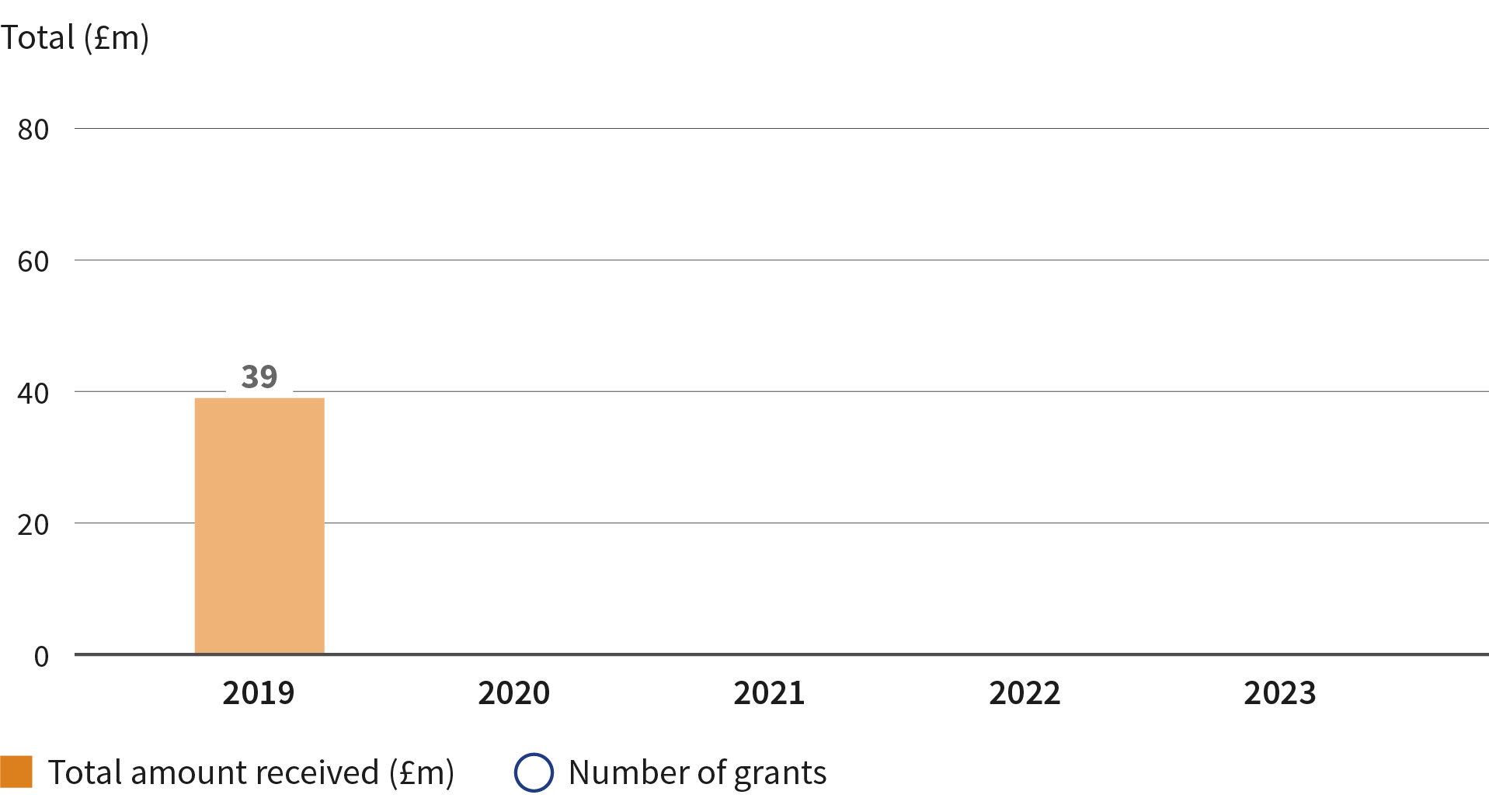
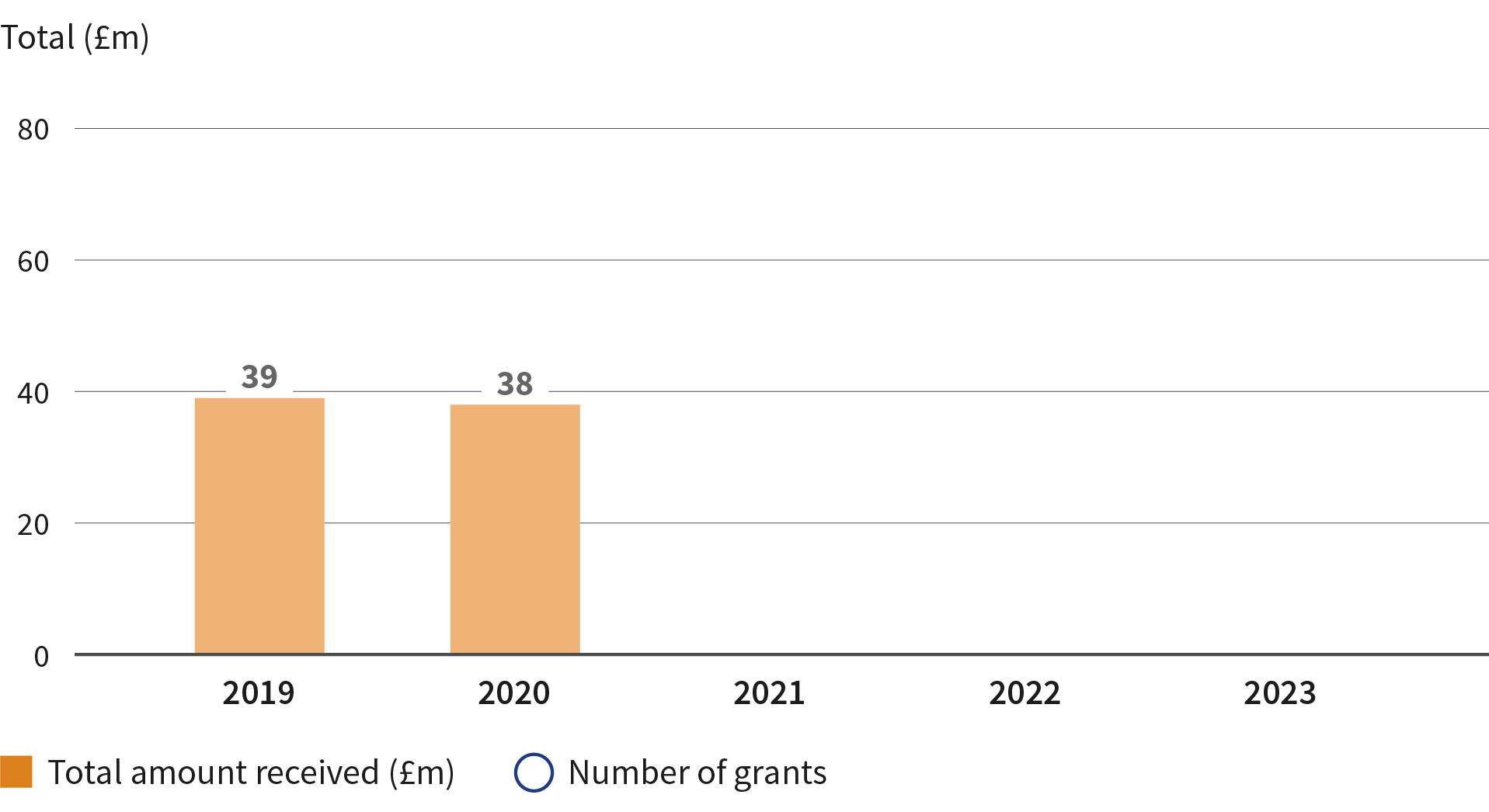
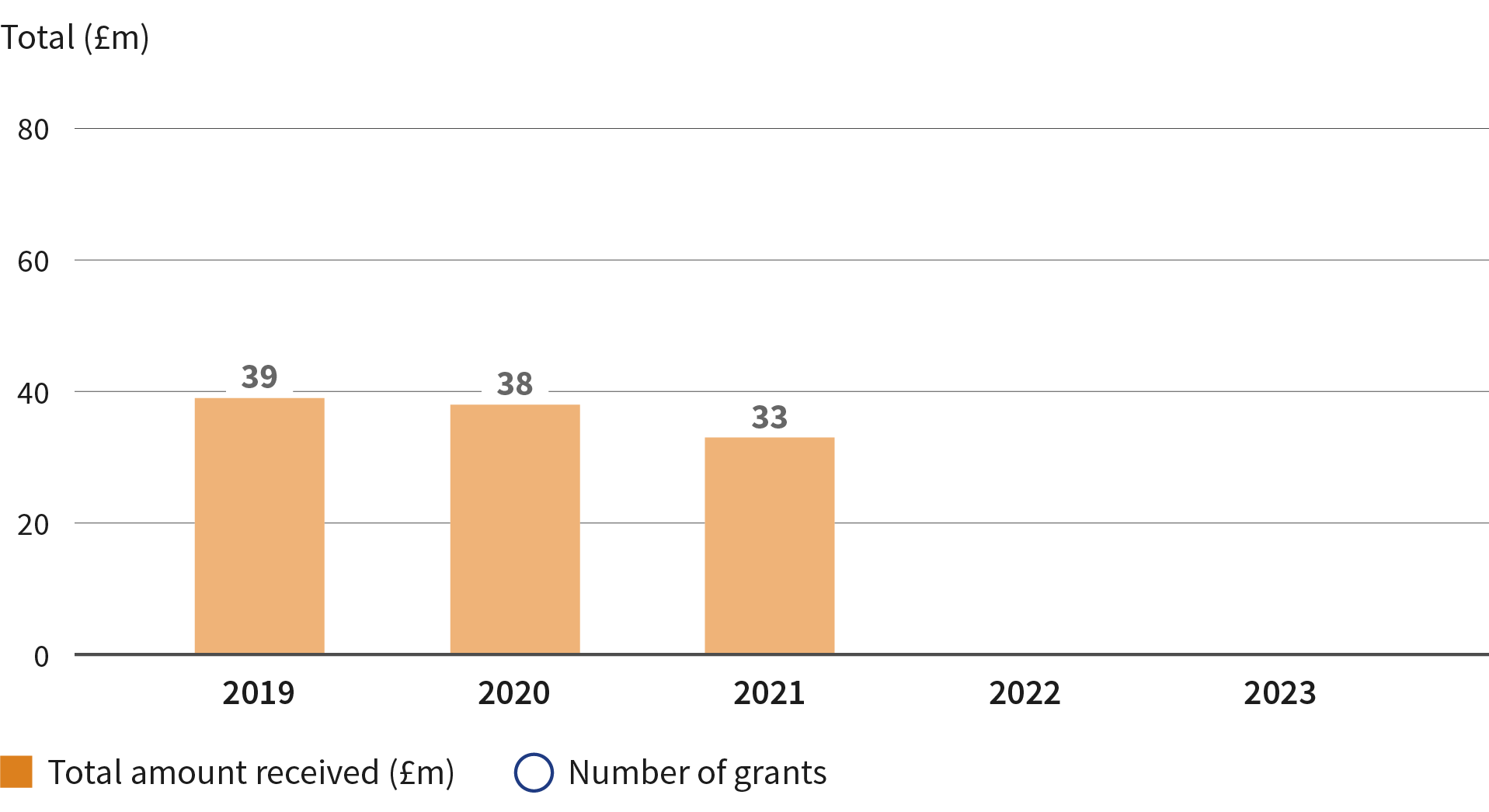
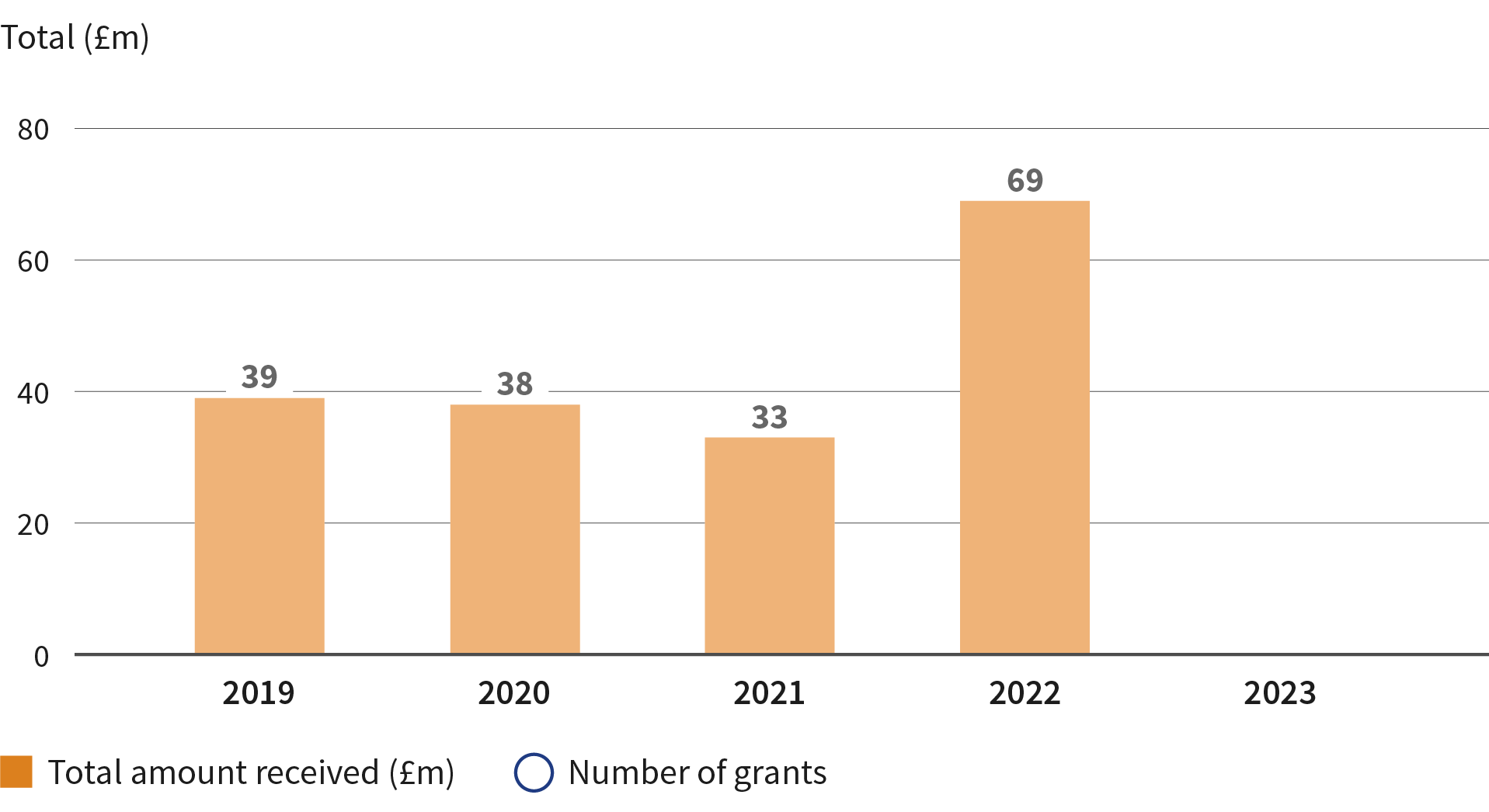
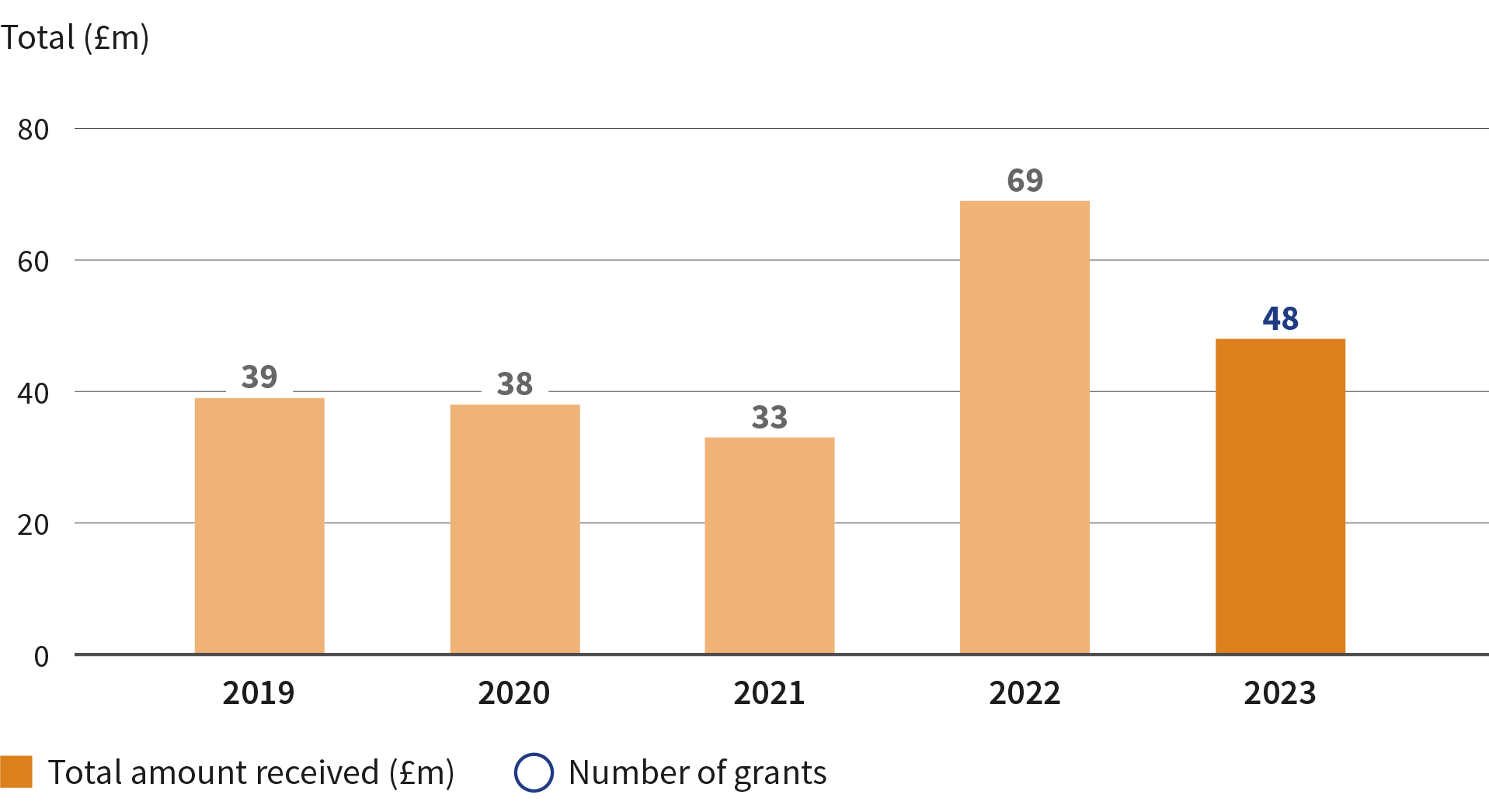
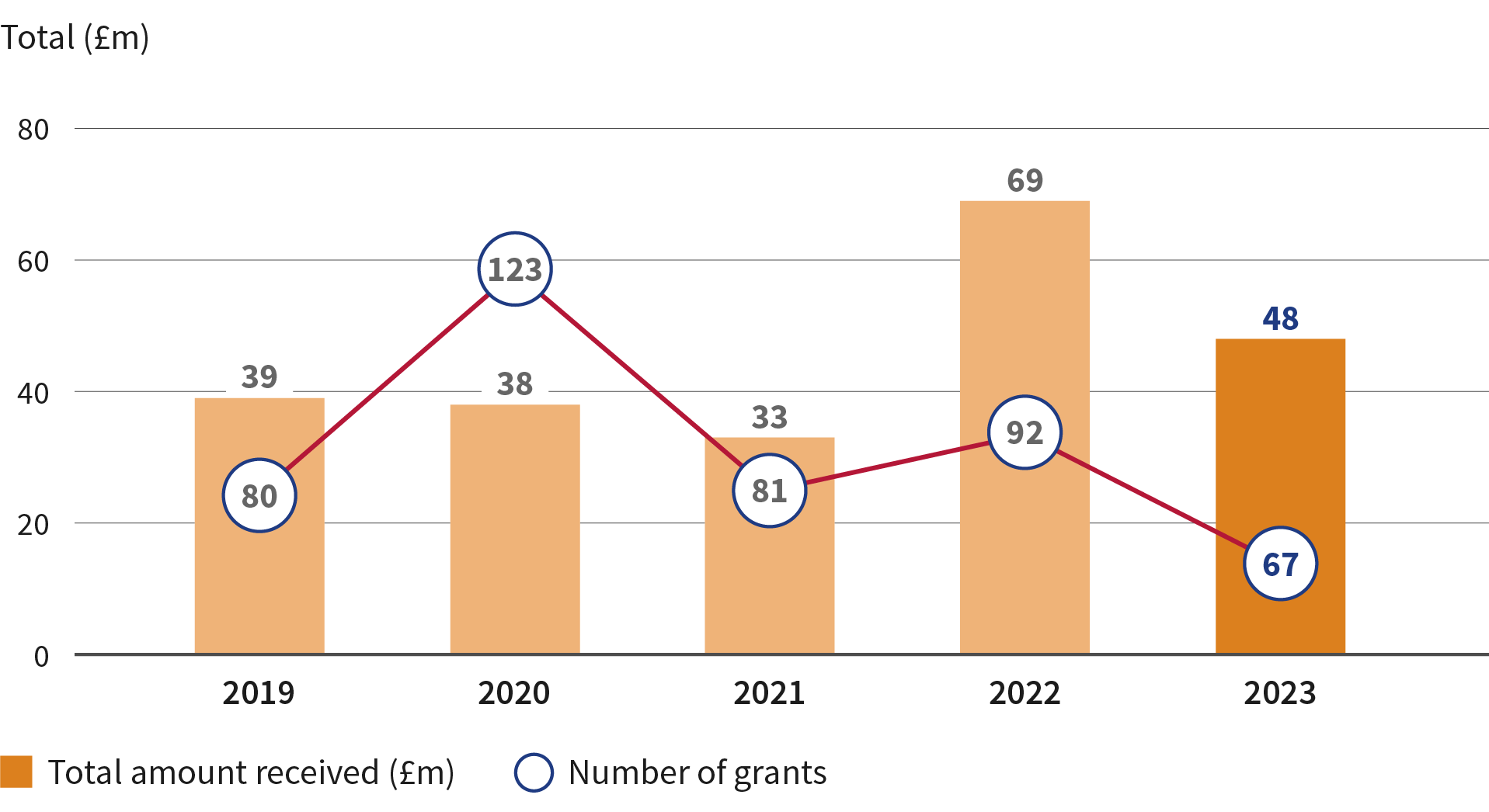
Grant funding saw a decrease in total value this year but still marked the second-best year on record, with £48 million in non-dilutive finance received.
Although fewer grants were secured compared to previous years the mean grant value was 50% higher than the 5-year average, reaching £716k this year.
In terms of funding bodies, Innovate UK continues to play the leading role in early-stage R&D grant funding. However, a diverse set of funders brings on average more capital, demonstrated in the higher overall total seen the past two years. While non-Innovate UK funders supported only 8% of all deals, their investment accounted for a substantial 42% of the total grant value this year. The biggest grant recipient this year was Touchlight, which received £14 million from an innovative medicines manufacturing fund run by the Office for Life Sciences.
Grant funding to UK biotech businesses by year of award

Jonny Ohlson
Founder and Executive Chair, Touchlight
In 2023, the biopharma industry faced challenges such as a fragile economy, destocking, higher interest rates, investor caution, and a China-slowdown, leading to a difficult operating environment.
However, the British biotech sector demonstrated resilience and innovation amid adversity. Government initiatives like LSIMF and Innovate supported business scale-up and innovation to maintain global competitiveness.
As a beneficiary of these programs, Touchlight expanded its Hampton site into the world’s largest enzymatic DNA manufacturing facility. Implementing top-tier ERP systems and automation, the company pioneered in enzymatic DNA manufacture, filing new patents and unveiling a single-stranded DNA molecule (mbDNA) with potential applications in gene editing and vaccine development.
Touchlight’s momentum resulted in collaborations with 7 of the top 10 pharma companies, yielding three INDs in the past year and anticipating three more in the next six months. Despite the challenges, the UK’s commitment to genomic medicine, evidenced by ongoing government investment in MHRA and clinical trials networks, positions the country as an excellent hub for pioneering new medicines. The approval of the first gene editing product to treat sickle cell disease showcases the UK’s progress. Despite the setbacks in 2023, anticipation is high for positive developments in 2024.
 R&D
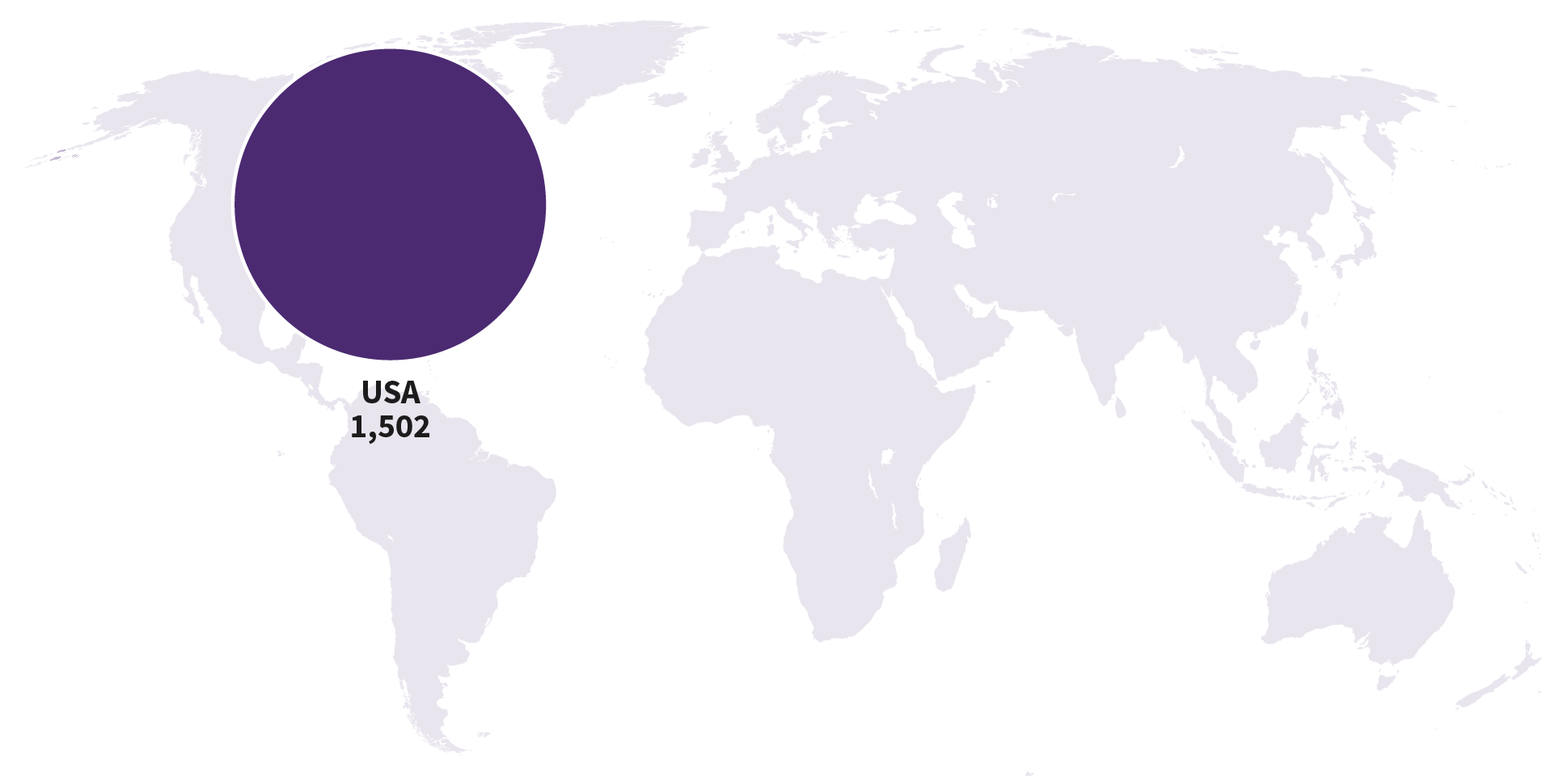
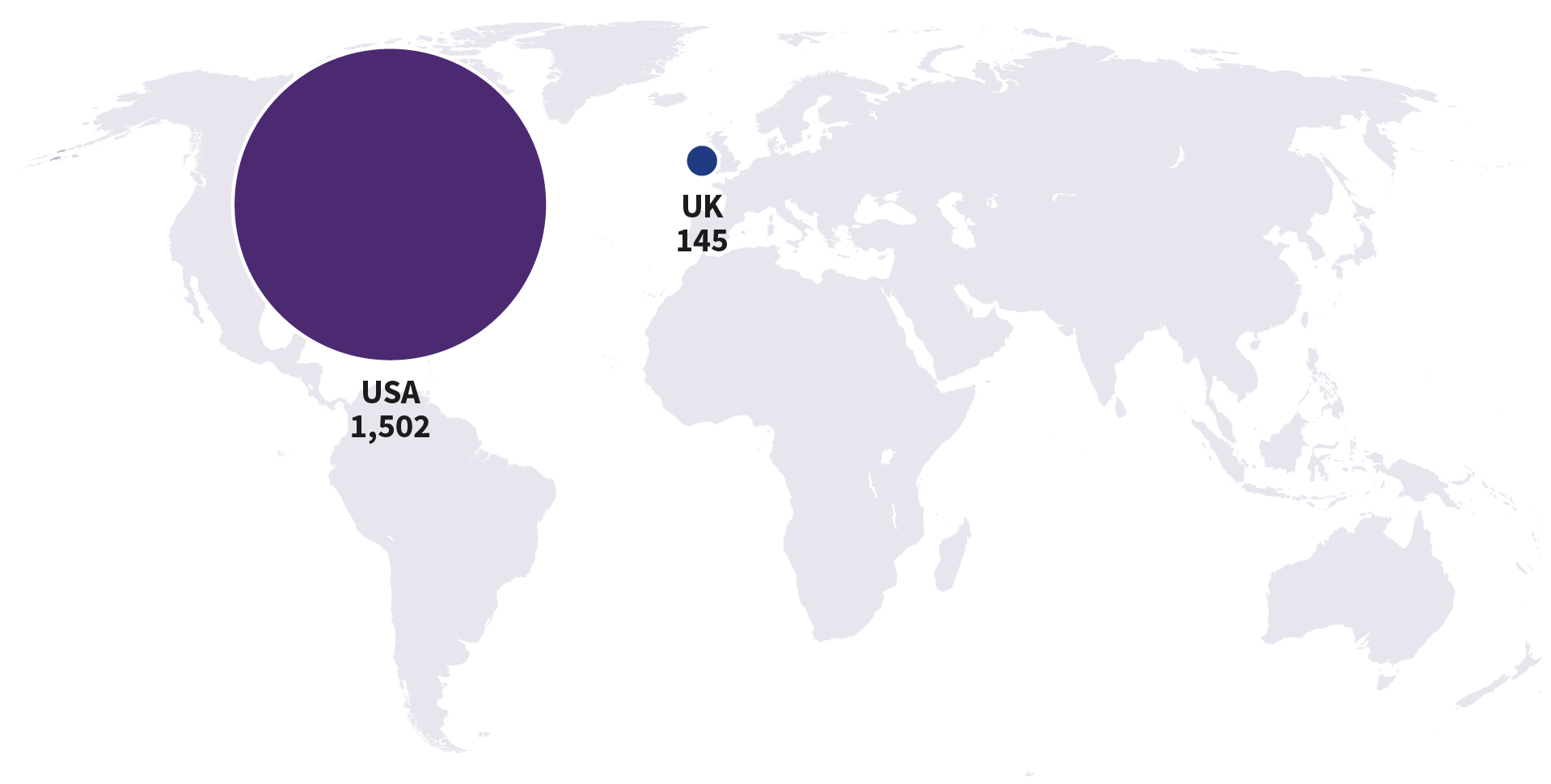
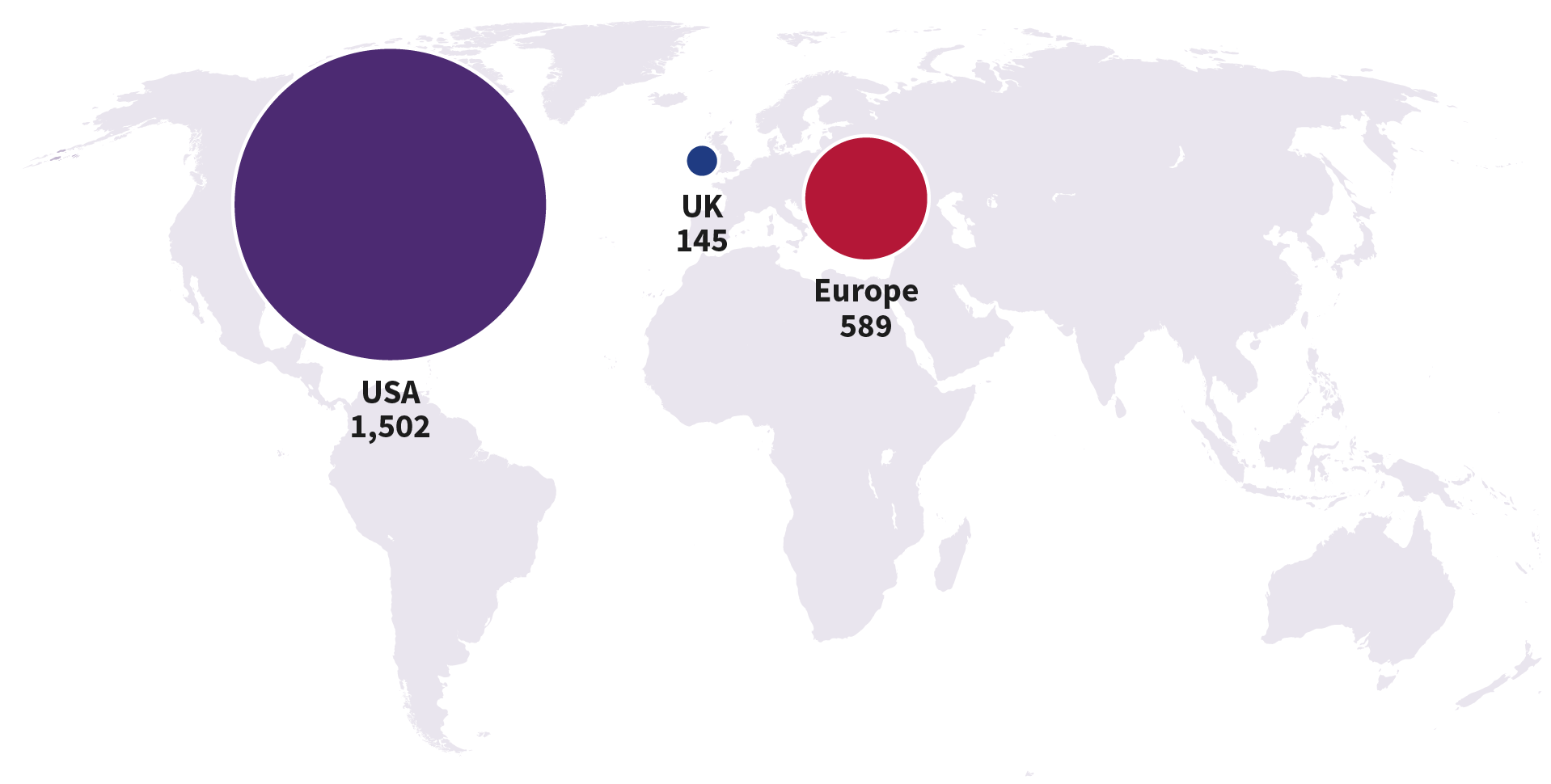
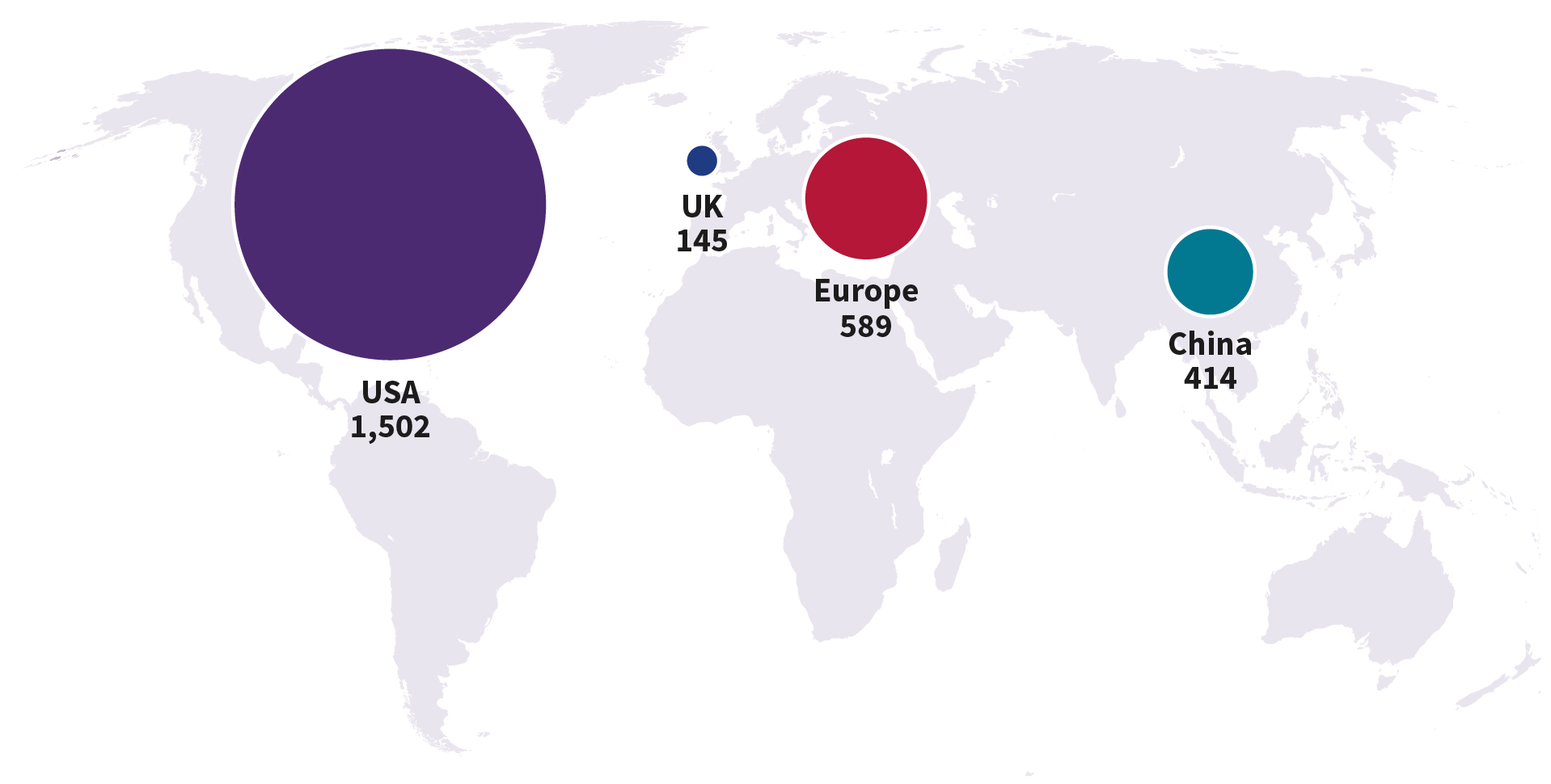
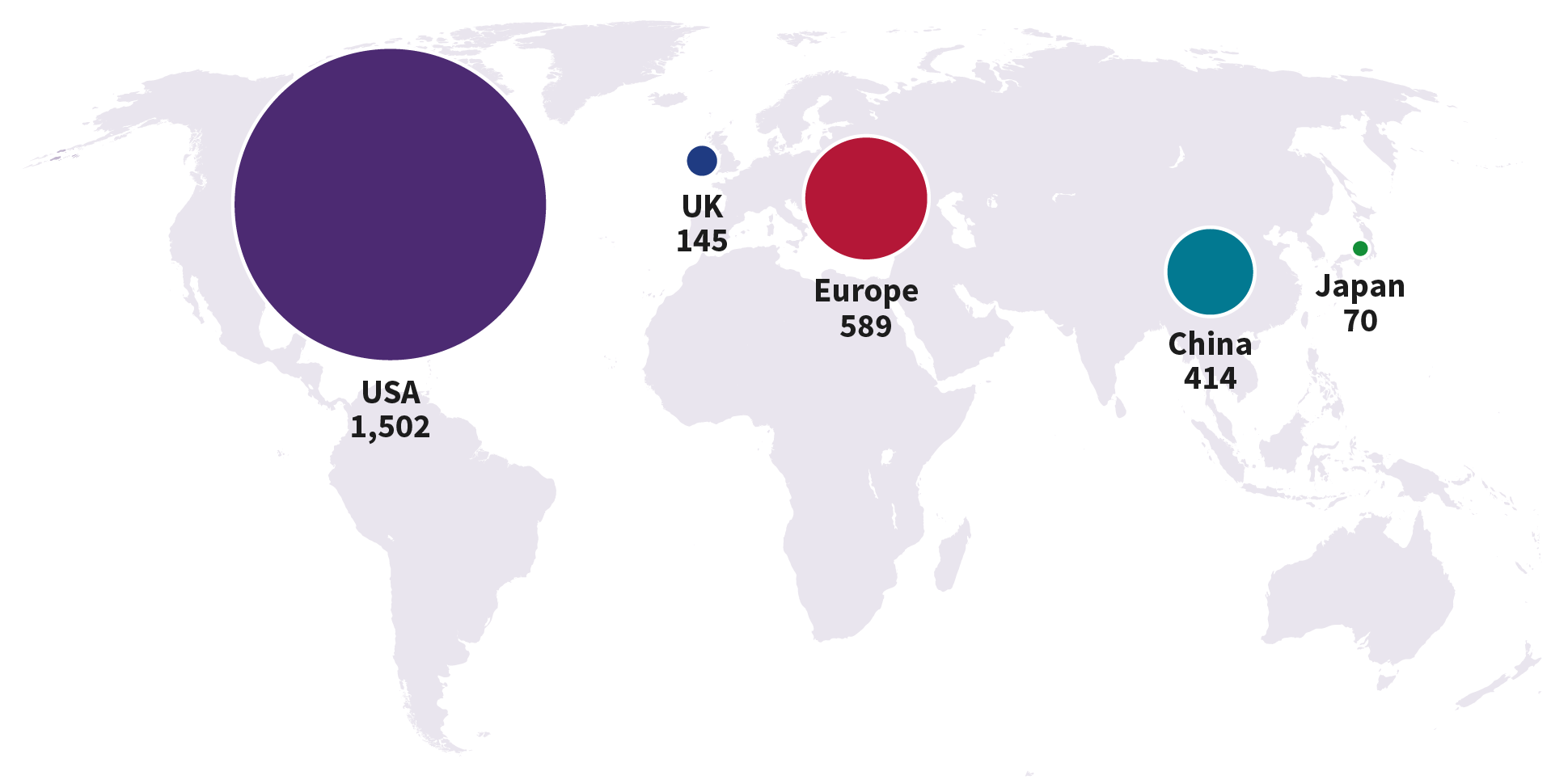
This year, 145 UK-based companies were active in clinical trials, either as lead or partner.
The US maintains its leading position for a number of companies with clinical assets. Across Europe the UK took the lead with the highest number of clinical-stage biotechs. However, to account for economic size, we adjusted the number of clinical-stage companies relative to the GDP of the regions examined, using the US as the benchmark at 1. This reflects the relative density or intensity of companies with clinical phase drugs in each region or country, considering the economic size.
Our data reveals that the UK ranks 3rd in Europe behind Sweden and Switzerland, in terms of sector strength based with a ratio of 0.64. China lags behind with a calculated value of 0.23, despite its high number of clinical-stage companies.
Companies with products in clinical development, by region

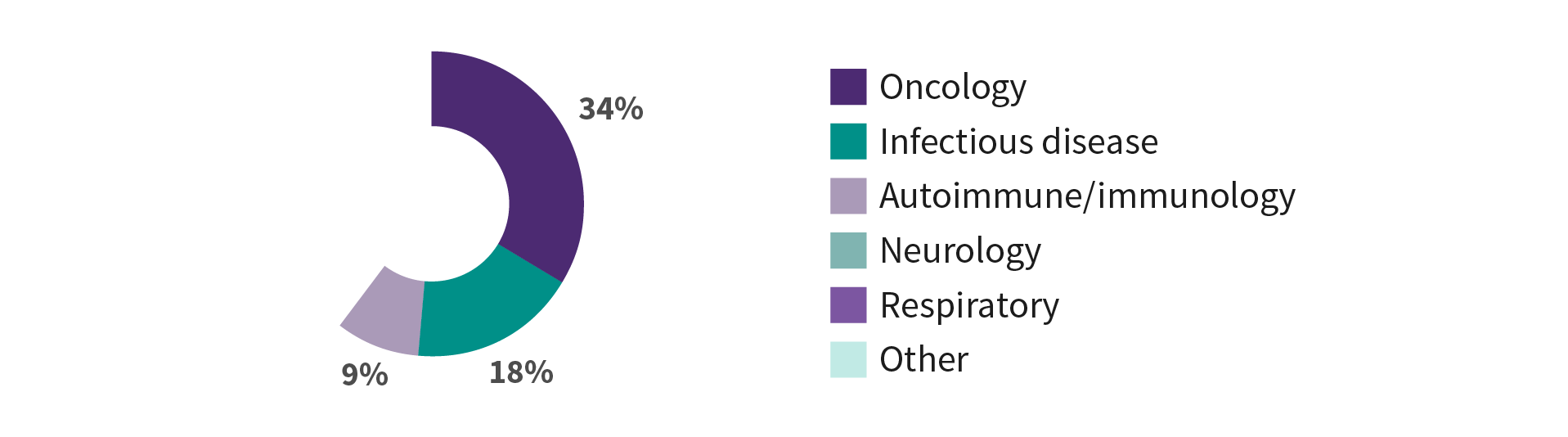
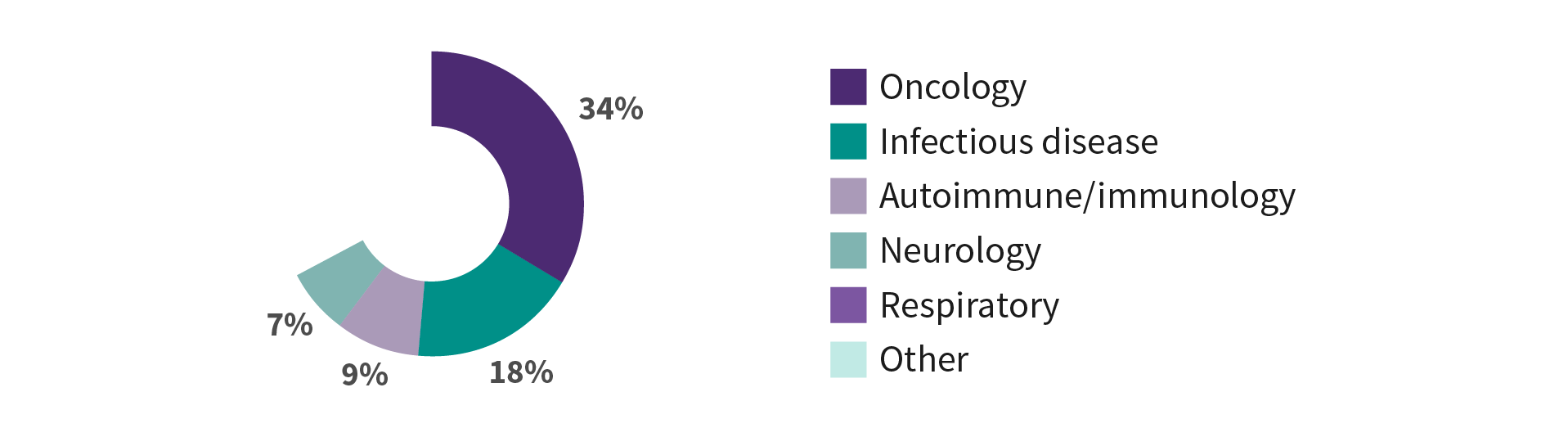
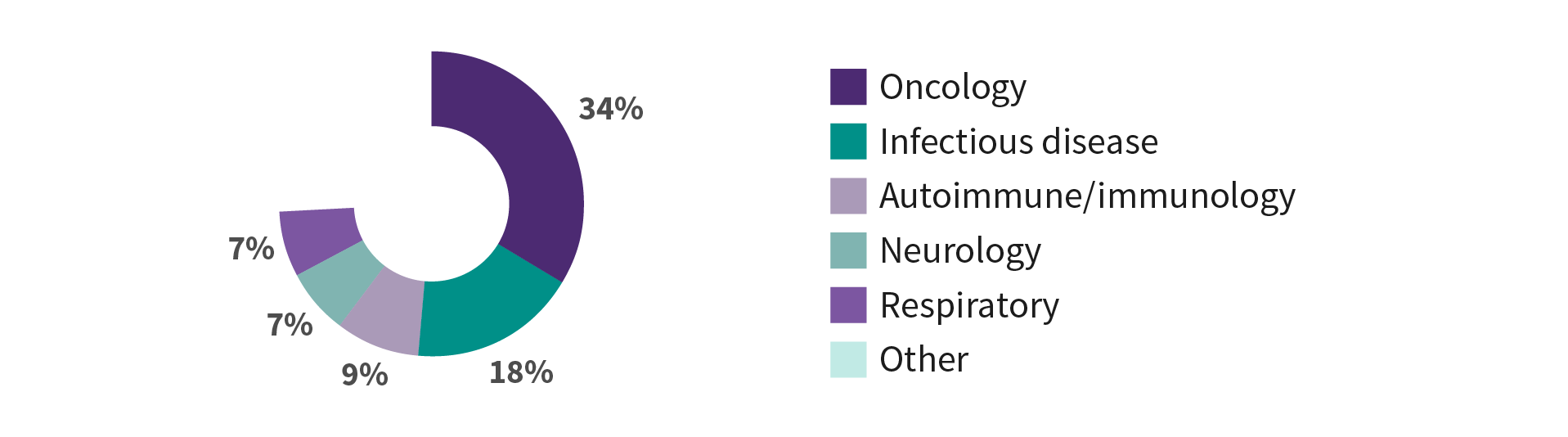
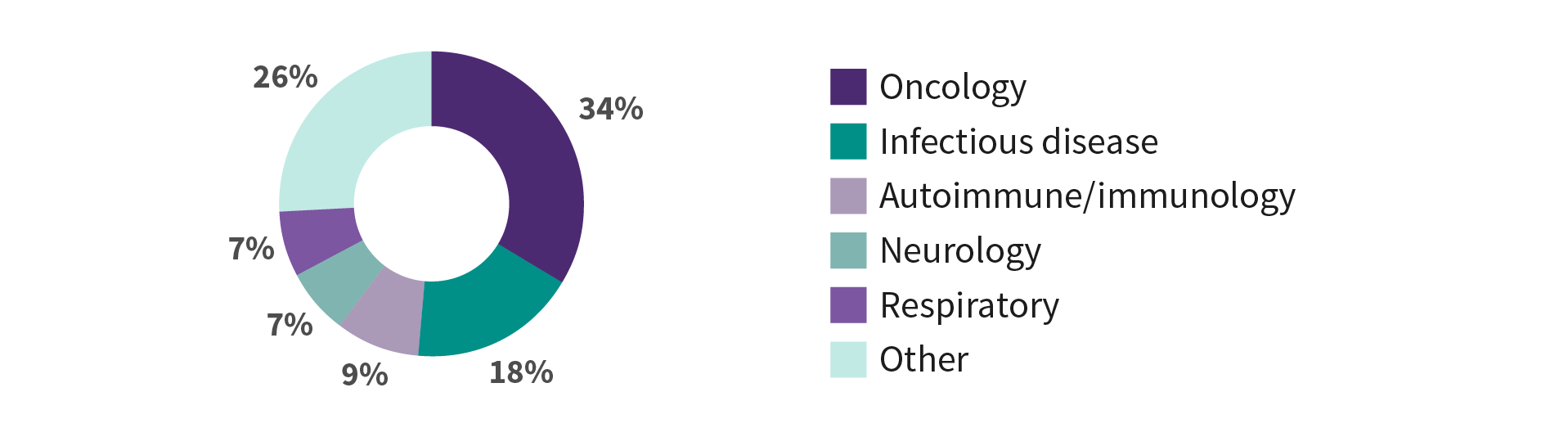
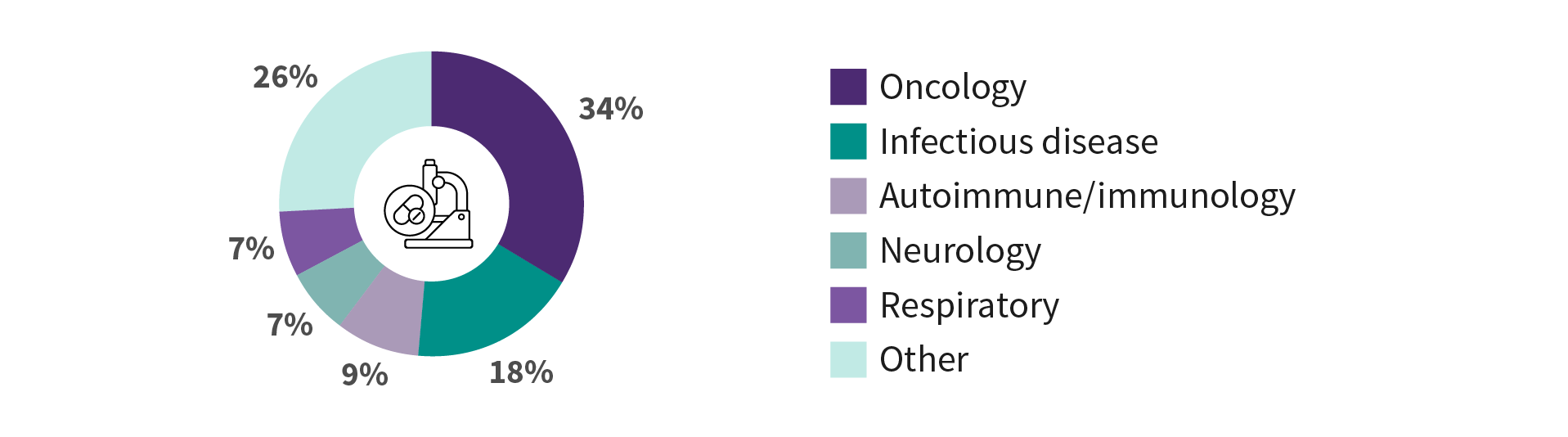
The drug development pipeline by UK companies is robust, with oncology taking the lead as the primary disease category, constituting over a third of all clinical assets. This is followed by infectious diseases accounting for 18%. The BIA plans to expand this dataset and deepen insights to create a more accurate depiction of the drug development pipeline.
Drugs in development: Top disease categories


Report authors
 Gwen Nguyen, Data Analyst
 Martin Turner, Associate Director, Policy, Public Affairs and Investor Relations